

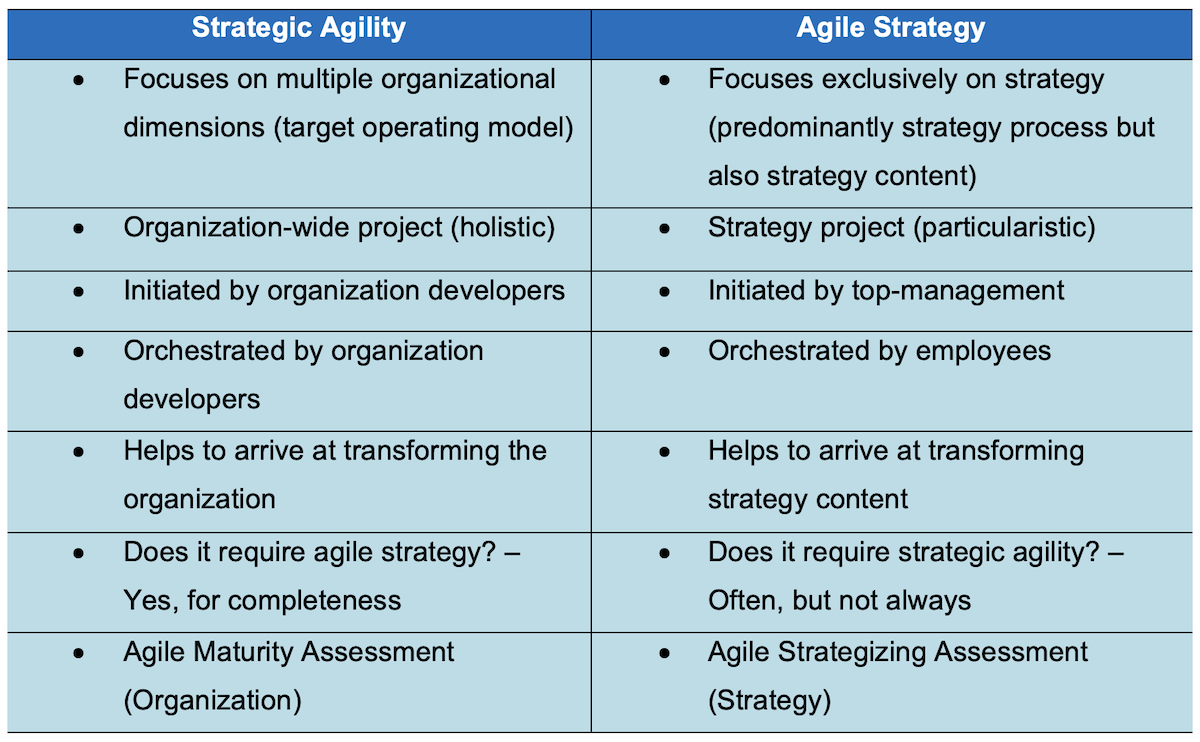
In today’s fast-moving market, small to mid-sized businesses face constant shifts – from evolving customer behaviors to rapid technological advancements like AI. Staying competitive isn’t about predicting the future, but about building the capacity to adapt quickly and intelligently. This guide cuts through the noise to offer practical, actionable steps for cultivating strategic agility within your team.
You’ll gain clear insights into prioritizing your efforts, making informed trade-offs with limited resources, and focusing on what truly moves the needle. We’ll outline what to tackle first, what can wait, and crucial pitfalls to avoid, ensuring your business remains resilient and growth-oriented, even when conditions are far from ideal.
Why Strategic Agility Isn’t Just for Enterprises
For small and mid-sized businesses, strategic agility isn’t a luxury; it’s a necessity. Unlike larger corporations with deep pockets and specialized departments, your team operates with tighter budgets and fewer hands. This means every decision carries more weight, and the ability to pivot quickly can be the difference between seizing an opportunity and falling behind. In 2026, with AI tools rapidly integrating into marketing workflows and consumer expectations constantly shifting, relying on static, long-term plans is a recipe for stagnation. Agility for you means smart, focused adaptation, not chasing every shiny new trend.
Prioritizing Your Agility Efforts: Where to Start
When resources are constrained, the temptation is to try everything. Strategic agility for SMBs demands ruthless prioritization. Start by reinforcing your foundational understanding and building lean feedback loops.
- Deepen Customer Understanding: Regularly revisit who your core customers are, what problems you solve, and how their needs are evolving. This isn’t a one-time exercise; it’s an ongoing dialogue. Use simple surveys, direct customer conversations, and analyze your existing sales data.
- Embrace Lean Experimentation: Instead of large-scale launches, design small, measurable tests. Want to try a new ad platform or messaging angle? Allocate a small budget, define clear success metrics, and run it for a short period. Learn, iterate, or discard.
- Simplify Your Data Dashboards: Overwhelming data leads to inaction. Focus on three to five key performance indicators (KPIs) that directly reflect your business goals. These are your early warning signals and success indicators.
This initial focus ensures you’re adapting based on real market signals, not just assumptions or competitor actions.
While these foundational steps are critical, their practical execution often reveals hidden costs and non-obvious failure modes. For instance, ‘deepening customer understanding’ isn’t just about collecting data; it’s about internalizing it and acting on it consistently. The real risk isn’t a lack of data, but a slow drift in organizational empathy, where decisions become more about internal convenience than evolving customer needs. This gradual detachment often goes unnoticed until market share or customer loyalty begins to erode, a much harder problem to fix than to prevent.
Similarly, ‘lean experimentation’ sounds straightforward, but teams frequently struggle with the ‘discard’ phase. There’s a natural human inclination to salvage an experiment that’s consumed time and effort, even when the data clearly indicates it’s not working. This leads to ‘zombie experiments’ that drain resources without yielding actionable insights. The pressure to show progress can also lead to premature declarations of success or a reluctance to admit failure, undermining the very learning process agility aims to foster.
Even with ‘simplified data dashboards,’ the trap isn’t just overwhelming complexity, but choosing the wrong simplicity. Focusing on three to five KPIs is effective only if those KPIs truly reflect leading indicators and not just lagging outcomes. Over time, teams can become so fixated on these core metrics that they overlook subtle shifts or emerging trends that aren’t immediately captured, leading to delayed reactions. The discipline required to maintain this focus, resisting the urge to add ‘just one more’ metric, is a constant battle against dashboard creep and analytical paralysis.
Building Feedback Loops and Iterative Planning
Agility thrives on continuous learning. For SMBs, this means embedding quick feedback loops into your daily and weekly operations, rather than waiting for quarterly reviews.
Establish a rhythm for reviewing performance against your chosen KPIs. This could be a weekly marketing sync where you discuss what worked, what didn’t, and what needs adjustment. The goal is not to assign blame, but to collectively identify insights and make small, course corrections. This iterative approach prevents minor issues from becoming major problems and allows you to capitalize on emerging opportunities faster. Think of it as a continuous improvement cycle for your marketing and business strategy.
- Short-Cycle Planning: Break down larger goals into thirty-day or sixty-day sprints. This makes targets more manageable and allows for rapid adjustments based on market feedback.
- Post-Mortem on Small Campaigns: After every significant campaign, no matter how small, conduct a quick review. What did we learn? What would we do differently next time? Document these insights.
- Leverage AI for Analysis, Not Just Creation: Use AI tools to quickly analyze customer feedback, sentiment from reviews, or performance data patterns. This frees up your team to focus on strategic interpretation and action.
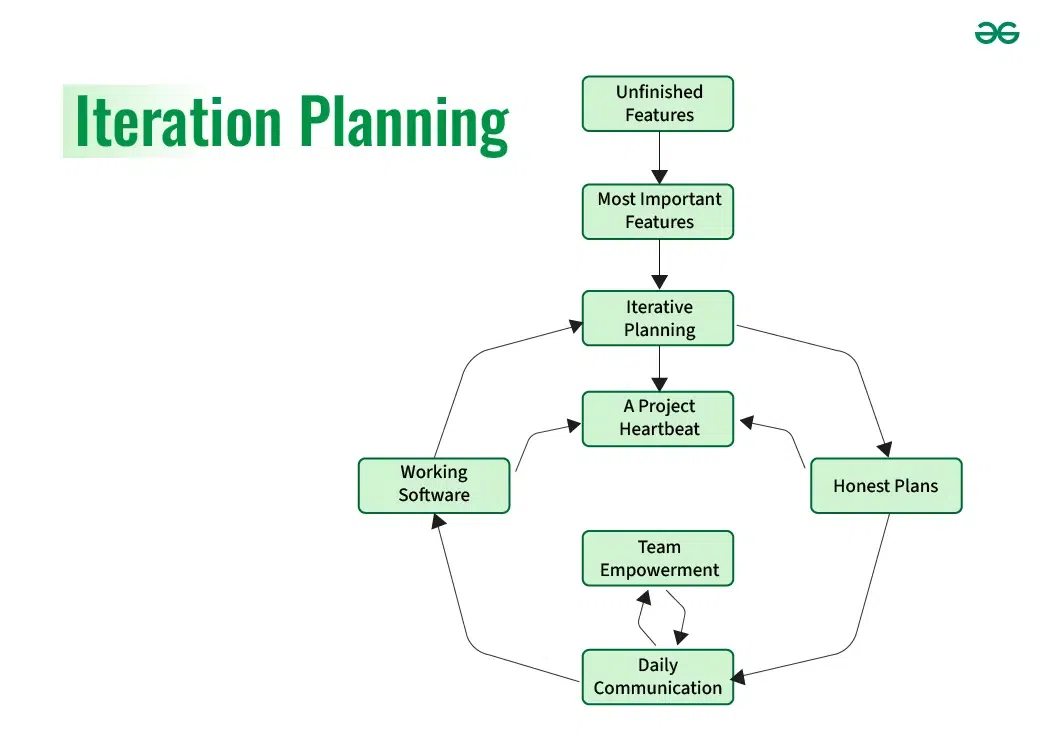
While the intent of quick feedback loops is sound, a common pitfall is allowing them to become superficial. Teams can easily fall into the trap of reviewing metrics without truly dissecting why certain outcomes occurred. This often stems from the practical pressure to show immediate action or to quickly move on to the next task. When this happens, the ‘course corrections’ become reactive rather than insight-driven, addressing symptoms without understanding root causes. The hidden cost here isn’t just wasted meeting time; it’s the accumulation of unaddressed strategic weaknesses and the erosion of team trust in the process itself, as problems resurface despite repeated ‘fixes’.
Another aspect frequently overlooked in the rush to iterate is the discipline of capturing and centralizing the insights gained. It’s one thing to discuss what worked or didn’t; it’s another to systematically document those learnings in a way that builds institutional knowledge. Without a clear, accessible record of past experiments, decisions, and their rationales, teams are prone to repeating mistakes or re-debating settled issues. This lack of organizational memory is a significant second-order effect, hindering long-term strategic evolution and making each new initiative feel like a fresh start rather than a build on prior experience. It makes it difficult to identify deeper patterns over time, which is essential for moving beyond tactical adjustments to genuine strategic improvement.
Given these realities, it’s tempting to over-engineer the feedback process with elaborate documentation systems or complex analytical frameworks. However, for most SMBs, this is a trap. The priority should be on actionable insight and simple, consistent capture, not comprehensive academic reports. Deprioritize creating perfect, exhaustive post-mortems that take hours to compile. Instead, focus on a few bullet points of key takeaways and next steps, stored in a shared, easily accessible location. The goal is to inform future decisions, not to create an archive for its own sake. Overly detailed analysis can also become a form of procrastination, delaying the very adjustments the feedback loop is meant to facilitate.
Resource Allocation: Doing More with Less
Limited resources are a constant for SMBs. Strategic agility here means being smart about where you invest your time, money, and team’s energy. It’s about flexibility and the willingness to reallocate.
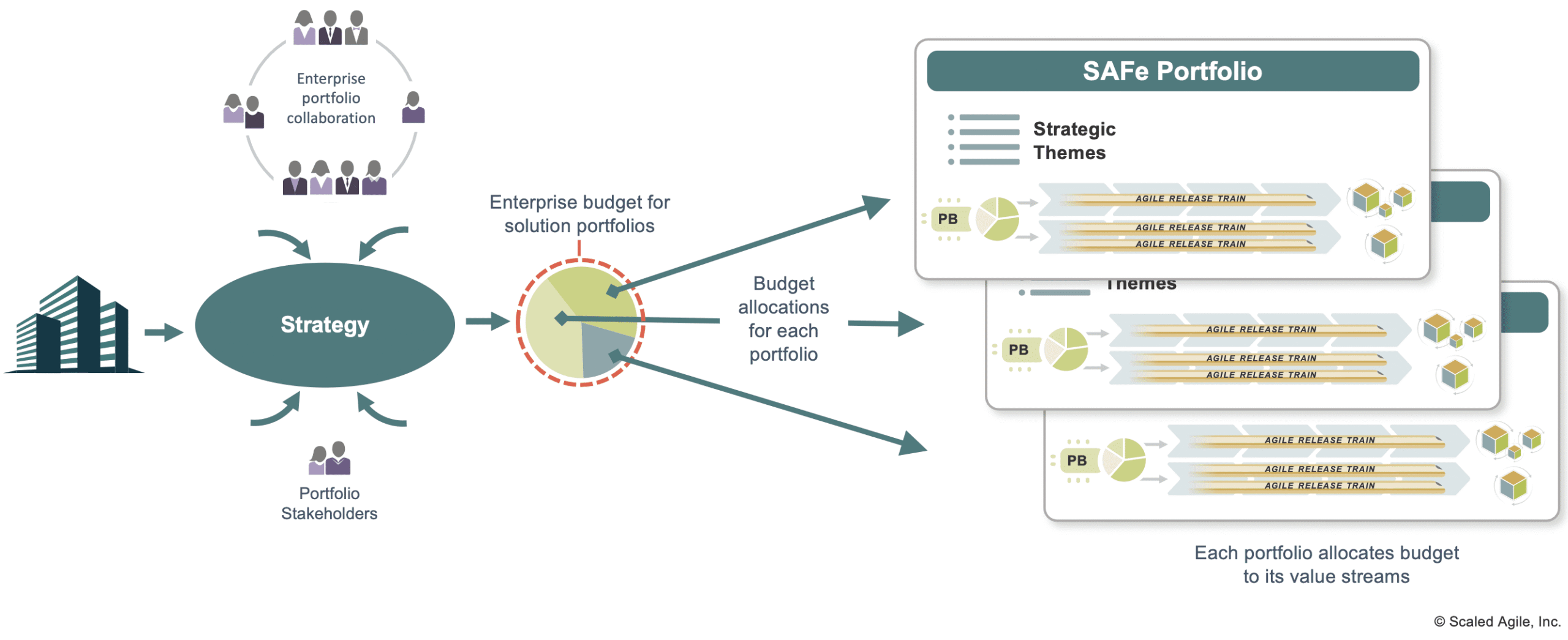
Avoid rigid annual budgets that lock you into spending on initiatives that are no longer effective. Instead, adopt a more fluid approach. Allocate resources in shorter cycles, perhaps quarterly, with a portion held in reserve for emerging opportunities or unexpected challenges. This ‘agile budget’ allows you to shift funds to what’s working best right now, rather than sticking to a plan that’s become obsolete. For example, if a new social media platform suddenly gains traction with your audience, you can quickly reallocate a small portion of your ad spend to test it, rather than waiting for the next budget cycle.
- Skill Cross-Training: Encourage team members to develop complementary skills. A marketer who understands basic analytics or a sales person who can contribute to content ideas makes your team more resilient and adaptable.
- Strategic Tool Adoption: Invest in tools that offer significant leverage and integrate well, rather than a patchwork of single-purpose solutions. Prioritize tools that automate repetitive tasks, freeing up human capital for strategic work.
- Outsource Tactically: For specialized, non-core tasks (e.g., advanced video editing, specific technical SEO audits), consider outsourcing on a project basis. This provides expertise without the overhead of a full-time hire.
What to Deprioritize (and Why)
For small and mid-sized teams, the biggest trap is trying to do too much. Today, you should actively deprioritize or skip extensive, theoretical market research reports that don’t directly inform an immediate action. While understanding broad trends is valuable, deep dives into every micro-segment or speculative future scenario often consume valuable time and budget without yielding actionable insights for your current operational scale. Similarly, resist the urge to immediately adopt every new AI tool or platform feature without a clear, defined use case that solves a specific problem for your business. Many emerging technologies are still maturing, and early adoption without a strategic fit can lead to wasted investment and team frustration. Focus on proven applications that offer tangible, measurable benefits now, rather than chasing every innovation for innovation’s sake.
Navigating Future Shifts with Confidence
Strategic agility isn’t about having all the answers; it’s about building the muscle to find them quickly. For SMBs, this means cultivating a culture of curiosity, continuous learning, and pragmatic adaptation. By focusing on core customer needs, embracing lean experimentation, and allocating resources flexibly, your business can not only withstand the inevitable market shifts but also proactively identify and capitalize on new opportunities. The goal is to build a resilient, responsive organization that can consistently deliver value, regardless of external turbulence. This isn’t a one-time project; it’s an ongoing commitment to smart, informed evolution.

Leave a Comment