

Prioritizing Your Google Business Profile with AI Insights
For small and mid-sized businesses, local search isn’t just a tactic; it’s often the primary battleground for customer acquisition. With limited resources, you need strategies that deliver tangible results without draining your budget or team. This article cuts through the noise, offering a pragmatic, AI-powered approach to local SEO that helps you prioritize effectively, make smarter decisions, and achieve hyper-targeted visibility where it matters most: in your local market.
You’ll learn what to focus on first, how to leverage AI tools for efficiency, and crucially, what common local SEO efforts often prove to be a distraction. Our goal is to equip you with actionable insights to outmaneuver competitors and connect directly with local customers ready to buy, even with imperfect execution.
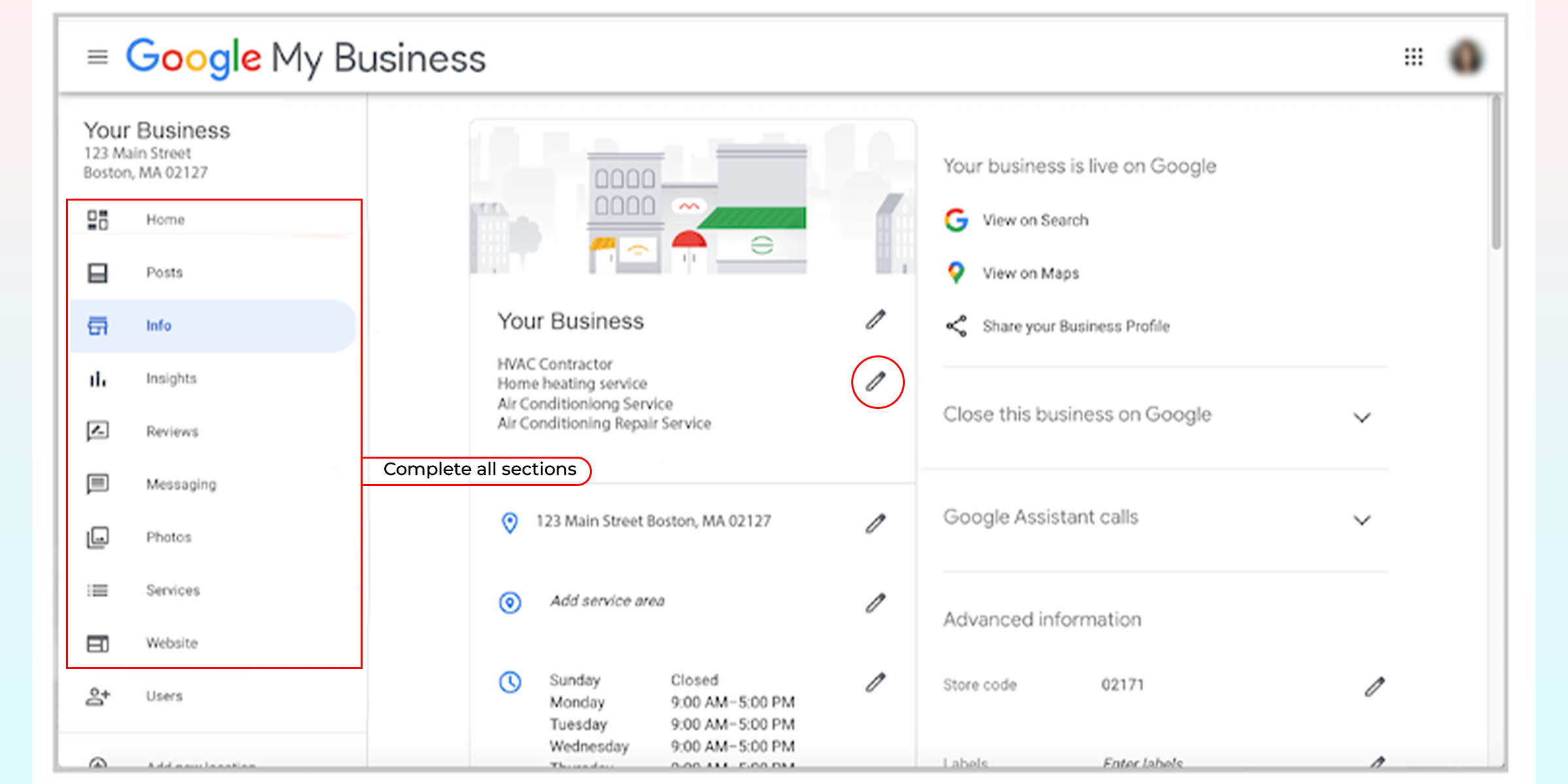
Your Google Business Profile (GBP) remains the single most critical asset for local search visibility. Neglecting it is akin to not having a storefront. Today, AI tools can significantly streamline its optimization and ongoing management. Start by ensuring every field is complete and accurate, from your business name, address, and phone number (NAP) to your operating hours and services offered. AI can help audit your existing profile for inconsistencies or missing information by comparing it against publicly available data.
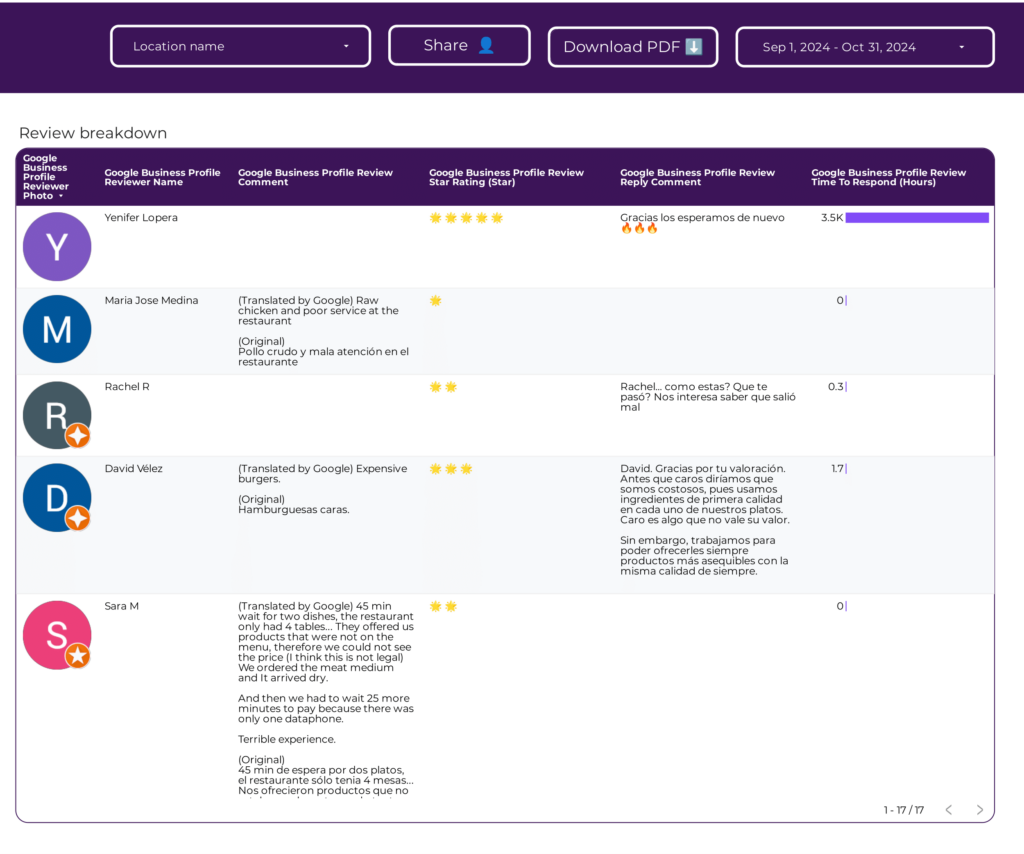
Beyond basic data, leverage AI to analyze your reviews. These tools can identify common themes, sentiment trends, and even suggest personalized, on-brand responses to both positive and negative feedback. This isn’t about automating empathy, but about making the process of engaging with customers at scale more efficient. Regularly uploading high-quality photos and videos is also crucial; AI can help categorize and tag these for better discoverability. Prioritize getting your core information locked down and then establish a routine for review management and content updates. Google Business Profile guidelines
Leveraging AI for Hyper-Local Keyword Research and Content
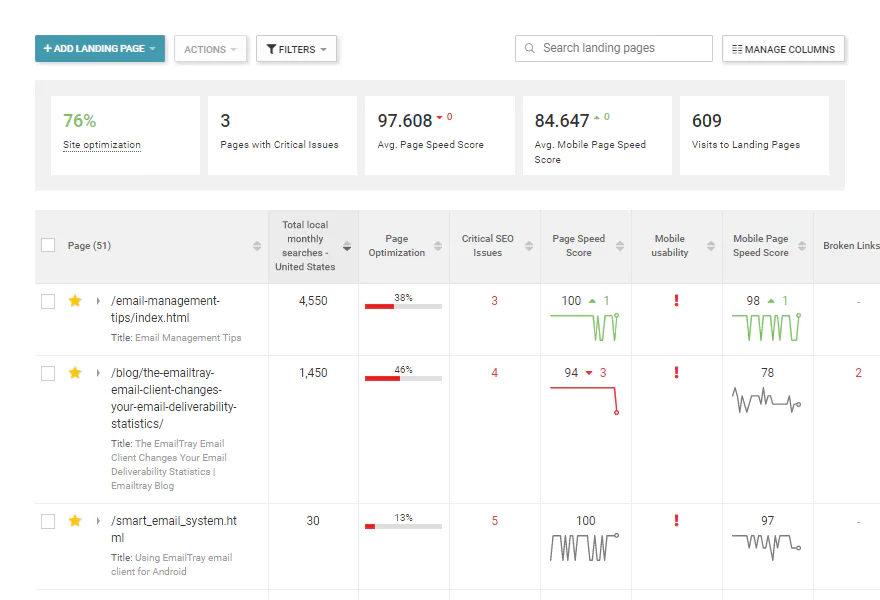
Generic keyword research won’t cut it for local search. Your audience is looking for solutions in their immediate vicinity. AI-powered tools can delve deeper, identifying long-tail, hyper-local keyword phrases that traditional methods might miss. Think beyond “plumber near me” to “emergency boiler repair [your neighborhood]” or “best coffee shop with WiFi [your city district]”. These tools can analyze local search queries, competitor content, and even social media discussions to uncover niche opportunities.
Once you have these hyper-local keywords, AI can assist in generating content ideas and even drafting initial content outlines or paragraphs. This might include blog posts about local events, community partnerships, or specific services tailored to local needs. However, a critical judgment call here is that AI-generated content for local purposes must be reviewed and refined by a human with genuine local knowledge. AI can provide the structure and initial text, but the nuance, authenticity, and specific local references that resonate with your audience come from you. Focus on creating valuable, locally relevant content that answers specific questions your community is asking.
What’s often overlooked in the rush to leverage AI is the hidden operational overhead. While AI can quickly generate initial drafts or keyword lists, the subsequent human review isn’t just a quick proofread. It demands a deep dive to ensure factual accuracy, cultural resonance, and alignment with the specific local community’s voice. This often takes more time than anticipated, creating a bottleneck if not properly accounted for in the workflow. The perceived efficiency of AI can quickly evaporate if teams underestimate the human effort required to transform raw AI output into genuinely valuable, locally authentic content.
Another common pitfall is misinterpreting the “hyper-local” data AI provides. AI excels at identifying patterns in search queries, but it lacks the nuanced understanding of intent that a local resident possesses. For instance, AI might identify a keyword like “family activities [your town],” but it won’t inherently know if the local community values outdoor adventures over indoor events, or if there are specific local traditions that should be highlighted. Relying solely on AI for content direction without this human layer of interpretive judgment can lead to content that is technically correct but emotionally flat or culturally tone-deaf.
For small to mid-sized teams, the temptation to scale AI-generated content rapidly can be strong, driven by the promise of increased output. However, this is precisely where many stumble. Prioritizing quantity over the meticulous human refinement necessary for local content is a mistake. It’s far more effective to produce a smaller volume of deeply localized, genuinely helpful content that truly resonates with the community than to flood the market with a high volume of lightly edited, generic pieces. Deprioritize the ambition to publish daily if it means sacrificing the human touch that makes local content effective. The long-term damage to authenticity and trust isn’t worth the short-term gain in content volume.
Streamlining Local Citation Management and Review Generation
Local citations – mentions of your business NAP across various online directories – are foundational. Inconsistent citations can confuse search engines and customers alike. AI tools can perform rapid audits of your existing citations, highlighting discrepancies and identifying directories where your business is missing. This allows your team to prioritize fixing errors and building new citations efficiently. Focus on the most prominent directories first, such as Yelp, Yellow Pages, and industry-specific platforms, before chasing every obscure listing. local SEO audit tools
Review generation is another area where AI can provide significant leverage. Beyond just responding to reviews, AI can help you identify optimal times and channels to solicit new reviews from satisfied customers. It can analyze customer feedback patterns to suggest improvements in your service that, in turn, lead to better reviews. Remember, the goal isn’t just more reviews, but more positive and detailed reviews that build trust and provide valuable social proof for potential local customers.
The initial AI audit for citations is a powerful diagnostic, but it’s crucial to understand that the remediation isn’t always automated. Correcting inconsistent NAP data across dozens of platforms often requires manual logins, form submissions, and direct communication with directory support. This hidden labor cost can quickly consume team bandwidth, especially if the initial inconsistencies are widespread. What seems like a quick fix on paper can become a multi-week project, leading to frustration and a perception that the “AI solution” didn’t deliver on its promise of full automation. The real value is in the targeted action, not the illusion of effortless cleanup.
Similarly, with review generation, the AI’s ability to identify optimal solicitation times is valuable, but it’s a tactical lever, not a strategic solution. A common pitfall is to over-index on asking for reviews without first internalizing and acting on the AI’s insights regarding service improvements. When teams prioritize the “ask” over the “fix,” they risk generating more reviews, but not necessarily better ones. This creates a downstream problem: a higher volume of lukewarm or critical feedback that then requires more time to respond to, potentially overshadowing genuinely positive experiences and diluting the overall social proof. The theory suggests a virtuous cycle; in practice, the “fix” often feels harder and gets delayed.
For small teams, a critical judgment call is knowing when to stop chasing perfection. While a comprehensive citation profile is ideal, the marginal benefit of pursuing every obscure local directory after the top 10-20 industry-relevant and high-authority platforms are consistent is often negligible. The time spent on these long-tail efforts could be far more effectively allocated to refining the core customer experience that naturally drives positive reviews, or to optimizing your Google Business Profile, which carries disproportionate weight. Deprioritize the exhaustive citation hunt; focus on impact over absolute completeness.
What to Deprioritize: Common Pitfalls and Wasted Effort
With limited time and budget, knowing what to deprioritize is as crucial as knowing what to do. Today, you should delay or skip the obsessive pursuit of every single local citation. While foundational citations are vital, after addressing the top ten to twenty most impactful directories, the returns diminish significantly. Your time is better spent on active GBP management, generating quality reviews, and creating hyper-local content.
Another common pitfall to avoid is an over-reliance on generic AI content generation without substantial human oversight. While AI is excellent for drafting, content that lacks genuine local flavor, specific details, or a human touch will fall flat and may even harm your brand’s authenticity. Always ensure a local expert reviews and refines AI-generated text. Similarly, for most small to mid-sized businesses, complex link building strategies for local SEO should be a lower priority than optimizing your GBP and on-page signals. Focus on local partnerships and community engagement for natural link acquisition rather than chasing high-volume, low-relevance links.
Measuring Local SEO Performance and Adapting
Effective local SEO isn’t a set-it-and-forget-it task. You need to continuously monitor your performance and adapt your strategies. Key metrics to track include direct searches, discovery searches, website visits, calls, and direction requests from your Google Business Profile insights. Beyond GBP, monitor your local rankings for target keywords and track website traffic originating from local search queries. AI-powered analytics tools can help consolidate this data from various sources, identifying trends and anomalies much faster than manual analysis.
Use these insights to make informed decisions. If a particular service isn’t getting local visibility, perhaps your GBP categories need adjustment, or you need more targeted content. If review sentiment dips, it signals an operational issue that needs addressing. The local market is dynamic, and your strategy must be too. Regularly review your competitor’s local presence and adjust your approach based on what’s working for them and where you see opportunities to differentiate. This iterative process of measurement and adaptation is what truly drives sustained local search success.



Leave a Comment