

Beyond Initial Adoption: What ‘Scaling AI’ Means for SMBs
For small to mid-sized businesses, scaling AI isn’t about adopting every new tool; it’s about strategically integrating AI into core operations to unlock tangible growth. This article cuts through the hype, offering a practitioner’s guide to prioritizing AI initiatives that deliver real value, optimize campaigns, and boost revenue, even with limited resources. You’ll gain clear judgment on where to invest your team’s effort and budget, and what to confidently set aside for now.
True AI scaling for an SMB moves beyond simply using a chatbot or a content generator. It means embedding AI into your workflows to enhance decision-making, automate repetitive tasks, and personalize customer experiences across your entire digital footprint. The goal is always measurable business outcomes: improved efficiency, higher conversion rates, and better customer retention, all while augmenting human capabilities rather than attempting to replace them.
Prioritizing AI Initiatives: High Impact, Low Friction
Given limited budgets and headcount, strategic prioritization is non-negotiable. Focus on initiatives that offer the highest impact with the least friction to implement.
Do First: Augment Existing Processes with AI-Powered Features
Leverage AI capabilities already built into the platforms you currently use. This minimizes integration headaches and speeds up adoption.
- Content Generation (Drafting & Ideation): Utilize AI tools to quickly generate blog post outlines, social media captions, email subject lines, or even first drafts of ad copy. This frees up your creative staff for strategy, refinement, and higher-value tasks.
- Customer Support (Tier 1 Automation): Implement AI chatbots for frequently asked questions (FAQs), order status inquiries, or basic troubleshooting. This significantly reduces your support team’s load and improves response times, enhancing customer satisfaction.
- Data Analysis & Reporting: Employ AI-powered analytics to identify trends, optimize ad spend, personalize product recommendations, or segment audiences more effectively. Many marketing and e-commerce platforms now include these features.

For instance, platforms like HubSpot offer AI assistants for sales emails and content suggestions, while Shopify provides AI for product descriptions and customer service bots. These embedded features are often the most pragmatic starting point.
Delay: Custom AI Model Development or Deep Integrations
Unless your business has a dedicated data science team, significant budget, and a very specific, unique problem that off-the-shelf solutions cannot address, building custom AI models from scratch or undertaking complex, multi-system AI integrations is a resource drain. The maintenance, training data requirements, and specialized expertise needed are typically beyond an SMB’s capacity and rarely deliver a proportionate return on investment.
Avoid: AI for AI’s Sake or Chasing Every Trend
Resist the urge to adopt every new generative AI tool or large language model (LLM) just because it’s new. Don’t implement AI without a clear problem it solves or a measurable Key Performance Indicator (KPI) it impacts. Evaluate each tool based on its practical application, ease of integration, and potential return on investment, not just its novelty.
Even when augmenting existing processes, the “low friction” promise can mask subtle, long-term costs. For instance, relying heavily on AI for content drafting can inadvertently dilute your brand’s unique voice over time. While AI excels at generating grammatically correct and structured text, it often struggles with nuance, specific brand personality, or truly original thought. The “refinement” task, initially seen as minor, can become a significant editorial burden if teams consistently find themselves rewriting large sections to inject authenticity, leading to frustration and a feeling that the AI isn’t truly saving time, but merely shifting the effort.
Similarly, implementing AI chatbots for Tier 1 customer support, while effective for simple FAQs, carries a hidden risk: customer frustration. If the chatbot is poorly trained, lacks sufficient scope, or fails to seamlessly hand off complex issues to a human, it can quickly become a barrier rather than a helper. Customers who feel stuck in an AI loop arrive at the human agent already annoyed, turning what could have been a quick resolution into a more emotionally charged interaction. This doesn’t just negate the efficiency gains; it adds pressure and stress to your human support team, increasing churn risk and potentially damaging brand perception.
Another common oversight is assuming that AI-powered data analysis automatically translates into actionable insights. While platforms can surface trends or optimization opportunities, the real friction often lies in the human capacity to understand, trust, and act on those recommendations. Teams might struggle to interpret complex AI outputs, question the underlying data quality, or lack the operational agility to implement the suggested changes. The initial ease of generating reports can quickly give way to decision paralysis or a lack of follow-through, rendering the “high impact” potential unrealized because the human element—judgment, trust, and execution—wasn’t adequately considered.
Integrating AI Across Your Digital Ecosystem
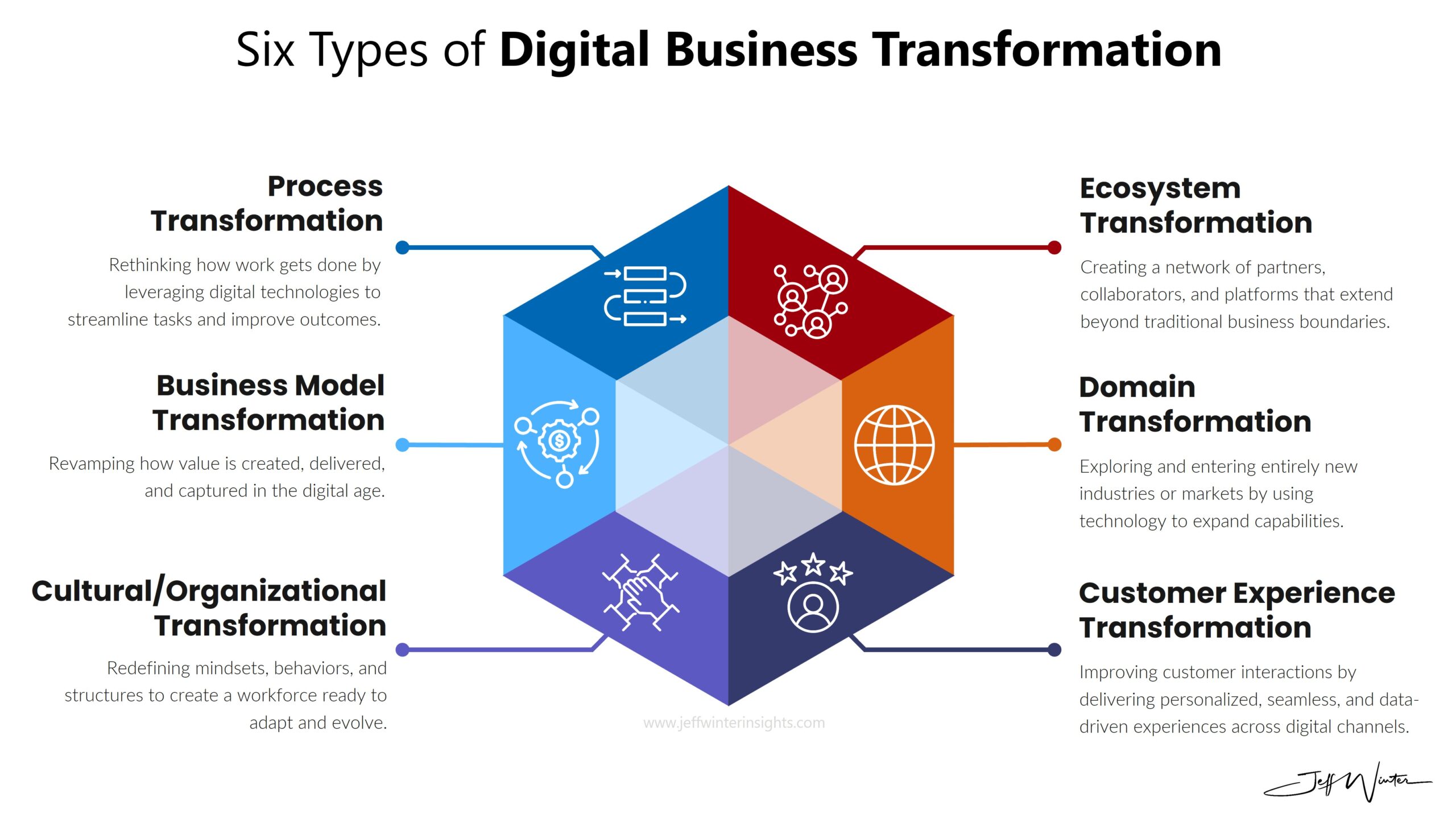
Holistic transformation means integrating AI where it can genuinely enhance your core business functions. Here’s where to focus:
- Marketing: AI can analyze customer data to deliver highly relevant content, product recommendations, and ad targeting. Tools can also assist with SEO and content optimization by identifying keyword gaps, analyzing competitor content, and suggesting improvements for higher search rankings. AI content optimization
- Sales: AI can prioritize leads based on engagement and fit, allowing sales teams to focus on the most promising prospects. It can also enrich CRM data automatically and generate personalized sales pitches or follow-up emails, improving sales efficiency.
- Customer Service: Beyond chatbots, AI can monitor customer feedback across channels through sentiment analysis to identify issues proactively. It can also help organize and retrieve information for both customers and support agents within your knowledge base.
- Operations: AI can automate repetitive data entry, streamline invoice processing, or improve inventory management tasks. It also enhances forecasting accuracy for sales, inventory, and resource planning, leading to better operational efficiency.
Building an AI-Ready Culture and Workflow
Successful AI integration isn’t just about technology; it’s about people and processes.
- Start Small, Iterate Fast: Implement AI in pilot projects, measure results rigorously, and scale successful initiatives. Avoid trying to transform everything at once.
- Train Your Team: AI is a tool to augment, not replace. Provide practical training on how to effectively use AI tools, prompt engineering, and how to integrate AI outputs into existing workflows.
- Data Quality is Paramount: AI models are only as good as the data they’re trained on. Prioritize clean, accurate, and well-structured data. This is often the biggest bottleneck and requires ongoing attention.
- Measure Everything: Define clear KPIs before implementing any AI initiative. Track efficiency gains, cost reductions, revenue increases, and customer satisfaction improvements to prove ROI. measuring marketing ROI
Strategic Deprioritization: What to Skip Today
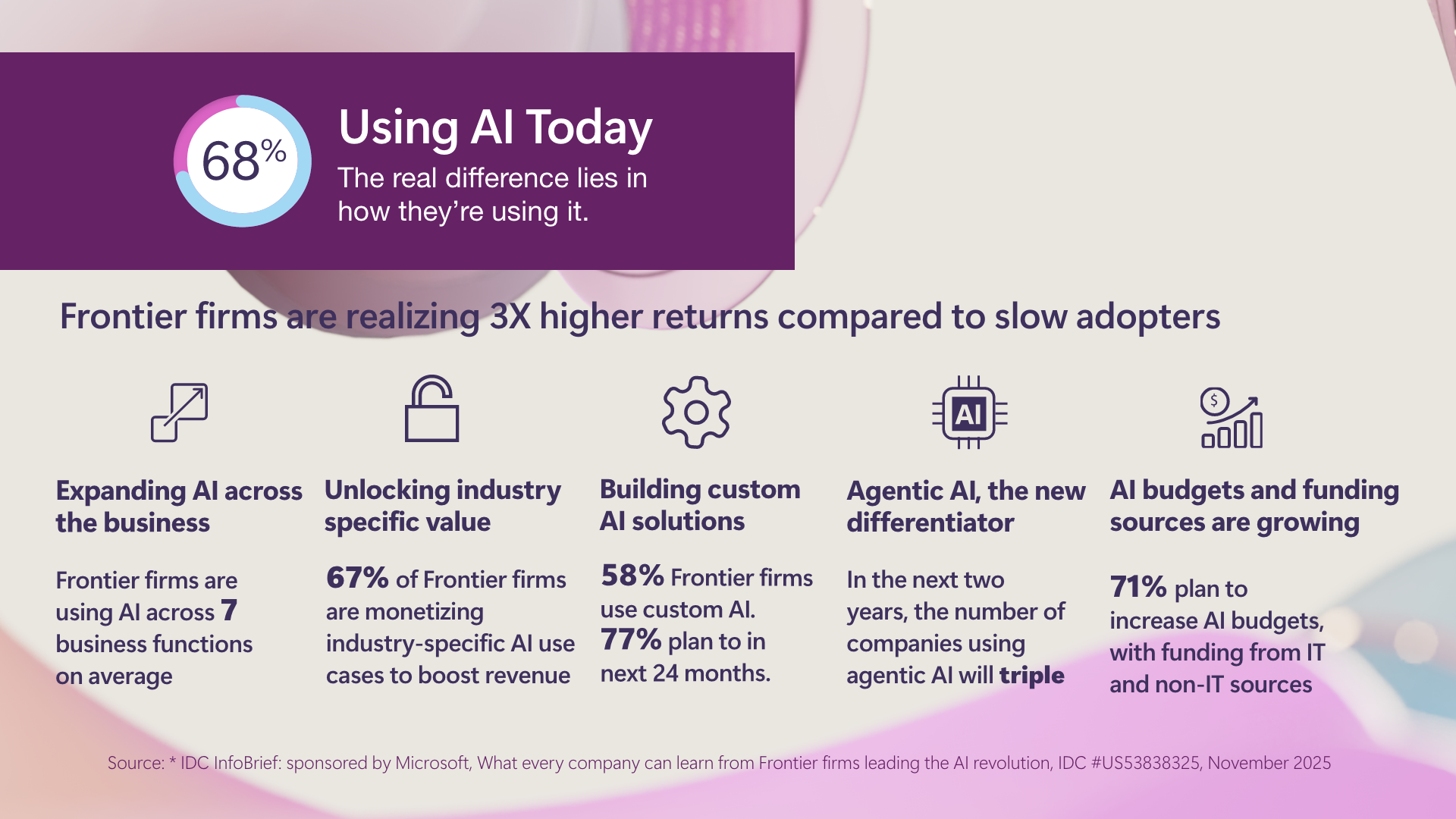
For most small to mid-sized businesses, deprioritize the development of bespoke, in-house AI solutions or the pursuit of highly specialized AI research projects. The cost in terms of expert personnel, infrastructure, and ongoing maintenance is prohibitive and rarely delivers a proportionate return compared to leveraging existing, proven AI capabilities. Instead, focus your limited resources on integrating AI features already embedded within your core business platforms (CRM, e-commerce, marketing automation) or adopting robust, off-the-shelf AI tools that solve specific, high-value problems. This pragmatic approach ensures you gain the benefits of AI without getting bogged down in the complexities of custom development, allowing your team to focus on execution and growth.
Moving Forward with Pragmatic AI Integration
The path to holistic digital transformation with AI is incremental, not revolutionary. Focus on practical applications that deliver clear ROI and empower your existing team. Regularly review your AI strategy, adapting as new tools emerge and your business needs evolve. Remember, AI is a powerful accelerator, but it requires human judgment and strategic oversight to truly transform your business.


Leave a Comment