

Navigating the AI Search Landscape
The shift towards AI-driven search isn’t a future trend; it’s the current reality. For small to mid-sized businesses, this means adapting your SEO strategy to ensure your content is not just found, but understood and prioritized by AI models. This guide cuts through the noise, offering practical steps to optimize your online presence, make smart trade-offs, and secure your visibility in the evolving search ecosystem.
By focusing on what truly matters, you’ll learn to prioritize efforts that yield tangible results, avoid common pitfalls that waste limited resources, and build a resilient SEO foundation that continues to perform as AI search capabilities advance. This isn’t about chasing every new tool, but about strategic, impactful adjustments.
Prioritizing Content Quality and E-E-A-T
In the age of AI search, Expertise, Experience, Authoritativeness, and Trustworthiness (E-E-A-T) are paramount. AI models are increasingly sophisticated at evaluating the credibility and depth of information. For SMBs, this means moving beyond keyword density to creating truly valuable, in-depth content that demonstrates real-world knowledge.
- Do This First: Focus on creating cornerstone content that deeply answers specific user questions within your niche. Showcase your team’s expertise through author bios, case studies, and customer testimonials. Ensure your content reflects actual experience, not just theoretical knowledge. Update existing content to add more depth, recent data, and clear attribution. Google Search Quality Rater Guidelines E-E-A-T
- Delay This: Producing a high volume of shallow, generic content purely for keyword targeting. AI is less likely to prioritize content that lacks genuine insight or a clear demonstration of E-E-A-T, regardless of keyword optimization.
While delaying shallow content seems straightforward, the temptation to chase short-term keyword wins can be strong. The hidden cost here isn’t just wasted effort; it’s the erosion of your brand’s perceived authority over time. Publishing content that merely scratches the surface, even if it ranks briefly, trains both search engines and users to view your site as a source of superficial information. Rebuilding that trust and demonstrating genuine E-E-A-T after a period of low-quality output is a significantly harder, more resource-intensive task than building it correctly from the start. This creates a content debt that compounds, making future efforts less effective. Similarly, the directive to “update existing content” often gets treated as a one-off project, but its true value lies in continuous maintenance. Overlooking this ongoing commitment can lead to a slow decay of your content’s E-E-A-T, subtly undermining your authority across the entire site as outdated information signals a lack of current knowledge and diligence.
A common pitfall in demonstrating E-E-A-T is the internal friction involved in extracting genuine expertise. It’s one thing to say “showcase your team’s expertise,” and another to get busy subject matter experts (SMEs) to dedicate time to content creation, reviews, or even detailed interviews. Marketing teams often face resistance or receive only high-level input, leading to content that states expertise rather than demonstrating it through specific examples, nuanced explanations, or practical advice. This gap between the theoretical ideal of E-E-A-T and the operational reality of content production can lead to frustration and content that falls short despite good intentions, forcing teams to make difficult trade-offs between depth and publishing velocity.
Structuring Content for AI Comprehension
AI models process information differently than traditional search algorithms. They look for clear, concise answers and well-organized data. This makes structured content and semantic markup more critical than ever for your content to be effectively understood and utilized by AI-powered search experiences.
- Do This First: Implement Schema markup (structured data) where relevant, especially for FAQs, products, services, local business information, and how-to guides. Use clear, descriptive headings (H2, H3) to break down complex topics. Include concise summary paragraphs or bulleted lists that directly answer common questions.
- Delay This: Over-complicating your site architecture with unnecessary subdomains or excessively deep navigation if it doesn’t serve a clear user or AI comprehension purpose. Focus on clarity and directness.
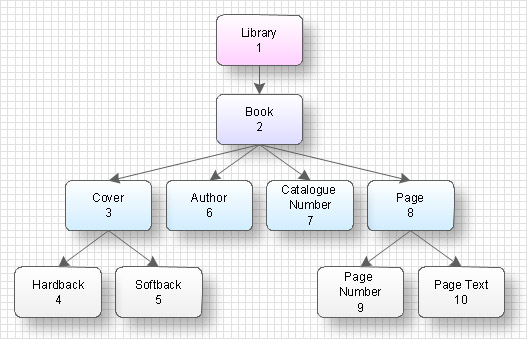
While the initial implementation of structured data is a clear priority, the ongoing maintenance often becomes a hidden cost and a significant operational challenge. As your business evolves—products are updated, services change, or FAQs are revised—the corresponding Schema markup must be kept meticulously current. Failing to do so means AI models might surface outdated or incorrect information, which can erode user trust and diminish the very comprehension you aimed to build. This isn’t a one-time setup; it’s a continuous operational task that demands consistent attention, easily deprioritized when other immediate demands arise.
Another common pitfall is to structure content so rigidly for AI that it inadvertently compromises the natural flow and readability for human users. While AI benefits from explicit structure, the primary audience remains the human reader. If the pursuit of AI-friendly formatting leads to repetitive phrasing, unnatural sentence structures, or an overly mechanical tone, it defeats the purpose of engaging content. The goal is clarity for both, not a sacrifice of one for the other; teams often feel pressure to “feed the algorithm,” but neglecting the human experience is a long-term detriment.
Practitioners also frequently grapple with the question of how much structured data is “enough.” The temptation to implement every possible Schema type can lead to analysis paralysis and wasted effort on low-impact areas. With limited resources, a more pragmatic approach is to prioritize the most impactful types—those that directly address core business offerings and common user queries, such as product, service, FAQ, or local business information. Trying to implement every niche Schema type across an entire site often results in incomplete or poorly maintained data, which is less effective than a focused, well-executed effort on key areas.
Technical SEO for AI Indexing and Understanding
While content quality is king, a solid technical foundation ensures AI can efficiently crawl, index, and understand your site. Technical SEO isn’t just about speed anymore; it’s about clarity for machine comprehension.
- Do This First: Ensure your site has excellent Core Web Vitals scores, indicating a fast, stable, and mobile-friendly user experience. Maintain a clean XML sitemap and a well-configured robots.txt file to guide AI crawlers. Address any broken links or duplicate content issues that could confuse AI models.
- Delay This: Obsessing over minor technical tweaks or obscure SEO factors if your core site speed, mobile responsiveness, and crawlability are not yet optimized. Prioritize foundational health over marginal gains.
Leveraging User Intent and Conversational Queries
AI search excels at understanding natural language and user intent. This means your content strategy must evolve beyond simple keywords to address the full spectrum of how users ask questions and seek information.
- Do This First: Research and create content that directly answers long-tail, conversational queries relevant to your products or services. Think about the questions your customers ask in real life. Develop comprehensive FAQ sections that provide direct, authoritative answers.
- Delay This: Solely targeting short, broad keywords that lack specific user intent. While these still have value, AI search often prioritizes content that directly addresses the nuance of a user’s query.
What to Deprioritize or Skip Today
For SMBs with limited resources, it’s crucial to make strategic cuts. Today, you should deprioritize or skip over-investing in speculative AI content generation tools without robust human oversight. While AI can assist with content creation, relying solely on unedited AI-generated text often results in generic, low E-E-A-T content that AI search models are increasingly designed to filter out. The cost of correcting or removing poor-quality AI content can quickly outweigh any perceived time savings. Instead, allocate resources to human-led content creation, editing, and E-E-A-T reinforcement.
Monitoring and Adapting Your Strategy
The AI search landscape is dynamic. Your strategy must be too. Regular monitoring and adaptation are key to sustained visibility.
- Do This First: Regularly review your Google Search Console data for insights into how AI is interpreting your content, including impressions for specific queries and featured snippet performance. Pay close attention to user engagement metrics (time on page, bounce rate) in your analytics, as these signal content quality to AI.
- Delay This: Relying solely on traditional keyword ranking reports as your primary measure of success. While still relevant, they don’t fully capture the nuances of AI-driven search, which often prioritizes direct answers and comprehensive understanding over simple keyword matches.



Leave a Comment