

Moving Beyond Vanity Metrics
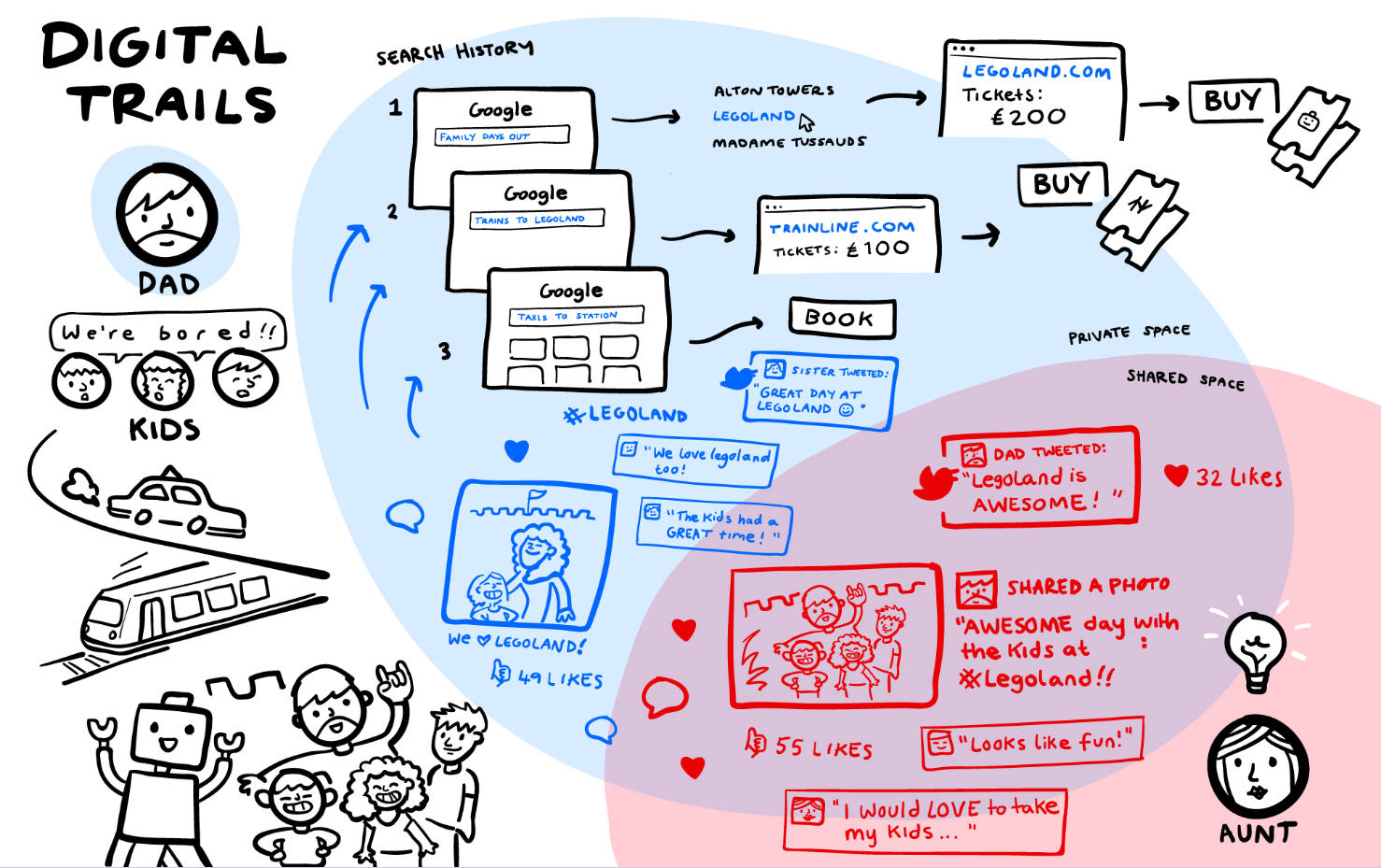
For small to mid-sized businesses, social media isn’t just about accumulating likes or follower counts. Those are vanity metrics. The real value lies in cultivating positive, meaningful experiences for your audience. This article cuts through the noise to focus on practical strategies that build genuine connections, foster loyalty, and ultimately drive business growth, even with limited budgets and team capacity. You’ll learn where to focus your efforts, what to strategically delay, and what common pitfalls to avoid to ensure your social media work actually contributes to your bottom line.
We’ll prioritize actionable steps that help you understand your audience’s needs, deliver consistent value, and manage interactions effectively. The goal is to transform your social channels from mere broadcasting platforms into spaces where your audience feels heard, valued, and connected to your brand.
Prioritizing Genuine Audience Understanding
Before you post another piece of content, truly understand who your audience is and, more importantly, what they need from you on social media. This goes beyond basic demographics. Dig into their pain points, their questions, their aspirations, and how your product or service genuinely solves a problem for them. What conversations are they already having? What information are they seeking? Use social listening tools, even basic ones, to monitor relevant keywords, competitor mentions, and industry discussions. This insight forms the bedrock of a positive experience.
- Listen Actively: Monitor comments, direct messages, and broader conversations related to your industry. Tools like Google Alerts or free social listening features within scheduling platforms can provide a starting point.
- Ask Directly: Use polls, Q&A stickers, and direct questions in your posts to invite feedback. Make it clear you’re listening.
- Map the Journey: Consider your customer’s journey and identify specific points where social media can offer support, information, or connection, rather than just promotion.
What often gets overlooked in practice is the difference between *collecting* audience data and *synthesizing* genuine understanding. Many teams diligently set up listening tools or run polls, ticking the box for “audience research.” The hidden cost emerges when this data isn’t deeply analyzed, debated, and translated into actionable content strategy. It leads to content that feels generic, still missing the specific nuance or emotional resonance that truly connects. The team expends effort, but the output still underperforms, creating a cycle of frustration where the *activity* of listening is present, but the *impact* is absent.
This superficial engagement has a significant delayed consequence. When content consistently misses the mark, even slightly, it erodes audience trust and attention over time. Initially, you might see some engagement, but it won’t build loyalty or drive meaningful action. The audience learns that your social channels are not a reliable source for their specific needs, making it exponentially harder to capture their attention later. This forces a reactive content strategy, constantly chasing trends or competitors, rather than building a sustainable, value-driven presence.
The pressure to maintain a consistent posting schedule often pushes teams to prioritize output over insight. It’s easier to create content based on assumptions or industry best practices than to invest the time in truly understanding a nuanced audience. This creates internal tension: the marketing team feels the pressure to “feed the beast” of social media, while the content itself struggles to gain traction. The theoretical ideal of “deep understanding” clashes with the operational reality of limited time and resources, often leading to a compromise that sacrifices depth for expediency.
Given these real-world constraints, a common pitfall to deprioritize is the pursuit of an exhaustive, multi-stage customer journey map for social media. While valuable in theory, for small to mid-sized teams, this can become an overwhelming, time-consuming exercise that delays action. Instead, focus on identifying 2-3 critical interaction points where your audience *clearly* needs support or information, and then build content specifically for those moments. Prioritize direct listening and asking over an academic mapping exercise; the goal is actionable insight, not a perfect diagram.
Delivering Consistent Value, Not Just Content
A positive social media experience is built on consistent value. This means every interaction, every post, should aim to inform, entertain, solve a problem, or build a connection. For SMBs, this often means focusing on utility over virality. Share practical tips, answer common questions, offer behind-the-scenes glimpses that humanize your brand, or provide resources that genuinely help your audience. This approach builds trust and positions your brand as a helpful resource, not just a seller.
- Educational Content: Short tutorials, how-to guides, or explanations of complex topics relevant to your niche.
- Problem-Solving Posts: Address common customer queries or challenges directly through your content.
- Community Engagement: Highlight user-generated content, run contests that foster participation, or simply engage in conversations unrelated to direct sales.
- Responsive Service: Treat social media as an extension of your customer service. Prompt, empathetic responses to inquiries and feedback are critical for a positive experience.
While the emphasis on consistent value is correct, its practical implementation often overlooks the sheer, ongoing resource commitment required. It’s easy to start strong, but maintaining a steady stream of genuinely useful, well-crafted content and responsive engagement is a continuous drain on limited team bandwidth. This isn’t a project with a clear end date; it’s an operational rhythm that, if not adequately resourced, can lead to content fatigue or a gradual dip in quality. The hidden cost isn’t just the initial effort, but the sustained investment needed to prevent the erosion of trust built through earlier successes.
Another common pitfall lies in the definition of ‘value’ itself. Teams often create content they *believe* is valuable, based on internal knowledge or assumptions, without truly validating it against audience needs. This can result in technically sound but ultimately unengaging posts that miss the mark because they don’t address the audience’s immediate problems or aren’t presented in an easily consumable format. The theory of ‘utility’ is simple, but its practical application demands deep empathy and continuous listening, not just broadcasting what you think people should know.
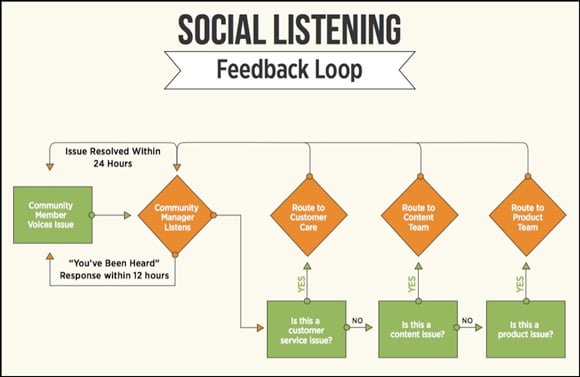
The ideal of ‘responsive service’ on social media is critical, but it’s also where many small teams face their toughest trade-offs. In the daily grind, when operational demands or sales priorities escalate, social media monitoring and timely responses are often the first things to suffer. This creates a frustrating disconnect for customers and can quickly undermine the trust built through other valuable content. For teams with limited headcount, trying to be equally responsive across every single social platform is a recipe for failure. A more pragmatic approach is to explicitly choose one or two primary channels where you *can* guarantee consistent, timely responses, and actively direct all customer service inquiries there. This means consciously deprioritizing or even ignoring direct messages and comments on less critical platforms, rather than attempting to do everything poorly.
What to Deprioritize and Why
For small to mid-sized teams operating with limited resources, the temptation to chase every trending platform or viral challenge is strong, but it’s a significant drain on capacity with often minimal return. Deprioritize trying to be “everywhere” or creating highly polished, expensive video content for every platform if you lack the dedicated resources. Instead, focus your efforts on one or two core platforms where your primary audience is most active and receptive. A deep, consistent presence on fewer channels, delivering genuine value and prompt responses, will yield far better results than a scattered, superficial presence across many. Avoid the trap of vanity metrics; a high follower count means little if those followers aren’t engaged or converting. Your time is better spent cultivating quality interactions than chasing fleeting trends or superficial numbers.
Fostering Real Community and Connection
Beyond individual interactions, aim to foster a sense of community. This means creating a space where your audience feels connected not just to your brand, but also to each other. Encourage discussions, create opportunities for user-generated content, and celebrate your customers. This builds a loyal base that advocates for your brand organically.
- Encourage User-Generated Content (UGC): Run campaigns asking users to share their experiences with your product/service using a specific hashtag. Feature their content (with permission).
- Host Q&A Sessions: Live sessions or dedicated posts where you answer audience questions directly.
- Create Niche Groups: If appropriate for your business, consider private groups (e.g., on Facebook or LinkedIn) where dedicated customers can connect and share.
Leveraging AI Pragmatically for Better Experiences
AI isn’t a silver bullet, but it can significantly enhance your ability to deliver positive social media experiences, especially for lean teams. Use AI tools to streamline repetitive tasks, gain insights, and personalize interactions without losing the human touch.
- Content Ideation: AI can help brainstorm relevant topics, headlines, and even draft initial content outlines based on your audience’s interests.
- Sentiment Analysis: Tools can help you quickly gauge the overall sentiment around your brand or specific posts, allowing you to identify and address negative experiences faster.
- Scheduling & Optimization: AI-powered schedulers can suggest optimal posting times for maximum reach and engagement, freeing up your team for direct interaction.
- Chatbot Support (with caveats): For common FAQs, a well-designed chatbot can provide instant answers, but ensure there’s always a clear path to a human agent for complex issues.
Remember, AI should augment your human efforts, not replace them. The most positive experiences still stem from genuine human connection and empathy. Use AI to make your team more efficient, allowing them to focus on those high-value, personal interactions.
AI tools for social media marketing
Measuring What Truly Matters
Shift your focus from vanity metrics to indicators that reflect positive audience experiences and business impact. Track metrics like:
- Response Rate and Time: How quickly and consistently are you addressing comments and messages?
- Sentiment: Are conversations around your brand generally positive, neutral, or negative?
- Customer Feedback: Direct feedback from surveys or social polls about their experience.
- Website Traffic/Conversions from Social: Are your social efforts driving people to your site and contributing to sales or leads?
- Repeat Engagement: Are the same people consistently interacting with your content and brand?
These metrics provide a clearer picture of whether your social media strategy is actually cultivating positive experiences and contributing to your business goals.
Sustaining Positive Interactions
Cultivating positive social media experiences is an ongoing commitment, not a one-time campaign. It requires continuous listening, adaptation, and a genuine desire to serve your audience. Regularly review your approach, solicit feedback, and be prepared to evolve as your audience’s needs and the social landscape change. Consistency in value delivery and responsiveness will build lasting relationships that transcend fleeting trends.


Leave a Comment