


Introduction: Navigating the Complexities of Social Media Brand Safety
In today’s dynamic digital environment, social media platforms are indispensable for business growth, offering unparalleled reach and engagement opportunities. However, this expansive reach comes with inherent risks to brand reputation and integrity. Brand safety on social media refers to the measures and strategies businesses implement to protect their brand from being associated with inappropriate, harmful, or irrelevant content, as well as safeguarding against reputational damage from negative interactions or misinformation.
For businesses leveraging social media for marketing, customer service, or community building, understanding and proactively managing brand safety is no longer optional; it is a critical component of a sustainable digital strategy. The consequences of brand safety failures can range from diminished consumer trust and reduced ad effectiveness to significant financial losses and long-term reputational harm. This article outlines what businesses need to know to build and maintain a robust brand safety framework.
The Evolving Landscape of Social Media Risk
The sheer volume and velocity of content generated on social media platforms present a continuous challenge for brand safety. User-generated content (UGC), while valuable for authenticity, can also introduce risks if not properly monitored. Misinformation, hate speech, explicit content, and fraudulent activities are persistent threats that can inadvertently appear alongside a brand’s advertisements or organic content, leading to negative brand associations.
Moreover, the rise of sophisticated AI-generated content, including deepfakes and synthetic media, adds new layers of complexity. These technologies can be misused to create highly convincing but false narratives or imagery, posing significant risks for brand impersonation or the spread of damaging content. Businesses must remain vigilant, adapting their strategies to counter these evolving threats and protect their digital presence.
Core Pillars of a Robust Brand Safety Strategy
Effective brand safety relies on several foundational pillars. First, comprehensive content moderation is paramount. This involves both proactive measures, such as setting strict guidelines for user-generated content and ad placements, and reactive measures, like quickly identifying and removing harmful content. Leveraging a combination of human review and AI-powered tools can significantly enhance moderation capabilities.
Second, precise audience targeting and exclusion are crucial. Businesses must ensure their ads are not displayed to inappropriate demographics or within contexts that could be detrimental. This includes utilizing platform-specific targeting options to exclude sensitive content categories or specific keywords. Third, adherence to platform policies and regulatory compliance is non-negotiable. Each social media platform has its own set of rules regarding content and advertising, and staying compliant helps mitigate risks and maintain good standing.
- Content Moderation: Proactive guidelines and reactive removal processes.
- Audience Targeting: Granular control over ad placement and exclusions.
- Platform Compliance: Adherence to specific social media policies and regulations.
Leveraging Technology for Enhanced Brand Safety
In the current digital age, technology plays a pivotal role in scaling brand safety efforts. AI-powered content moderation tools can analyze vast amounts of data, identifying and flagging problematic content far more rapidly than human teams alone. These tools can detect offensive language, visual cues, and even nuanced sentiment, providing an early warning system for potential issues.
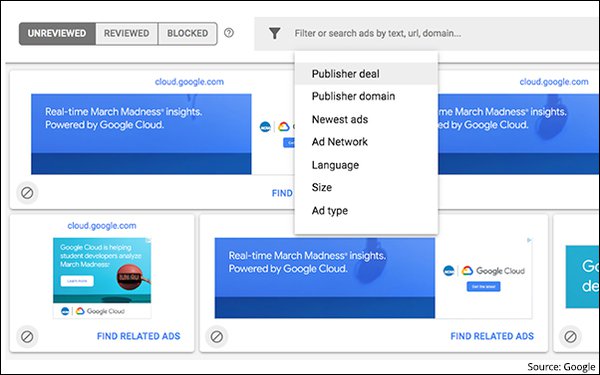
Beyond content moderation, technologies like sentiment analysis help businesses understand public perception and quickly identify negative trends or emerging crises. Ad verification and fraud detection technologies are also essential, ensuring that advertising spend is not wasted on bot traffic or placed on unsafe websites or apps within social media networks. Integrating these tools into a unified brand safety dashboard provides a holistic view and actionable insights.
Crisis Management and Reputation Protection
Despite robust preventative measures, crises can still occur. Therefore, having a well-defined crisis management plan is essential for brand safety. This plan should include continuous social listening and monitoring to detect mentions, sentiment shifts, and potential issues in real-time. Tools that track keywords, hashtags, and brand mentions across platforms are invaluable.
A rapid response protocol is equally critical. This involves clearly defined roles, communication templates, and decision-making frameworks to address negative incidents swiftly and effectively. Transparent and empathetic communication with stakeholders, including customers and the public, can significantly mitigate damage during a crisis. Post-crisis analysis is also vital for learning and refining future strategies.
- Real-time Monitoring: Track brand mentions and sentiment.
- Rapid Response: Pre-defined protocols for swift action.
- Transparent Communication: Engage stakeholders openly during crises.
Building a Culture of Brand Safety
Brand safety is not solely the responsibility of a single department; it requires a company-wide commitment. Establishing clear internal guidelines and providing regular training for all employees involved in social media activities, from marketing to customer service, is fundamental. This ensures everyone understands their role in upholding brand values and safety standards.
Cross-functional collaboration between legal, marketing, PR, and IT departments is also crucial for a holistic approach. Regular audits of social media presence, ad placements, and content moderation effectiveness help identify gaps and areas for improvement. By fostering a proactive culture that prioritizes brand safety, businesses can build resilience and trust in an ever-changing digital landscape.
Navigating Future Challenges and Opportunities
The social media landscape is in constant flux, with new platforms, technologies, and user behaviors emerging regularly. Businesses must remain agile and adaptable, continuously monitoring industry trends and updating their brand safety strategies. The metaverse, for instance, presents new frontiers for brand interaction and, consequently, new dimensions of brand safety concerns related to virtual identity, content, and experiences.
Proactive adaptation to these changes, coupled with a commitment to ethical AI use and responsible data practices, will be key to long-term success. By embracing innovation while maintaining a vigilant stance on brand protection, businesses can not only mitigate risks but also leverage social media as a powerful, safe, and effective tool for growth and engagement well into the future.


Leave a Comment