


Unlocking Practical AI for Social Media Success
For small to mid-sized businesses, the influx of AI features in social media platforms isn’t just a trend; it’s a practical opportunity to stretch limited resources and amplify impact. This guide cuts through the noise, focusing on actionable strategies to integrate AI into your social media efforts, helping you make smarter decisions, optimize campaigns, and drive tangible growth without needing a dedicated AI team.
You’ll gain clear insights into which AI tools offer the most immediate value for content creation, audience targeting, and performance analysis, ensuring you invest your time and budget where it counts most.
Prioritizing AI for Content Creation and Optimization
The most immediate and impactful application of AI for SMBs in social media today is in content generation and optimization. Forget staring at a blank screen; AI tools can significantly reduce the time and effort required to produce engaging posts, ad copy, and even visual concepts.
- AI-Powered Copywriting: Leverage generative AI to draft social media posts, headlines, and ad copy. These tools can quickly produce multiple variations based on your input, saving hours of brainstorming. While human review is non-negotiable for brand voice and accuracy, AI provides a strong starting point.
- Visual Content Generation: Many platforms and third-party tools now offer AI capabilities to generate image ideas, create basic graphics, or even suggest visual styles that align with your text. This is particularly useful for teams without dedicated graphic designers.
- Content Scheduling & Best Time Analysis: AI-driven scheduling tools can analyze your past performance and audience activity to recommend optimal posting times, ensuring your content reaches the most people when they’re most engaged. This moves beyond simple guesswork to data-backed timing.

Focus on tools that integrate directly with your existing social media management platforms or offer straightforward export options. The goal here is efficiency, not complexity.
However, the immediate gains in speed often mask deeper, less obvious challenges. While AI can draft copy quickly, an over-reliance without rigorous human oversight risks diluting your brand’s unique voice over time. What starts as a time-saver can subtly lead to generic content that lacks personality, making it harder to stand out and connect authentically with your audience. The “human review” step, critical as it is, often gets rushed when teams are under pressure, turning a safeguard into a perfunctory check.
Similarly, AI-generated visuals, while convenient for basic needs, can lead to a “good enough” trap. These tools excel at functional imagery but often struggle with the nuanced creative direction or strategic depth required to truly differentiate a brand visually. The result can be a visual sameness across platforms, where everyone’s AI-assisted content begins to blend together. Moreover, extracting truly valuable output from these tools, whether for text or visuals, demands a significant, ongoing investment in prompt engineering and iterative refinement—a hidden operational cost that can negate initial efficiency gains if not properly resourced.
Even AI-driven scheduling, which promises optimal timing, often collides with the messy realities of real-world operations. Urgent announcements, real-time events, or simply the limited availability of team members frequently necessitate deviations from the AI’s ideal schedule. This creates a persistent friction: teams either override the AI, feeling they’re sacrificing potential reach, or they stretch their resources to conform, leading to stress and rushed execution. The theoretical optimal often gives way to practical constraints, forcing difficult trade-offs that are rarely straightforward.
Smarter Audience Engagement and Ad Performance
Beyond content, AI is transforming how SMBs understand and engage with their audience, as well as how they optimize their paid social campaigns. These features allow for more precise targeting and better return on ad spend.
- Audience Segmentation & Insights: Social platforms are increasingly using AI to help brands understand their audience demographics, interests, and behaviors. Utilize these insights to refine your targeting for both organic content and paid ads. This means less wasted ad spend and more relevant content for your followers.
- Automated Ad Creative Optimization: AI can analyze the performance of different ad creatives (images, videos, copy) and automatically prioritize the best-performing combinations. This iterative optimization process happens in real-time, allowing your campaigns to adapt and improve without constant manual intervention. For instance, platforms can test multiple headlines or calls-to-action to identify what resonates most.
- Sentiment Analysis (Basic): While advanced sentiment analysis requires specialized tools, many social listening platforms now offer basic AI-driven sentiment tracking. This can help you quickly gauge the overall public perception of your brand or specific campaigns, allowing for timely adjustments.
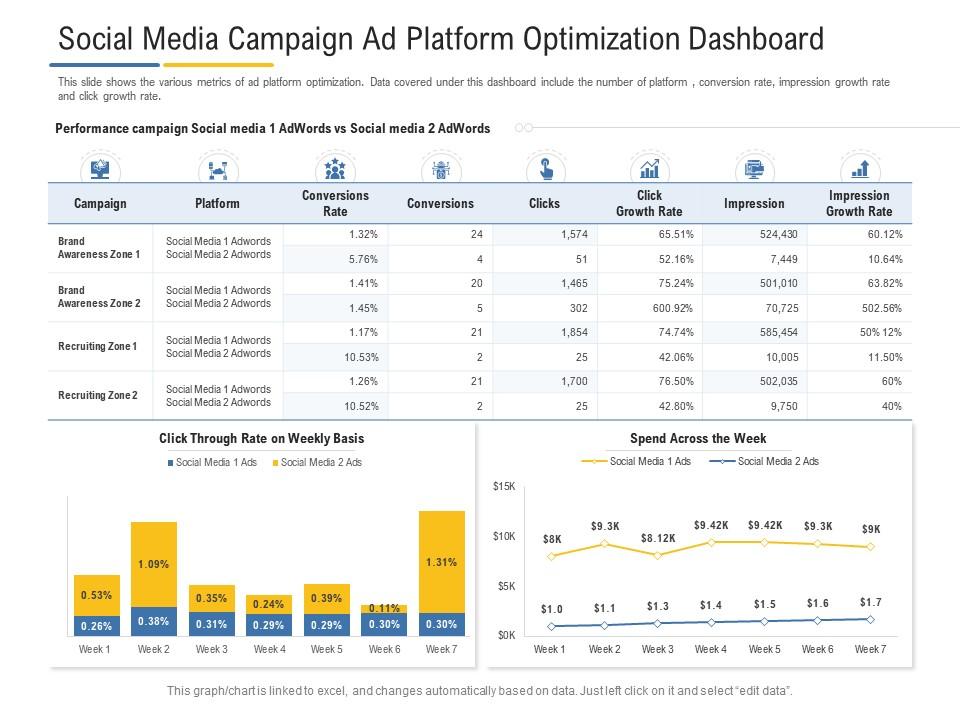
For SMBs, the key is to use these AI features to make your existing ad budget work harder. Don’t chase every new feature; instead, focus on those that directly impact your ability to reach the right people with the right message.
While automated ad creative optimization promises efficiency, a common pitfall is the subtle erosion of creative diversity. Teams can become overly reliant on the AI to simply ‘find what works,’ leading to a narrow range of successful ad formats or messaging. This isn’t just about creative boredom; it’s a downstream effect where audiences experience fatigue, and the brand’s voice might inadvertently become diluted as the algorithm prioritizes immediate clicks over long-term brand building or differentiation. The human element of strategic creative development, which often involves taking calculated risks, can get sidelined.
Similarly, the insights generated by AI for audience segmentation or sentiment analysis often present a ‘what’ without the ‘why.’ The platform might identify a high-performing segment or a shift in sentiment, but it rarely explains the underlying psychological drivers or cultural nuances. This opacity can be frustrating, as it limits a team’s ability to translate these data points into broader strategic learning or to apply insights beyond the specific platform. Without understanding the ‘why,’ teams risk misinterpreting correlations as causation, leading to flawed strategic pivots or a feeling of being driven by an algorithm rather than true customer understanding.
Moreover, the promise of ‘automated’ processes can mask significant operational overhead. While AI reduces manual execution, it shifts the human effort towards oversight, data quality assurance, and strategic interpretation. Teams still need to define clear objectives, provide a continuous stream of diverse creative inputs for the AI to test, and actively monitor for anomalies or unintended optimization outcomes. The temptation to ‘set it and forget it’ is strong, but it’s a non-obvious failure mode that can lead to the AI optimizing for a local maximum, or worse, driving spend towards irrelevant objectives if initial parameters or ongoing inputs are not carefully managed. This requires a different kind of vigilance, often overlooked in the initial excitement of automation.
What to Deprioritize (and Why)
While AI offers significant advantages, not every emerging feature is a priority for small to mid-sized businesses with limited resources. Currently, you should deprioritize or approach with caution:
- Fully Autonomous AI Content Publishing: While AI can draft content, allowing it to publish without human review is risky. Brand voice, factual accuracy, and nuanced messaging still require human oversight to avoid missteps that can damage reputation. The potential for error outweighs the marginal time savings for most SMBs.
- Complex Predictive Analytics for Trend Spotting: While fascinating, highly advanced AI models for predicting future social media trends often require significant data volume and specialized expertise to interpret effectively. For SMBs, focusing on current performance metrics and platform-provided insights offers more immediate and actionable value. Investing in these complex tools prematurely can divert resources from more impactful, foundational AI applications.
- Overly Sophisticated AI Chatbots for Customer Service: Basic AI chatbots for FAQs are valuable. However, implementing highly sophisticated, fully AI-driven customer service chatbots that handle complex queries can be resource-intensive to set up, train, and maintain. For SMBs, a hybrid approach where AI handles initial queries and seamlessly escalates to human agents for complex issues is often more practical and cost-effective. AI chatbot best practices for small business
The pragmatic approach is to leverage AI for efficiency and targeted improvements, not to replace human judgment or chase every bleeding-edge technology that offers diminishing returns for your operational scale.
Integrating AI into Your Workflow
Successfully integrating AI into your social media strategy isn’t about overhauling everything; it’s about strategic adoption. Start by identifying your biggest pain points – is it content creation time, ad performance, or audience understanding?
- Start Small: Pick one or two AI features that directly address a current challenge. For example, use AI for drafting five social media posts a week, or for optimizing one specific ad campaign.
- Iterate and Learn: Monitor the performance of your AI-assisted efforts. What works well? What needs human refinement? Use these insights to adjust your approach. AI is a tool; its effectiveness depends on how you wield it.
- Train Your Team: Even basic AI tools require some understanding. Provide quick training sessions for your team on how to use these new features effectively and how to critically review AI-generated outputs.
- Leverage Platform-Native AI: Many social media platforms are integrating AI directly into their dashboards. Prioritize using these built-in features first, as they are often optimized for the platform’s ecosystem and require less setup. Google Ads AI features
By focusing on practical applications and maintaining human oversight, SMBs can effectively harness the power of AI to drive growth and stay competitive in the evolving social media landscape.


2 Comments