


Introduction
Navigating social media today means more than just posting content; it means actively managing potential risks that can damage your brand and alienate your audience. For small to mid-sized teams with limited resources, the challenge isn’t just identifying these risks, but knowing which ones to prioritize and how to address them without overextending your budget or headcount.
This article cuts through the noise to offer a practitioner’s guide to mitigating social media risks. We’ll focus on actionable steps you can implement now, what foundational elements deliver the most impact, and what sophisticated, resource-heavy approaches you can safely deprioritize until your operations scale.
Understanding the Landscape of Social Media Risks
Before you can mitigate risks, you need to understand their nature. For SMBs, the most common social media risks fall into a few key categories:
- Reputational Damage: Negative comments, viral misinformation, or inappropriate content from your brand can quickly erode trust.
- Data Privacy Breaches: Accidental sharing of sensitive information, platform vulnerabilities, or non-compliance with data regulations can lead to legal issues and loss of customer confidence.
- Compliance Issues: Advertising standards, user data handling, and industry-specific regulations (e.g., healthcare, finance) must be adhered to.
- Operational Inefficiencies: A lack of clear processes can lead to wasted time, inconsistent messaging, and delayed responses to critical issues.
- Security Vulnerabilities: Account takeovers, phishing attempts, or unauthorized access can compromise your brand’s presence.
What often goes unstated, however, are the downstream effects and the human toll these risks exact. Beyond the immediate financial or reputational hit, a constant state of vigilance and reactive firefighting drains team morale and productivity. The cumulative stress of managing potential crises, responding to negative sentiment, or dealing with security incidents can lead to burnout, high turnover, and a pervasive sense of anxiety within the team. This isn’t just about lost time; it’s about the erosion of focus on proactive growth initiatives as resources are continually diverted to patch holes.
Another frequently overlooked aspect is the dynamic nature of the social media landscape itself. Compliance isn’t a static checklist; platform algorithms, advertising policies, and data privacy regulations are in constant flux. What was permissible last quarter might be a violation today. For small teams, dedicating consistent resources to monitor these changes, interpret their implications, and update internal protocols is a significant, often unbudgeted, overhead. The risk here isn’t just intentional non-compliance, but accidental missteps born from a lack of bandwidth to stay current.
Finally, the internal friction generated by differing risk appetites across departments can be a silent killer of agility. Marketing might prioritize engagement and reach, while legal or IT focuses on strict adherence and security. This creates decision pressure and often leads to paralysis, where critical responses are delayed, or innovative campaigns are shelved due to an inability to align on an acceptable level of risk. While it’s crucial to acknowledge these internal tensions, teams should deprioritize attempts to achieve perfect, unanimous consensus on every social media decision. Instead, focus on establishing clear lines of authority for rapid response and predefined guardrails, accepting that some level of internal disagreement is inevitable and trying to eliminate it entirely will only slow you down further.
Prioritizing Your Defenses: What to Tackle First
With limited resources, focus on high-impact, foundational steps:
Establish Clear Social Media Policies
This is non-negotiable. Define who can post, what content is acceptable, your brand’s tone of voice, and approval processes. A simple, internal document is enough to prevent ad-hoc decisions and ensure consistency across your team. This policy should cover everything from content creation to crisis response protocols.
Implement Basic Monitoring and Listening
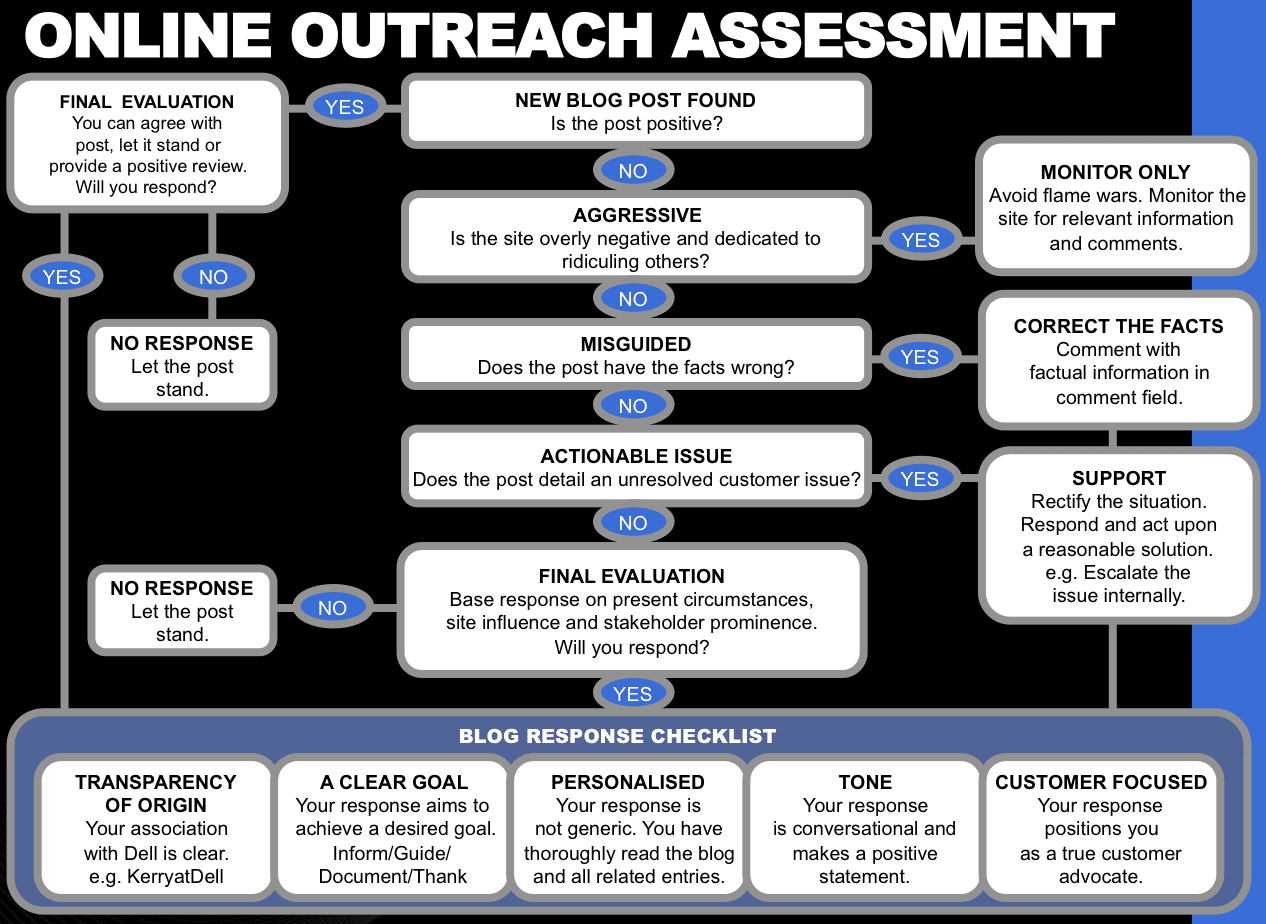
You don’t need expensive tools initially. Set up Google Alerts for your brand name, regularly check mentions on key platforms (e.g., X, Instagram, LinkedIn), and monitor relevant hashtags. This helps you catch issues early, before they escalate into full-blown crises.
Develop a Simplified Crisis Communication Plan
Even a one-page outline is better than nothing. Identify who is the primary contact for social media issues, what’s the internal escalation path, and what’s the initial holding statement for common scenarios. This plan reduces panic and ensures a coordinated, timely response when an incident occurs.
What often gets overlooked is the operational gap between creating these defenses and making them truly effective. A social media policy, for instance, is only as good as its adoption. It’s easy to draft a document, but ensuring every team member understands it, internalizes it, and consistently applies it under the daily pressure of content creation or customer interaction is a different challenge. Without clear, accessible guidelines and a culture that reinforces their importance, teams will inevitably make ad-hoc decisions, leading to inconsistencies that slowly erode brand trust over time.
Similarly, basic monitoring, while essential, carries a hidden cost: human fatigue. Manually sifting through mentions and hashtags is tedious work. When resources are stretched, this task is often the first to be deprioritized or rushed, creating blind spots. The initial intent to “catch issues early” then falters because the mechanism relies on consistent, diligent human effort, which is difficult to sustain. This delay in detection can turn a minor issue into a significant problem, demanding far more resources to resolve than if it had been caught promptly.
Finally, a simplified crisis communication plan is a critical starting point, but it’s a “paper plan” until it’s internalized and, ideally, lightly rehearsed. The theory of having a primary contact and a holding statement is sound, but in the heat of a real incident, decision pressure can lead to panic or paralysis. If the team hasn’t walked through potential scenarios, even informally, the plan’s structure can collapse, resulting in a fragmented or delayed response. The downstream effect is not just a fumbled public statement, but a loss of internal confidence and a prolonged period of damage control that could have been mitigated with better preparation.
What to Delay or Deprioritize (and Why)
For most small to mid-sized businesses, immediately investing in advanced AI-driven sentiment analysis platforms, comprehensive legal audits of every social media interaction, or large-scale, multi-agency influencer vetting programs is a misallocation of resources. These tools and processes are often complex, expensive, and require dedicated personnel to manage effectively. Your immediate focus should be on establishing robust internal policies, basic monitoring, and a clear, actionable crisis framework. Without these foundational elements, even the most sophisticated tools will struggle to deliver value, becoming an operational burden rather than a solution.
Practical Safeguards for Day-to-Day Operations
Once your foundational policies are in place, integrate these safeguards into your daily workflow:
- Access Control and Training: Limit who has access to social media accounts. Use strong, unique passwords and two-factor authentication. Crucially, train all authorized personnel on your social media policy, brand guidelines, and basic risk awareness.
- Content Review Process: Before anything goes live, have at least one other person review the content. This simple step catches typos, factual errors, and tone missteps that could lead to bigger problems.
- Community Management Guidelines: Define how your team should engage with comments, direct messages, and reviews. When to respond, when to escalate, and when to ignore. Consistency builds trust and prevents miscommunication.
Responding to Incidents: A Pragmatic Approach
When an incident occurs, your response can define its impact:
- Act Fast, Assess Calmly: Speed matters, but don’t react impulsively. Take a moment to understand the situation, its potential impact, and verify facts before responding.
- Transparency and Empathy: If a mistake was made, acknowledge it. Apologize sincerely if appropriate. Show that you understand the audience’s concerns. Avoid defensive or overly corporate language.
- Internal Communication: Keep relevant internal stakeholders informed. This includes leadership, legal (if necessary), and customer service. Ensure everyone is on the same page and speaking with a unified voice.
- Learn and Adapt: After an incident, conduct a post-mortem. What went wrong? How can you prevent it next time? Update your policies and training accordingly.
Building Resilience, Not Just Reacting
Social media risk management isn’t a one-time setup; it’s an ongoing process. Regularly review your policies, train your team, and stay informed about platform changes and emerging risks. Consider a yearly audit of your social media presence and practices to identify new vulnerabilities and ensure your safeguards remain effective. social media audit checklist This proactive approach builds long-term brand resilience. Understanding current data privacy expectations is also crucial for compliance and building trust. data privacy regulations

Leave a Comment