

Turning Social Engagement into Revenue
For small to mid-sized businesses, the goal of social media isn’t just brand awareness or engagement anymore; it’s about direct revenue. This article cuts through the noise to provide a pragmatic roadmap for integrating social commerce into your marketing strategy. You’ll gain actionable insights on prioritizing channels, building effective purchase paths, and understanding what truly drives sales, all while operating with limited budgets and headcount.
We’ll focus on practical steps you can implement today to convert social interactions into tangible sales, ensuring your efforts yield measurable business growth rather than just vanity metrics.
Why Social Commerce Isn’t Just for Big Brands (and What It Is)
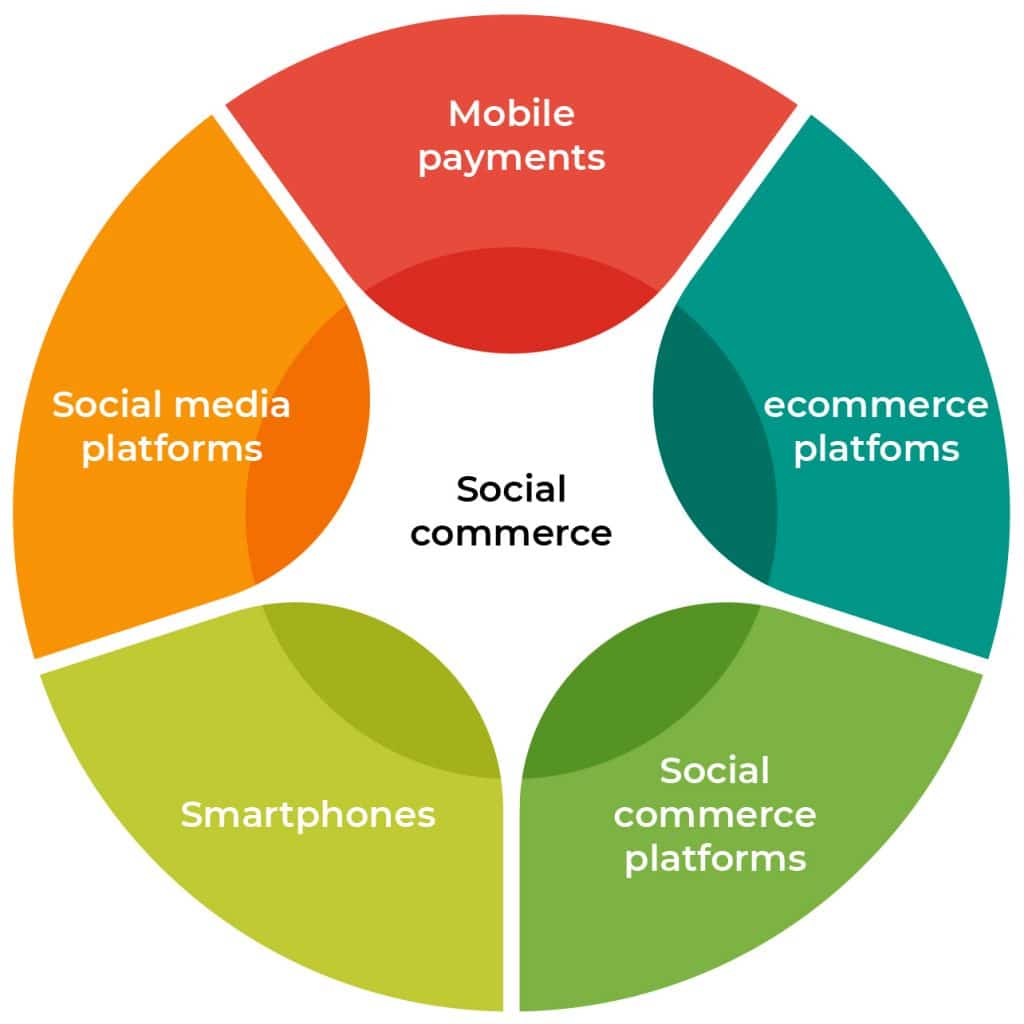
Social commerce, at its core, is about shortening the path from product discovery to purchase directly within social media platforms. It’s not a futuristic concept; it’s a current reality that allows customers to buy without ever leaving their preferred social app. For SMBs, this means bypassing traditional e-commerce hurdles and meeting customers where they already spend their time.
Our experience shows that this direct approach is crucial for businesses with limited marketing budgets. It reduces friction, capitalizes on impulse buys, and leverages the trust and community built on social platforms. Think shoppable posts, in-app checkout, and live shopping events – these are the tools currently available to turn browsers into buyers.
What’s often overlooked, however, are the operational realities once the initial setup is complete. While social commerce simplifies the customer’s journey, it can complicate the seller’s backend. Managing inventory across multiple platforms, reconciling sales data, handling customer service inquiries that originate within the social app, and processing returns all require dedicated attention. For lean SMB teams, this isn’t just an “extra task”; it’s a significant drain on resources that can quickly negate the perceived efficiency gains if not properly accounted for.
Furthermore, the convenience of in-app purchases comes with a subtle but critical trade-off: a potential dilution of your direct customer relationship and data ownership. When transactions occur entirely within a social platform, the direct connection to your customer, which is vital for long-term loyalty and personalized marketing, can become fragmented. You gain immediate sales, but you might lose valuable first-party data that informs future product development, marketing segmentation, and customer lifecycle management. This isn’t always apparent until you try to analyze customer behavior beyond the platform’s native analytics.
There’s also the human element of pressure. The theory suggests social commerce is a straightforward path to sales, but in practice, it often translates into an expectation for constant, high-quality, shoppable content. Teams can feel immense pressure to keep up with platform algorithm changes, new feature rollouts, and the ever-present need to “go live” or create viral content. This constant content treadmill can lead to burnout and a focus on chasing trends rather than building sustainable, authentic engagement, ultimately undermining the very trust social platforms are supposed to leverage.
Prioritizing Your Social Commerce Channels
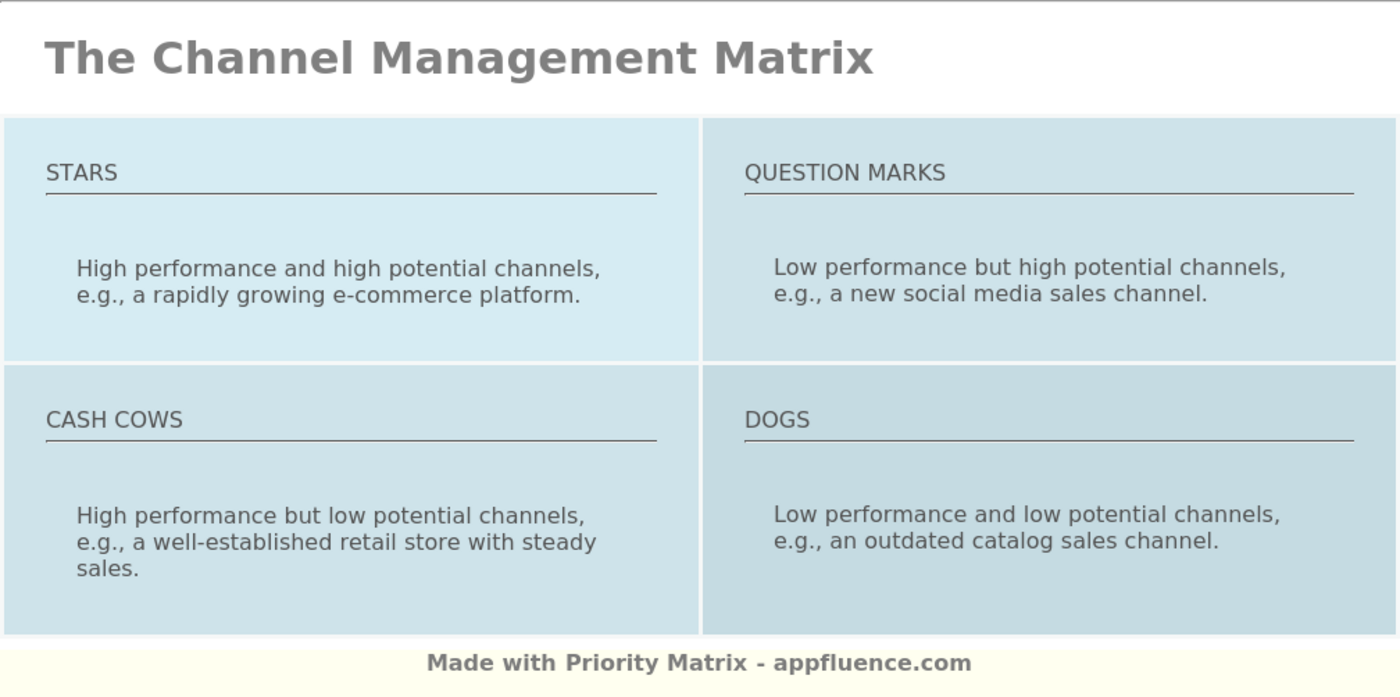
The biggest mistake small teams make is trying to be everywhere. With limited resources, you must be strategic. The first step is to identify where your target audience is most active and, critically, which platforms offer the most robust and user-friendly social commerce features for your specific products.
- Instagram & Facebook Shops: Still dominant for visual products. Their integrated Shops features, product tagging, and direct checkout capabilities are mature and widely adopted. If your products are highly visual, start here.
- TikTok Shop: Rapidly growing, especially for impulse purchases and products that lend themselves to short-form video demonstrations. If your audience is younger or your products are highly engaging visually, TikTok Shop offers significant potential as of 2026.
- Pinterest Shopping: Excellent for discovery and inspiration-driven purchases, particularly in home goods, fashion, and DIY. Its visual search and shoppable pins are powerful for specific niches.
Don’t spread yourself thin. Pick one or two platforms where your audience is most engaged and the platform’s commerce tools align best with your product type. Master those before considering expansion.
What often gets overlooked in the push to “master” one or two platforms is the hidden cost of continuous adaptation. Social commerce platforms are not static; their algorithms, features, and even their core user experience evolve constantly. What constitutes “mastery” today might be obsolete in six months, forcing small teams to re-invest time and effort into learning new best practices, troubleshooting unexpected changes, and re-optimizing their approach. This isn’t a one-time setup; it’s an ongoing operational burden that can quickly consume limited bandwidth, leading to a feeling of constantly chasing a moving target rather than building sustainable momentum.
Another common pitfall lies in the definition of “robust and user-friendly features.” While platforms may offer excellent front-end tools for customers, the backend integration for businesses is a different story. Connecting product catalogs, managing inventory syncs, processing orders, handling returns, and integrating with existing CRM or fulfillment systems can be far more complex and resource-intensive than initially perceived. A seemingly simple direct checkout feature on the platform can quickly become an operational nightmare if it doesn’t seamlessly communicate with your existing business infrastructure, leading to manual workarounds, data discrepancies, and frustrated customers.
Finally, the decision to “pick one or two” often faces internal and external pressure that’s easy to underestimate. Teams frequently feel compelled to experiment with every new, trending platform, not always because it’s a strategic fit, but due to fear of missing out, competitor activity, or internal directives. This pressure can lead to a gradual, unplanned expansion into too many channels, diluting focus and preventing true mastery of any single one. The short-term relief of “being there” often outweighs the long-term operational drag and diminished returns, creating a cycle of superficial presence rather than impactful engagement.
Building a Direct Path to Purchase
Once you’ve chosen your channels, the focus shifts to creating a seamless buying experience. This isn’t just about enabling a “buy now” button; it’s about integrating your product catalog, optimizing content, and streamlining the backend.
- Product Catalog Integration: Ensure your product catalog is accurately synced with your chosen social platforms. This is foundational for product tagging, shoppable posts, and in-app checkout. Platforms like Shopify offer robust integrations that simplify this process. setting up social commerce
- Shoppable Content Strategy: Move beyond static product images. Utilize video, carousels, and user-generated content (UGC) to showcase products in action. Tag products directly in your posts and stories to allow immediate purchase.
- Live Shopping Events: These are powerful for driving immediate sales and creating urgency. Plan engaging live sessions where you demonstrate products, answer questions in real-time, and offer exclusive discounts.
- Streamlined Backend: Social commerce success hinges on efficient inventory management, order processing, and fulfillment. Ensure your e-commerce platform and logistics can handle increased demand from social channels.
What to Deprioritize and Why
In the world of limited resources, knowing what to skip is as important as knowing what to do. Currently, small to mid-sized businesses should deprioritize chasing every new social commerce feature or platform that emerges. Avoid over-investing in highly experimental technologies like advanced augmented reality (AR) shopping experiences or metaverse storefronts if your core social commerce channels aren’t yet optimized and profitable. These often require significant development resources and have unproven ROI for most SMBs today.
Similarly, resist the urge to focus solely on vanity metrics like follower count or likes without a clear, measurable conversion path. While engagement is good, if it doesn’t translate into sales, it’s a distraction. Your time and budget are better spent refining your product catalog, improving shoppable content, and optimizing the checkout flow on established platforms that consistently deliver revenue.
Measuring What Matters: Beyond Vanity Metrics
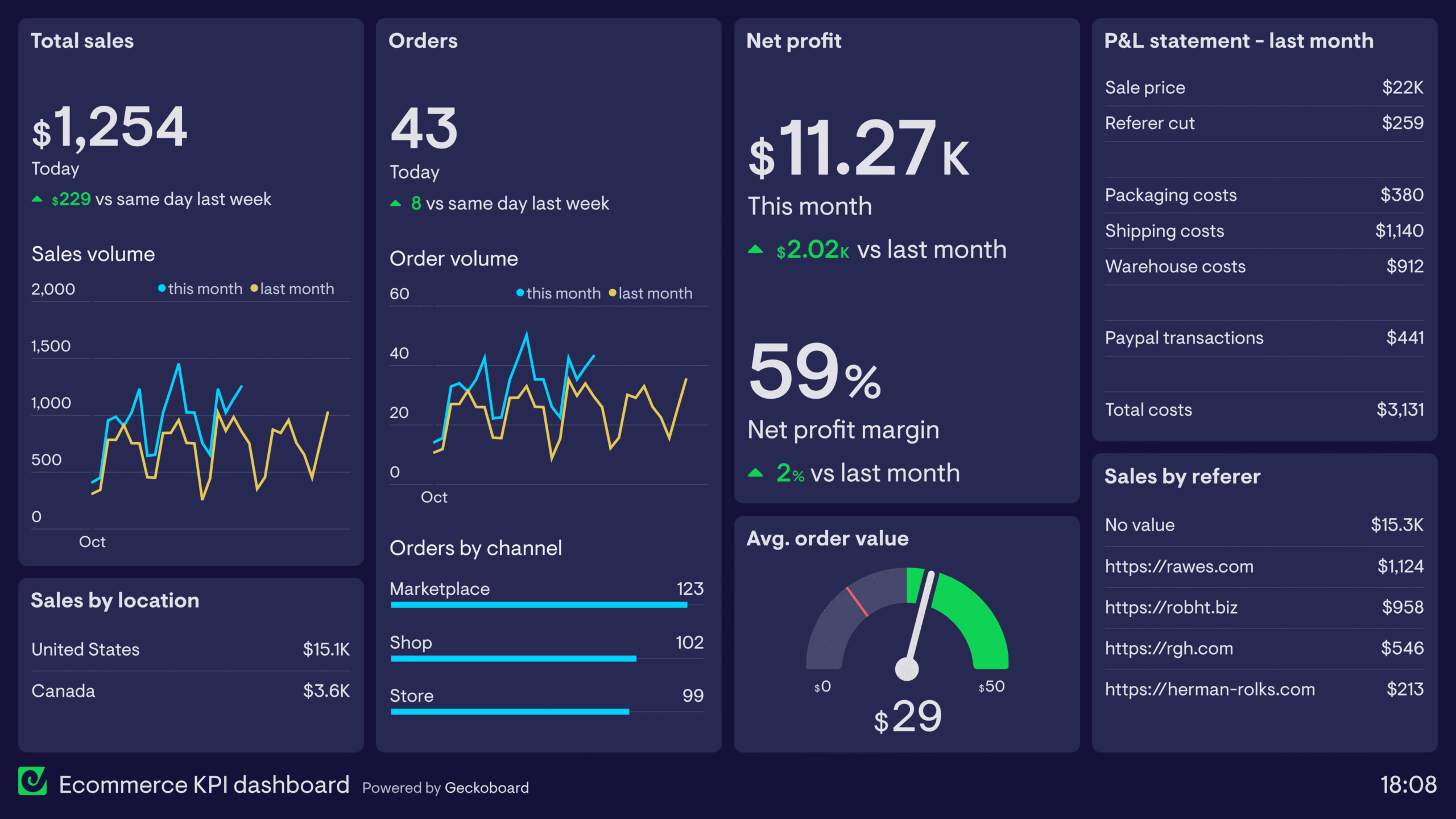
To truly master social commerce, you need to track the right metrics. Forget about just likes and shares; focus on what impacts your bottom line.
- Conversion Rate: The percentage of social visitors who complete a purchase. This is your primary indicator of effectiveness.
- Average Order Value (AOV): The average amount spent per transaction. Look for ways to increase this through bundles or upsells within the social buying experience.
- Customer Acquisition Cost (CAC): How much it costs to acquire a new customer through your social commerce efforts. This helps you understand profitability.
- Return on Ad Spend (ROAS): If you’re running paid social commerce campaigns, this tells you how much revenue you’re generating for every dollar spent on ads.
Implement proper tracking using UTM parameters and leverage the analytics dashboards provided by the social platforms themselves. Integrate this data with your overall e-commerce analytics to get a holistic view of performance.
The Future is Now: AI and Automation in Social Commerce
AI isn’t just for enterprise-level companies anymore; practical applications are accessible for SMBs today. Leveraging AI and automation can significantly boost efficiency and personalization in your social commerce efforts.
- AI-Powered Product Recommendations: Many platforms and third-party tools can use AI to analyze customer behavior and recommend relevant products, increasing AOV and conversion rates.
- Automated Customer Service: Chatbots can handle common customer inquiries directly within social messaging apps, providing instant support and freeing up your team for more complex issues. This is crucial for maintaining a seamless buying experience.
- Personalized Ad Targeting: AI algorithms refine audience targeting for your shoppable ads, ensuring your products are shown to the most likely buyers, optimizing your ad spend.
Focus on tools that integrate easily with your existing setup and offer clear, immediate benefits in terms of efficiency or sales uplift. AI tools for small business marketing
Optimizing for Sustainable Growth
Mastering social commerce is an ongoing process of testing, learning, and adapting. Start with a focused approach on the platforms and features that offer the most direct path to purchase for your specific business. Continuously analyze your performance metrics, make data-driven adjustments, and don’t be afraid to iterate. By prioritizing smart decisions over comprehensive checklists, you’ll build a robust social commerce strategy that drives sustainable brand growth.


Leave a Comment