

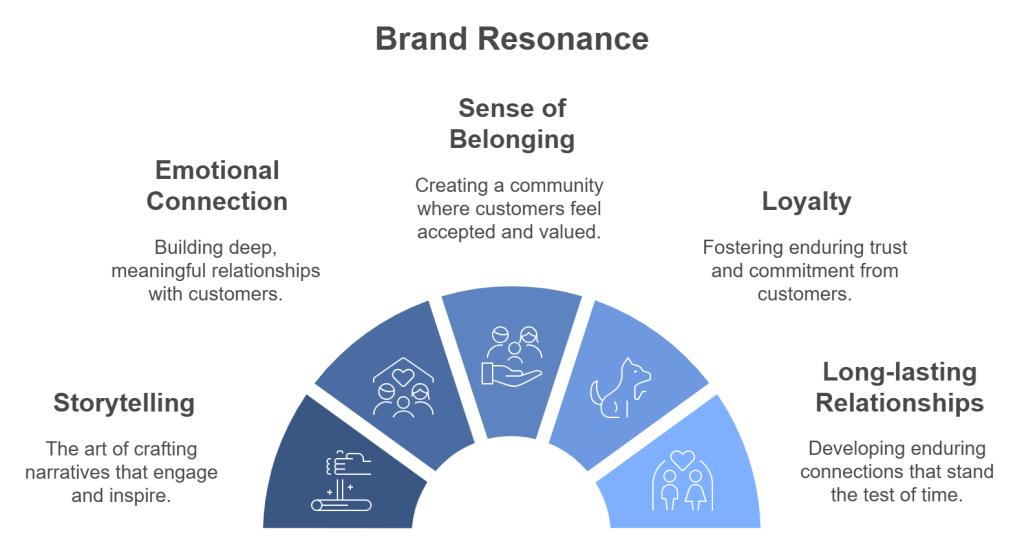
For small to mid-sized businesses operating with lean teams and tight budgets, cultivating brand resonance isn’t a luxury; it’s a strategic imperative. This article cuts through the noise to provide actionable strategies for building deep customer connections that translate into sustainable organic growth.
You’ll learn how to prioritize efforts that genuinely foster loyalty, reduce churn, and empower word-of-mouth advocacy, all without relying on massive ad spends or complex, resource-intensive campaigns. Our focus is on what actually works for teams facing real-world constraints.
Understanding Brand Resonance Beyond Buzzwords
Brand resonance isn’t merely about recognition or a catchy logo. It’s the deep, emotional connection customers feel with your brand, rooted in shared values and consistently positive experiences. It’s when your brand moves beyond being just a product or service to becoming a trusted partner or an extension of their identity.
For small to mid-sized businesses, this depth of connection is a powerful competitive moat. It drives repeat business, encourages organic referrals, and makes your customer base more resilient to market fluctuations and competitor offers. It’s the foundation for growth that doesn’t solely depend on paid acquisition.
Prioritizing Authenticity and Consistent Experience
Authenticity isn’t a marketing campaign you launch; it’s how your business operates at its core. Your brand’s values must be genuinely reflected in every interaction, from your website copy to your customer support and product delivery. Inconsistent experiences erode trust faster than almost anything else.
- What to do first: Clearly define your core values and unique selling proposition (USP). These aren’t just internal statements; they should guide every customer-facing decision. Ensure your entire team understands and embodies these principles.
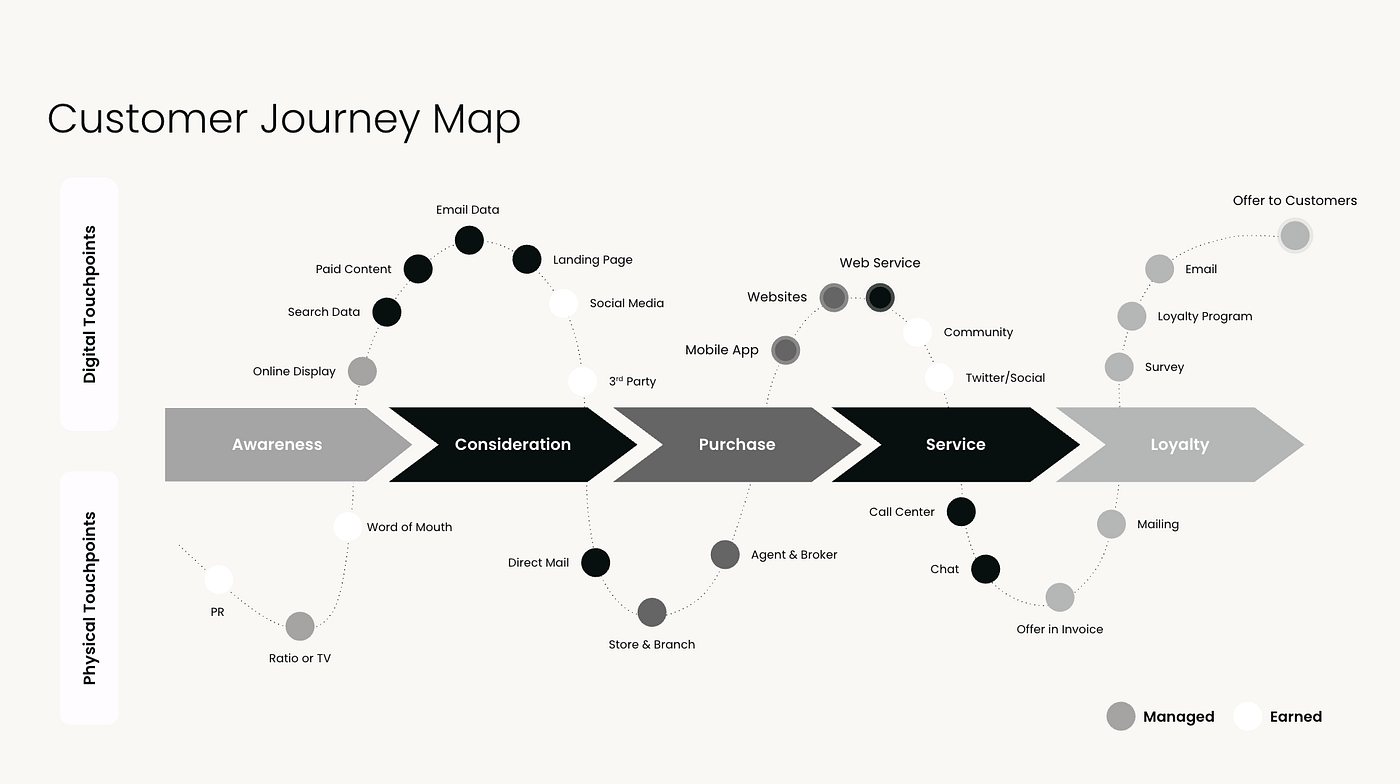
- Practical step: Conduct a thorough audit of all customer touchpoints – your website, social media, email communications, sales process, and post-purchase support. Are they consistently reflecting your defined values and delivering a cohesive brand experience? Identify and fix any glaring inconsistencies.
What’s often overlooked is the compounding cost of *not* operationalizing authenticity early. If your core values remain aspirational statements on a wall rather than embedded in daily workflows, you’re building on a shaky foundation. The eventual need to align will require not just a content refresh, but potentially a painful overhaul of processes, training, and even product features. This isn’t a quick fix; it’s a significant re-engineering effort that consumes resources far beyond what an upfront, thoughtful integration would have.
The practical audit step, while critical, also has a common failure mode: it often focuses on surface-level brand guidelines (logo usage, tone of voice in copy) rather than the deeper behavioral inconsistencies. A team might *say* they value “proactive support,” but if their internal metrics reward speed of resolution over thoroughness, the customer experience will inevitably feel rushed and transactional. These subtle misalignments, driven by operational pressures and conflicting incentives, are far more damaging than a misplaced logo, and they’re much harder to spot and correct.
Given these realities, it’s wise to deprioritize extensive, external-facing brand campaigns or elaborate style guides if the internal operational alignment is still nascent. Polishing the outward perception without first solidifying the internal reality is a common trap. It creates a temporary illusion of consistency that quickly shatters when customers encounter the actual, unaligned experience. Focus instead on embedding values into hiring, training, and performance metrics. That’s where authenticity truly takes root.
Building Connection Through Targeted Content and Community
Content creation for brand resonance isn’t about chasing every trending topic or keyword. It’s about providing genuine value, solving customer problems, and reflecting your brand’s unique personality. This builds trust and positions you as an authority and a helpful resource.
- What works: Focus on creating content that directly addresses your target audience’s pain points, answers their questions, or inspires them. Think practical guides, how-to articles, insightful industry commentary, or behind-the-scenes glimpses that humanize your brand.
- Delay/Avoid: Don’t try to be everywhere or produce every type of content. Spreading your limited resources too thin results in mediocre output. Avoid generic, keyword-stuffed content that lacks a distinct voice or genuine insight; it does little to build connection.
Community building, even on a small scale, can significantly deepen customer bonds. It provides a space for customers to interact with each other and with your brand, fostering a sense of belonging.
- Practical step: Identify one or two social platforms where your target audience is most active and engage consistently. Respond thoughtfully to comments and messages. Consider creating a private online group (e.g., on Facebook or Slack) for your most loyal customers to share insights and provide exclusive value.
- Judgment call: Resist the urge to establish a presence on every social media channel. It’s far more effective to build deep engagement in a few key places than shallow engagement across many.
What often gets overlooked is the downstream cost of content that merely fills a quota. Generic, uninspired content doesn’t just fail to build connection; it actively erodes trust and attention over time. Each piece that lacks genuine insight or personality signals to your audience that you might not truly understand their needs or care enough to invest in meaningful communication. This makes it harder to earn their attention and credibility when you *do* have something valuable to say, forcing you to work twice as hard to overcome that initial impression.
Similarly, while the idea of a thriving community is appealing, the practical demands of sustaining one are frequently underestimated. It’s not enough to simply create a group; it requires consistent, thoughtful moderation and active participation from your team to keep it valuable and prevent it from becoming a ghost town or, worse, a negative space. The hidden cost here is the ongoing human effort required to nurture these interactions, address conflicts, and continuously spark engagement. Without this dedicated oversight, a community can quickly become a liability, draining resources without delivering the promised connection, or even generating negative sentiment if left unmanaged.
The pressure to expand content and community efforts often comes from a good place – the desire to reach more people or cover more ground. However, this often leads to a critical misstep: diluting focus. Teams with limited bandwidth frequently feel compelled to chase every new platform or content format, fearing they’ll miss out. This internal pressure, while understandable, often results in fragmented efforts where no single channel receives the consistent, high-quality attention it needs to truly resonate. Prioritizing depth over breadth, even when it feels counterintuitive, is the only way to build meaningful connection under real-world constraints.
Empowering Customer Advocacy and Feedback Loops
Resonant brands naturally turn satisfied customers into enthusiastic advocates. This isn’t about incentivized reviews; it’s about creating such a positive experience that customers genuinely want to share it.
- What to do first: Make it incredibly easy for happy customers to share their experiences. This could be prominent share buttons on your product pages, a simple email asking for a testimonial, or a clear call to action to leave a review on relevant platforms.
- Practical step: Implement a straightforward feedback mechanism. This could be a short, post-purchase survey, a direct email address for suggestions, or even just actively listening to social media mentions. More importantly, act on this feedback transparently to show customers their input is valued.
- Deprioritize/Skip today: Don’t invest heavily in complex, multi-tiered referral programs at the outset. While these can be effective, they often require significant setup and ongoing management. For small teams, the focus should be on delivering an exceptional core experience that organically encourages word-of-mouth. A clunky or overly complicated referral system can actually detract from the customer experience and feel transactional rather than genuine.
Measuring Resonance (Beyond Vanity Metrics)
True brand resonance isn’t measured by superficial metrics like social media likes. It’s reflected in deeper engagement, loyalty, and organic growth indicators.
- Key metrics to track: Focus on repeat purchase rate, customer lifetime value (CLTV), Net Promoter Score (NPS) or similar customer satisfaction surveys, organic website traffic growth, and direct brand mentions or shares (not just those you’re tagged in).
- Practical step: Pay close attention to qualitative feedback. What are customers saying about your brand in forums, reviews, or direct conversations without being prompted? This often provides the richest insights into their emotional connection.
Look for trends over time rather than isolated spikes. Consistent improvement in these metrics indicates growing resonance.
Sustaining Connection in a Dynamic Market
Cultivating brand resonance is an ongoing commitment, not a one-time project. The market, customer needs, and competitive landscape are constantly evolving, requiring continuous attention to maintain deep connections.
- What works: Regularly revisit your brand values and ensure they still align with your audience’s evolving needs and the current market. Be prepared to adapt your communication and even your offerings without compromising your core identity.
- Practical step: Stay agile and listen intently to market shifts and customer feedback. Use this intelligence to refine your messaging and improve your product or service. Small, consistent improvements build trust and reinforce your brand’s commitment.
- Avoid: Blindly chasing every new marketing trend or AI tool without first assessing its genuine fit with your brand’s core values and your audience’s needs. While AI tools can offer efficiency, they can also dilute authenticity if not used strategically and thoughtfully. AI tools for small business marketing Prioritize tools and strategies that enhance, rather than detract from, your authentic connection.

Leave a Comment