


The rise of AI in social media marketing presents both opportunities and significant privacy challenges for small to mid-sized businesses. Navigating this landscape effectively is crucial for maintaining brand trust and avoiding costly missteps. This article will provide actionable strategies, focusing on what truly matters for your brand’s protection today, and what can be safely deprioritized given typical SMB constraints.
You’ll gain clear, pragmatic guidance on safeguarding customer data, managing AI-generated content responsibly, and building a resilient privacy posture on social platforms without requiring a dedicated legal team or an unlimited budget.
Understanding the AI-Driven Privacy Landscape
AI is now deeply embedded in social media, from content recommendation algorithms to advanced ad targeting and even generative AI tools for content creation. For SMBs, this means data collection is more pervasive, and the potential for misuse or accidental exposure of sensitive information is higher. Your brand’s interaction with customer data, whether directly collected or inferred by platforms, is under increased scrutiny. A single privacy misstep can erode trust faster than any marketing campaign can build it.
The core challenge isn’t just compliance with regulations like GDPR or CCPA, which are constantly evolving. It’s about proactively managing your brand’s digital footprint and ensuring your social media activities align with customer expectations for privacy. This requires a shift from reactive compliance to a strategic, privacy-first mindset.
Prioritizing Your Brand’s Privacy Defenses
For SMBs with limited resources, smart prioritization is key. Focus on high-impact, foundational steps first.
- Conduct a Focused Data Audit: Understand exactly what customer data your social media activities touch. This includes data collected via lead forms, engagement metrics, and any third-party tools integrated with your social channels. Identify what’s truly essential for your marketing goals and what can be minimized or eliminated. Less data means less risk.
- Review and Simplify Privacy Policies: Ensure your website’s privacy policy clearly addresses social media data practices. Make it easy to understand, avoiding jargon. Crucially, link directly to this policy from your social media profiles and any campaigns that collect user data. Transparency builds trust.
- Vet Third-Party AI Tools Rigorously: Before adopting any new AI-powered social media management, analytics, or content generation tool, scrutinize its data handling policies. Understand where data is stored, how it’s processed, and if it complies with relevant privacy standards. Don’t assume compliance; verify it.

What should be deprioritized or skipped today? For most SMBs, over-investing in complex, enterprise-grade AI-driven privacy compliance software is a distraction. These solutions are often expensive, require significant internal expertise to implement, and are designed for larger organizations with vast, intricate data ecosystems. Your immediate focus should be on establishing sound internal practices and transparent communication, which are far more impactful and cost-effective than chasing advanced tech solutions that you lack the resources to fully leverage or maintain.
The principle of “less data means less risk” is sound, but its practical application often overlooks the long-term burden. Every piece of customer data collected, even if deemed essential at the moment, carries an ongoing cost beyond its initial acquisition. This includes the cost of secure storage, the resources required for ongoing compliance with evolving privacy regulations, and the magnified liability in the event of a data breach. What starts as a simple data point can quickly become a perpetual maintenance task, consuming unbudgeted time and attention from already stretched teams.
Furthermore, while a clear privacy policy is foundational, its effectiveness hinges on consistent internal application. It’s easy to assume that once a policy is published, the team will naturally adhere to it. In reality, marketing teams, driven by performance metrics and the immediate needs of a campaign, can inadvertently create compliance gaps. They might use collected data for purposes not explicitly covered by the policy, or fail to secure renewed consent for new marketing initiatives. This disconnect between the published policy and day-to-day operational practices is a common source of internal friction and potential regulatory exposure, often stemming from a lack of ongoing training or clear internal guidelines.
Finally, the rigor applied to vetting third-party AI tools is often treated as a one-time event. However, the digital landscape, and the tools within it, are constantly evolving. A tool that was compliant and secure at the point of adoption might introduce new features, integrate with additional services, or even alter its own data handling policies in subsequent updates. For SMBs, the bandwidth to continuously re-evaluate every integrated tool is scarce. This creates a hidden vulnerability where initial due diligence can be undermined by a “set it and forget it” approach, leaving your brand exposed to risks that were not present, or not obvious, during the initial assessment.
Operationalizing Privacy in Social Media Content and Engagement
Privacy isn’t just about policies; it’s about daily operations.
- AI-Generated Content Review: If you’re using generative AI for social media copy or visuals, implement a strict human review process. Check for inadvertent disclosure of sensitive information, factual inaccuracies, or biases that could lead to privacy complaints or brand damage. AI is a tool, not a replacement for human judgment.
- Consent for User-Generated Content (UGC): Always obtain explicit consent before repurposing UGC, especially if it features identifiable individuals. Clearly state how and where their content will be used. A simple tag or direct message asking for permission is often sufficient and legally sound.
- Secure Direct Message (DM) Handling: Train your social media team on protocols for handling sensitive customer information received via DMs. Avoid asking for personal data unless absolutely necessary, and if you do, ensure it’s transferred to secure systems promptly and deleted from social platforms.

What often gets overlooked in the push for efficiency, especially with AI, are the downstream effects of scale. While a human review process for AI-generated content is critical, the sheer volume can quickly lead to review fatigue. This isn’t just about time; it’s about the erosion of vigilance. When teams are pressured to approve content quickly, subtle privacy risks—like inadvertently revealing location data through a background detail in an image, or a nuanced bias in language that could be misconstrued—are far more likely to slip through. The cost isn’t immediate; it’s the cumulative risk exposure that builds over time, waiting for a single oversight to become a public issue.
Similarly, obtaining explicit consent for User-Generated Content (UGC) is a foundational step, but the practical challenge lies in tracking and managing that consent over time. Many teams diligently ask for permission via DM or comments, but then fail to log this consent systematically in an accessible, auditable manner. This creates a significant compliance gap. If a user later retracts consent, or if an audit requires proof of permission, the inability to quickly retrieve specific consent records can turn a seemingly simple process into a frustrating, time-consuming scramble. The theoretical ease of “just ask for permission” often clashes with the operational reality of maintaining a verifiable record.
Regarding secure Direct Message (DM) handling, the ideal is swift transfer to secure systems and immediate deletion from social platforms. However, in practice, this often involves manual steps that are prone to delay and human error. A common failure mode is data lingering in DMs for hours or even days because the team member is juggling multiple urgent tasks, or the secure system integration isn’t as seamless as it should be. This creates a vulnerable window that’s easy to overlook in the daily operational grind. For teams with limited resources, it’s often more effective to deprioritize building complex, custom integrations for automated DM data transfer if your core secure systems aren’t fully mature. Instead, focus on establishing and rigorously enforcing a clear, manual protocol for data extraction and deletion, even if it’s slower. A well-executed manual process with strict timelines and accountability is far less risky than a half-baked automated solution that introduces new points of failure.
Building Trust Through Transparency and Accountability
Trust is your most valuable asset. Proactive communication about your privacy practices reinforces it.
Regularly communicate your commitment to privacy on your social channels. This isn’t about fear-mongering; it’s about educating your audience on how you respect their data. A simple post explaining your data minimization efforts or how you vet third-party tools can go a long way. Be prepared to answer questions directly and honestly.
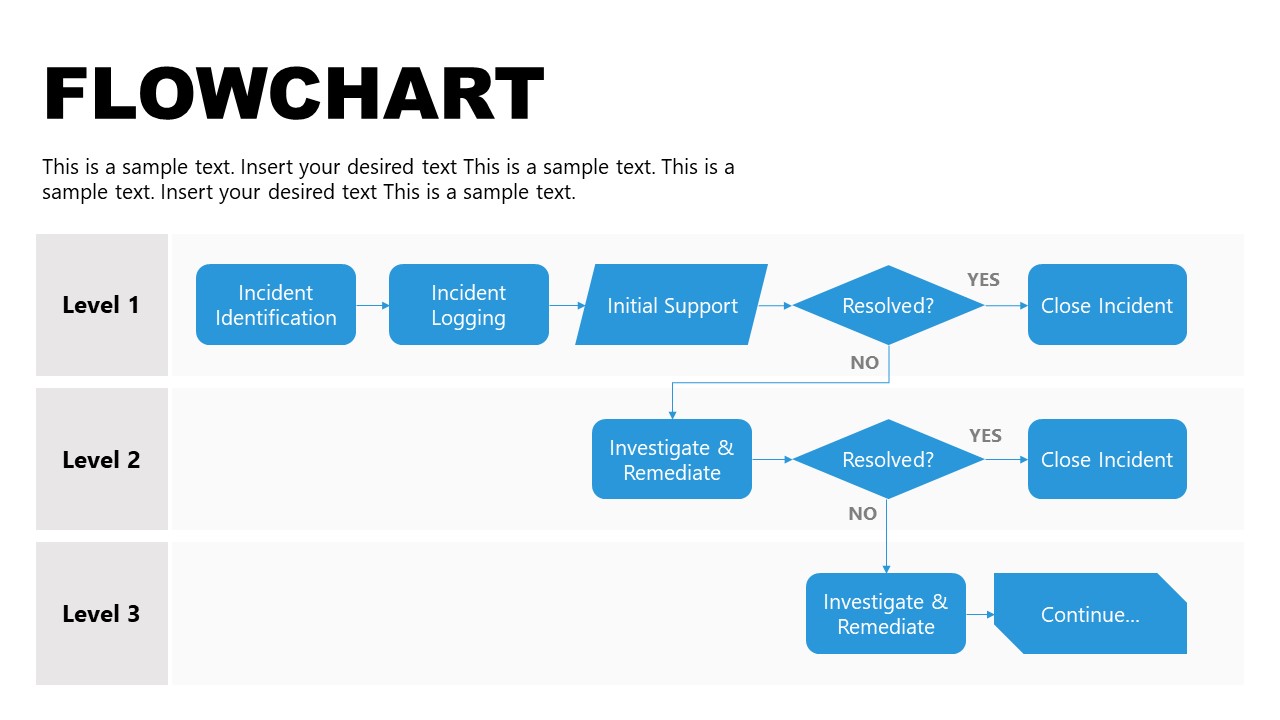
Develop a basic incident response plan for social media privacy issues. What happens if a customer complains about data misuse? Who is responsible for responding? How do you escalate? Even a simple internal flowchart can prevent panic and ensure a consistent, professional response. This demonstrates accountability, even under pressure.
Finally, ensure your team receives ongoing training on privacy best practices. This isn’t a one-time event. With AI and platform changes, continuous education is vital. A well-informed team is your first line of defense against privacy breaches and reputational harm.
Sustaining Vigilance in an Evolving AI Landscape
The AI and privacy landscape is dynamic. What works today might need adjustment tomorrow. Regularly review your social media privacy strategies, ideally quarterly. Stay informed about major platform updates and significant regulatory changes, such as new interpretations of the General Data Protection Regulation or emerging state-level privacy laws. Adapt your practices as needed, always prioritizing the protection of your brand and the trust of your audience. This ongoing vigilance is not optional; it’s a core component of smart marketing in 2026.


Leave a Comment