

In today’s search landscape, where AI plays an increasingly significant role in evaluating content, establishing digital authority isn’t just about keywords anymore; it’s about demonstrating genuine trustworthiness and expertise. This article cuts through the noise to give you actionable SEO strategies that build the kind of authority AI systems value, helping your small or mid-sized business secure better rankings and more qualified traffic.
You’ll learn how to prioritize efforts that yield real results under budget and headcount constraints, focusing on what truly works to signal credibility to both users and sophisticated search algorithms. We’ll cover what to implement now, what to hold off on, and what to avoid entirely to ensure your marketing spend delivers tangible growth.
Understanding AI-Verified Trust and E-E-A-T
The concept of E-E-A-T (Experience, Expertise, Authoritativeness, Trustworthiness) has evolved. While always important, AI’s ability to process vast amounts of information means it’s now more adept at discerning genuine signals of these qualities. For small businesses, this means moving beyond superficial SEO tactics. AI-verified trust isn’t about tricking an algorithm; it’s about genuinely demonstrating your value and credibility through your content and online presence.
Think of it as proving you’re the best answer to a user’s query, not just the one with the most keywords. This requires a strategic shift towards content quality, transparency, and a clear demonstration of your team’s real-world experience.
Prioritize Foundational E-E-A-T Signals
For resource-constrained teams, focus on these core elements first. They provide the strongest signals of authority and trustworthiness.
- Deep, Original Content: Go beyond basic summaries. Share unique insights, case studies (even small internal ones), and practical advice derived from your actual experience. This is where your small business can outshine larger competitors who might rely on generic content. Show your work.
- Transparent Author Biographies: Every piece of content should have a clear author. Include a brief bio that highlights their relevant experience, expertise, and credentials. Link to their LinkedIn profile or an ‘About the Author’ page on your site. This humanizes your content and validates its source.
- Clear Business Information: Ensure your website has easily accessible ‘About Us’, ‘Contact Us’, and ‘Privacy Policy’ pages. Include your physical address (if applicable), phone number, and email. This transparency is a fundamental trust signal for both users and search engines.
- Optimized User Experience (UX): A fast, mobile-friendly, and easy-to-navigate website is non-negotiable. A clunky, slow site erodes trust instantly. Use tools like Google’s PageSpeed Insights to identify and fix performance issues. A professional user experience signals a professional business.
What often gets overlooked in practice is the sheer, sustained internal effort required to maintain these foundational signals. Producing truly deep, original content isn’t a one-time project; it demands ongoing research, internal interviews, and a commitment from subject matter experts (SMEs) to share their unique perspectives. This can create significant friction within a small team, as SMEs are often pulled between client work, product development, and the marketing team’s content demands. The initial enthusiasm for “showing your work” can quickly give way to frustration when the true time commitment becomes clear, leading to a content pipeline that either dries up or reverts to shallower, less impactful pieces.
Similarly, transparent author biographies and clear business information aren’t set-it-and-forget-it tasks. Authors move on, roles change, and business details like addresses or phone numbers can be updated. Neglecting the ongoing maintenance of these details across your website and other online presences can slowly erode the very trust you’re trying to build. Inconsistencies, even minor ones, signal a lack of attention to detail, which users and search engines interpret as a lack of professionalism. This gradual decay is a non-obvious failure mode, often going unnoticed until a significant drop in organic visibility or user engagement occurs—a classic “boiling frog” scenario.
Finally, while optimizing user experience (UX) seems like a clear win, the practical reality for small teams is that technical debt accumulates. Initial fixes might be straightforward, but maintaining site speed and responsiveness as content grows, new features are added, or third-party scripts are integrated becomes an ongoing battle. Prioritizing these essential but often invisible backend improvements over more outwardly visible marketing initiatives or new feature development can be a constant source of internal tension and decision pressure. The theoretical ideal of a perfectly optimized site often clashes with the operational constraints of limited developer time and competing priorities.
Strategic Content Creation for Trust and Authority
Your content strategy needs to actively build trust, not just attract clicks. This means a deliberate approach to what you publish and how you present it.
- Problem-Solution Focus with Actionable Advice: Address specific pain points your target audience faces. Provide clear, step-by-step solutions or practical frameworks. This demonstrates expertise and provides immediate value, which builds trust.
- Leverage Internal Data and Examples: If you have client success stories (even anonymized ones), internal research, or unique operational insights, weave them into your content. This is proprietary information that establishes your unique authority. For example, if you’re a local accounting firm, share a common tax mistake you’ve seen clients make and how to avoid it.
- Data-Backed Claims and Reputable Sourcing: When making claims, back them up with data. Cite reputable sources like industry reports, academic studies, or well-known publications. For example, if discussing market trends, you might reference small business marketing spend. This adds credibility to your assertions.
What often gets overlooked in the pursuit of a content strategy is the subtle, corrosive effect of content that merely meets a checklist but fails to deliver genuine depth or unique insight. While the goal is to build trust, content that is “just good enough” doesn’t just miss the mark; it actively erodes credibility over time. Readers quickly discern generic advice or thinly veiled rehashes of common knowledge. The delayed consequence is that your audience begins to associate your brand with superficiality, making it harder to establish authority even with future, higher-quality efforts. It’s a hidden cost that compounds, requiring significantly more effort later to rebuild a reputation for true expertise.
This challenge is compounded by the operational realities of small to mid-sized teams. The theoretical ideal of consistently publishing deeply researched, proprietary content often clashes with limited headcount and competing priorities. The pressure to maintain a publishing cadence can lead to a compromise on the very depth and originality that builds trust. Content creators, under deadlines, may default to easier-to-produce, less impactful pieces, leading to internal frustration and a feeling of falling short of the strategic intent. This gap between aspiration and execution is a common, non-obvious failure mode.
Given these constraints, it’s critical to make a deliberate trade-off: deprioritize content volume in favor of content quality and depth. Chasing a high frequency of publication with content that lacks substance is a common pitfall. While it might offer a temporary boost in search visibility, it ultimately dilutes your brand’s authority and exhausts your team’s resources without yielding the strategic trust-building benefits. Focus your limited resources on fewer, truly authoritative pieces that leverage your unique insights and data, even if it means publishing less frequently. The long-term gain in credibility far outweighs the short-term appeal of a packed content calendar.
Building External Trust Signals (Strategically)
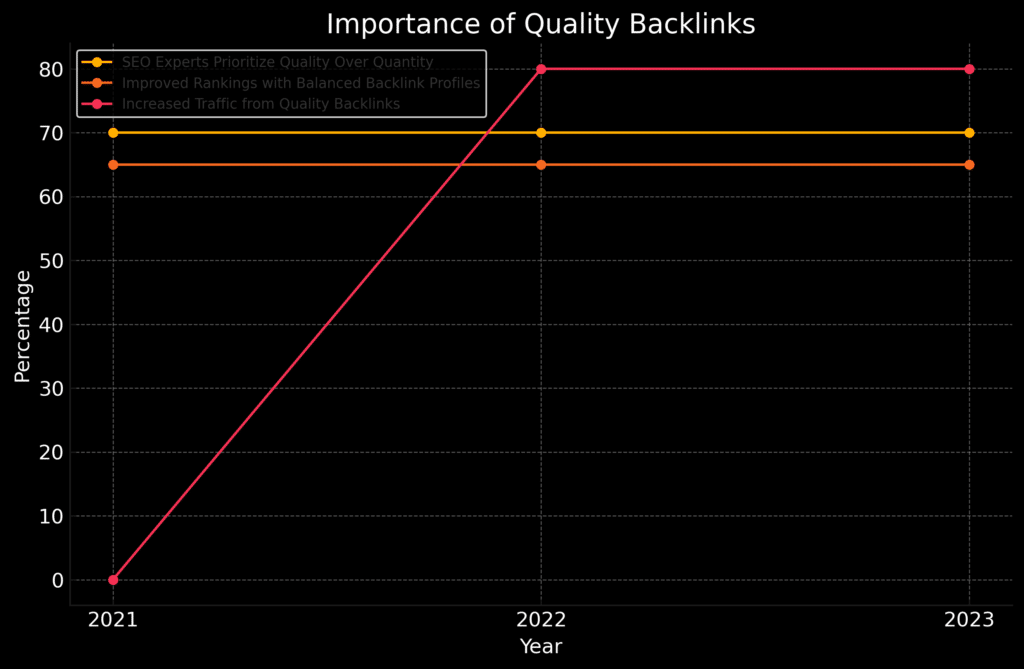
While internal signals are paramount, external validation still plays a role. However, for small teams, the focus must be on quality over quantity.
- Earned, Relevant Backlinks: Forget mass outreach. Focus on earning links from highly relevant, authoritative sites in your niche. This often comes from creating exceptional content that others naturally want to reference. Participate in industry discussions, offer unique insights, and build relationships with other reputable businesses.
- Brand Mentions and Citations: Even unlinked mentions of your brand or key personnel on authoritative websites can contribute to your perceived authority. Monitor for these mentions and consider reaching out to turn them into links where appropriate, but don’t force it.
What to Deprioritize or Skip Today
With limited resources, it’s crucial to know what to put on the back burner. Currently, you should deprioritize chasing every new AI-powered content generation tool or trend. While AI can assist, relying solely on AI-generated content without significant human oversight, editing, and the infusion of genuine experience will likely hurt your authority in the long run. Search engines are getting better at identifying generic, unoriginal content. Focus your efforts on creating fewer, higher-quality pieces that genuinely reflect your business’s unique expertise, rather than churning out large volumes of mediocre, AI-spun articles. Avoid aggressive, spammy link-building tactics; these are risky and can lead to penalties, undermining all your trust-building efforts.
Measuring Your Digital Authority
Tracking your progress is essential. Look beyond just keyword rankings. Focus on metrics that indicate growing trust and authority:
- Organic Traffic Growth: Especially traffic to your high-value, E-E-A-T-rich content.
- Engagement Metrics: Higher time on page, lower bounce rates, and increased page views per session signal that users find your content valuable and trustworthy.
- Brand Mentions: Track how often your brand is mentioned across the web, even without direct links. Tools like Google Alerts can help here.
- Quality Backlinks: Monitor the number of high-authority, relevant domains linking to your site. Tools like backlink checker can provide insights.
- Direct Traffic: An increase in users typing your URL directly or finding you through brand searches indicates growing brand recognition and trust.


Leave a Comment