


As a small to mid-sized business, you’re constantly balancing SEO ambitions with real-world constraints. This article cuts through the hype to show you how AI can genuinely elevate your SEO audits and performance analysis, helping you make smarter decisions with limited time and budget. You’ll gain practical insights on where to focus your AI efforts for maximum impact, what to deprioritize, and how to translate AI-driven data into actionable strategies that move the needle.
We’ll focus on specific applications that deliver tangible benefits, allowing your team to identify critical issues faster, uncover hidden opportunities, and optimize your campaigns more effectively without needing an enterprise-level budget or a data science team.
Prioritizing Technical SEO Audits with AI
Technical SEO often feels like a black box, but AI tools are making it more accessible for smaller teams. Instead of manually sifting through thousands of URLs, AI-powered crawlers and analysis platforms can quickly identify critical issues like broken links, redirect chains, canonicalization problems, and indexability errors. The real value isn’t just in finding these issues, but in the AI’s ability to prioritize them based on potential impact and ease of fix.
- Crawl Budget Optimization: AI can highlight pages consuming excessive crawl budget without delivering value, allowing you to direct search engine bots to your most important content.
- Site Structure Analysis: Tools can visualize your internal linking structure, identifying orphaned pages or areas of your site that are poorly linked, which often correlates with lower rankings.
- Core Web Vitals Diagnostics: Beyond just reporting metrics, AI can pinpoint specific elements on a page contributing to poor Core Web Vitals scores and suggest actionable fixes, like identifying large image files or inefficient JavaScript.
AI for Content Gaps and Cannibalization
Content is king, but only if it’s discoverable and relevant. AI excels at analyzing your existing content landscape and identifying strategic opportunities or problems. For SMBs, this means less guesswork and more targeted content efforts.
- Content Gap Analysis: AI tools can compare your content against top-ranking competitors for target keywords, revealing topics you’re missing or not covering in sufficient depth. This helps you prioritize new content creation.
- Topic Clustering: Instead of individual keyword targeting, AI can group related keywords into broader topics, helping you build comprehensive content hubs that establish authority and improve topical relevance.
- Content Cannibalization Detection: AI can identify instances where multiple pages on your site are targeting the same keywords, confusing search engines and diluting your authority. It then suggests which page to consolidate or optimize.
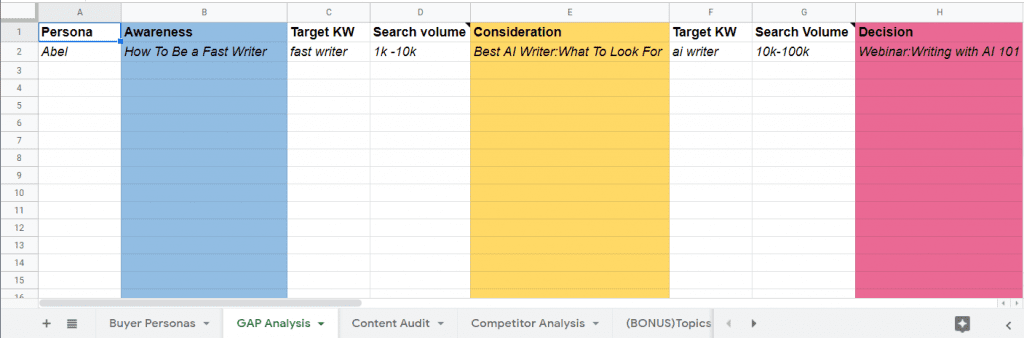
What AI identifies as a “gap” isn’t always a strategic opportunity for every SMB. The algorithms excel at spotting what’s missing compared to top performers, but they don’t inherently understand your unique market position, brand voice, or the realistic capacity of your content team. Chasing every suggested topic can quickly lead to creating generic content that struggles to stand out in an already crowded space, or worse, dedicating precious resources to highly competitive keywords where an SMB has little chance of ranking without significant, sustained investment.
Furthermore, the output from these tools is a list of recommendations, not a self-executing solution. Identifying content gaps, clustering topics, or flagging cannibalization is only the first step. The real work—researching, writing, optimizing, consolidating, and implementing redirects—still falls squarely on your team. This operational overhead is often underestimated, leading to a growing backlog of “AI-driven insights” that never translate into published content due to limited bandwidth and competing priorities.
Regarding cannibalization, while AI is adept at finding keyword overlap, it doesn’t always discern the subtle differences in user intent or buyer journey stage that might justify separate pages. Blindly consolidating content based solely on keyword similarity can sometimes remove valuable, distinct pieces that served a specific niche or answered a unique question for a segment of your audience. The immediate “fix” for cannibalization might inadvertently lead to a reduction in overall long-tail traffic or a less comprehensive user experience for specific queries, trading one problem for another.
Leveraging AI for Performance Monitoring and Anomaly Detection
Manually tracking every SEO metric across various platforms is time-consuming and prone to human error. AI-driven performance monitoring shifts the focus from reactive reporting to proactive insight. These systems learn your typical performance patterns and alert you to significant deviations.
For example, if a specific keyword cluster suddenly drops in rankings or traffic, an AI system can flag it immediately, often correlating it with a recent site change, algorithm update, or competitor activity. This allows your lean team to investigate and respond much faster than traditional weekly or monthly reporting cycles. The key here is not just data aggregation, but intelligent alerting that prioritizes what needs your attention most.
What’s often overlooked in the promise of AI monitoring is the initial and ongoing investment required to make it truly effective. These systems don’t arrive perfectly tuned. Expect to spend significant time in the early stages defining thresholds, categorizing anomalies, and providing feedback to reduce false positives. Without this diligent human oversight, the system quickly devolves into a source of alert fatigue, where critical signals get lost in a deluge of irrelevant notifications. For a lean team, this initial tuning period can feel like a hidden cost, demanding resources that are already stretched thin.
Furthermore, while AI excels at identifying correlations—a drop in traffic coinciding with a site update, for instance—it doesn’t inherently understand causation. The system might flag a keyword decline and suggest a recent content change as a potential factor, but it won’t tell you *why* that change impacted performance, or if another, unmonitored variable was the true driver. Relying solely on the AI’s suggested correlations without deeper human investigation can lead teams down the wrong rabbit holes, wasting precious time on symptoms rather than root causes.
The real value emerges when these intelligent alerts serve as a starting point for human analysis, not a definitive answer. The temptation for busy teams is to treat an AI alert as a directive, rather than a prompt for strategic inquiry. This over-reliance can stifle critical thinking and prevent the development of internal expertise. Ultimately, AI augments your team’s capacity to identify issues, but it doesn’t replace the strategic judgment required to diagnose problems, prioritize solutions, and execute effective responses in a complex, ever-changing SEO landscape.
What to Deprioritize or Skip Today
While AI offers powerful capabilities, it’s crucial for small to mid-sized teams to avoid getting sidetracked by every shiny new feature. Today, you should deprioritize or outright skip full AI-driven content generation without significant human oversight. While AI can draft content, it often lacks the nuanced understanding of your brand voice, specific audience pain points, and unique value proposition. Relying solely on AI for content can lead to generic, unengaging material that fails to convert and may even harm your brand’s authority. Focus AI on analysis and insight generation, not on replacing your human content strategists and writers. Similarly, avoid investing heavily in highly experimental AI SEO tools that promise revolutionary results but lack proven case studies or clear ROI for businesses with limited resources. Stick to established applications that deliver verifiable improvements.
AI-Driven Keyword and Intent Analysis
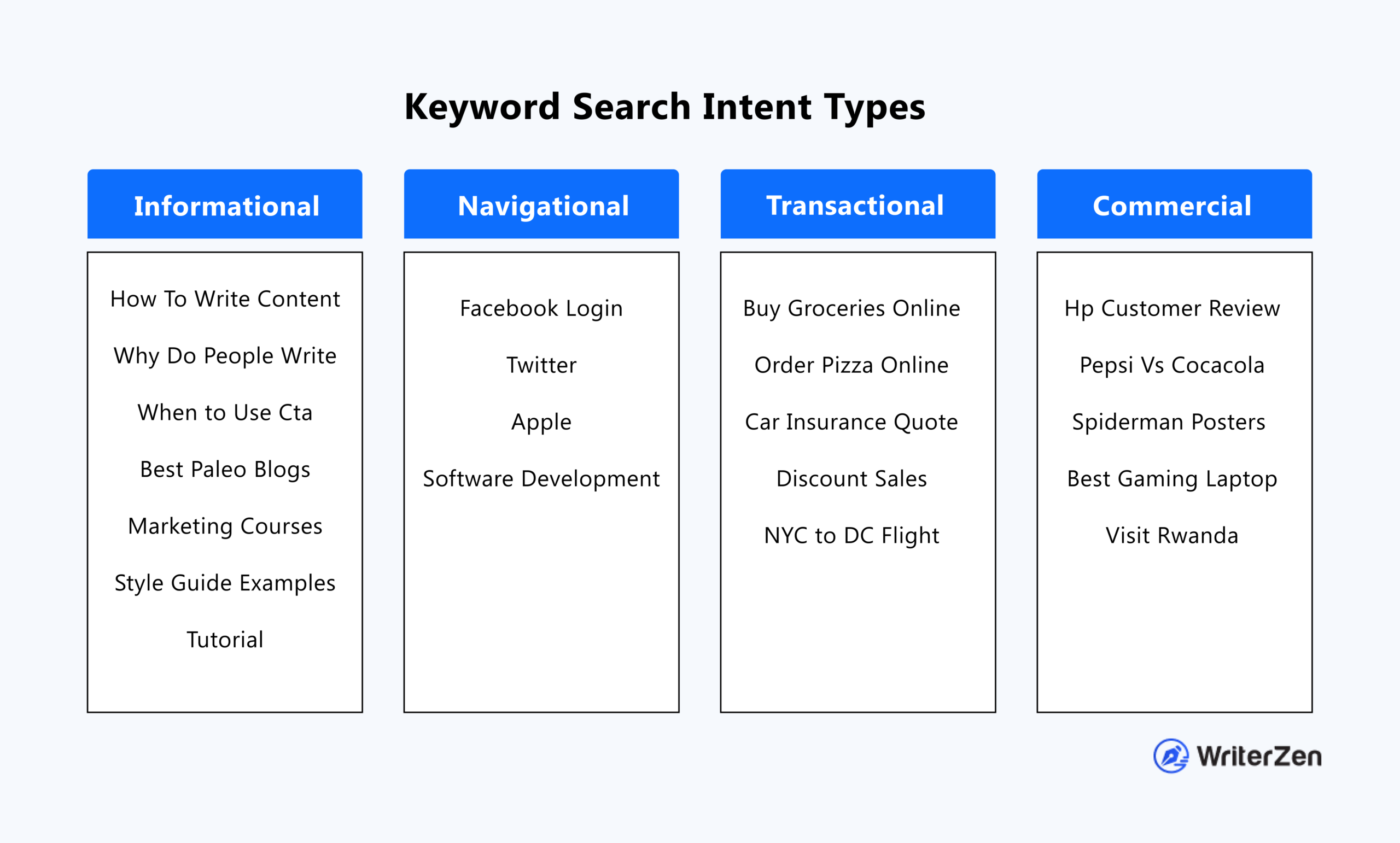
Understanding user intent is paramount for effective SEO, and AI has significantly advanced our ability to do this at scale. Traditional keyword research often focuses on volume, but AI digs deeper into the ‘why’ behind a search query.
- Semantic Keyword Grouping: AI can group keywords not just by exact match, but by underlying semantic meaning and user intent (e.g., informational, navigational, transactional). This helps you map content more accurately to the user journey.
- Long-Tail Opportunity Identification: AI tools can uncover less competitive, high-intent long-tail keywords that human researchers might miss, offering quicker wins for smaller sites.
- Competitive Intent Mapping: By analyzing competitor content and ranking patterns, AI can infer the intent they are targeting, helping you refine your own strategy to either compete directly or find underserved niches. keyword intent analysis
Integrating AI Insights into Your Workflow
The real challenge for SMBs isn’t just generating AI insights, but integrating them into a practical, repeatable workflow. Start by choosing one or two core areas where AI can provide immediate value, such as technical audit prioritization or content gap analysis. Don’t try to overhaul your entire SEO process at once. Focus on tools that offer clear dashboards and actionable recommendations, rather than raw data dumps. Train your team to interpret these insights and translate them into specific tasks. Regular review of AI-generated reports, combined with your team’s human judgment, will ensure you’re making data-informed decisions that align with your business goals and resource availability. seo workflow optimization



Leave a Comment