

Your Marketing Growth Starts with User Experience
For small to mid-sized businesses, every marketing dollar and hour must count. This article cuts through the noise to show you how focusing on user experience (UX) isn’t just a design luxury, but a direct path to more effective marketing, higher conversions, and sustainable growth. We’ll prioritize practical, actionable UX improvements that directly impact your bottom line, helping you make smart trade-offs under real-world constraints.
You’ll gain clear judgment on which UX efforts yield the most significant marketing returns, what to implement first, and what to confidently set aside for later. This isn’t about perfecting every pixel; it’s about optimizing the user journey to convert more prospects into customers and keep them engaged.
Defining UX from a Marketing Lens
Forget the academic definitions. For a marketing practitioner, UX is about how easily and effectively a user achieves their goal on your website, app, or through your content. It encompasses everything from site navigation and content readability to form completion and checkout processes. A good UX reduces friction, builds trust, and guides users toward conversion, directly amplifying your marketing efforts.
Think of it this way: your marketing brings people to the door, but UX determines if they walk in, find what they need, and make a purchase. Poor UX acts like a leaky bucket, draining away leads and budget you’ve already invested. Optimizing UX means plugging those leaks.
While the immediate conversion loss from poor UX is visible, the deeper problem lies in the invisible drain. Users don’t always complain; they simply leave and don’t return. This isn’t just a lost sale; it’s a damaged perception of your brand, a reduced customer lifetime value, and a missed opportunity for organic advocacy. The cost of acquiring a new customer is always higher than retaining an existing one, and poor UX actively sabotages retention efforts, forcing you to spend more on the top of the funnel just to stay afloat.
This invisible drain creates a frustrating cycle for marketing teams. You invest heavily in driving traffic, only to see it vanish due to issues outside your direct control, often residing in product or development backlogs. The pressure to launch new campaigns or features frequently overshadows the critical, but less glamorous, work of refining existing user journeys. This often leads to a “feature factory” mentality where new capabilities are added on top of a shaky foundation, compounding user frustration rather than alleviating it.
One common oversight is the cumulative effect of minor friction points. Individually, a slow loading image, a slightly confusing label, or an extra click might seem negligible. Collectively, they build a wall of frustration that users eventually give up trying to scale. The second-order effect here is not just abandonment, but also increased customer support inquiries for issues that could have been self-served, diverting valuable team resources from proactive initiatives to reactive problem-solving. This is a direct, often unmeasured, operational cost of neglected UX.
Prioritizing UX Improvements for Marketing Impact
With limited resources, you can’t fix everything at once. Focus on UX areas that have a direct, measurable impact on your marketing KPIs:
- Conversion Funnel Friction: Identify bottlenecks in your primary conversion paths (e.g., lead forms, product pages, checkout). Are there too many steps? Unclear calls to action? Slow loading times? These are often the lowest-hanging fruit for immediate gains.
- Mobile Responsiveness: A significant portion of your audience is likely on mobile. If your site isn’t genuinely mobile-first or at least highly responsive, you’re losing potential customers before they even engage. This isn’t just about fitting on a small screen; it’s about optimized navigation and interaction.
- Content Readability & Accessibility: Clear, concise, and easy-to-read content keeps users engaged. Use headings, short paragraphs, and bullet points. Ensure your site is accessible to users with disabilities, which also improves general usability for everyone.
- Site Speed: Slow websites frustrate users and negatively impact SEO rankings. Tools like Google PageSpeed Insights can help you identify critical areas for improvement. Prioritize fixes that significantly reduce load times, especially for your most visited pages.
What often gets overlooked are the downstream effects of neglecting these fundamental UX elements. A slow site or a confusing form doesn’t just mean a lost conversion in that moment; it erodes trust over time. Users remember frustrating experiences, and that negative sentiment can spread, impacting brand perception and future acquisition efforts. Furthermore, a poor user experience can inadvertently increase your operational costs. If users can’t easily find information or complete tasks on your site, they’ll turn to customer support, adding strain to your team and diverting resources from other critical areas.
In practice, the challenge isn’t always identifying the problem, but implementing the right fix without creating new issues. It’s easy to get caught up in minor aesthetic tweaks or chasing every internal suggestion for a ‘better’ experience. However, a common pitfall is addressing symptoms without diagnosing the root cause, or over-optimizing one part of the funnel only to shift the bottleneck elsewhere. For instance, simplifying a form might reduce initial friction, but if it removes critical qualifying information, it could lead to a higher volume of unqualified leads, wasting sales team resources. This highlights why a data-driven, iterative approach is crucial, rather than attempting a wholesale redesign based on assumptions.
Given limited bandwidth, it’s critical to deprioritize. Resist the urge to tackle every perceived UX flaw or to aim for an ‘ideal’ experience that might be out of reach for your team and budget. Specifically, avoid large-scale, comprehensive UX audits or redesigns that aren’t tied to a clear, measurable business problem. These projects often become resource black holes, consuming significant time and budget with uncertain returns, and can lead to team burnout without tangible marketing impact. Instead, focus on the specific, high-impact friction points identified by your marketing KPIs, and implement targeted, measurable improvements that you can realistically execute and track.
Practical UX Tweaks for Immediate Gains
You don’t need a full-time UX designer to make meaningful improvements. Here are some actionable steps:
- Simplify Forms: Remove unnecessary fields. Use clear labels and inline validation. If a form is long, consider multi-step forms with progress indicators.
- Optimize CTAs: Make calls to action prominent, descriptive, and action-oriented. Use contrasting colors and clear button text. Test different placements.
- Improve Navigation: Ensure your main navigation is intuitive and consistent across all pages. Use descriptive menu items. Consider a search bar if you have extensive content or products.
- Enhance Product/Service Pages: Use high-quality images/videos. Provide clear, benefit-driven descriptions. Include social proof (reviews, testimonials). Make pricing transparent.
- Implement Basic A/B Testing: Use tools like Google Optimize (or similar alternatives available today) to test different headlines, button colors, or form layouts on key pages. Even small changes can yield significant conversion lifts.
Regularly review your analytics. High bounce rates on specific pages or drop-offs at certain points in your funnel are clear indicators of UX issues that need attention. Google Analytics user behavior reports
What to Deprioritize and Why
For small to mid-sized teams, it’s crucial to understand what to delay or skip. Today, you should deprioritize extensive, ground-up UX redesigns or highly theoretical user research projects that require significant time and budget. While valuable in the long run, these often consume resources that could be better spent on immediate, high-impact fixes. Don’t get caught up in perfecting every minor aesthetic detail or chasing the latest design trends if your core conversion paths are still broken. Focus on functional improvements that directly remove friction for your users and move them closer to a purchase or lead submission. A perfectly designed but slow or confusing checkout process is worse than a simple, fast one.
Measuring UX Success in Marketing Terms
UX improvements are only valuable if they translate into better marketing outcomes. Track these metrics:
- Conversion Rate: The most direct measure. Did simplifying your checkout increase purchases? Did clearer CTAs generate more leads?
- Bounce Rate: A high bounce rate often indicates users aren’t finding what they expect or are encountering immediate friction.
- Time on Page/Site: For content-heavy sites, longer engagement suggests users are finding value.
- Customer Lifetime Value (CLTV): A better overall user experience can lead to more loyal customers and repeat business.
- Support Tickets/Inquiries: Fewer questions about how to use your site or find information can indicate improved clarity and usability.
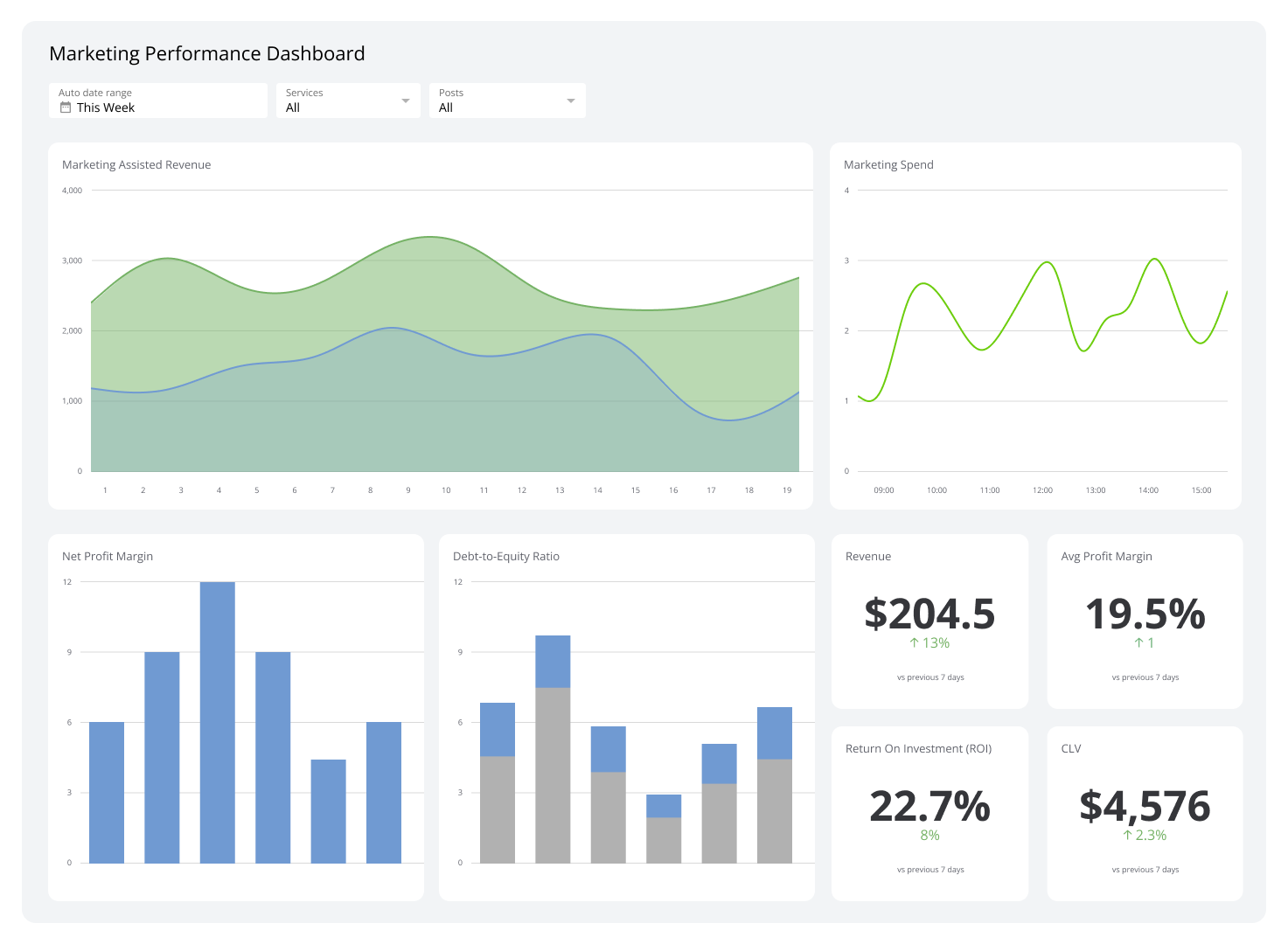
Regularly review these metrics against your baseline after implementing UX changes. This data-driven approach ensures your efforts are truly moving the needle.
Integrating UX into Your Marketing Workflow
UX isn’t a one-time project; it’s an ongoing process that should be woven into your marketing strategy. When planning new campaigns or content, always ask:

Leave a Comment