

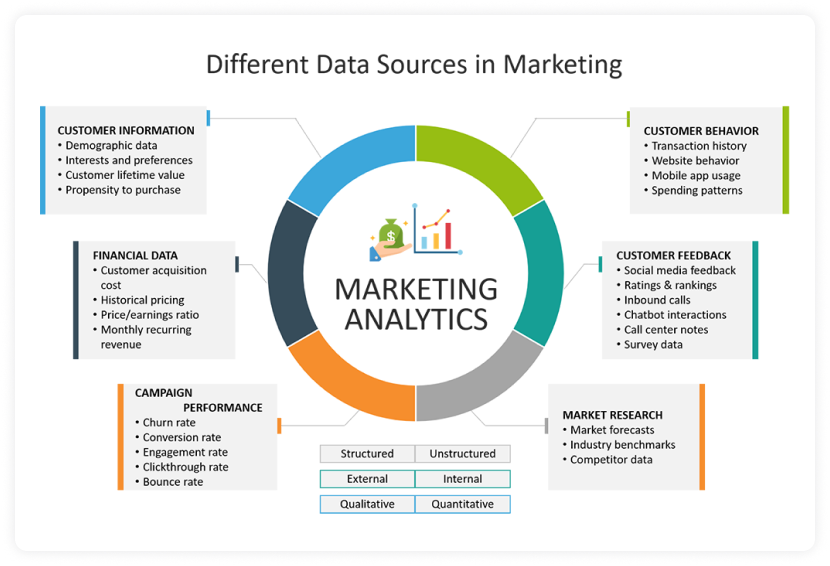
The Core Problem: Drowning in Data, Starving for Insight
Many small and mid-sized marketing teams struggle to translate raw data into tangible business growth. This article cuts through the noise, showing you how to prioritize data analysis that directly informs your marketing strategy. You’ll gain practical insights into identifying key performance indicators that matter, making informed trade-offs, and transforming your data into a clear roadmap for increasing revenue and optimizing your efforts, even with limited resources.
Most teams collect a mountain of data – website traffic, social media engagement, email open rates, ad clicks. The problem isn’t a lack of data; it’s the inability to extract actionable insights from it. Without a clear framework, this data becomes a distraction, leading to analysis paralysis or, worse, misinformed decisions. For small teams, every hour spent on irrelevant metrics is an hour not spent on execution. Our goal isn’t to collect more data, but to make the data we have work harder for us.
Prioritizing Your Data Focus: What Truly Drives Growth?
Forget vanity metrics. Your primary focus should be on data points that directly correlate with revenue, customer acquisition, and retention. For most small to mid-sized businesses, this means:
- Customer Acquisition Cost (CAC): How much does it cost to acquire a new customer? Break this down by channel to identify your most efficient acquisition paths.
- Customer Lifetime Value (CLTV): What’s the total revenue you expect from a customer over their relationship with your business? This metric is crucial for understanding the long-term viability of your acquisition efforts.
- Conversion Rates: From website visitors to leads, from leads to customers, and from first-time buyers to repeat purchasers. Pinpoint where your funnel leaks.
- Return on Ad Spend (ROAS): For any paid campaigns, this is non-negotiable. It tells you directly if your ad dollars are generating a positive return.
- Churn Rate: How many customers are you losing over a given period? High churn can negate even excellent acquisition efforts.
These metrics provide a clear picture of your business health and directly inform where to allocate your limited budget and team effort. Don’t get sidetracked by metrics that don’t directly impact these core indicators.
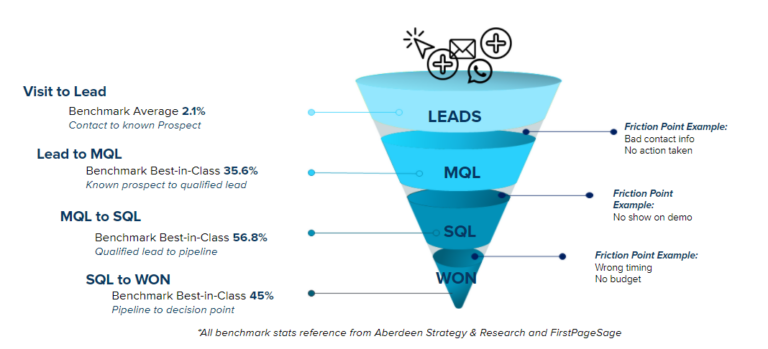
However, merely identifying these metrics is only the first step. The practical challenge for most small to mid-sized teams isn’t just knowing what to track, but how to track it reliably and then act on it. Data integrity is a silent killer of good intentions. Inconsistent tracking across platforms, manual data aggregation, and a lack of clear definitions can quickly turn these crucial numbers into misleading signals. This often leads to analysis paralysis or, worse, confident decisions based on flawed data, creating a downstream ripple effect of wasted budget and misdirected effort.
Another common pitfall is the pressure to optimize for immediate gains, often at the expense of long-term value. For instance, aggressively driving down Customer Acquisition Cost (CAC) through highly targeted, low-cost channels might seem like a win. But if those customers consistently exhibit a low Customer Lifetime Value (CLTV) or high churn, you’re effectively building a leaky bucket faster. The hidden cost here is the opportunity lost in nurturing higher-value segments, and the constant scramble to replace customers rather than grow them. This short-term bias, while understandable under budget constraints, can create a perpetual cycle of acquisition without true retention.
Given these realities and limited resources, it’s critical to make pragmatic trade-offs. While the ideal scenario involves perfectly integrated data systems providing real-time insights, attempting to build such an infrastructure from scratch is often a significant drain on time and budget that most SMBs cannot afford. Instead, deprioritize the pursuit of data perfection. Focus on getting “good enough” data from your primary sources – your ad platforms, CRM, and analytics tools – and prioritize understanding the directional trends and making informed, albeit imperfect, decisions. Waiting for pristine data often means waiting indefinitely, delaying critical actions and allowing competitors to move ahead.
From Raw Numbers to Strategic Decisions: The “So What?” Factor
Having the right metrics is only half the battle. The real work begins when you ask “So what?” about each data point. This is where practitioner judgment comes in. For example:
- High CAC on Google Ads, Low on Organic Search: This isn’t just a number; it’s a strategic signal. It suggests you might be overspending on paid channels while under-leveraging your organic potential. The action? Reallocate budget, invest more in SEO content, or refine your ad targeting.
- Low Conversion Rate on a Key Landing Page: This indicates a problem with your messaging, offer, or user experience. The action? A/B test headlines, calls to action, or simplify the form.
- Increasing Churn Rate: This points to issues with product satisfaction, customer service, or onboarding. The action? Conduct customer surveys, analyze support tickets, or refine your post-purchase communication.
Each data point should lead to a hypothesis about why it’s happening and a proposed action to test that hypothesis. This iterative process of analysis, hypothesis, action, and measurement is the engine of growth.
What often gets overlooked is that the “action” derived from a metric can be a symptom-level fix, not a root cause solution. For example, simply reallocating budget from a high-CAC channel without understanding *why* it’s high (e.g., poor targeting, weak offer, or even a product mismatch) might just starve your funnel without improving efficiency. This isn’t just a delayed consequence; it’s a second-order problem where the initial “solution” creates new, less obvious issues or simply shifts the problem elsewhere, often making it harder to diagnose later.
Furthermore, the execution of these actions rarely happens in a vacuum. “Reallocate budget” or “A/B test” sounds straightforward, but in practice, it demands cross-functional buy-in, resource allocation, and often, the difficult decision to deprioritize other initiatives. This creates significant internal friction and decision pressure, especially when initial tests don’t yield immediate, clear results. The theoretical elegance of the iterative loop often clashes with the messy reality of limited bandwidth and competing priorities within a small team.
Given these real-world constraints, it’s critical to avoid the trap of optimizing for optimization’s sake. Teams often feel compelled to “do something” quickly, leading to a focus on micro-optimizations (like tweaking button colors) when the core offer, audience targeting, or even the underlying product experience is fundamentally misaligned. It’s better to deprioritize immediate, superficial fixes and instead invest time in truly understanding the “why” behind significant metric shifts, even if it means delaying a quick A/B test to conduct deeper customer interviews or market research first. This strategic pause can prevent wasted effort on optimizing a flawed premise.
What to Deprioritize (or Skip Entirely) Today
For small to mid-sized teams, the biggest trap is trying to do too much. Today, you should deprioritize or skip deep-dive competitive analysis that doesn’t directly inform your immediate strategy. While understanding competitors is valuable, spending weeks dissecting every facet of their marketing mix when your own core conversion rates are struggling is a misallocation of resources. Focus on fixing your internal leaks first. Similarly, avoid investing heavily in complex attribution models beyond basic first-touch or last-touch until your core acquisition and retention funnels are optimized. These advanced models often require significant data infrastructure and analytical expertise that most small teams simply don’t have, and the marginal gain in accuracy rarely justifies the operational overhead when fundamental issues persist. Get the basics right, then consider the nuances.
Building an Actionable Reporting Framework
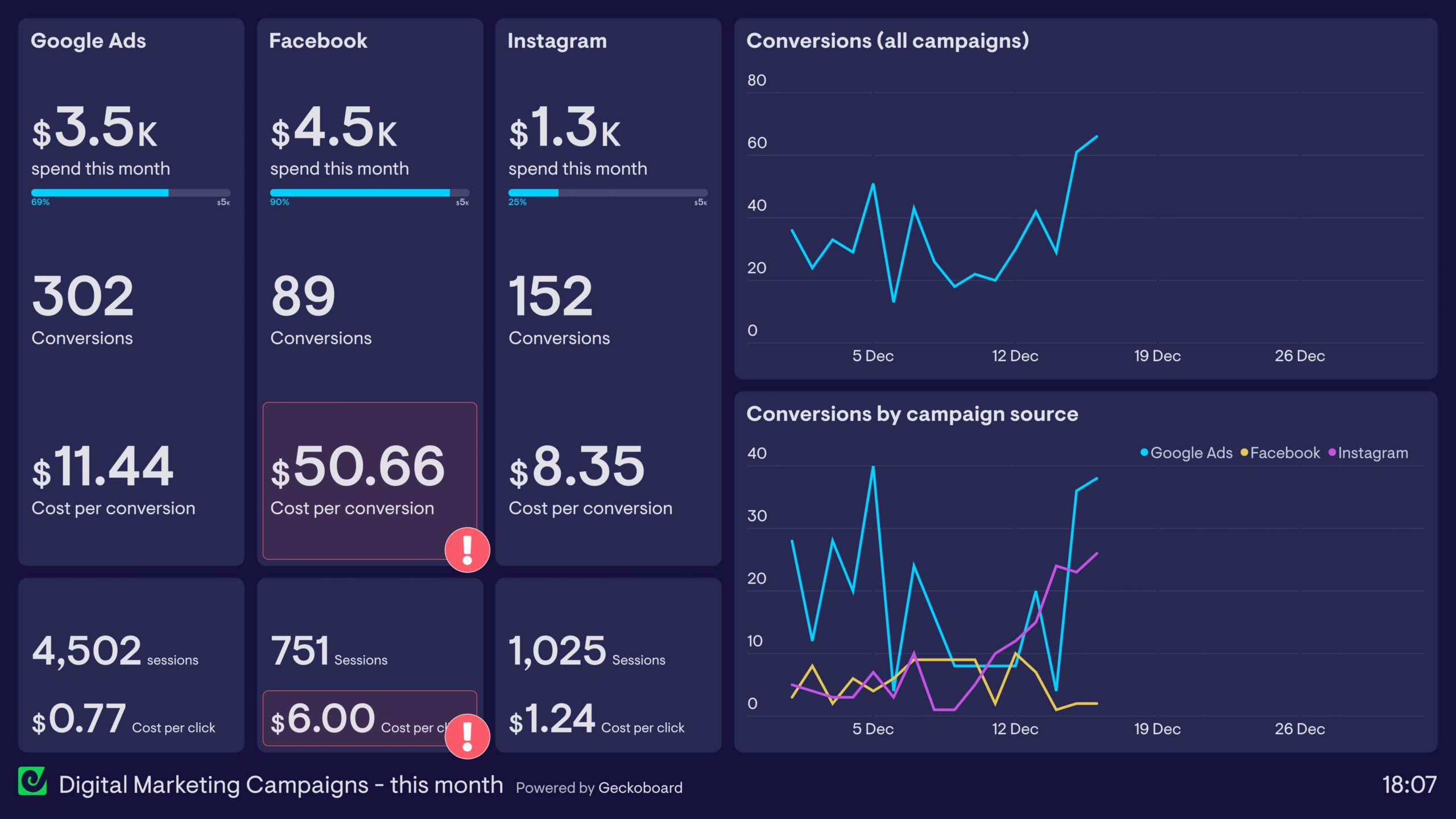
Your reporting shouldn’t be a data dump; it should be a decision-making tool. Create a dashboard that focuses only on your prioritized growth metrics. This isn’t about showing everything you collect, but about highlighting what needs attention. A good dashboard should:
- Be concise: One page, easily digestible.
- Highlight trends: Show performance over time (week-over-week, month-over-month).
- Include targets: Compare actual performance against your goals.
- Suggest actions: Ideally, each metric should prompt a question or an immediate action item.
Tools like Google Analytics 4, HubSpot, or even custom spreadsheets can serve this purpose. The key is consistency and focus. Review this dashboard weekly, not just monthly, to catch issues early and capitalize on opportunities. Google Analytics 4 custom reports
Iteration and Adaptation: The Continuous Growth Loop
Marketing data isn’t static, and neither should your strategy be. The insights you gain today will inform your actions tomorrow, but those actions will, in turn, generate new data. This creates a continuous feedback loop:
- Analyze: Review your prioritized metrics.
- Hypothesize: Formulate a theory about why performance is what it is.
- Act: Implement a change based on your hypothesis.
- Measure: Track the impact of your change on your key metrics.
- Adapt: Adjust your strategy based on the new data.
This iterative approach, often called a “growth loop,” is how small teams can outmaneuver larger competitors. It’s about being agile, learning quickly, and making data-driven adjustments rather than sticking to rigid, long-term plans that may be outdated before they’re fully implemented. Your marketing strategy should be a living document, constantly refined by real-world performance. Agile marketing for small businesses



Leave a Comment