

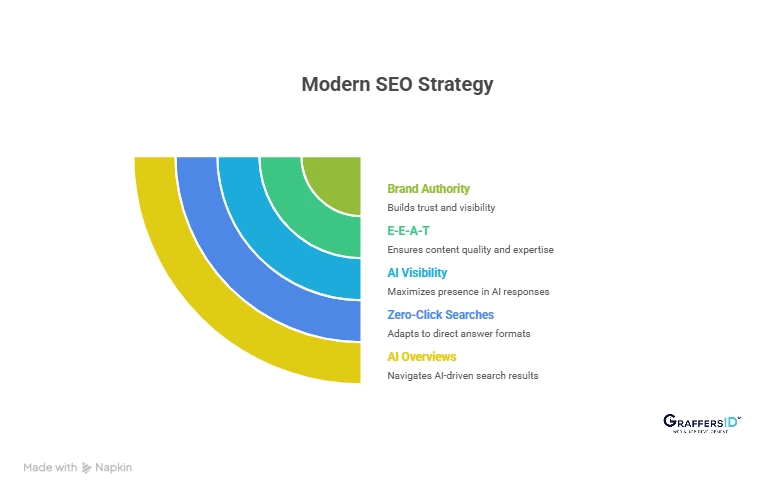
The New Era of SEO: Beyond Keywords and Rankings
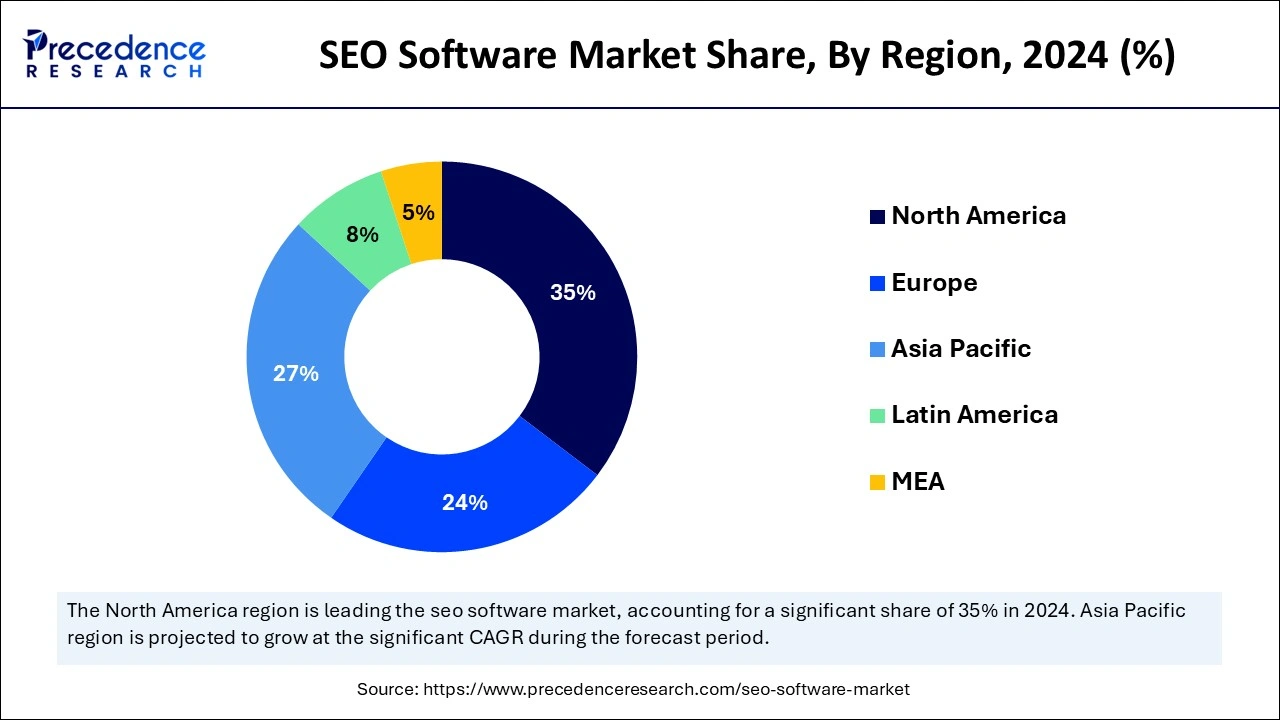
In late 2025, the landscape of SEO for market dominance looks fundamentally different than even a few years ago. It’s no longer just about stuffing keywords or chasing fleeting algorithm updates. Today, true market dominance through search means building an authoritative, trustworthy, and deeply relevant digital presence that AI-driven search engines can confidently recommend. We’re talking about holistic visibility, not just individual keyword wins. Your goal isn’t just to rank; it’s to own the conversation for your target audience.
Strategic Intent-Based Keyword Research
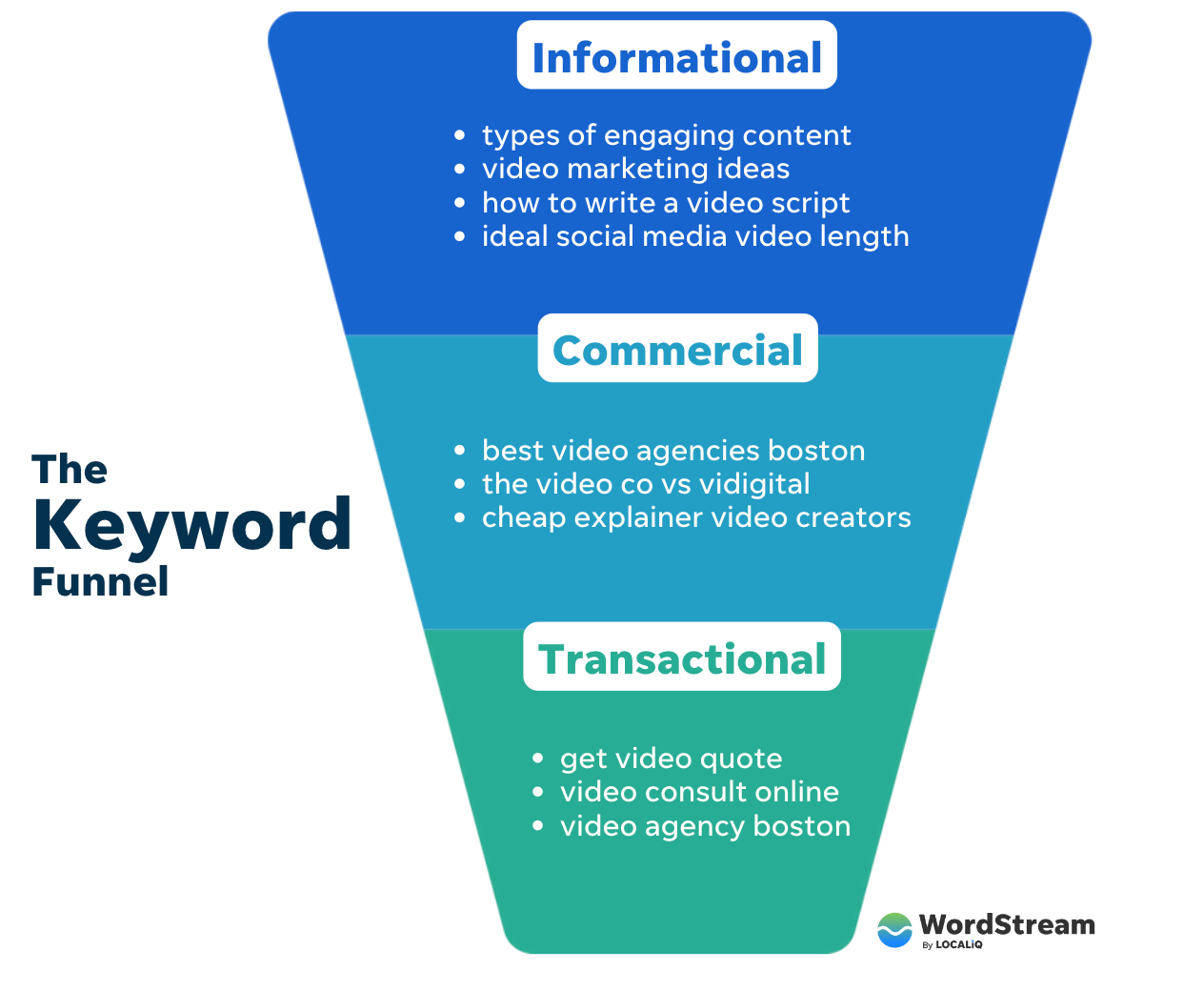
Forget the old “high volume, low competition” mantra. For dominance, you need to understand the full spectrum of user intent across the buyer’s journey. This means moving beyond single keywords to comprehensive topic clusters and semantic networks. Tools today allow for sophisticated competitive gap analysis, revealing where your rivals are weak and where you can establish authority.
- Problem-Aware Intent: “Why is my website slow?”
- Solution-Aware Intent: “Best website hosting for small business”
- Product-Aware Intent: “MarketingPlux website hosting review”
- Commercial Investigation: “Compare MarketingPlux vs. Competitor X”
Dominance isn’t just about ranking for the obvious terms; it’s about capturing the long tail of intent that cumulatively drives significant, qualified traffic.
Content as Your Competitive Moat: E-E-A-T in Action
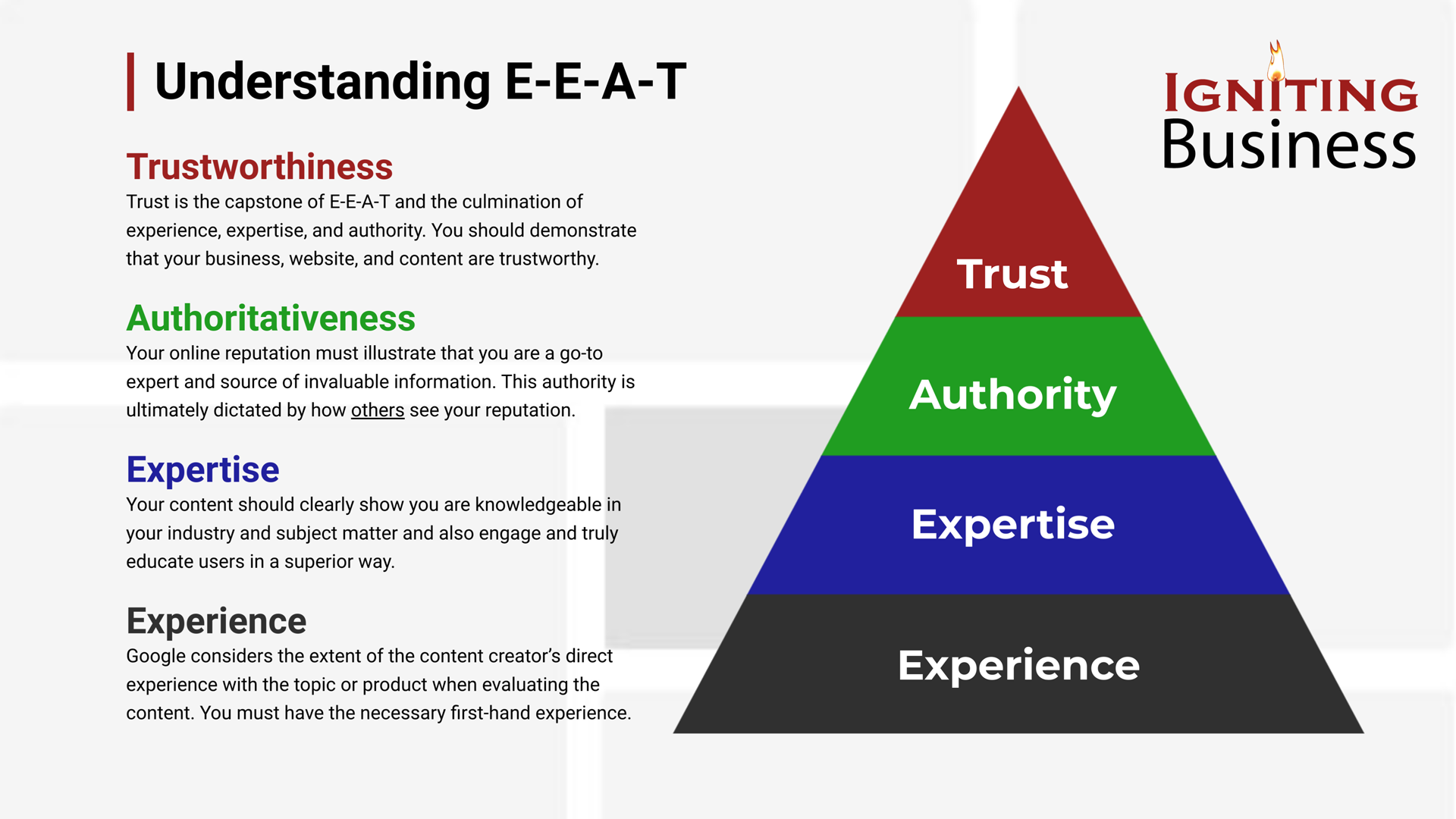
Content is still king, but its definition has evolved. To dominate, your content must demonstrate exceptional Experience, Expertise, Authoritativeness, and Trustworthiness (E-E-A-T). This isn’t about churning out generic blog posts. It’s about deep dives, original research, unique perspectives, and practical, actionable advice that solves real user problems. AI tools are invaluable here, not for generating entire articles, but for accelerating research, identifying content gaps, optimizing readability, and ensuring factual accuracy. The human touch – your unique insights and experience – remains irreplaceable.
A common pitfall I see is teams focusing solely on content quantity. While consistency matters, a single, truly authoritative piece that becomes a go-to resource for a complex topic is far more valuable for dominance than ten superficial articles. Prioritize depth and unique value over sheer volume.
Technical SEO: The Unseen Engine of Authority
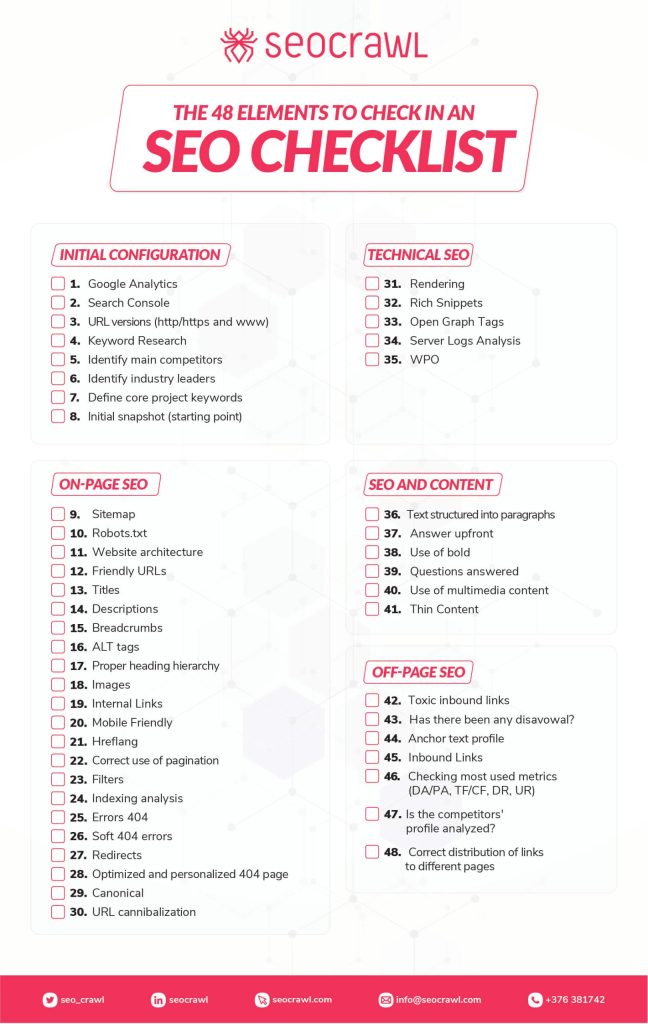
Many marketers treat technical SEO as a one-time setup, but it’s an ongoing, critical component of market dominance. A technically sound website ensures search engines can efficiently crawl, index, and understand your content. With AI playing a larger role in interpreting web content, structured data (Schema markup) is more crucial than ever for explicitly communicating the meaning and relationships within your content.
- Core Web Vitals: Optimize for speed, interactivity, and visual stability. Poor CWV directly impacts user experience and, consequently, rankings.
- Mobile-First Indexing: Ensure your mobile experience is flawless. It’s not just a preference; it’s how Google primarily indexes your site.
- Crawl Budget Optimization: Especially for large sites, ensure search engine bots are spending their limited “budget” on your most valuable pages.
- Structured Data: Implement relevant Schema types (e.g., Article, Product, FAQ, HowTo) to provide explicit context to search engines.
Building Authority Beyond Links: Digital PR & Entity Recognition
While backlinks remain a strong signal, the focus has shifted. It’s less about link quantity and more about the quality, relevance, and naturalness of your link profile. For market dominance, think broader: digital PR, brand mentions, and establishing your brand as a recognized entity within your industry. Search engines are increasingly sophisticated at understanding entities (people, organizations, concepts) and their relationships. Being frequently mentioned by authoritative sources, even without a direct link, contributes to your entity’s strength and overall authority.
This approach may not work well for brands operating in highly niche, obscure B2B markets with very few established publications or influencers. In such cases, direct outreach and relationship building for specific, high-value links might still be the primary driver, rather than broad digital PR campaigns.

Measuring True Dominance: Beyond Rank Tracking
If you’re only tracking individual keyword rankings, you’re missing the bigger picture of market dominance. True measurement involves a broader set of metrics:
- Share of Voice (SOV): How much of the total search visibility for your target topics do you own compared to competitors?
- Brand Mentions & Sentiment: Track how often your brand is mentioned across the web and the sentiment surrounding those mentions.
- Organic Traffic & Conversions: Focus on the quality and intent of traffic, and its direct impact on your business goals (leads, sales, sign-ups).
- SERP Feature Dominance: Are you appearing in featured snippets, knowledge panels, image packs, or video carousels? These are prime visibility spots.
A common mistake is to obsess over a few “vanity” keywords. While important, a holistic view of your organic footprint and its business impact provides a far more accurate picture of your market position.
AI in Your SEO Workflow: Augmentation, Not Automation
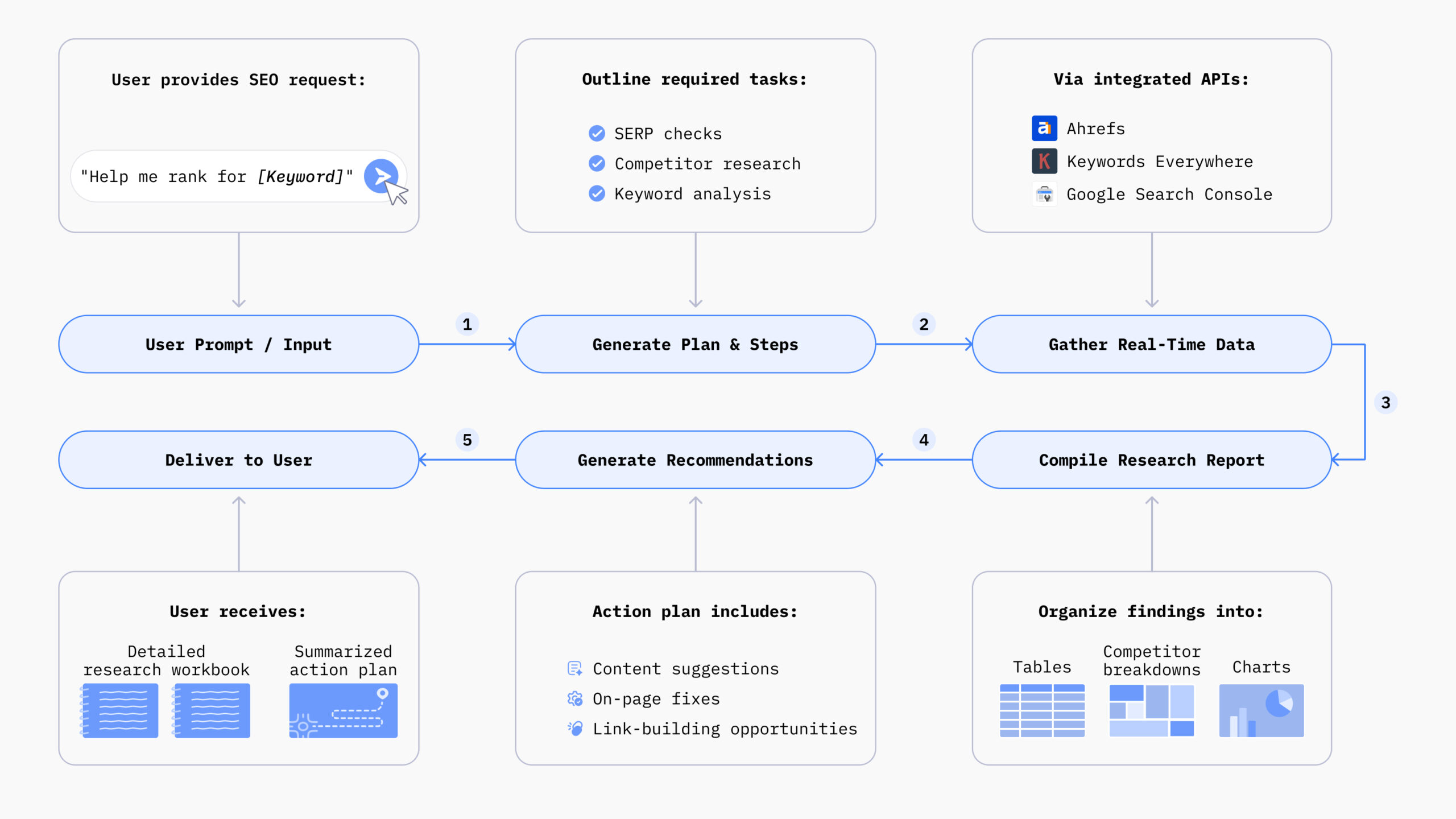
The rise of advanced AI tools has transformed SEO, but it’s crucial to view AI as an augmentation tool, not a full automation solution. AI excels at data analysis, pattern recognition, content ideation, competitive analysis, and even drafting initial content outlines. It can significantly accelerate your workflow and uncover insights human analysts might miss. However, the strategic direction, the unique voice, the E-E-A-T signals, and the final editorial judgment must remain with human practitioners. Blindly trusting AI to generate entire SEO strategies or content without human oversight is a recipe for generic, undifferentiated results that will struggle to achieve dominance.
Building Your SEO Dominance Roadmap
Achieving market dominance through SEO is a long-term play, requiring consistent effort and adaptation. Start by auditing your current position against competitors across all these dimensions. Prioritize areas where you have the greatest opportunity for impact, whether it’s shoring up technical foundations, creating cornerstone content, or launching a targeted digital PR campaign. The SEO landscape will continue to evolve, driven by AI and user behavior shifts, so continuous learning and agile strategy adjustments are paramount. Your roadmap should be a living document, regularly reviewed and refined based on performance data and emerging trends.



Leave a Comment