


Focusing Your Marketing Firepower with AI
For small to mid-sized businesses, every marketing dollar and hour counts. The goal isn’t just more customers, it’s more high-value customers – those who contribute significantly to your bottom line and stick around longer. This article cuts through the AI hype to show you how precision marketing, powered by accessible AI tools, can help you identify, target, and attract these crucial customers without overstretching your limited budget or team.
You’ll gain practical insights into prioritizing your efforts, understanding which AI applications deliver real-world results for SMBs, and what to deprioritize to avoid common pitfalls. The aim is to make smarter decisions that drive tangible growth, even with imperfect execution.
What Precision Marketing Means for SMBs Today
Precision marketing, at its core, is about delivering the right message to the right person at the right time. For SMBs, this isn’t about massive data lakes or bespoke algorithms; it’s about smart segmentation and targeted communication. In 2026, AI has made this significantly more achievable, even for lean teams.
- Data-Driven Segmentation: Moving beyond basic demographics to behavioral and psychographic insights.
- Personalized Messaging: Crafting content and offers that resonate deeply with specific customer segments.
- Optimized Channel Selection: Reaching customers where they are most receptive, rather than broadcasting widely.
- Measurable Impact: Directly linking marketing efforts to customer acquisition, retention, and lifetime value.
What often gets overlooked in the pursuit of precision is the ongoing operational burden. Establishing data-driven segments isn’t a one-time project; it requires continuous monitoring and refinement. Customer behaviors shift, market dynamics evolve, and new product launches demand updated segmentation logic. Without dedicated resources for this maintenance, what starts as “smart segmentation” can quickly become stale, leading to messages that miss the mark and erode trust, effectively undoing the initial investment.
Another common pitfall is the temptation to over-segment. While the theory suggests more granularity equals more precision, in practice, creating and maintaining too many distinct segments can quickly overwhelm lean teams. Each new segment demands unique content, tailored offers, and specific channel strategies. This often leads to diluted effort, inconsistent execution, and a significant increase in content production overhead that small teams simply cannot sustain. The real challenge lies in identifying the optimal number of segments that provide meaningful differentiation without becoming an operational bottleneck.
Furthermore, the emphasis on “measurable impact” can inadvertently steer teams towards easily attributable, short-term gains. While direct ROI is crucial, an exclusive focus on immediate conversions might deprioritize longer-term brand building, customer loyalty initiatives, or more complex journeys that don’t fit neatly into last-click attribution models. This creates internal pressure to chase quick wins, potentially sacrificing strategic depth for easily reportable numbers, and can lead to a skewed understanding of true marketing effectiveness over time.
Leveraging AI for High-Value Customer Identification
Identifying high-value customers (HVCs) is the first critical step. AI tools, often embedded within platforms you already use, can sift through customer data to reveal patterns human analysis might miss. This isn’t about predicting the future with perfect accuracy, but about making informed bets.
- CRM Analytics: Modern CRMs like HubSpot often include AI-driven features that can score leads, identify churn risks, and highlight customers with high purchase frequency or average order value. Use these built-in capabilities first.
- Website Analytics: Tools like Google Analytics 4 (GA4) use machine learning to identify user segments with higher engagement or conversion potential. Focus on understanding user journeys that lead to high-value actions.
- Purchase History Analysis: For e-commerce, AI can help segment customers based on past purchases, identifying those likely to buy premium products or make repeat purchases. Platforms like Shopify have apps that integrate this functionality.
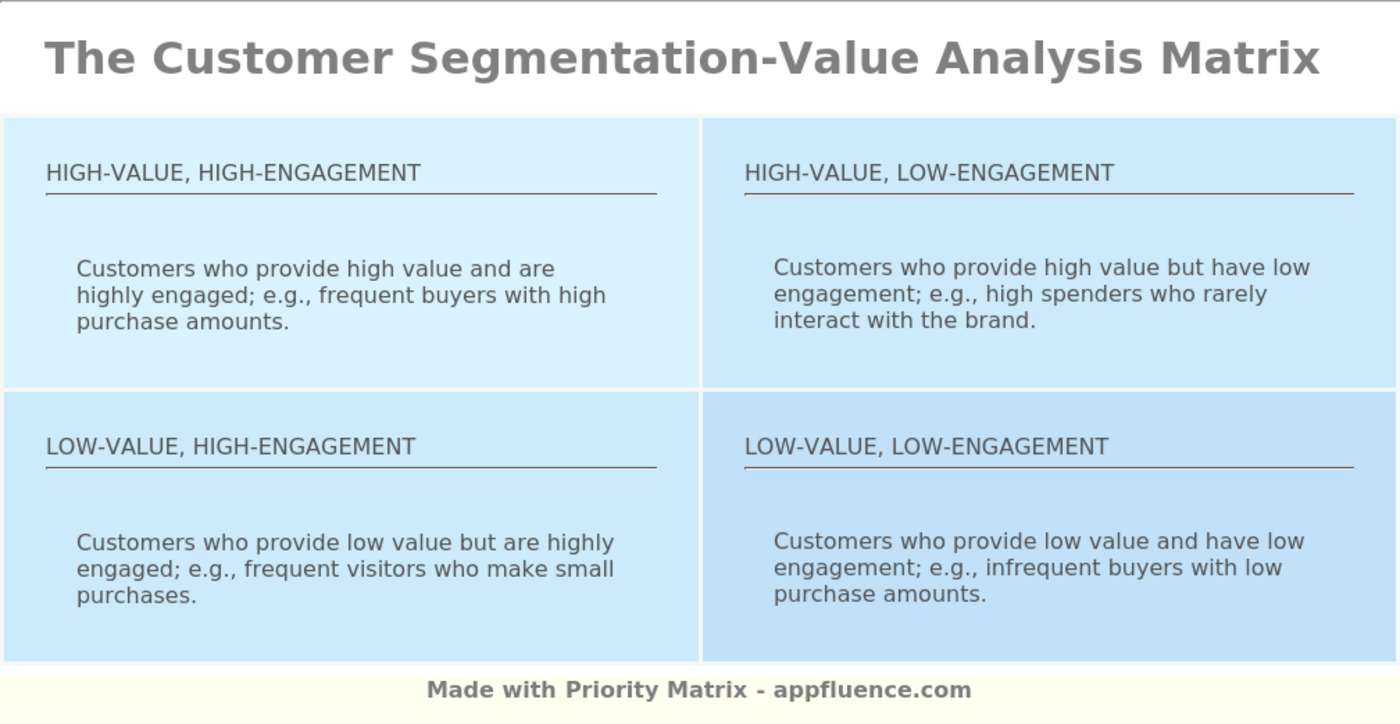
What’s often overlooked is the foundational requirement for any AI-driven insight: clean, consistent data. Enabling an AI feature in your CRM or analytics platform is easy, but if your underlying customer records are incomplete, duplicated, or inconsistent, the AI’s output will be flawed. This isn’t just a minor inaccuracy; it leads to misidentified HVCs, wasted marketing spend targeting the wrong segments, and a general erosion of trust in the very tools meant to help. The hidden cost here is the ongoing, often tedious, effort required to maintain data hygiene, a task frequently deprioritized until its downstream effects become undeniable.
Beyond identification, the real challenge for lean teams lies in actionability. An AI might flag a customer as ‘high-value,’ but without understanding the why—what specific behaviors or attributes contribute to that value—it’s difficult to craft a tailored strategy. Teams can find themselves with a list of names but no clear path for engagement, leading to decision paralysis or generic outreach that misses the mark. This also creates friction when AI outputs contradict the team’s existing intuition; balancing data-driven insights with hard-won practical experience requires careful judgment, not blind adherence to a score.
Furthermore, these AI models are not set-it-and-forget-it solutions. Customer preferences evolve, market dynamics shift, and your own product or service offerings change. An HVC definition that was accurate six months ago might no longer hold true today. Overlooking the need for periodic review and retraining of these models is a common pitfall. The delayed consequence is a gradual degradation of the AI’s effectiveness, leading to diminishing returns on your efforts without a clear understanding of why the ‘smart’ insights are no longer yielding results. This ongoing maintenance is a critical, yet often unbudgeted, operational overhead.
Practical AI Applications for Targeted Engagement
Once you know who your HVCs are, AI helps you reach them effectively. The key is to use AI as an enhancement to your existing marketing efforts, not a complete overhaul.
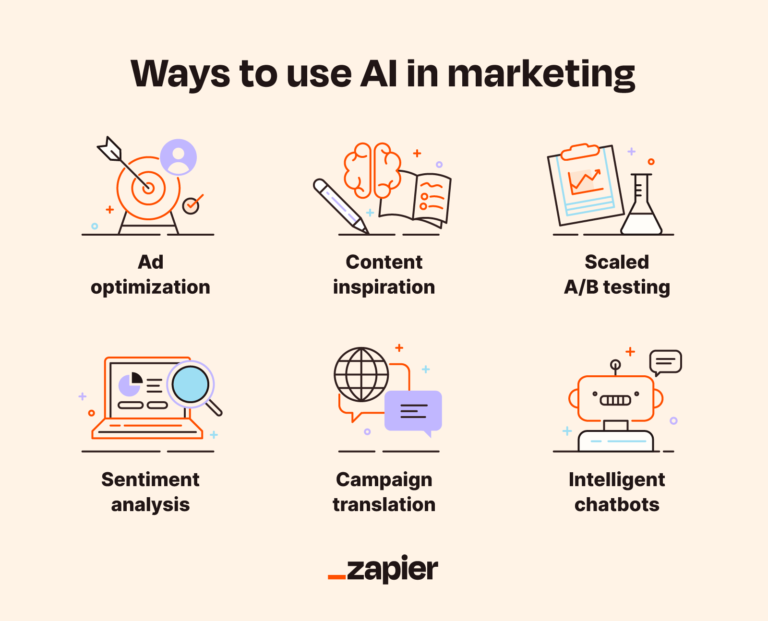
- Ad Platform Optimization: Google Ads and Meta Ads leverage AI extensively for audience targeting, bid management, and creative optimization. Focus on feeding these platforms clean data and clear conversion goals. Their algorithms are designed to find users similar to your existing HVCs.
- Content Personalization: Simple AI tools can help tailor email subject lines, product recommendations on your website, or even dynamic content blocks based on user behavior. This could be as basic as using merge tags in email marketing or leveraging e-commerce platform features.
- Chatbots and Virtual Assistants: For customer service, AI-powered chatbots can qualify leads, answer common questions, and direct HVCs to human agents, improving their experience and freeing up your team.
Prioritizing Your Precision Marketing Efforts
With limited resources, prioritization is non-negotiable. Start with the foundational elements that yield the most immediate and measurable impact.
- Clean Your Data: This is paramount. AI is only as good as the data it’s fed. Invest time in ensuring your CRM, email lists, and website analytics data are accurate and consistent. Without this, any AI effort will be flawed.
- Define Your High-Value Customer Profile: Clearly articulate what makes a customer high-value for your business (e.g., high LTV, specific product purchases, referral potential). This informs your AI tool setup.
- Leverage Existing Platform AI: Start with the AI features already built into your CRM, ad platforms, and e-commerce solutions. These are often designed for ease of use and provide significant value without requiring deep technical expertise.
- Implement Basic Segmentation and Personalization: Begin with simple email segmentation based on purchase history or website behavior. Gradually introduce dynamic content or personalized product recommendations.
- Measure and Iterate: Consistently track key metrics like customer lifetime value (LTV), customer acquisition cost (CAC) for HVCs, and conversion rates for targeted campaigns. Use these insights to refine your approach.
What to Deprioritize and Avoid Today
For small to mid-sized teams, the biggest trap in the AI era is over-engineering or chasing every new trend. Today, you should deprioritize or completely avoid:
- Building Custom AI Models: Unless you have a dedicated data science team and a massive, unique dataset, developing your own AI models is an unnecessary drain on resources. The ROI for SMBs is rarely there.
- Investing in Complex Data Warehouses: Focus on integrating your existing data sources (CRM, e-commerce, analytics) rather than building a bespoke data warehouse. Many modern platforms offer sufficient integration capabilities.
- Chasing Every New AI Tool: The market is flooded with AI tools. Resist the urge to adopt every new solution. Stick to tools that directly address a defined business problem and integrate well with your existing stack. Complexity kills execution for lean teams.
- Ignoring Data Privacy: Do not cut corners on data privacy and compliance. Reputational damage and legal issues far outweigh any perceived short-term gains from aggressive data collection.
Measuring Success Beyond Vanity Metrics
Precision marketing with AI isn’t about getting more clicks; it’s about driving profitable growth. Focus on metrics that directly reflect business value.
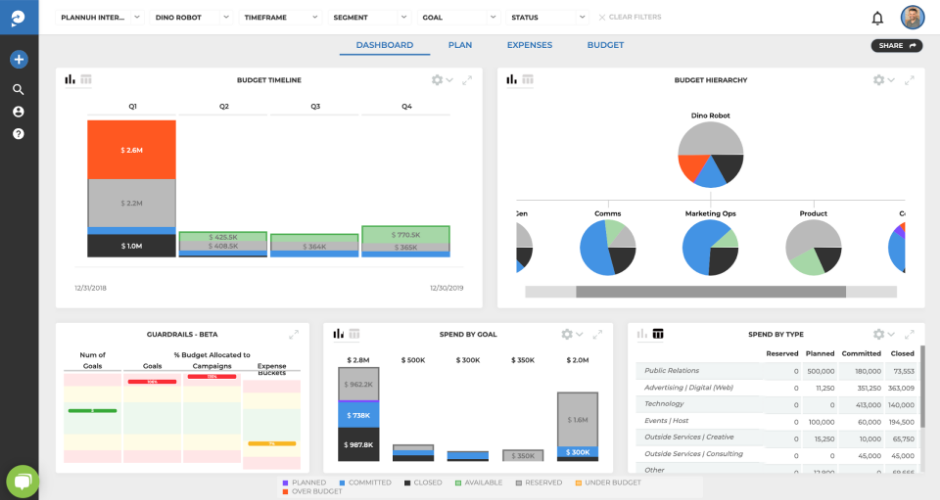
- Customer Lifetime Value (LTV): Track the average revenue a customer generates over their relationship with your business. This is the ultimate measure of attracting high-value customers.
- Customer Acquisition Cost (CAC) for HVCs: How much does it cost to acquire a high-value customer specifically? Compare this to your overall CAC.
- Return on Ad Spend (ROAS) for Targeted Campaigns: For your AI-optimized ad campaigns, measure the revenue generated against the ad spend.
- Conversion Rate by Segment: See how your personalized campaigns perform for different high-value segments compared to broader campaigns.
- Retention Rate: Are your precision marketing efforts leading to higher customer retention, especially among your HVCs?
The Path Forward: Smart, Focused Growth
Precision marketing, amplified by AI, is not about magic; it’s about making smarter, more focused decisions. For SMBs, this means leveraging the AI capabilities embedded in the platforms you already use, prioritizing clean data, and relentlessly focusing on the high-value customer segments that truly drive your business forward. By doing so, you can achieve significant growth without the need for a massive budget or an army of data scientists. It’s about working smarter, not just harder, to attract and retain the customers who matter most.


Leave a Comment