

In today’s competitive digital landscape, generating leads efficiently is crucial for business growth. Simply attracting traffic isn’t enough; the true challenge lies in optimizing your marketing campaigns to convert that traffic into qualified leads. This MarketingPlux guide explores actionable strategies, data-driven insights, and the power of AI to help you refine campaigns, reduce wasted spend, and significantly boost your lead generation efforts.
We’ll cover how a deep understanding of your audience, combined with rigorous data analysis and continuous testing, can transform your campaigns. By focusing on practical implementation, you can build a robust lead generation engine that consistently delivers high-quality prospects ready for conversion.
Understanding Your Target Audience and Lead Journey
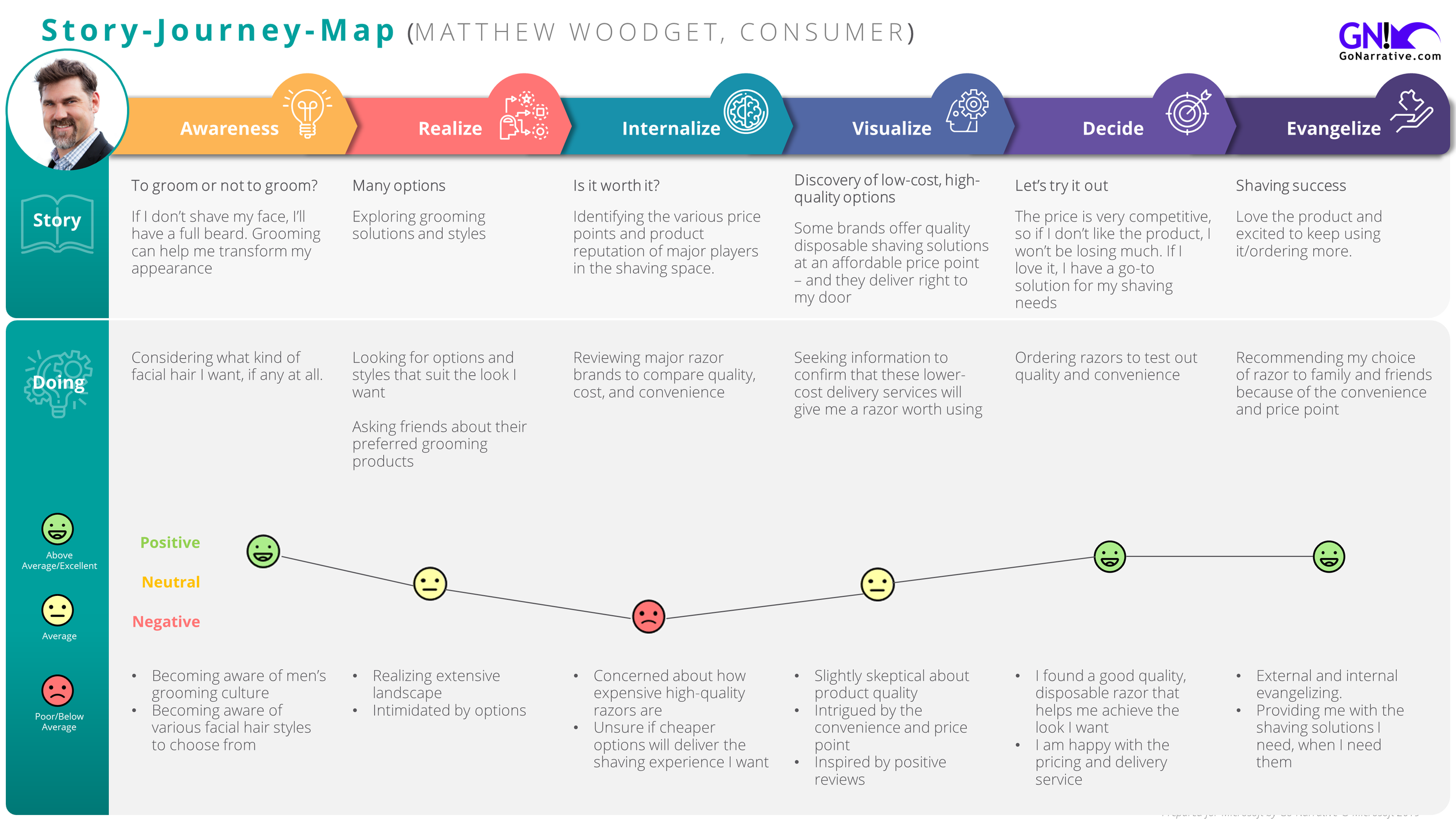
Effective lead generation starts with a profound understanding of your target audience. Develop detailed buyer personas, encompassing demographics, psychographics, pain points, and motivations. Knowing your audience’s challenges allows you to craft messaging that resonates, positioning your solution as their answer.
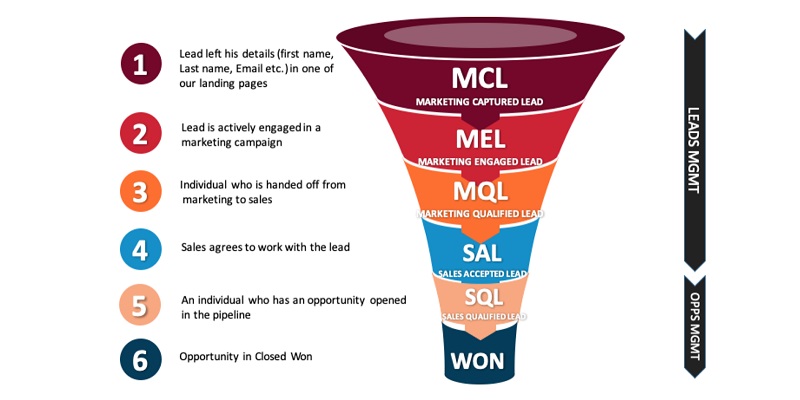
Map the customer journey from initial awareness to becoming a qualified lead. Identify every touchpoint, from social media ads to landing pages and email sequences. Each stage requires specific content and calls-to-action designed to nurture interest and guide prospects down the funnel. This ensures campaigns are precisely aimed at individuals most likely to convert, optimizing every marketing dollar.
Leveraging Data for Campaign Optimization
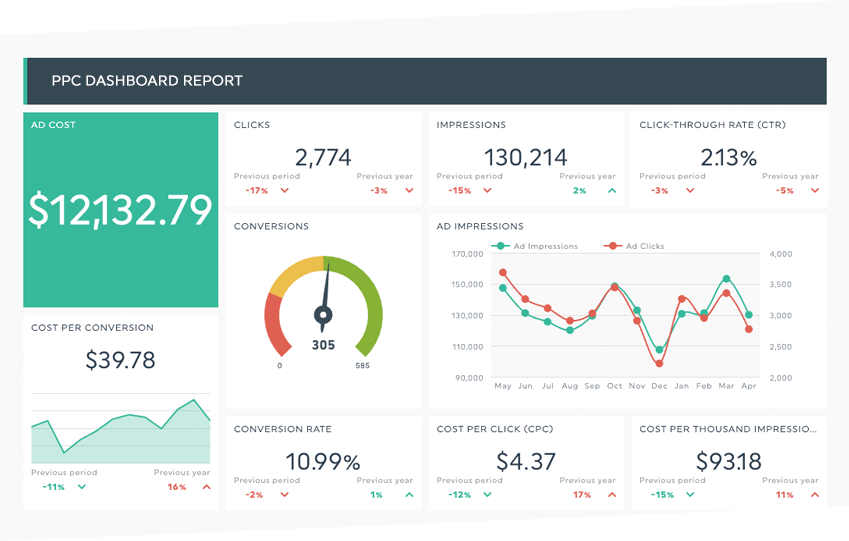
Data is the backbone of successful optimization. Utilize analytics from your website, ad platforms, and CRM to gain insights into campaign performance. Key metrics like click-through rates (CTR), conversion rates, and cost per lead (CPL) reveal strengths and weaknesses, helping identify underperforming elements quickly.
Dive deeper into user behavior data, analyzing bounce rates, time on content, and conversion paths to pinpoint bottlenecks. These insights enable informed decisions on budget reallocation, targeting adjustments, and creative refreshes. Data also facilitates sophisticated audience segmentation, allowing for highly personalized messages that result in higher engagement and conversion rates.
A/B Testing and Iterative Improvement
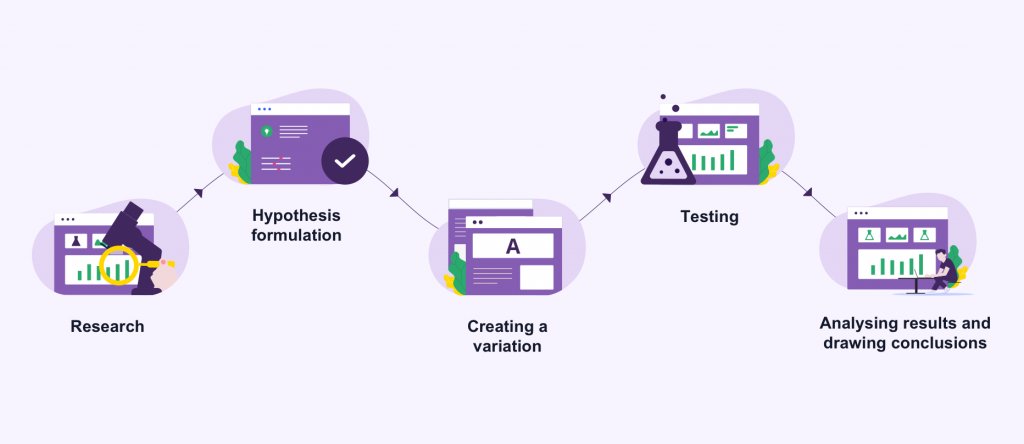
A/B testing is fundamental for continuous campaign optimization. Create two versions of an asset (A and B) with a single variable changed, then test to determine which performs better. Common elements include ad headlines, CTAs, landing page layouts, images, and form fields.
For effective A/B testing, change only one variable at a time to accurately attribute performance differences. Define clear hypotheses, determine sample size, and run tests long enough for statistical significance. Documenting results, even from inconclusive tests, provides valuable learning for future iterations. This iterative process of testing, analyzing, and implementing improvements leads to substantial gains in lead volume and quality over time.
Content Strategy for Lead Generation
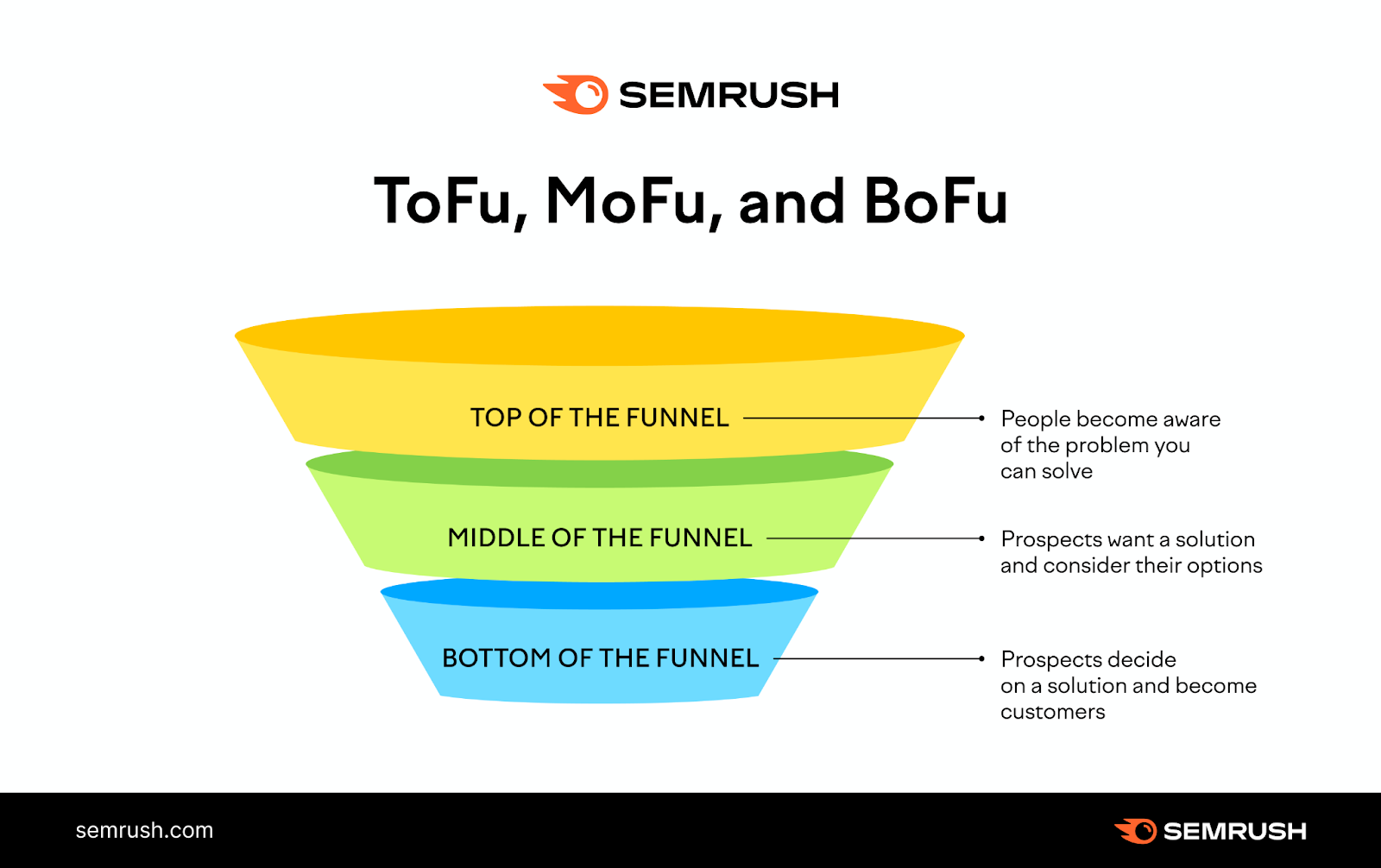
Your content is a primary driver of lead generation, attracting and nurturing prospects. Develop a strategy aligned with buyer personas and their needs at different funnel stages: top-of-funnel (blog posts), middle-of-funnel (guides, webinars), and bottom-of-funnel (case studies, free trials).
Optimize content for both search engines (SEO) and conversion. Ensure it addresses relevant keywords, provides genuine value, and includes clear, compelling calls-to-action. Lead magnets like e-books or checklists are powerful for capturing contact information. Personalize content delivery using marketing automation to serve relevant content based on past interactions, increasing the likelihood of lead progression.
Integrating AI for Enhanced Lead Optimization
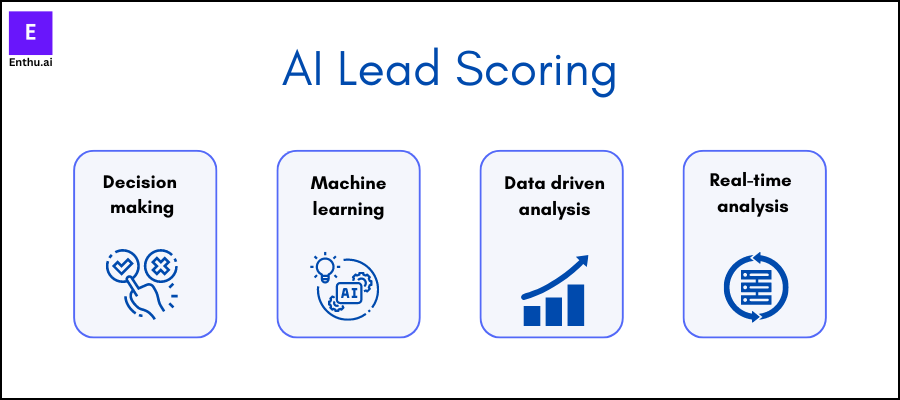
Artificial intelligence (AI) revolutionizes lead generation by providing capabilities beyond human analysis. AI-powered tools analyze vast datasets to predict which leads are most likely to convert, enabling sophisticated lead scoring. This allows sales and marketing teams to prioritize high-potential prospects, optimizing resource allocation and improving conversion rates.
AI also enhances campaign targeting and personalization. Machine learning algorithms dynamically adjust ad placements and content based on real-time user behavior, ensuring optimal message delivery. AI-powered chatbots engage visitors, answer questions, and qualify leads 24/7, providing immediate value. By automating repetitive tasks, AI frees up your marketing team for strategic planning, leading to significant improvements in efficiency and lead quality.
Measuring Success and Scaling Your Efforts
Optimizing campaigns requires measuring success beyond just lead volume. Focus on KPIs reflecting lead quality and downstream impact, such as MQL to SQL conversion rates, customer acquisition cost (CAC), and marketing ROI. Regular reporting and analysis are critical to understanding the true value of your optimized campaigns.
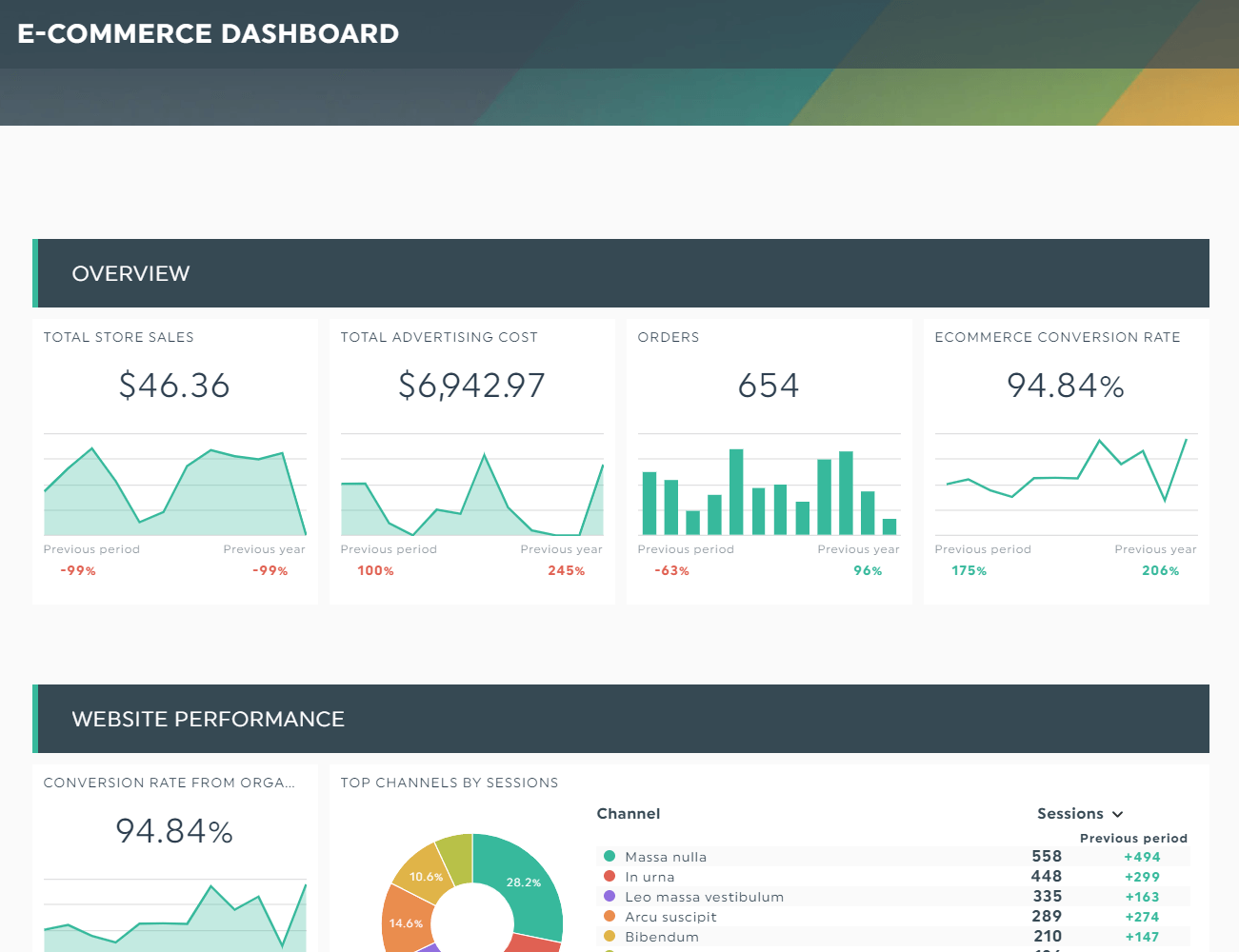
Establish a consistent reporting cadence to review performance, identify trends, and pinpoint areas for improvement. Leverage dashboards for a holistic view of your lead generation funnel, enabling data-backed decisions and adaptation to market shifts. Once successful strategies are identified, scale them responsibly by expanding channels or increasing budget for high-performing campaigns, always with continued monitoring for sustained growth and efficiency.



Leave a Comment