


In today’s marketing landscape, AI isn’t just a buzzword; it’s a practical tool that changes how small to mid-sized businesses operate. For teams with limited budgets and headcount, the challenge isn’t just adopting AI, but knowing which skills to cultivate to actually drive results. This article cuts through the noise to focus on the core competencies that will empower your team to make smarter decisions, optimize campaigns, and achieve tangible growth, even with imperfect execution.
You’ll learn to identify the most impactful skills for your current situation, understand where to focus your training efforts, and critically, what to deprioritize to avoid wasting precious resources on approaches that don’t deliver real-world value.
Strategic Data Interpretation: Beyond the Dashboard
AI tools now generate vast amounts of data and insights, often presented in sophisticated dashboards. The essential skill isn’t merely reading these reports, but interpreting what the data *actually means* for your specific business goals. This involves moving past surface-level metrics to identify actionable patterns, understanding the difference between correlation and causation, and translating complex insights into clear, executable marketing strategies. For SMBs, this means focusing on the ‘so what’ – what immediate action can be taken to improve performance or address a challenge. Without this interpretive layer, AI-generated data is just noise.
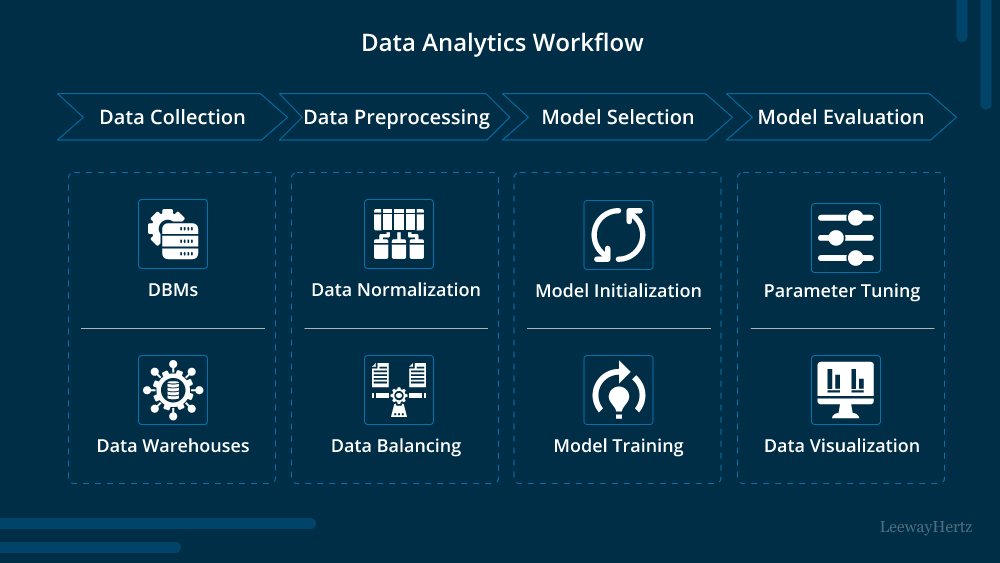
Prioritize developing your team’s critical thinking around data. Instead of just accepting AI’s conclusions, challenge them. Ask: Why is this happening? What’s the underlying customer behavior? This depth of understanding is what truly differentiates effective marketing in an AI-enhanced world.
Prompt Engineering for Practical Output
The utility of AI in marketing is directly tied to the quality of the input you provide. Prompt engineering isn’t a technical coding skill; it’s about structuring requests to AI models to get usable, relevant output for specific marketing tasks. This includes understanding the AI’s capabilities and limitations, iterating on prompts to refine results, and knowing how to guide the AI to produce content that aligns with your brand voice, strategic objectives, and target audience. It’s less about finding the ‘magic prompt’ and more about a systematic approach to communication with the AI.
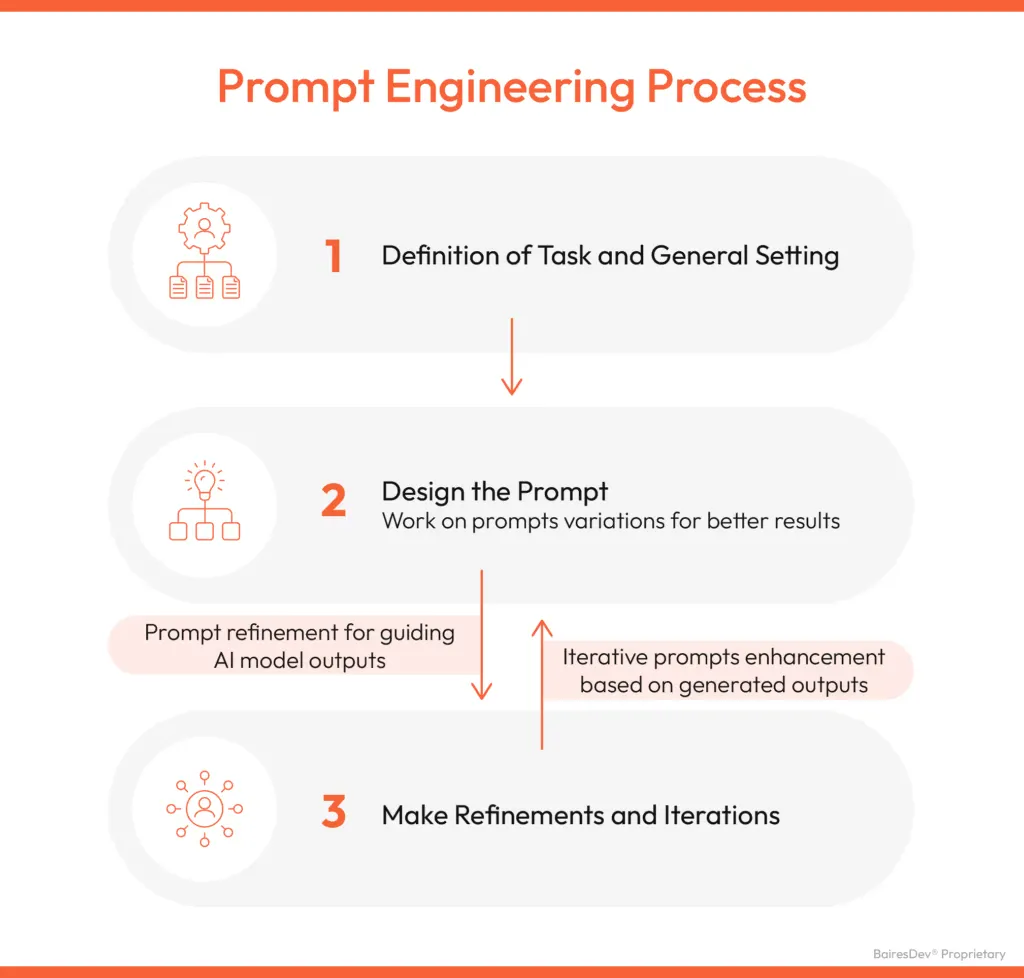
For practitioners, this means learning to break down complex tasks into smaller, clear instructions for the AI, providing context, and specifying desired formats or tones. Don’t expect AI to do your thinking; it’s a powerful assistant that requires clear direction and human oversight to produce marketing assets that truly resonate and drive conversions. This skill saves significant time in content creation, ideation, and analysis.
While the immediate time savings from AI are attractive, the hidden costs of inadequate prompt engineering often surface later. Teams can quickly accumulate a volume of AI-generated content that, while technically complete, is strategically misaligned or lacks the necessary nuance. This isn’t just wasted effort; it creates a backlog of material requiring extensive human revision or, worse, complete abandonment. The initial efficiency gain is then offset by the downstream burden of quality control, leading to a net loss in productivity and a growing skepticism within the team about the AI’s true utility.
This operational friction often stems from the practical pressure to deliver. In theory, we iterate until perfect. In practice, tight deadlines and limited human resources push teams to accept “good enough” AI output rather than investing the time to refine prompts further. The decision of when to stop iterating and simply edit the existing output becomes a critical, often frustrating, judgment call. Over-optimizing prompts can be as inefficient as under-optimizing them, creating a new kind of time sink. The real skill lies in recognizing the point of diminishing returns for prompt refinement and knowing when to pivot to human editing to meet the project’s strategic goals and timeline.
Customer Empathy and Ethical AI Use
As AI automates more routine marketing tasks, the human element of understanding your customer becomes even more critical. Customer empathy – a deep understanding of your audience’s needs, pain points, and motivations – ensures that AI-generated content and campaigns remain authentic, relevant, and avoid alienating your audience. It’s the human filter that prevents AI from producing generic or tone-deaf messaging.
Alongside empathy comes ethical AI use. Considerations around data privacy, potential biases in AI outputs, and transparency with customers are not just compliance issues; they are fundamental trust builders. Blindly automating customer interactions or content creation without a deep understanding of your audience and ethical implications risks damaging brand reputation faster than any efficiency gain. Prioritize training your team to review AI outputs through an ethical and customer-centric lens.
What often gets overlooked is the subtle erosion of institutional empathy. When AI becomes the primary content generator, the human team’s direct exposure to raw customer feedback, nuanced conversations, and emerging pain points can diminish. The ’empathy muscle’ atrophies if not actively exercised. This isn’t just about reviewing AI output; it’s about the team’s own continuous learning and evolving understanding of the customer. If the AI is the main interface, and the team only tweaks its output, they risk missing new trends in customer sentiment or fresh pain points that the AI, trained on historical data, isn’t yet equipped to identify. The delayed consequence is a brand that slowly drifts out of sync with its audience.
This leads directly to a non-obvious failure mode: the efficiency illusion. The promise of AI is speed and volume, which naturally creates internal pressure to push content out faster. While teams might start with diligent reviews, as the sheer volume of AI-generated content increases, review fatigue becomes a real operational challenge. That ‘ethical and customer-centric lens’ can quickly devolve into a quick glance or a rubber stamp, especially when deadlines loom and resources are stretched thin. The biases or generic messaging AI was meant to prevent then start slipping through, not due to malicious intent, but as a practical consequence of operational realities and human limitations.
Furthermore, many teams fall into the trap of viewing ethical AI use and empathy as a post-production cleanup task. In practice, it’s far more effective and less resource-intensive to bake these considerations into the initial prompting, data selection, and model training phases. Constantly ‘fixing’ problematic AI outputs after they’re generated is a reactive, inefficient approach that consumes valuable human time. This time could be better spent on deeper customer research or refining the initial strategic inputs. The hidden cost here is the opportunity cost of perpetual correction, which not only drains team morale but also prevents proactive, strategic work that truly moves the needle.
The Art of Rapid Experimentation and Iteration
The AI landscape evolves quickly, making an agile mindset indispensable. Modern marketers need to be comfortable testing new tools, strategies, and AI applications on a small scale, analyzing results, and iterating rapidly. This isn’t about chasing every shiny object; it’s about systematically integrating AI into existing workflows to find efficiencies and new opportunities that genuinely move the needle for your business.
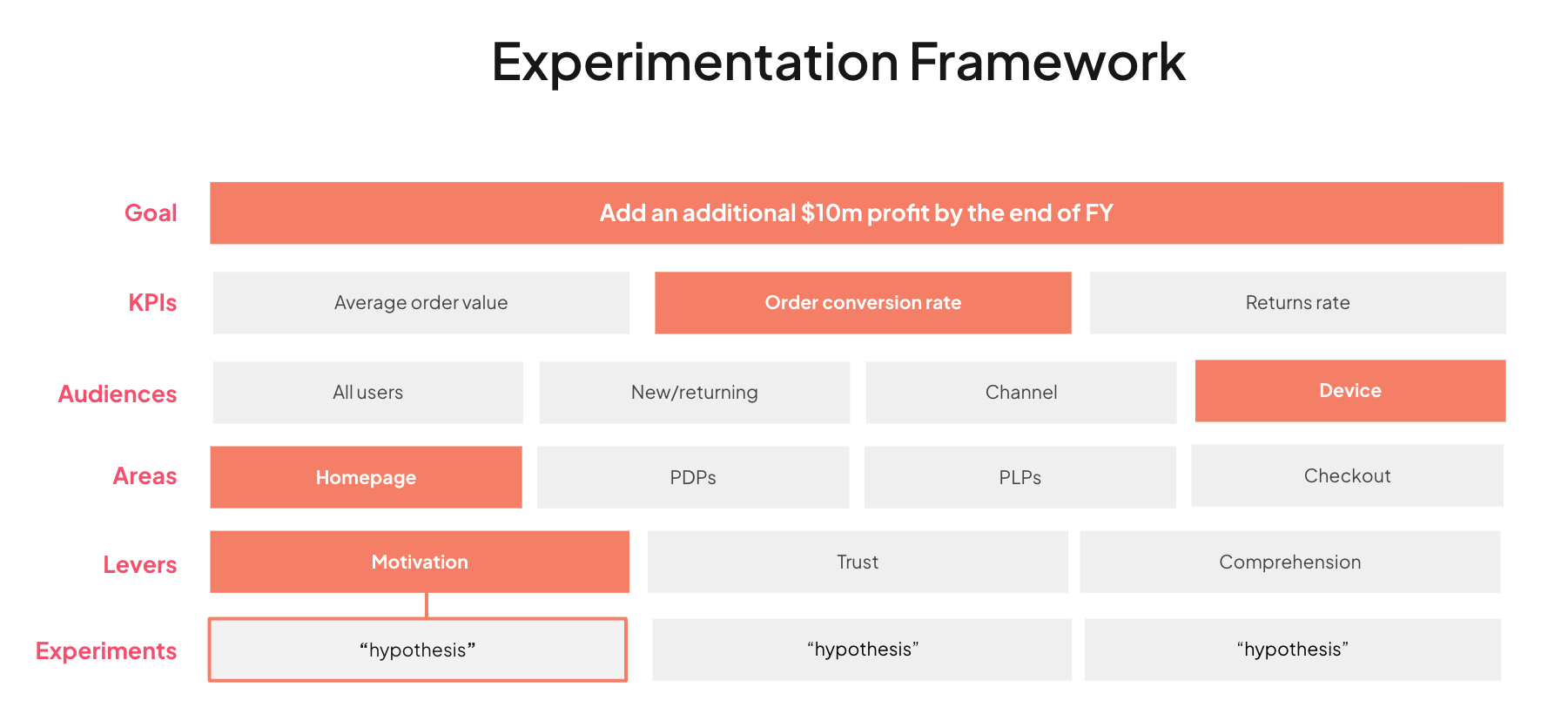
Focus on setting clear hypotheses for your AI experiments, defining measurable success metrics, and making data-driven decisions to scale what works and discard what doesn’t. Don’t wait for perfect solutions or comprehensive rollouts. Start small, learn fast, and adapt. This agile approach is crucial for leveraging AI effectively without overcommitting resources or getting bogged down in lengthy implementation cycles. agile marketing for small business
What to Deprioritize (or Skip Entirely) Today
For small to mid-sized teams, the biggest pitfall is chasing every new AI feature or tool, or attempting to implement overly complex solutions. Deprioritize investing heavily in enterprise-grade AI platforms that require significant integration, specialized data science skills, or a dedicated AI engineering team. These often exceed the operational capacity and immediate needs of SMBs, leading to underutilized tools and wasted budget.
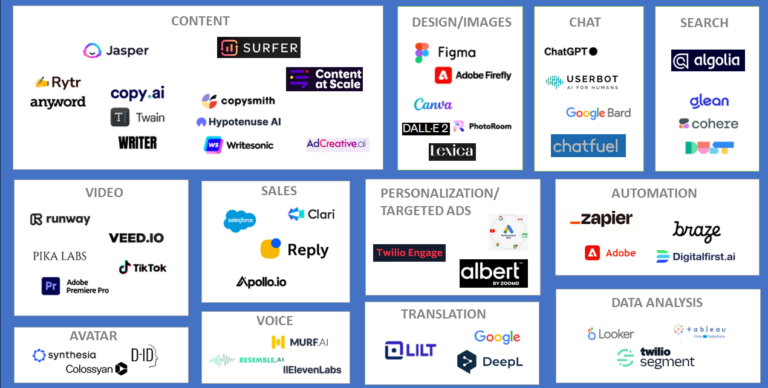
Avoid spending excessive time on theoretical AI learning or trying to build custom AI models from scratch. Your focus should be on applying existing, accessible AI tools to solve immediate, high-impact marketing problems, not becoming an AI developer. Similarly, resist the urge to automate every single marketing task with AI immediately. Prioritize automation where it offers clear, measurable efficiency gains or enhances existing processes, rather than over-engineering solutions for minor tasks. Focus on high-impact areas like content generation, basic data analysis, or ad copy optimization first, and scale judiciously.

Leave a Comment