


The Strategic Imperative of Industry Research
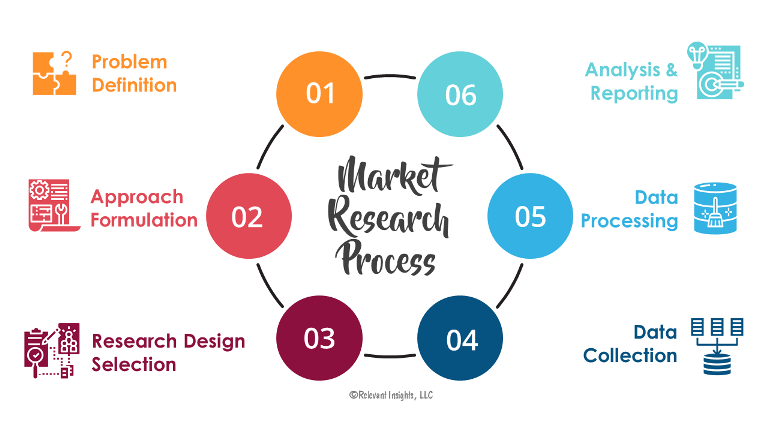
In today’s dynamic business environment, informed decision-making is paramount. Industry research provides the foundational intelligence necessary for businesses to understand market trends, competitive landscapes, customer behaviors, and emerging opportunities. It moves beyond anecdotal evidence, offering a data-driven perspective that is critical for strategic planning, product development, and effective marketing campaign design. Without robust research, businesses risk making costly assumptions and falling behind competitors.
Comprehensive industry research empowers organizations to identify market gaps, validate new product ideas, and optimize existing offerings. It helps in segmenting target audiences more precisely and tailoring messaging for maximum impact. By continuously monitoring industry shifts and technological advancements, businesses can proactively adapt their strategies, ensuring long-term relevance and sustained growth in an increasingly competitive global marketplace.
Crafting Impactful Whitepapers for Thought Leadership
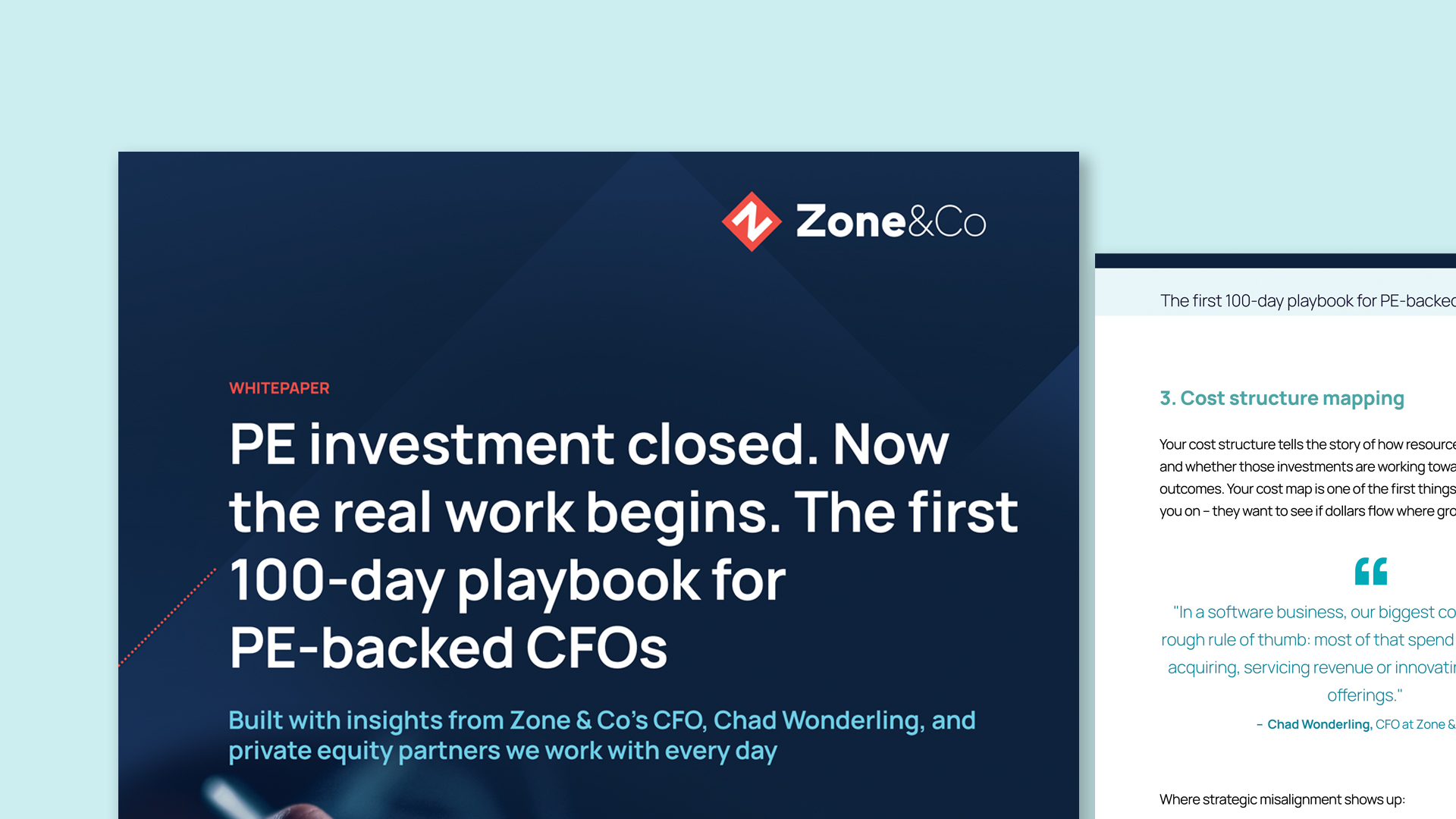
Whitepapers serve as powerful tools for establishing thought leadership and demonstrating expertise within a specific industry. Unlike blog posts or articles, whitepapers delve deep into a particular problem, offering a well-researched analysis and presenting a detailed solution. They are typically data-rich, authoritative, and designed to educate the reader, positioning the publishing organization as a credible and knowledgeable authority. An effective whitepaper addresses a critical industry challenge, backed by evidence and expert insights.
To be truly impactful, a whitepaper must be meticulously structured, featuring a clear introduction, problem statement, methodology, detailed analysis, and a compelling conclusion. Visual elements such as charts, graphs, and infographics enhance readability and comprehension, making complex data more accessible. The content should be objective and educational, avoiding overt sales pitches, which builds trust and credibility with the audience. A well-executed whitepaper can significantly elevate a brand’s reputation and influence within its sector.
Leveraging Research & Whitepapers for Lead Generation & Sales Enablement
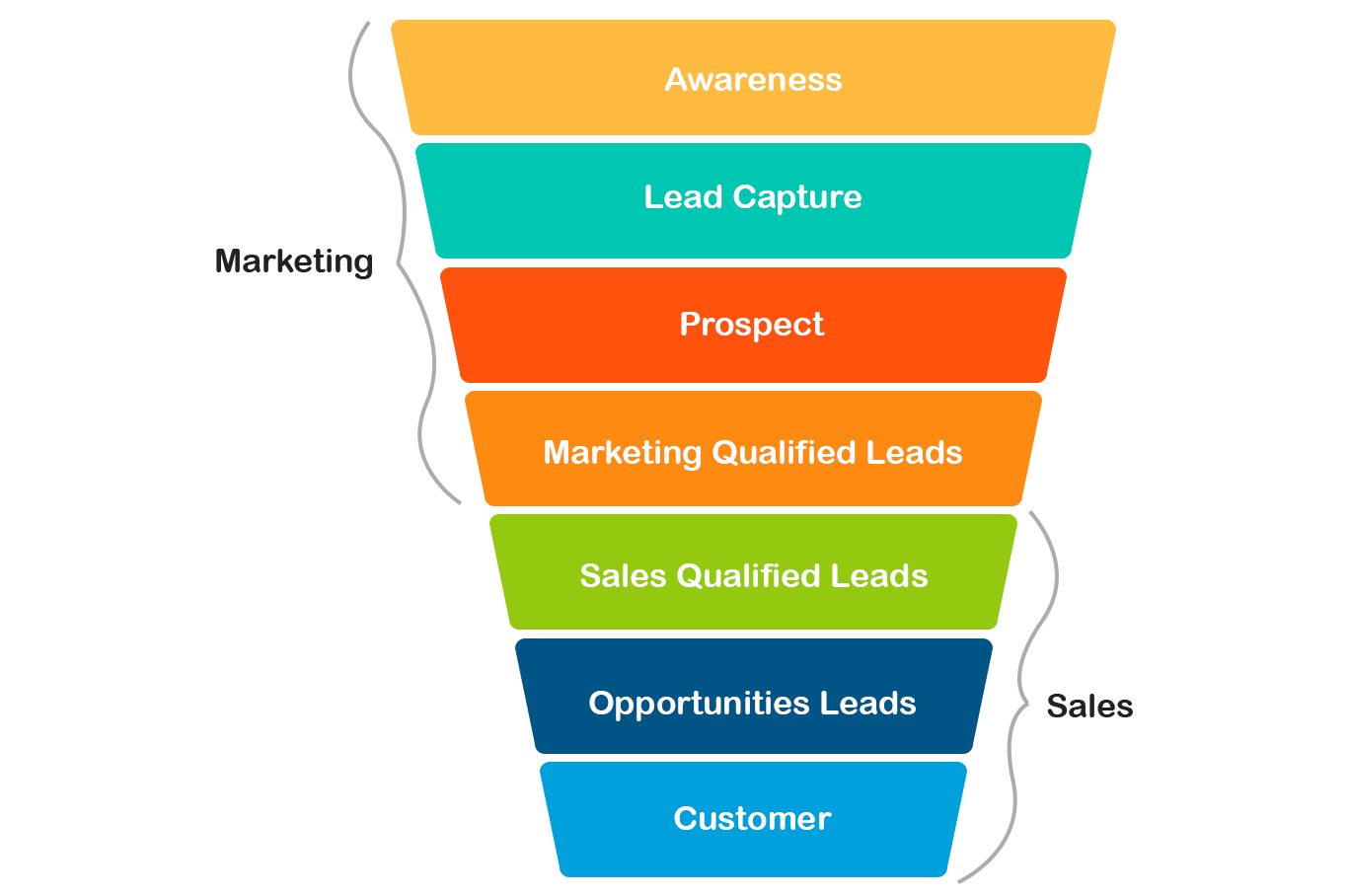
Industry research and whitepapers are invaluable assets in the marketing and sales funnel, particularly for lead generation and nurturing. By offering high-value whitepapers as gated content, businesses can capture qualified leads interested in specific industry challenges or solutions. This strategy allows marketers to build a database of prospects who have demonstrated a genuine interest in the company’s area of expertise, providing a strong foundation for targeted email campaigns and personalized outreach.
Beyond lead generation, whitepapers are crucial for sales enablement. Sales teams can utilize these resources to educate prospects, address common objections, and provide authoritative evidence to support their claims. A well-timed whitepaper can move a prospect further down the sales funnel by reinforcing the company’s value proposition and demonstrating a deep understanding of the client’s needs. Integrating whitepapers into sales presentations and follow-up materials strengthens the sales narrative and accelerates the decision-making process.
Integrating AI & Data Analytics into Research Workflows
The advent of advanced AI and data analytics tools has revolutionized how industry research is conducted and how whitepapers are developed. AI-powered platforms can rapidly process vast amounts of unstructured data from various sources, including market reports, social media, news articles, and academic papers, to identify trends, sentiments, and emerging patterns that would be impossible for human analysts to uncover manually. This significantly reduces research time and enhances the accuracy and depth of insights.
Furthermore, AI tools can assist in the whitepaper creation process by generating initial drafts, summarizing complex research findings, and even suggesting optimal content structures based on audience engagement data. Predictive analytics, driven by AI, can forecast market shifts and consumer behaviors, allowing businesses to create forward-looking whitepapers that anticipate future challenges and solutions. This integration ensures that research remains cutting-edge and whitepapers are highly relevant and data-backed.

Measuring the ROI of Research & Whitepaper Initiatives
Demonstrating the return on investment (ROI) for industry research and whitepaper initiatives is essential for justifying resources and optimizing future efforts. Key performance indicators (KPIs) for whitepapers often include download rates, lead conversion rates, engagement metrics (e.g., time spent reading), and the number of marketing-qualified leads (MQLs) and sales-qualified leads (SQLs) generated. Tracking these metrics provides clear insights into the effectiveness of the content in attracting and nurturing prospects.
For broader industry research, ROI can be measured by its impact on strategic decisions, such as successful product launches, market share gains, improved campaign performance, or increased revenue attributed to data-driven insights. Implementing robust attribution models helps connect research efforts to tangible business outcomes. Regularly reviewing these metrics allows organizations to refine their research methodologies, content strategies, and distribution channels to maximize their impact and ensure continuous improvement.
Future-Proofing Your Research & Content Strategy
As industries continue to evolve at an accelerated pace, driven by technological advancements and shifting global dynamics, the need for agile and forward-looking research and content strategies becomes paramount. Businesses must commit to continuous learning, regularly updating their research methodologies, and embracing new data sources and analytical tools. This includes staying abreast of advancements in AI, machine learning, and natural language processing to maintain a competitive edge in insight generation.
Future-proofing also involves diversifying content formats and distribution channels for whitepapers, ensuring they reach target audiences effectively across various platforms. Emphasizing ethical data collection and transparent reporting will build greater trust and credibility. By consistently investing in high-quality industry research and leveraging whitepapers as strategic assets, businesses can solidify their position as market leaders and navigate future challenges with confidence and informed foresight.


Leave a Comment