


The Evolving Digital Landscape of Reputation
In today’s hyper-connected world, a brand’s reputation is constantly under scrutiny, with information spreading globally in moments. Social media platforms, review sites, and instant news cycles mean that a minor incident can escalate into a full-blown crisis overnight. Businesses must recognize that their digital footprint is their most vulnerable asset, requiring continuous vigilance and a robust defense strategy.
The speed at which narratives form and spread online necessitates a proactive and agile approach to reputation management. Traditional PR tactics, while still relevant, are no longer sufficient on their own. The integration of advanced monitoring tools and strategic communication frameworks is paramount to safeguarding brand integrity and ensuring sustained business growth.
Proactive Crisis Planning: Your Digital Shield
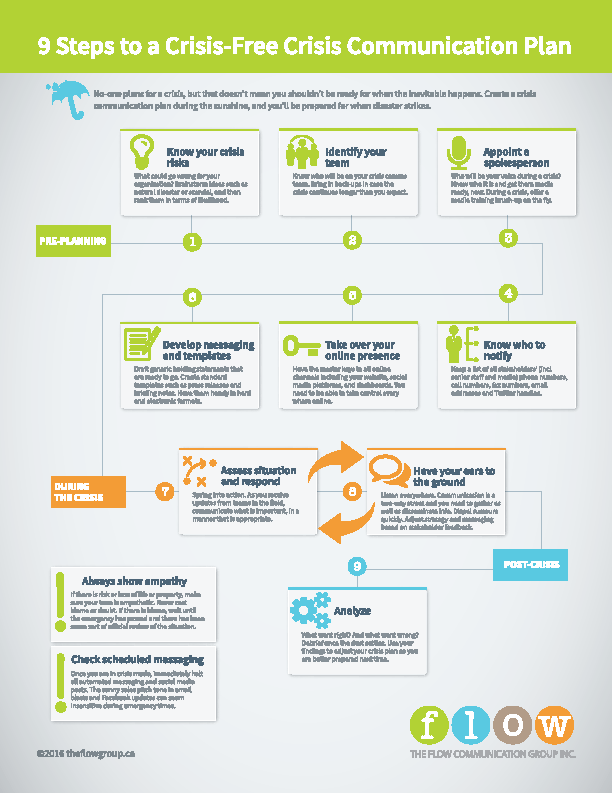
Effective crisis management begins long before an incident occurs. A comprehensive crisis communication plan is essential, outlining potential risks, defining roles and responsibilities, and establishing clear communication protocols. This plan should identify key stakeholders, pre-approve messaging templates for various scenarios, and designate trained spokespeople who can articulate the brand’s position with clarity and empathy.
Risk assessment is a continuous process, involving regular audits of potential vulnerabilities across operations, products, and digital presence. Developing a crisis playbook that includes decision trees and escalation paths ensures a coordinated and rapid response when a crisis strikes. Regular drills and simulations are crucial for testing the plan’s efficacy and ensuring that the crisis team is well-prepared to execute under pressure.

Real-time Monitoring & Early Detection
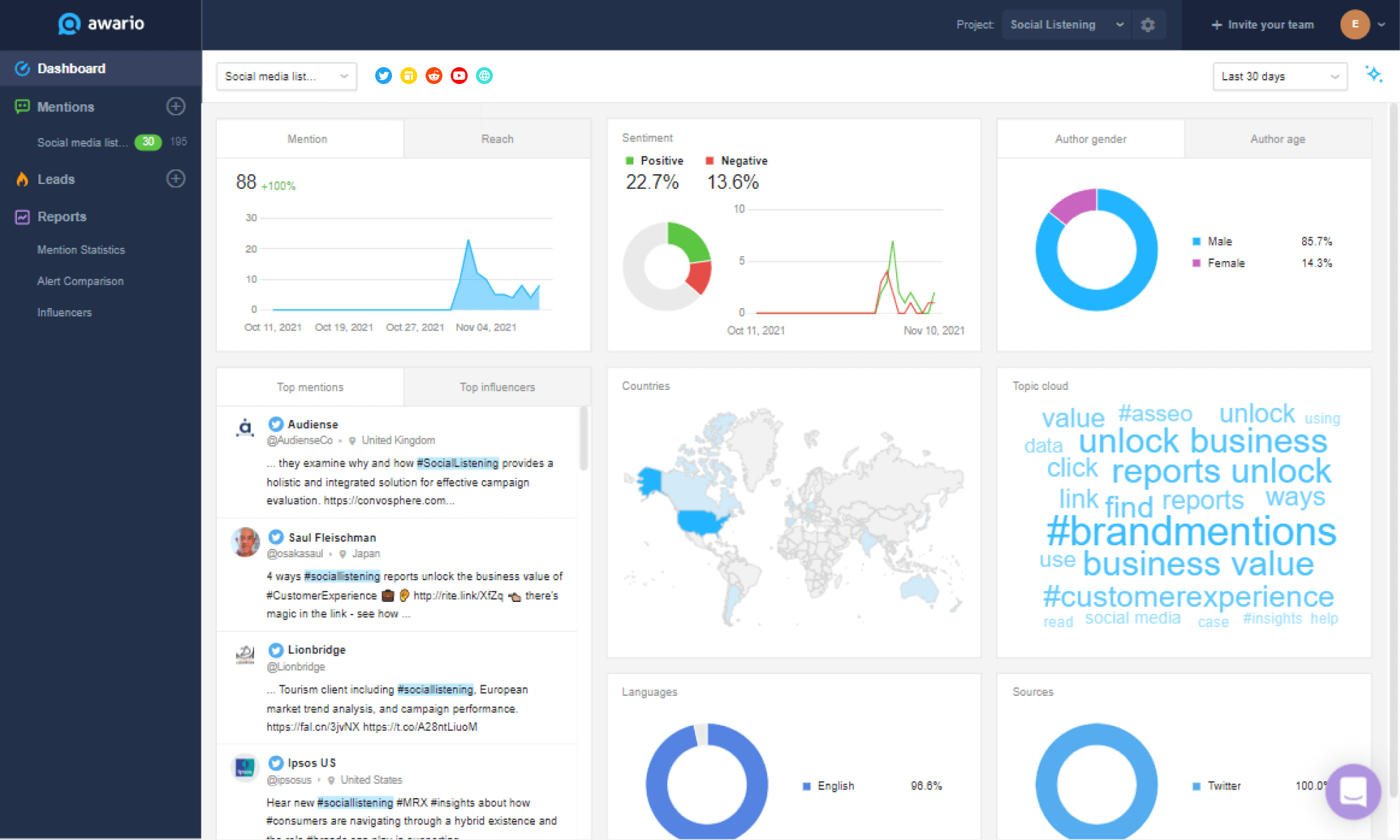
The ability to detect early warning signs of a brewing crisis is critical for minimizing potential damage. Implementing sophisticated social listening tools and sentiment analysis platforms allows businesses to monitor online conversations, track brand mentions, and identify shifts in public perception in real time. These tools can flag unusual spikes in negative sentiment or specific keywords that indicate emerging issues.
Leveraging AI-powered monitoring solutions has become a standard practice, enabling automated analysis of vast amounts of data from diverse sources, including news outlets, social media, forums, and review sites. This proactive surveillance provides actionable insights, allowing marketing and PR teams to intervene swiftly, address concerns, and potentially de-escalate situations before they gain widespread traction.
Strategic Communication During a Crisis
When a crisis hits, clear, consistent, and empathetic communication is paramount. The initial response should be swift, transparent, and factual, avoiding speculation or defensiveness. Businesses must take ownership of the situation, express genuine concern, and outline the steps being taken to address the issue. Silence or delayed responses can exacerbate public mistrust and fuel negative narratives.
Communication channels must be carefully selected based on the nature of the crisis and the target audience. This often involves a multi-channel approach, utilizing official press releases, social media updates, website statements, and direct communication with affected stakeholders. Maintaining internal communication is equally vital to ensure employees are informed and can act as consistent brand ambassadors.
Leveraging AI for Enhanced Crisis Response
AI tools are transforming crisis management by providing capabilities that enhance speed, accuracy, and reach. Predictive analytics can help identify potential crisis triggers based on historical data and current trends, allowing for pre-emptive action. During a crisis, AI can rapidly analyze incoming data, summarize key concerns, and even draft initial response templates for human review, significantly reducing response times.
Furthermore, AI-powered chatbots can manage a high volume of customer inquiries by providing consistent, pre-approved answers to frequently asked questions, freeing up human teams to handle more complex issues. While AI streamlines many aspects of crisis response, human oversight remains indispensable for nuanced decision-making, empathetic communication, and maintaining authentic brand voice.
Post-Crisis Recovery & Reputation Rebuilding
The period following a crisis is crucial for long-term reputation repair. This phase involves a thorough post-mortem analysis to understand what went wrong, evaluate the effectiveness of the response, and implement corrective measures. Learning from mistakes and publicly demonstrating a commitment to improvement can help rebuild trust and reinforce brand values.
Reputation rebuilding also involves strategic content creation and SEO efforts to promote positive narratives and push down negative search results. This includes publishing transparent updates, showcasing positive customer experiences, and engaging in community initiatives. Consistent, positive brand messaging over time is essential for restoring public confidence and ensuring the crisis becomes a temporary setback rather than a lasting scar.
Building Resilience for Future Challenges
Crisis and reputation management is not a one-time task but an ongoing commitment to organizational resilience. Businesses must continuously adapt their strategies to the evolving digital landscape, new technologies, and changing consumer expectations. This involves regularly updating crisis plans, investing in advanced monitoring and communication tools, and fostering a culture of transparency and accountability.
Integrating crisis preparedness into the core business strategy ensures that reputation management is viewed as a fundamental component of risk mitigation and long-term growth. By proactively building and maintaining a strong, trustworthy brand identity, businesses can better withstand future challenges and emerge stronger from adversity.



Leave a Comment