


The marketing landscape is in a perpetual state of evolution, driven by technological advancements, shifting consumer behaviors, and an increasing demand for authenticity. As we conclude 2025 and look ahead to 2026, marketers must not only adapt but proactively innovate to capture attention, build loyalty, and drive measurable business growth. The coming years will solidify the importance of data-driven strategies, ethical practices, and deeply personalized customer experiences.
This article delves into the critical trends shaping marketing for 2025 and 2026, offering practical insights and actionable strategies for businesses aiming to optimize their campaigns and increase revenue. We will explore how AI continues to redefine possibilities, the imperative of first-party data, and the growing influence of immersive content and purpose-driven branding.
The AI-Driven Marketing Ecosystem: Beyond Automation
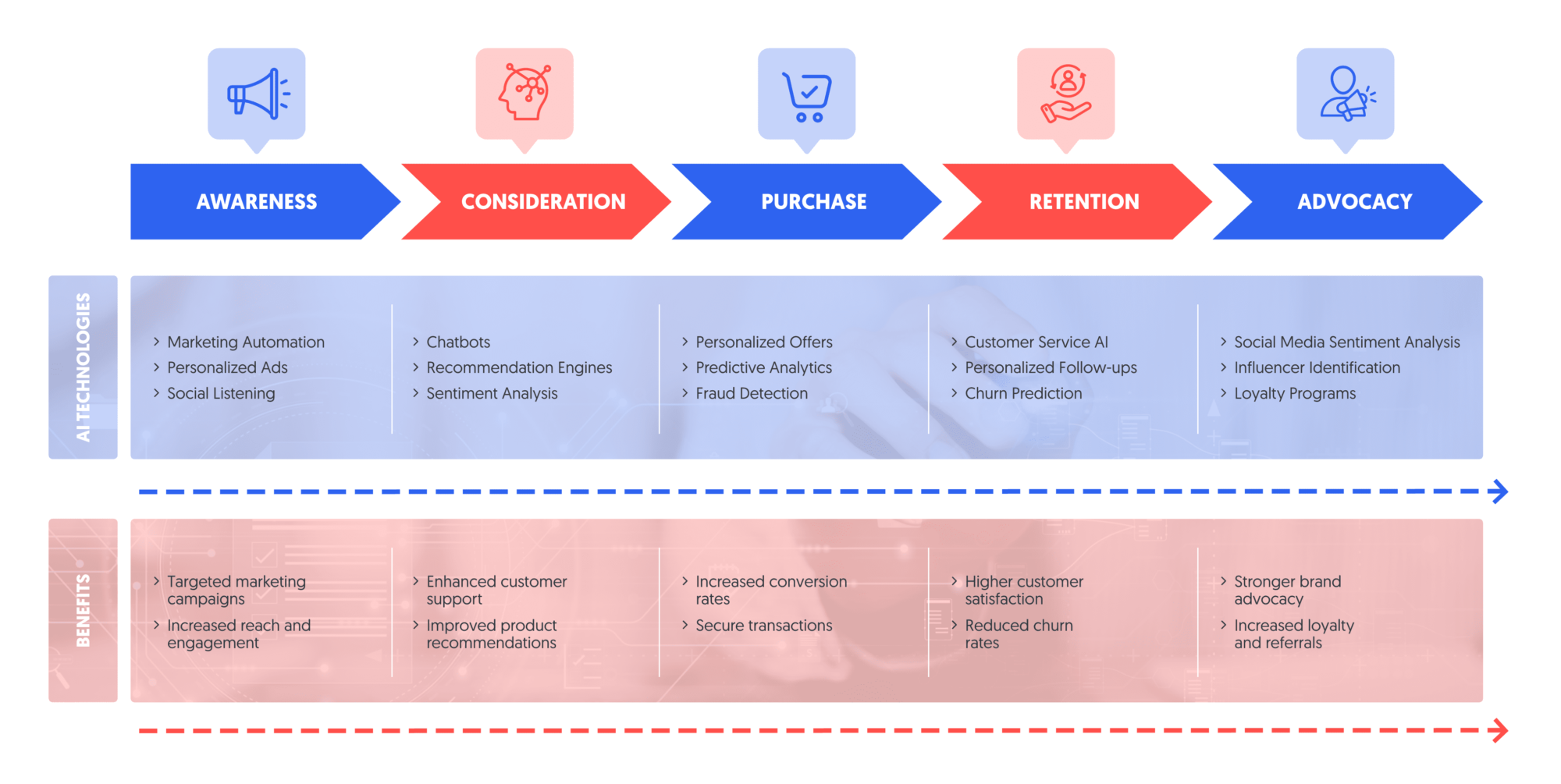
Artificial Intelligence has moved beyond basic automation to become an indispensable component of strategic marketing. In 2025, and increasingly in 2026, AI is powering sophisticated predictive analytics, enabling hyper-personalization at scale, and optimizing entire customer journeys in real-time. Businesses are leveraging AI for dynamic content generation, advanced audience segmentation, and intelligent bid management across advertising platforms, moving from experimental use to deep, integrated strategic applications.
Practical applications include AI-powered tools that analyze vast datasets to identify emerging trends, predict customer churn, and recommend optimal content formats for specific audience segments. This allows marketers to allocate resources more efficiently, personalize interactions across email, social, and web, and achieve higher conversion rates. The focus is on using AI to augment human creativity and strategic thinking, not replace it, fostering a more intelligent and responsive marketing operation.
Hyper-Personalization and the Evolving Customer Journey
Consumers today expect experiences that are not just relevant but deeply personalized to their individual needs and preferences. This trend, already significant in 2025, will intensify in 2026, pushing marketers beyond basic segmentation to individual-level tailoring across every touchpoint. The foundation for this hyper-personalization is robust first-party data collection and sophisticated analytical capabilities that provide a 360-degree view of the customer.
Strategies involve dynamic website content that adapts to user behavior, personalized product recommendations driven by AI, custom email sequences triggered by specific actions, and adaptive ad creatives that resonate with individual user profiles. The goal is to create a seamless, relevant, and valuable experience that anticipates customer needs, builds stronger relationships, and ultimately drives long-term loyalty and increased customer lifetime value.
Privacy-First Strategies and First-Party Data Mastery
With the ongoing deprecation of third-party cookies and the continuous strengthening of global data privacy regulations (e.g., GDPR, CCPA), first-party data has become the bedrock of effective and ethical marketing. For 2025 and 2026, businesses must prioritize building robust strategies for collecting, managing, and activating their own customer data transparently and with explicit consent.
This imperative necessitates significant investment in Customer Data Platforms (CDPs) to unify disparate data sources, establish clear consent mechanisms, and foster direct relationships with customers. Trust and transparency are no longer just compliance requirements; they are critical competitive differentiators. Brands that prioritize data ethics and provide clear value in exchange for data will build stronger, more resilient connections with their audience.
Immersive Experiences and Interactive Content
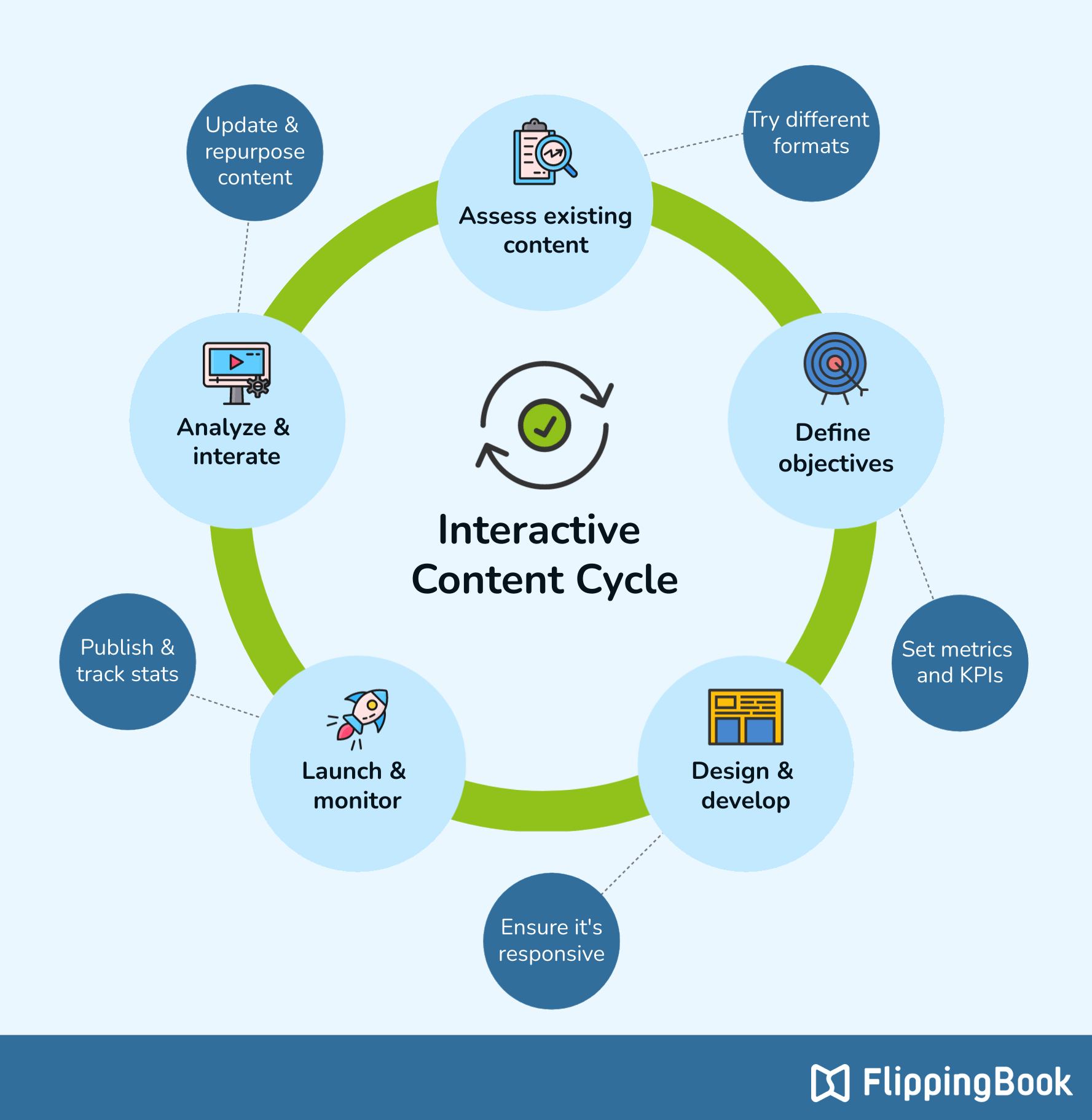
Engagement is shifting towards more interactive and immersive formats, a trend that will gain further momentum through 2026. Marketers are experimenting with and implementing shoppable videos, augmented reality (AR) filters for virtual try-ons, virtual reality (VR) experiences, and gamified marketing campaigns. These formats offer deeper engagement, longer dwell times, and richer data insights compared to static content.
While full-scale AR/VR adoption is still maturing, interactive quizzes, polls, live commerce events, and personalized video content are already proving highly effective in capturing attention and driving conversions. Brands that successfully integrate these interactive elements into their content strategy will stand out in crowded digital spaces, providing memorable experiences that resonate with modern consumers.
The Rise of Retail Media Networks and Connected TV (CTV)
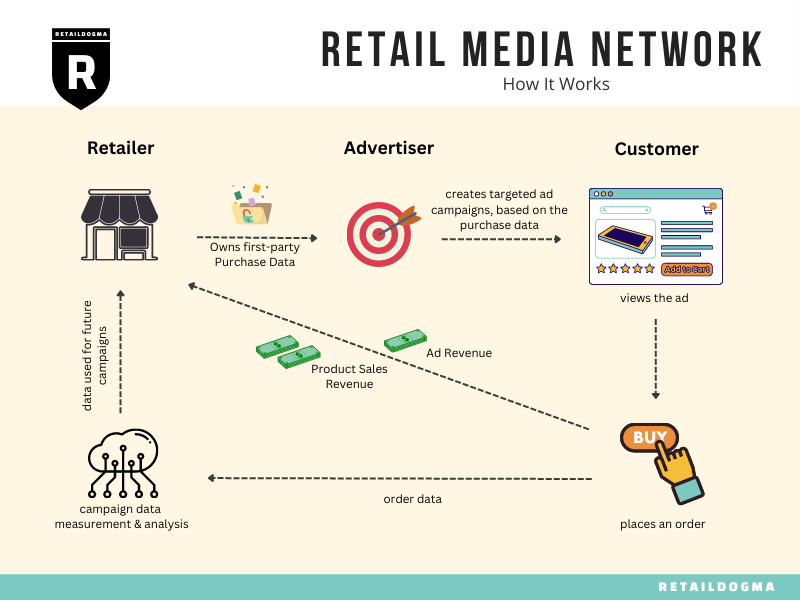
Retailers are increasingly transforming into powerful media platforms, offering advertisers direct access to high-intent audiences at the point of purchase. Retail media networks, already a significant channel in 2025, are poised for substantial growth in 2026, providing brands with new avenues for product discovery, targeted advertising, and measurable sales attribution.
Concurrently, Connected TV (CTV) advertising continues its rapid ascent as audiences shift from linear television to streaming platforms. CTV offers advanced targeting capabilities, precise audience segmentation, and robust measurement tools, making it a compelling alternative for both brand awareness and performance marketing objectives. Integrating CTV into a broader media mix allows marketers to reach engaged audiences with highly relevant messages on the biggest screen in the home.
Sustainability and Purpose-Driven Marketing
Consumer demand for brands that demonstrate genuine commitment to social and environmental responsibility continues to grow, particularly among younger demographics. In 2025 and 2026, authenticity in purpose-driven marketing is paramount. Brands must integrate sustainability and ethical practices into their core values and communicate these efforts transparently, rather than treating them as mere marketing add-ons.
This trend influences purchasing decisions, brand loyalty, and overall brand perception. Consumers are increasingly scrutinizing supply chains, labor practices, and environmental impact. Brands that authentically champion a cause and demonstrate measurable positive impact will build stronger emotional connections with their audience, fostering trust and differentiation in a competitive marketplace.
Optimizing for the Future: Agility and Continuous Learning
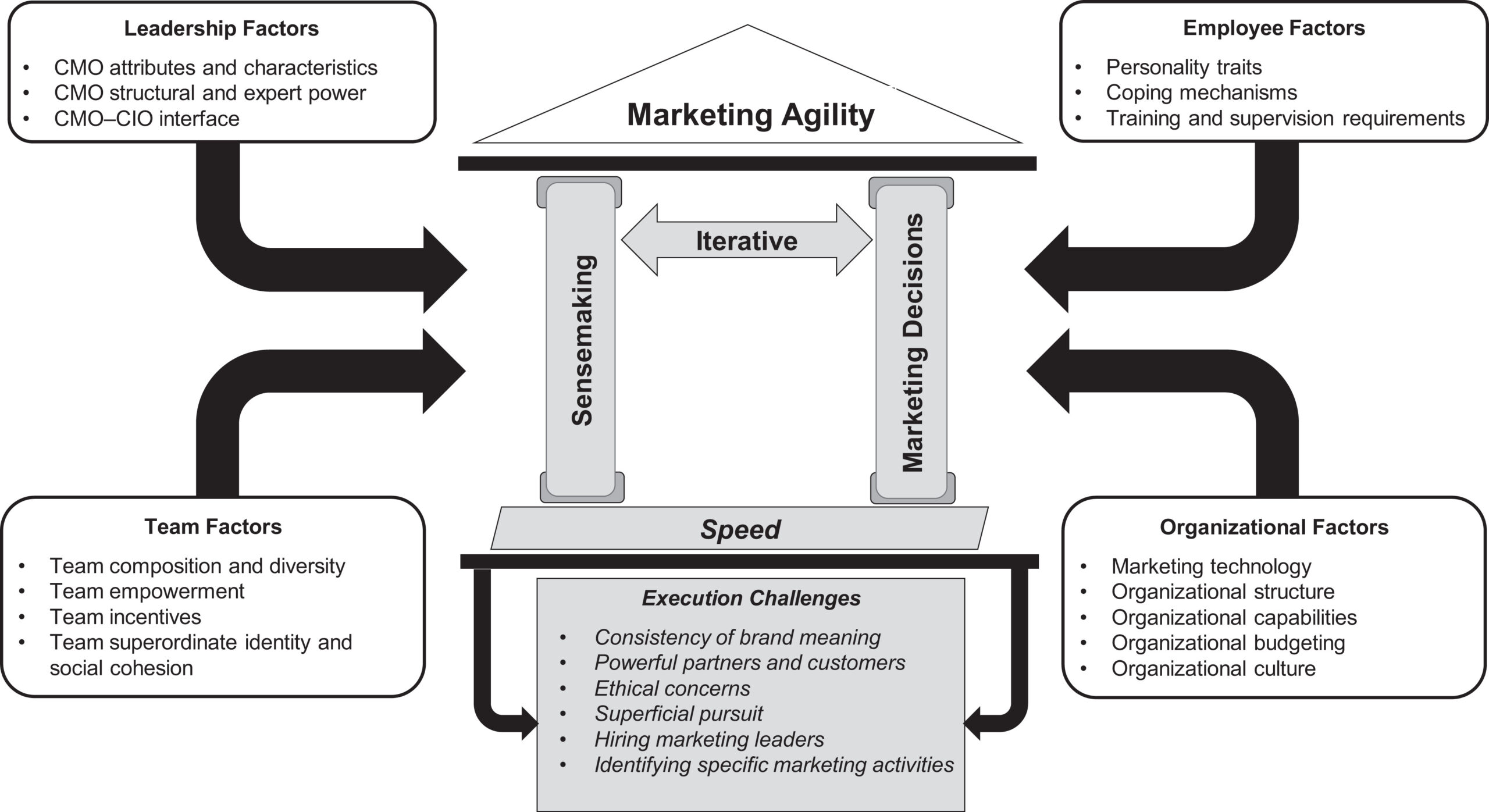
The rapid pace of change in marketing demands unparalleled agility and a commitment to continuous learning. For 2025 and 2026, businesses must adopt flexible strategies, embrace experimentation, and foster a culture where adaptation is the norm. This involves moving away from rigid annual plans towards iterative, data-informed approaches that allow for quick pivots based on performance and emerging trends.
Investing in upskilling marketing teams, leveraging advanced analytics for rapid insights, and maintaining a test-and-learn approach will be critical for staying competitive. The ability to quickly analyze results, identify new opportunities, and adjust tactics will differentiate successful businesses and ensure they can effectively navigate the ever-evolving marketing landscape to achieve sustained growth.


Leave a Comment