

The AI-Driven Marketing Transformation
By late 2025, Artificial Intelligence has moved beyond experimental phases into core operational workflows for many marketing teams. Its impact is now less about speculative future potential and more about tangible enhancements in efficiency, personalization, and strategic insight. Businesses are leveraging AI not just for automation, but for deeply understanding customer behavior, optimizing campaign performance, and predicting market shifts with greater accuracy.
Practical applications currently span across content optimization, where AI assists in generating SEO-friendly outlines and refining copy for specific audiences, to advanced predictive analytics that inform customer segmentation and ad targeting. The true power lies in AI’s ability to process vast datasets, identifying patterns and opportunities that human analysis alone would miss, thereby enabling marketers to make data-driven decisions at an unprecedented pace.
Evolving Data Privacy & Trust
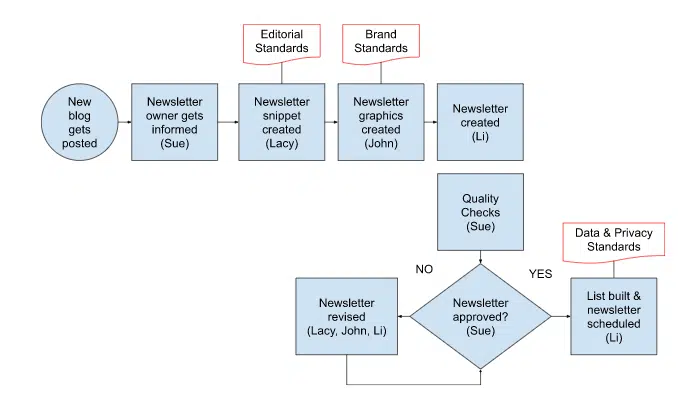
The landscape of data privacy continues to evolve rapidly, with consumers and regulators alike demanding greater transparency and control over personal information. The ongoing deprecation of third-party cookies, coupled with stricter global privacy regulations, necessitates a fundamental shift in how businesses collect, manage, and utilize customer data. Trust has become a paramount currency, directly impacting brand loyalty and customer acquisition costs.
Forward-thinking marketers are prioritizing robust first-party data strategies, building direct relationships with customers through value exchange. This involves implementing comprehensive consent management platforms and developing clear data governance policies. The focus is on creating transparent data practices that not only comply with regulations but also genuinely respect user privacy, fostering long-term customer relationships built on trust.
Hyper-Personalization at Scale
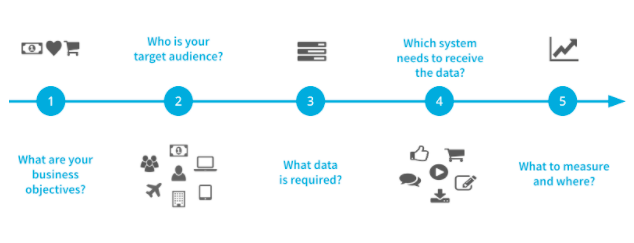
Generic marketing messages are increasingly ineffective. The expectation for personalized experiences, once a luxury, is now a standard. In late 2025, hyper-personalization means delivering highly relevant content, offers, and interactions tailored to an individual’s real-time context, preferences, and past behaviors across every touchpoint. This level of customization is powered by the convergence of advanced AI and rich first-party data.
Implementing hyper-personalization involves dynamic content delivery on websites, individualized email sequences, and adaptive ad creatives. It moves beyond basic segmentation to create truly unique customer journeys, optimizing engagement and conversion rates. Businesses that master this will differentiate themselves by providing experiences that feel intuitive and genuinely valuable to each customer.
The Rise of Conversational & Immersive Experiences
Customer interactions are becoming more dynamic and less transactional. Conversational AI, through advanced chatbots and virtual assistants, is transforming customer service and sales by providing instant, personalized support and guidance. These tools are now sophisticated enough to handle complex queries, qualify leads, and even complete transactions, freeing up human agents for more intricate tasks.
Beyond text-based interactions, immersive technologies like Augmented Reality (AR) are gaining traction, particularly in e-commerce and product visualization. Consumers can virtually “try on” products or see how furniture fits in their homes, enhancing the online shopping experience and reducing returns. While still nascent for widespread marketing, early adopters are exploring how AR/VR can create memorable, interactive brand engagements.

Sustainability & Ethical Marketing
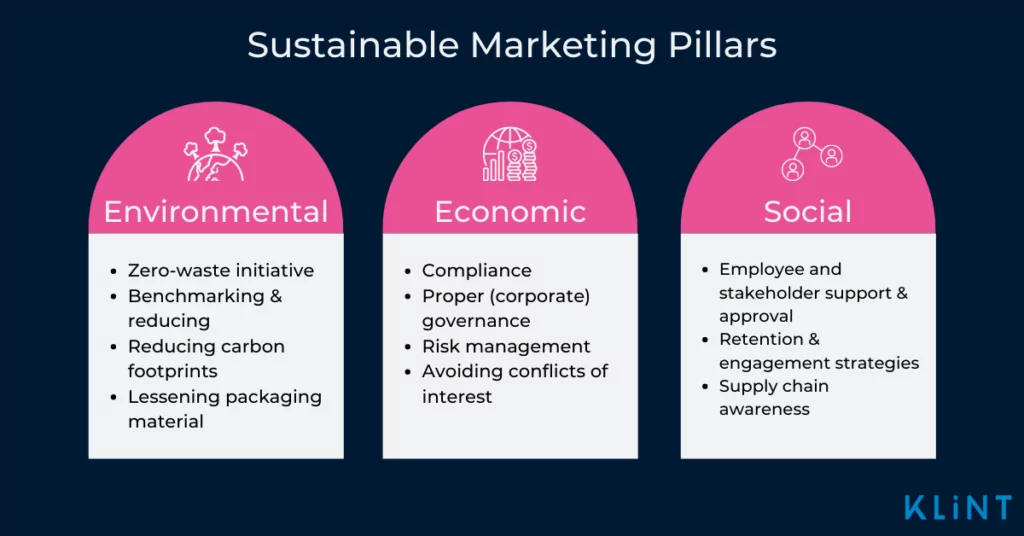
Consumer values are increasingly influencing purchasing decisions, with a growing demand for brands that demonstrate genuine commitment to environmental, social, and governance (ESG) principles. Authenticity in sustainability claims is critical; greenwashing is quickly identified and can severely damage brand reputation. Marketers must integrate ethical practices and transparent communication into their core strategies.
This trend requires businesses to not only adopt sustainable practices but also to communicate them effectively and transparently. From supply chain ethics to product lifecycle, every aspect can be a point of connection or contention with consumers. Brands that authentically align their marketing with their ethical commitments will build stronger trust and loyalty among a conscientious consumer base.
New Measurement Paradigms & Attribution
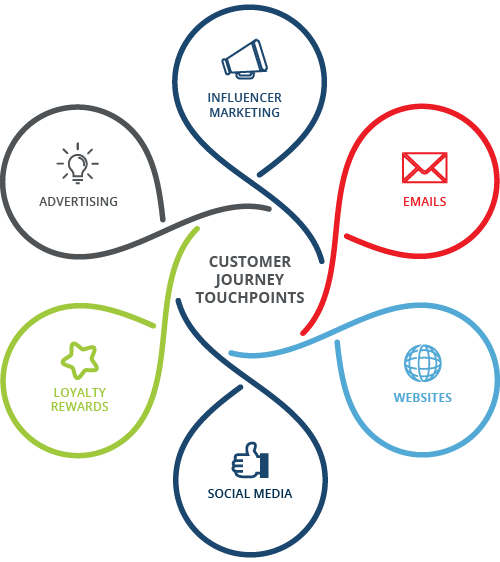
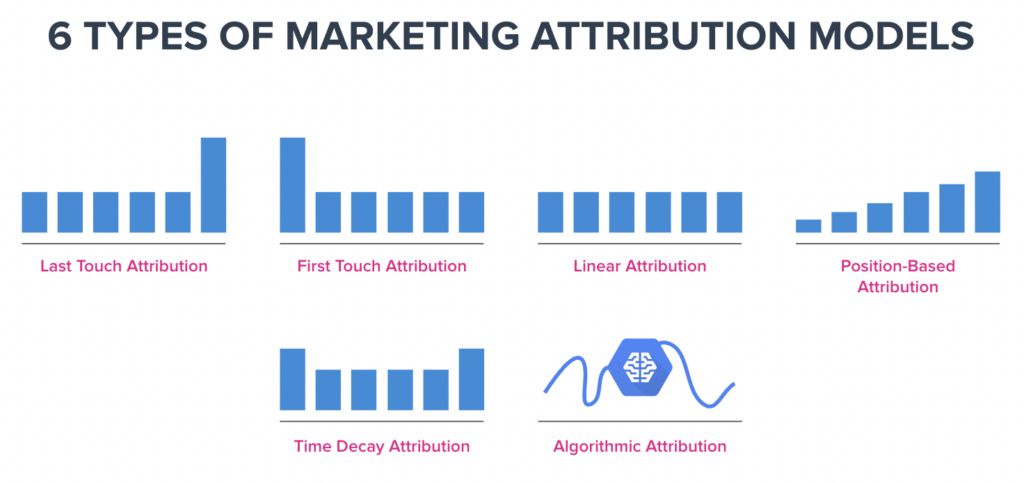
The traditional last-click attribution model is proving insufficient in a multi-touch, multi-channel customer journey. Marketers are increasingly adopting more sophisticated attribution models that provide a holistic view of how different touchpoints contribute to conversions and customer lifetime value (CLV). This shift is driven by the need for more accurate ROI measurement and optimized budget allocation.
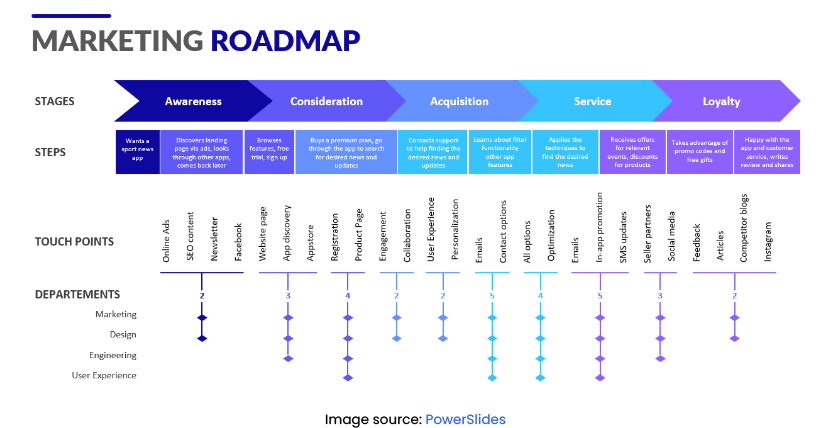
Leveraging unified marketing analytics platforms, businesses are integrating data from various sources to gain a comprehensive understanding of campaign performance. The focus is on understanding the entire customer journey, from initial awareness to repeat purchases, and attributing value appropriately across all interactions. This enables more strategic decision-making and a clearer path to sustainable growth.
Strategic Imperatives for Marketing Leaders
To thrive in the evolving marketing landscape, leaders must prioritize several key areas. Investing in AI literacy and tools is no longer optional; it’s essential for competitive advantage. Building a robust first-party data infrastructure, coupled with transparent consent management, will be foundational for personalized and privacy-compliant marketing efforts.
Furthermore, fostering cross-functional collaboration between marketing, sales, product, and IT teams is crucial for delivering seamless customer experiences. Adopting agile marketing methodologies will enable rapid adaptation to new technologies and shifting consumer behaviors. The future belongs to marketers who are proactive, data-informed, and committed to ethical, customer-centric growth.


Leave a Comment