

For small to mid-sized businesses, the idea of hyper-personalization often feels out of reach, reserved for enterprises with vast budgets and data science teams. However, applying smart data and accessible AI tools can significantly improve your customer attraction and conversion rates, even with limited resources. This article cuts through the hype to show you how to start delivering more relevant experiences that resonate with your audience, leading to tangible growth.
You’ll gain a clear understanding of which personalization strategies offer the highest return on investment for your team, what data truly matters, and how to leverage AI without overcomplicating your operations. Our focus is on actionable steps that fit within real-world constraints, helping you make informed decisions about where to direct your marketing efforts today.
What Hyper-Personalization Means for Your Business
Forget the textbook definitions. For a small to mid-sized business, hyper-personalization means delivering marketing messages, content, and product recommendations that feel uniquely tailored to an individual customer’s needs, preferences, and real-time behavior. It’s about moving beyond basic segmentation to create a more relevant, almost one-on-one interaction. The goal isn’t just to use a customer’s name; it’s to anticipate their next likely action or need based on their digital footprint and past interactions. This level of relevance cuts through noise, improves engagement, and ultimately drives conversions.
Building Your Data Foundation: What Matters Most
You don’t need a data lake to start. Your most valuable assets are often already within reach. Prioritize first-party data collection and integration:
- CRM Data: Purchase history, service interactions, demographics – your core customer truth.
- Website Analytics: Pages visited, time on site, conversion paths – understand user behavior.
- Email Engagement: Open rates, click-throughs, content preferences – what resonates?
- Ad Platform Data: Interaction with your ads, converting audience segments.
The immediate task isn’t to collect *all* data, but to ensure the data you *do* collect is clean, accessible, and connected. A unified view of your customer, even if basic, is the bedrock. Focus on integrating your CRM with your email marketing platform and website analytics first. This foundational step allows for basic behavioral segmentation, often enough for significant gains.
What often gets overlooked is the ongoing commitment required to maintain this “unified view.” It’s not a set-it-and-forget-it task. Initial integrations, while crucial, can quickly become brittle if not actively managed. Teams often settle for basic data syncs that don’t fully resolve conflicting data points or account for evolving business processes. This creates a hidden cost: a fragmented understanding of the customer that surfaces only when trying to execute more sophisticated campaigns or analysis, leading to wasted effort and missed opportunities.
Another common pitfall is the silent decay of data quality. Even if your initial data is clean, without clear governance and consistent adherence to data entry standards, it will degrade over time. New fields are added ad-hoc, old ones become obsolete but remain, and manual overrides introduce errors. This erosion of trust in the data forces practitioners to second-guess reports and insights, undermining the very foundation you’ve worked to build. The theoretical promise of a single customer view clashes with the practical reality of inconsistent data entry and lack of ongoing stewardship.
This operational friction also takes a human toll. When marketing and sales teams operate from slightly different versions of customer truth, even due to minor data discrepancies, it leads to frustration and inefficient handoffs. The pressure to make data-driven decisions becomes a source of stress when the underlying data is unreliable, forcing teams to fall back on intuition or manual reconciliation, which defeats the purpose of the initial investment.
Practical AI Applications for SMB Personalization
AI isn’t just for tech giants. For SMBs, AI tools can automate and enhance personalization without requiring a dedicated data scientist. Practical applications:
- Dynamic Email Content: AI-powered tools analyze past email performance and customer behavior to suggest optimal subject lines, send times, and dynamically insert product recommendations or content.
- Website Personalization: Tools integrated with your CMS can dynamically alter hero images, CTAs, or product displays based on visitor source, location, or browsing history (e.g., local services banner for regional visitors).
- Product Recommendations: For e-commerce, AI algorithms analyze purchase history and browsing to suggest relevant products, increasing AOV and conversion. Many platforms offer this natively or via affordable plugins. AI product recommendations
- Ad Copy Optimization: AI generates and tests multiple ad variations rapidly, identifying best-performing headlines and descriptions for specific segments, improving ad spend.
- Chatbot Personalization: AI-driven chatbots provide personalized support or product info based on user query and known profile, improving pre-purchase experience.
What often gets overlooked, however, is the foundational requirement for these tools to deliver on their promise: clean, unified data. While AI platforms handle the algorithms, they don’t magically fix fragmented customer records, inconsistent naming conventions, or missing purchase histories across disparate systems. An SMB might invest in a dynamic email tool, only to find its recommendations are generic or irrelevant because the underlying customer data is too messy to provide meaningful signals. This isn’t a failure of the AI, but a failure to prepare the ground it needs to operate effectively.
Another common pitfall is the temptation to treat these AI applications as “set it and forget it” solutions. The promise of automation is powerful, but it can lead teams to abdicate strategic oversight. AI optimizes based on historical patterns and defined metrics, but it lacks human intuition for emerging trends, brand voice nuances, or the subtle shifts in customer sentiment that aren’t captured in data points. Relying solely on AI without regular human review and strategic adjustments risks delivering personalization that is technically correct but strategically off-message, or worse, feels impersonal and generic over time.
The downstream effect of this can be subtle but damaging. When personalization consistently misses the mark—whether due to poor data or a lack of strategic guidance—it doesn’t just fail to convert; it actively erodes customer trust. Customers quickly learn to ignore irrelevant recommendations or dismiss automated messages that feel out of touch. This leads to a compounding negative effect, where future attempts at personalization face higher hurdles, and the brand’s perceived understanding of its customers diminishes. It’s a hidden cost that manifests as declining engagement and a harder path to building loyalty.
For SMBs, this means prioritizing data hygiene and a clear personalization strategy before diving deep into every AI application. Start with one area where your data is relatively clean and your strategic intent is clear, like basic product recommendations for a well-segmented customer base. Deprioritize complex, multi-channel personalization efforts until your data infrastructure and internal processes can reliably support them. Trying to do too much too soon with imperfect data will likely lead to frustration, wasted budget, and a diminished return on investment, rather than the promised efficiency.
Prioritizing Your Personalization Roadmap
Given limited resources, strategic prioritization is non-negotiable. Here’s a practical roadmap:
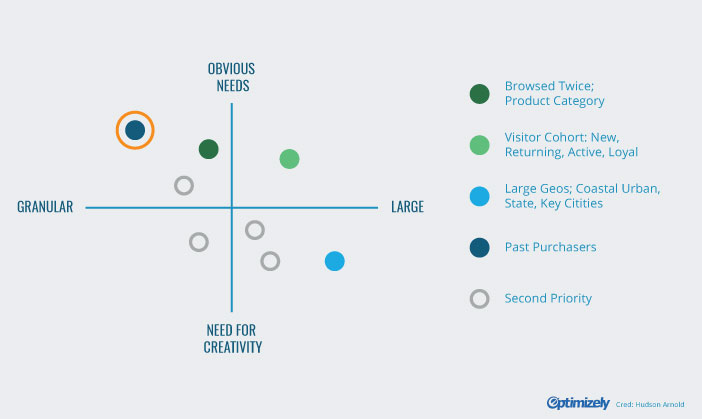
Do First: High-Impact, Low-Effort Wins
- Behavioral Email Sequences: Implement automated email flows (cart abandonment, welcome, post-purchase). Highly effective, often built into platforms. Use AI for subject line/content optimization.
- Basic Website Segmentation: Simple rules to show different content based on ad campaigns or geography. Achievable with many CMS tools.
- Product Recommendation Engines: For e-commerce, activate or integrate. Immediate ROI.
Delay: More Complex, Higher Resource Investment
- Advanced Multi-Channel Orchestration: Real-time personalization across many channels based on complex, rapidly changing behavior. Requires robust integration and dedicated team.
- Predictive Analytics for Churn: Building and maintaining churn prediction models needs significant data and expertise. Focus on simpler retention first.
- Deep Learning for Content Generation: While AI assists, fully automated, hyper-personalized content at scale is resource-intensive and can lack brand voice.
Avoid: Over-Engineering and Wasted Resources
For today’s SMB, resist heavy investment in enterprise-grade CDPs unless you have a clear, immediate, high-volume data integration challenge beyond your existing CRM and marketing automation. Many SMBs achieve significant personalization by effectively using current tools and strategic integration. Over-investing in complex CDPs without data volume, technical staff, or clear use cases often leads to shelfware and wasted budget. Instead, maximize your current martech stack and ensure data flows between core systems like CRM, email, and analytics. This pragmatic approach builds a solid foundation without unnecessary complexity or cost. marketing automation for small business
Measuring Your Personalization Success
Don’t just track activity; measure impact. Key metrics:
- Conversion Rate: Are personalized experiences driving more purchases, sign-ups, or leads?
- Average Order Value (AOV): Are recommendations encouraging larger purchases?
- Customer Lifetime Value (CLTV): Does personalization foster loyalty and repeat business?
- Email Engagement: Higher open/click-through rates indicate relevant content.
- Reduced Churn: Are personalized retention efforts keeping customers longer?
Set up A/B tests for personalized elements versus control groups to quantify uplift. This data-driven approach validates efforts and guides future optimizations.
The Trade-offs and Realities of Implementation
Hyper-personalization is iterative, not a one-time project. You’ll face trade-offs. Perfect personalization is often unattainable and unnecessary; the goal is *effective* personalization that moves the needle. Accept that some segments might receive less tailored content initially, or that your recommendation engine won’t always be perfect. Continuous improvement based on performance data is key. Prioritize impact over theoretical completeness. Apply the eighty/twenty rule: identify the twenty percent of personalization efforts delivering eighty percent of results for your business. Your resources are finite; deploy them for the most practical benefit.


Leave a Comment