

Introduction
In today’s crowded market, simply having a great product or service isn’t enough. Small to mid-sized businesses (SMBs) with limited budgets and teams need a strategic edge. This article will show you how to craft a compelling brand narrative that cuts through the noise, connects deeply with your ideal customers, and makes your marketing efforts significantly more effective. You’ll gain practical insights on what to prioritize, what to delay, and what to avoid to build a story that truly resonates.
By focusing on a clear, authentic narrative, you can build trust, differentiate your brand, and convert prospects into loyal customers, even with imperfect execution. This isn’t about grand storytelling campaigns; it’s about making every interaction count by aligning your core message with your audience’s needs.
Understanding Your Core Narrative: Beyond the “What”
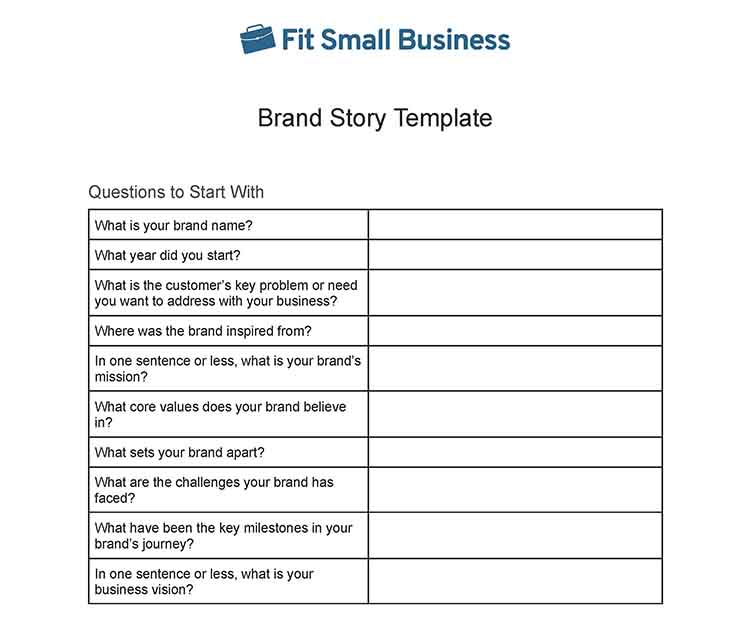
Before you can tell your story, you must know what it is. Your core narrative isn’t just a description of your products or services; it’s the underlying reason your business exists. It answers the fundamental questions:
- Why do you exist? What problem are you passionate about solving?
- What unique perspective do you bring? How are you different from competitors?
- What transformation do you offer? How do customers’ lives improve after engaging with you?
For SMBs, this clarity is paramount. It provides a filter for all marketing decisions. Without it, your messaging will be inconsistent and ineffective. This requires internal alignment first, often a trade-off against immediately launching new campaigns.
What often gets overlooked is the true cost of skipping this internal alignment. It’s not just about inconsistent messaging; it’s about the cumulative waste of resources. Every piece of content, every ad dollar, every sales conversation built on a shaky narrative foundation is less effective. This isn’t just a theoretical inefficiency; it translates directly into longer sales cycles, higher customer acquisition costs, and a constant feeling of ‘spinning wheels’ for the marketing and sales teams. The immediate pressure to ‘do something’ often overshadows the long-term benefit of ‘doing the right thing first.’
Furthermore, many teams believe they have a core narrative when, in reality, they’ve articulated a mission statement or a glorified product description. The true test isn’t whether you can recite it, but whether it actively serves as a filter for every strategic choice. Can it definitively tell you what campaigns to prioritize, what features to develop next, or even what customer segments to pursue? The human element here is critical: achieving genuine internal alignment often requires uncomfortable conversations, challenging long-held assumptions, and navigating differing opinions among leadership. This pressure can lead to a superficial consensus, where everyone nods in agreement but operates from their own interpretation, effectively nullifying the narrative’s power as a unified guide.
Prioritizing Your Audience: Who Are You Talking To?
A compelling narrative is only compelling if it speaks directly to someone. For SMBs, the critical decision is to narrow your focus. You cannot effectively reach everyone, and attempting to do so will dilute your message and waste precious resources.
Identify your ideal customer:
- What are their primary pain points that your business addresses?
- What are their aspirations and goals?
- Where do they seek information and solutions?
Understanding your audience’s context allows you to frame your narrative in a way that resonates with their specific challenges and desires. This means making the judgment call to intentionally exclude some potential customers to better serve your core segment. It’s a necessary trade-off for impact.
While the concept of narrowing focus seems straightforward, the practical execution often presents internal friction. Teams, especially those under revenue pressure, can find it incredibly difficult to intentionally turn away potential customers or deprioritize leads that don’t perfectly fit the ideal profile. This isn’t just a theoretical exercise; it requires ongoing discipline to resist the urge to chase every opportunity, even if it dilutes your core message and stretches limited resources further.
The hidden cost of failing to maintain this focus extends beyond inefficient marketing spend. When your audience definition becomes fuzzy, your product or service development can also lose direction, attempting to solve too many disparate problems for too many different people. This leads to a diluted offering that excels at nothing, creating a cycle of customer dissatisfaction and internal team frustration as efforts are spread thin without clear impact. It also makes it harder to build a truly differentiated brand.
Furthermore, many teams overlook the initial rigor required in defining the “ideal customer.” It’s easy to create a persona that reflects who you *wish* to serve, rather than a realistic assessment of who you *can* serve most effectively and profitably with your current capabilities. A common failure mode is defining an audience too broadly, even with good intentions – for example, targeting “all small businesses” when the nuances between a solopreneur, a 5-person team, and a 50-person company are vast and demand entirely different messaging and solutions. This initial lack of precision sets the stage for all subsequent marketing efforts to underperform.
Developing Your Narrative Elements: The Essentials
Once you understand your core story and your audience, you can construct the key elements of your narrative. Think of these as the building blocks:
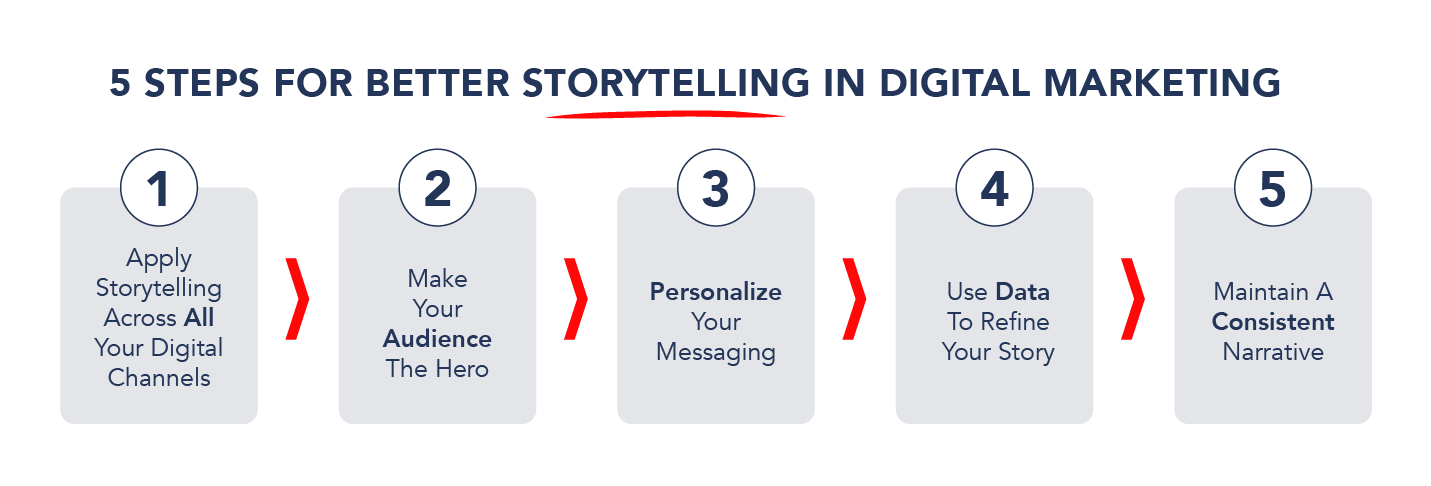
- The Hero (Your Customer): Frame your customer as the protagonist facing a challenge.
- The Challenge: Clearly articulate the problem or pain point your customer experiences.
- The Guide (Your Brand): Position your brand as the helpful guide with the solution, not the hero.
- The Plan: Outline the simple steps your customer needs to take with your brand.
- The Success: Describe the positive outcome or transformation your customer will achieve.
- The Failure (Stakes): Briefly touch on what happens if they don’t engage with your solution.
Keep these elements simple, direct, and authentic. Avoid jargon or overly complex explanations. The goal is clarity and emotional connection, not intellectual debate.
Executing Your Narrative: Where to Focus First
With limited resources, strategic execution is key. Prioritize channels where your narrative can have the most immediate and consistent impact:
- Your Website: This is your primary digital storefront. Ensure your core narrative is evident on your homepage, ‘About Us’ page, and key product/service descriptions. This is non-negotiable.
- Email Marketing: Integrate your narrative into welcome sequences, newsletters, and promotional emails. This allows for direct, controlled communication.
- Core Social Media Channels: Select one or two platforms where your ideal audience is most active. Consistently share aspects of your narrative through posts, stories, and interactions. Don’t spread yourself too thin.
- Sales Conversations: Equip your team with the language and stories to articulate the brand narrative consistently during direct customer interactions.
Focus on owned channels first, where you have full control over the message and can ensure consistency without external dependencies.
What to Deprioritize and Why
For small to mid-sized businesses, the temptation to chase every new marketing trend or platform is strong, but it’s a drain on resources and attention. You should deprioritize or skip:
- Complex, High-Production Video Series: While impactful, these are resource-intensive. Unless your core narrative is rock-solid and proven on simpler channels, the ROI is often poor. Delay until you have a clear, tested message and dedicated resources.
- Extensive Influencer Marketing Campaigns: Engaging with influencers requires significant budget and careful management to ensure alignment with your brand narrative. Without a clear, established story, these efforts can feel inauthentic or misaligned.
- Trying to be on Every Social Media Platform: Spreading your team too thin across multiple platforms leads to inconsistent messaging and diluted effort. Focus on depth and quality on one or two key platforms rather than superficial presence everywhere.
- Developing Multiple, Disparate Narratives: Attempting to create unique stories for every micro-segment of your audience before your core narrative is strong will lead to confusion and inefficiency. Focus on a single, compelling story that resonates with your primary audience.
These activities, while potentially valuable for larger enterprises, often distract SMBs from the foundational work of solidifying and consistently applying their core brand story where it matters most.
Sustaining Your Story: Consistency Over Novelty
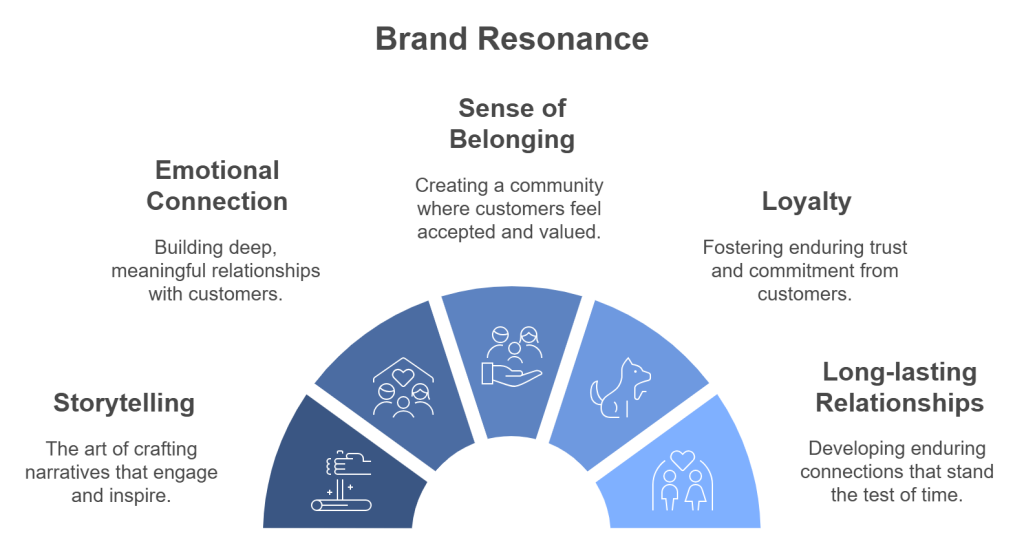
Your brand narrative isn’t a one-time project; it’s an ongoing commitment. The real power of a compelling story comes from its consistent application across all touchpoints over time. This builds recognition, trust, and loyalty.
- Internal Alignment: Ensure every team member, from sales to customer service, understands and can articulate the brand’s core story. This creates a unified customer experience.
- Regular Review: Periodically assess if your narrative still resonates with your audience and accurately reflects your evolving business. Market conditions and customer needs change, and your story may need subtle adjustments.
- Reinforce, Don’t Reinvent: Resist the urge to constantly change your narrative for novelty’s sake. Consistency reinforces your brand identity. Small iterations are fine, but a complete overhaul should be rare and strategic.
Consistency is the bedrock of effective brand building for SMBs. It allows your limited marketing efforts to compound over time, making your brand memorable and trustworthy. guide to brand consistency



Leave a Comment