


Introduction: AI’s Transformative Impact on Search
The digital marketing landscape is rapidly evolving, primarily driven by advancements in Artificial Intelligence. Search engines, now powered by sophisticated AI, move beyond simple keyword matching to understand user intent with unprecedented accuracy. This shift presents both challenges and significant opportunities for marketers.
For businesses focused on growth and campaign optimization, understanding AI’s role in search is crucial. This article explores the new marketing frontiers opened by AI, offering practical insights and actionable strategies to help you adapt, innovate, and thrive in this dynamic digital environment.
Understanding AI’s Role in Modern Search
AI algorithms are fundamental to modern search engines, interpreting complex queries and contextual nuances. Technologies like Natural Language Processing (NLP) and machine learning enable search engines to grasp semantic meaning, identify concept relationships, and deliver highly relevant results. This intelligence allows search engines to anticipate user needs and provide comprehensive answers.
AI also personalizes search experiences by analyzing user behavior, location, and history. This tailoring makes each search unique. For marketers, this means moving beyond a “one-size-fits-all” SEO approach, focusing instead on delivering value that aligns with diverse user intents and personalized journeys.
The Shift from Keywords to Intent
The era of optimizing solely for exact-match keywords is largely over. AI-driven search engines prioritize understanding the user’s underlying intent – what they truly seek – rather than just the words typed. Content that comprehensively answers questions, solves problems, or provides deep insights will rank higher, even without perfect keyword density.
To succeed, marketers must pivot content strategies. This involves thorough audience research to identify pain points and decision-making processes. Content should directly address these intents, offering clear, authoritative, and helpful information that guides users. Focus on building topical authority around your core subjects.
Optimizing Content for AI-Driven Search
Effective optimization for AI-driven search demands a multi-faceted approach. Beyond high-quality, intent-focused content, structured data (schema markup) is vital. Implementing schema helps search engines better understand content context, enabling AI to present it in rich snippets and enhanced search features, improving visibility.
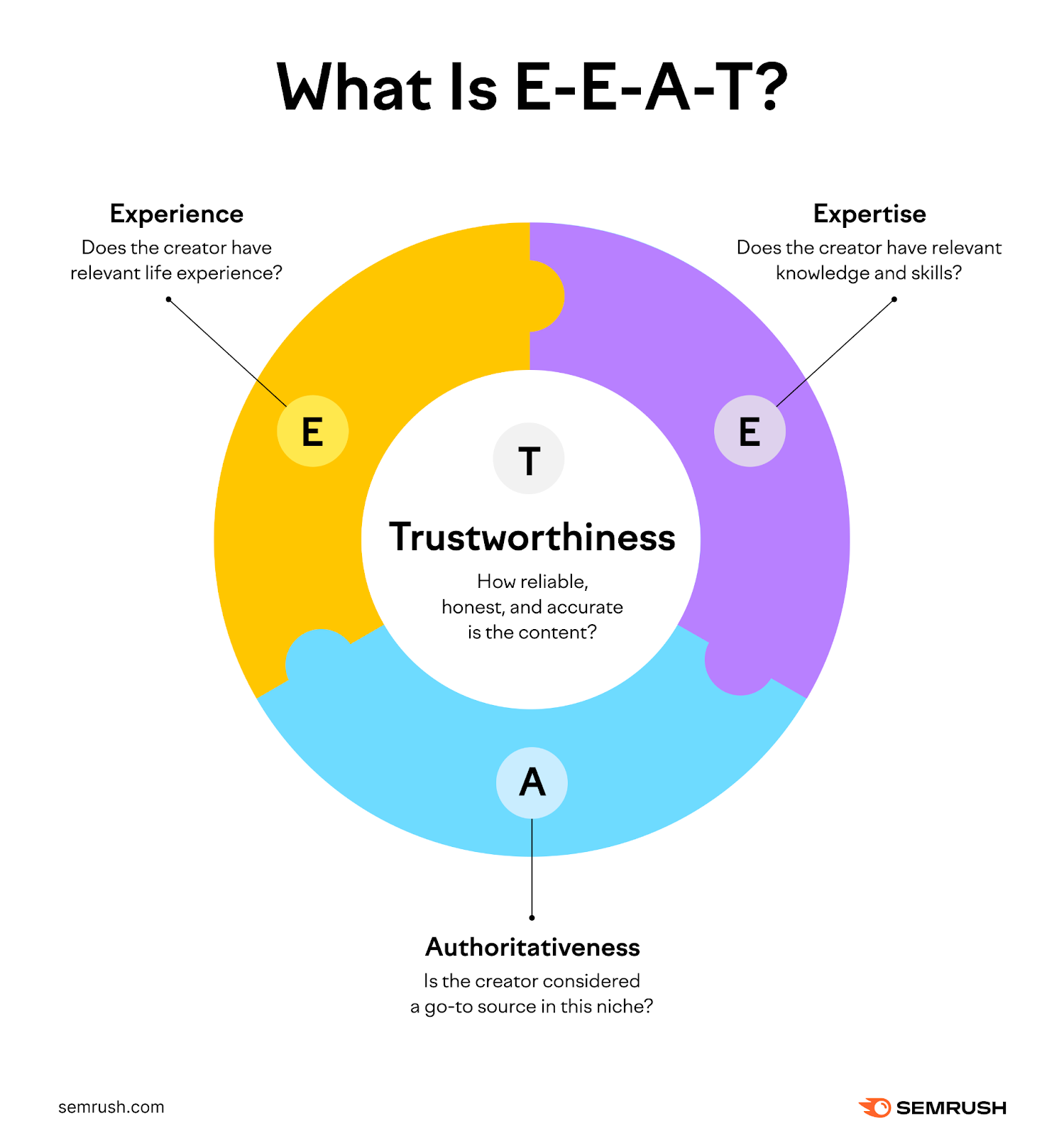
E-E-A-T (Experience, Expertise, Authoritativeness, Trustworthiness) is another critical factor. AI algorithms prioritize content from credible sources. Marketers must demonstrate these qualities through clear author bios, citations, and a consistent track record of valuable, accurate information. Building brand presence and user trust are now integral to SEO success.
Leveraging AI Tools for Search Marketing
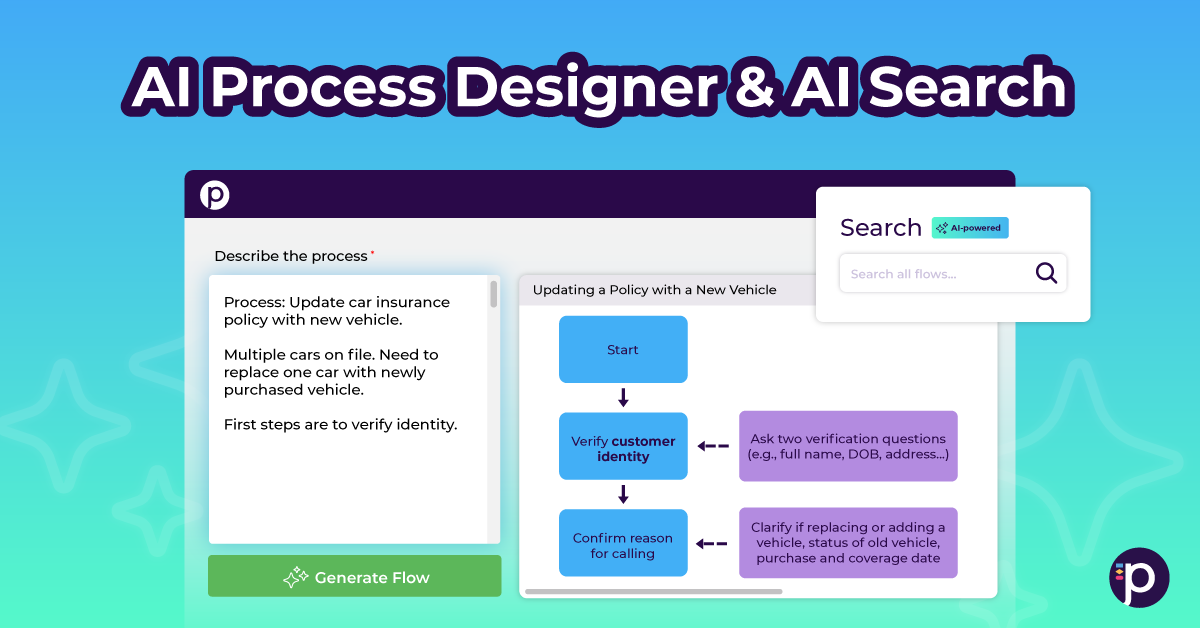
AI’s rise has spurred powerful AI-powered marketing tools that significantly enhance SEO. These tools automate tasks, provide deeper insights, and aid strategy. AI can analyze vast datasets to identify emerging keyword trends, predict content performance, and uncover competitive gaps. They also assist in generating content outlines or optimizing existing text.
Beyond content, AI tools are invaluable for personalization and predictive analytics. They segment audiences with precision, recommend personalized content, and predict future user behavior. This allows marketers to refine targeting, optimize ad spend, and tailor campaigns for maximum impact, shifting from reactive adjustments to proactive, data-informed strategies.

Measuring Success in an AI-First Search Landscape
In an AI-driven search environment, traditional metrics like keyword rankings are insufficient. Marketers must expand focus to include user engagement, satisfaction, and conversion. Closely monitoring time on page, bounce rate, click-through rates on rich snippets, and overall conversion paths is paramount to assessing content value.
Adapting analytics to understand AI-driven traffic patterns is essential. This includes analyzing how users arrive from various search features (e.g., featured snippets, “People Also Ask” boxes) and how these entry points influence behavior. Tracking these nuanced interactions provides a holistic view of search performance, allowing strategy refinement.
The Future of Search: Conversational AI and Beyond
AI in search points towards increasingly conversational and interactive experiences. Voice search, AI chatbots, and virtual assistants are prevalent, shifting user expectations towards natural language interactions and direct answers. Marketers must prepare for a future where search involves dialogues, requiring content that is concise, answer-focused, and easily digestible by AI systems.
Multimodal search, combining text, image, and voice, will likely become standard. Personalized AI assistants will curate information, potentially bypassing traditional SERPs. Businesses investing in understanding these interfaces and optimizing for interactive, AI-mediated discovery will be best positioned for future growth.
Navigating the AI Search Revolution for Business Growth
AI integration into search engines marks a pivotal moment for digital marketing. It demands a strategic pivot from keyword optimization to a holistic approach centered on user intent, content quality, and technical excellence. Businesses embracing this evolution, continuously adapting, and understanding AI’s capabilities will unlock new avenues for visibility and engagement.
Success in the AI search era hinges on continuous learning and adaptation. By prioritizing high-quality, authoritative content, leveraging AI tools for insights, and preparing for conversational and multimodal search, marketers can transform these new frontiers into powerful engines for business expansion. The future of search is intelligent, and your marketing strategy must be too.


Leave a Comment