


The Imperative for a Strategic Marketing Playbook Today
In the dynamic marketing landscape of early 2026, relying on ad-hoc campaigns and reactive tactics is a recipe for stagnation. Businesses are grappling with evolving consumer behaviors, fragmented digital channels, and the rapid integration of AI across every touchpoint. A Strategic Marketing Growth Playbook isn’t just a document; it’s your living blueprint for sustainable expansion, ensuring every marketing effort aligns with overarching business objectives.
From hands-on work, we’ve seen that teams without a clear playbook often waste resources, struggle with inconsistent messaging, and fail to capitalize on emerging opportunities. This guide will walk you through building a robust, data-driven playbook designed for the realities of today’s market.
Defining Your Growth Levers: Beyond Surface-Level Goals
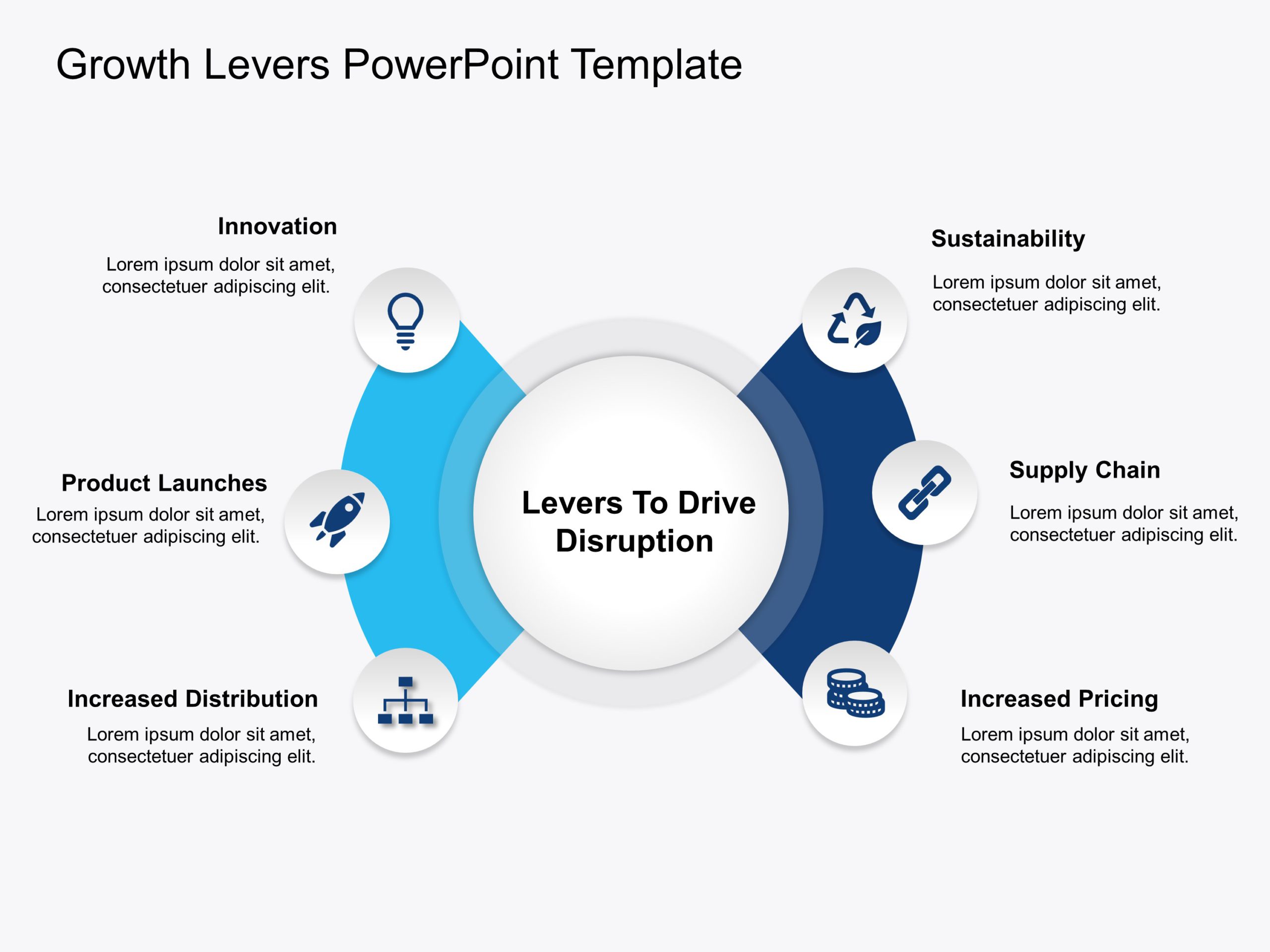
Before you build a playbook, you must understand what truly drives growth for your specific business. This goes beyond generic “increase revenue” statements. It requires deep dives into:
- Customer Lifetime Value (CLTV): Are you optimizing for acquisition or retention? For many SaaS and subscription models, CLTV is the ultimate growth lever.
- Market Share Expansion: Identifying untapped segments or geographies where your product can gain traction.
- Product Adoption & Usage: For tech companies, growth often hinges on active users and feature engagement, which marketing influences post-acquisition.
- Brand Equity & Trust: Especially critical in competitive or high-consideration markets, where long-term growth is built on reputation.
Your playbook must be anchored in these specific, measurable growth levers. Without this clarity, your strategies will lack focus.
Building a Data-Driven Foundation: Escaping Vanity Metrics
A growth playbook is only as strong as the data it’s built upon. Yet, a common pitfall is focusing on vanity metrics – likes, impressions, raw website traffic – that look good but don’t correlate directly to business growth. In 2026, with advanced analytics and AI-powered attribution models readily available, there’s no excuse for this.
Prioritize metrics that directly inform your growth levers:
- Customer Acquisition Cost (CAC) vs. CLTV: The fundamental equation for sustainable growth.
- Conversion Rates: Across every stage of the funnel, from lead to customer.
- Churn Rate & Retention: Crucial for subscription businesses.
- Marketing-Originated Revenue: The direct financial impact of your marketing efforts.
- Attribution Modeling: Moving beyond last-click to understand the full customer journey. AI tools are making multi-touch attribution far more accurate and accessible than ever before.
Regularly audit your data sources and ensure data integrity. Garbage in, garbage out applies more than ever when AI models are learning from your data.
The Playbook Framework: Structure for Agile Execution
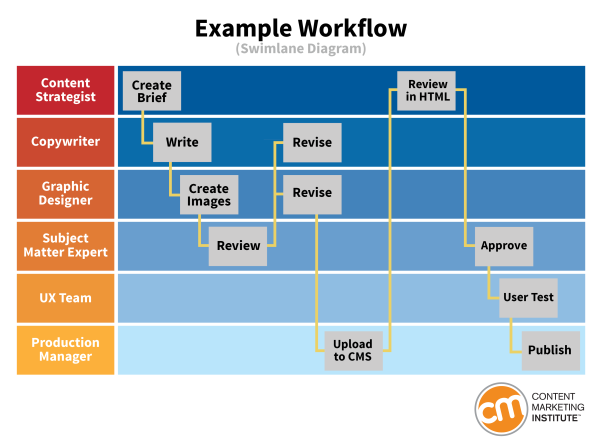
Your playbook needs a clear, actionable structure. Think of it as a living document, not a static report. Here’s a practical framework:
- Audience & Persona Deep Dive: Who are you targeting? What are their pain points, motivations, and preferred channels? This should be continually refined.
- Core Messaging & Value Proposition: How do you articulate your unique selling points to each persona? Consistency is key.
- Channel Strategy: Which channels (SEO, PPC, social, email, content, partnerships) will you prioritize based on audience and growth levers? Define specific roles for each.
- Content Strategy & Pillars: What content will you create to attract, engage, and convert? Map content to the buyer’s journey.
- Technology Stack & AI Integration: List your essential tools (CRM, marketing automation, analytics, AI content generators, predictive analytics platforms) and how they integrate.
- Measurement & Optimization Loops: Clearly define KPIs for each strategy, reporting cadences, and the process for A/B testing and iteration.
This framework provides the backbone. The details within each section will be your actionable strategies.
Leveraging AI for Scalable Execution and Insights
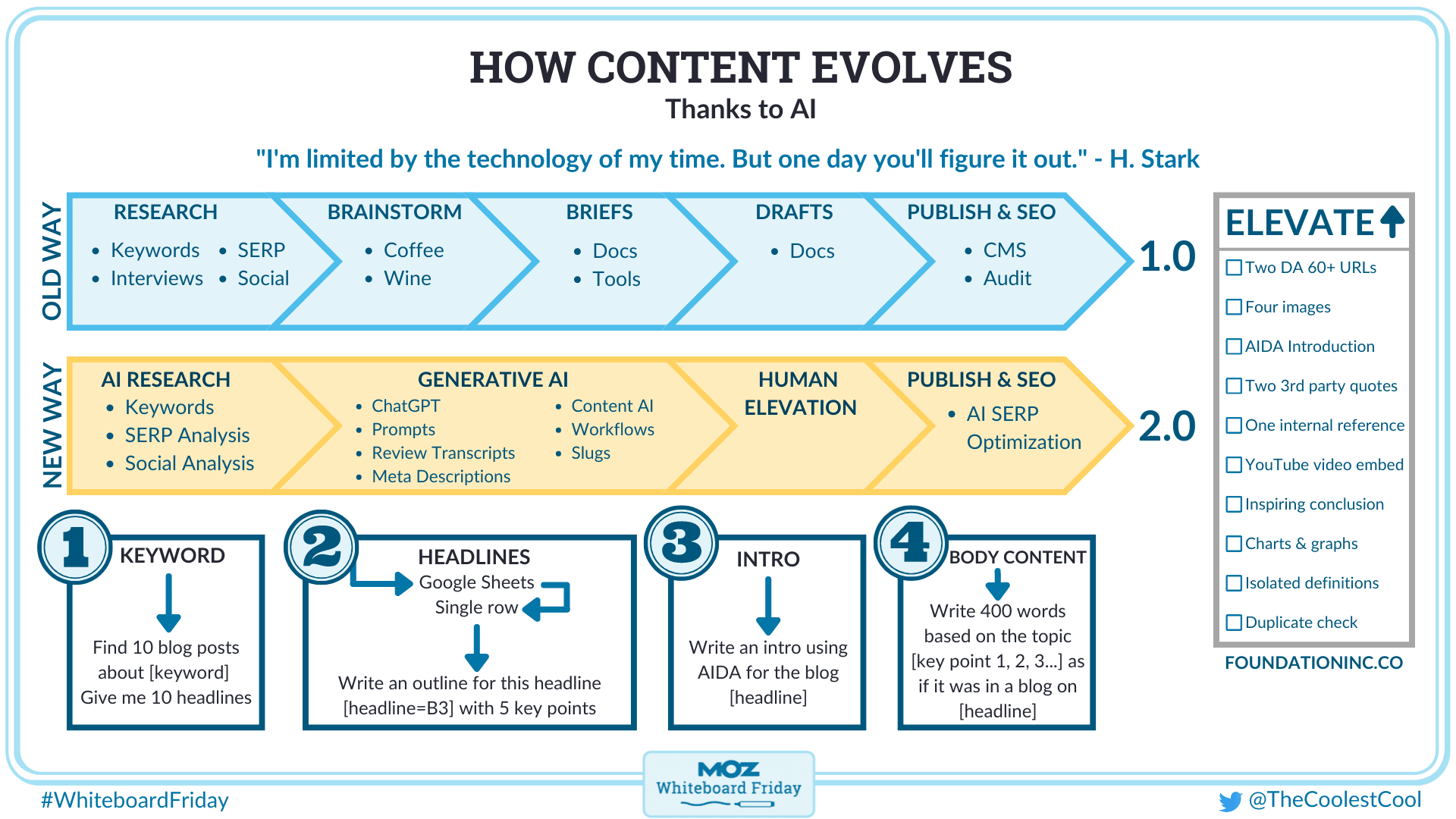
The role of AI in marketing has moved beyond novelty; it’s now a fundamental component of scalable execution. In 2026, AI isn’t just for automating repetitive tasks; it’s a strategic partner for:
- Hyper-Personalization: AI-driven content recommendations, dynamic website experiences, and tailored email sequences that adapt in real-time.
- Predictive Analytics: Identifying high-value leads, predicting churn risk, and forecasting campaign performance with greater accuracy.
- Content Generation & Optimization: Assisting with drafting copy, generating image ideas, and optimizing existing content for SEO and engagement. However, human oversight remains critical to ensure brand voice and factual accuracy.
- Ad Campaign Optimization: AI algorithms are constantly refining bidding strategies, audience targeting, and creative variations across platforms.
- Customer Service & Support: AI chatbots and virtual assistants handling routine queries, freeing up human agents for complex issues.
A critical reality check: while AI offers immense power, it’s not a magic bullet. Blindly trusting AI outputs without human strategic input or understanding its limitations can lead to costly errors. Your playbook must define where AI augments human expertise, not replaces it entirely.
When the Playbook Hits a Wall: Limitations and Adaptability
Even the most meticulously crafted playbook has its limitations. A common assumption is that a comprehensive playbook guarantees success. This is often not true in highly dynamic environments. For instance, in an early-stage startup still searching for product-market fit, a rigid, long-term playbook can be detrimental. The constant need to pivot, test new value propositions, and rapidly iterate means that a detailed, pre-defined strategy can quickly become obsolete.
In such scenarios, the “playbook” needs to be more of a framework for rapid experimentation and learning, rather than a fixed set of plays. It should prioritize:
- Hypothesis-Driven Testing: Clearly defined assumptions to validate.
- Short Feedback Loops: Quick measurement and analysis cycles.
- Resource Allocation for Discovery: Budgeting for exploratory campaigns.
The trade-off here is between efficiency and agility. A mature business benefits from efficiency; a nascent one needs agility above all else. Your playbook must reflect your current business stage and market volatility.
Cultivating a Future-Proof Growth Engine
Your Strategic Marketing Growth Playbook is never truly “finished.” It’s a living document that requires continuous review, refinement, and adaptation. As new technologies emerge, consumer behaviors shift, and market conditions evolve, your playbook must evolve with them. Regularly schedule dedicated sessions to review performance against your growth levers, challenge existing assumptions, and integrate new insights.
The goal isn’t just to execute campaigns, but to build a resilient, adaptable marketing engine capable of driving sustained growth for years to come. This requires a culture of learning, experimentation, and a commitment to data-driven decision-making at every level.


Leave a Comment