

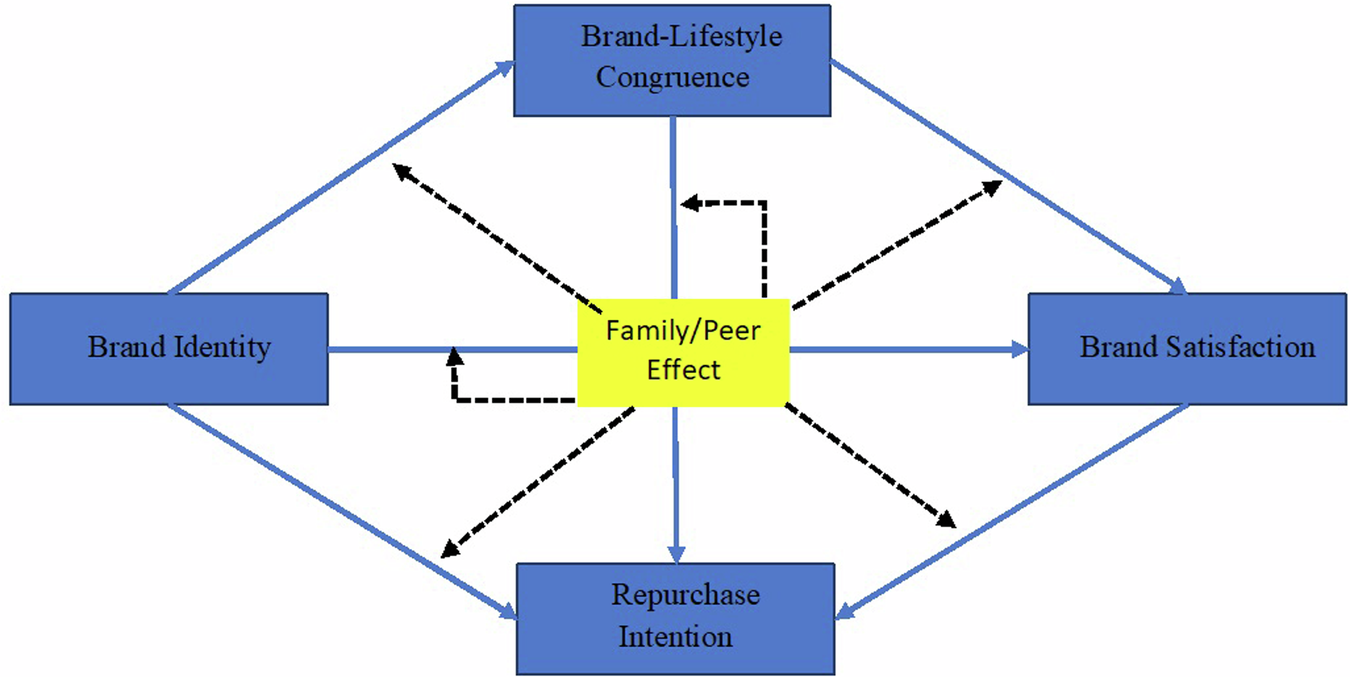
For small to mid-sized businesses, strategic brand building isn’t a luxury reserved for large corporations; it’s a fundamental driver of sustainable growth. This guide cuts through the noise, offering actionable advice on how to build a brand that resonates, earns trust, and cultivates lasting customer loyalty, even with limited budgets and headcount. You’ll learn where to focus your efforts for maximum impact, what to delay, and what common pitfalls to avoid.
We’ll emphasize practical decision-making, helping you make smart trade-offs under real-world constraints. By the end, you’ll have a clear roadmap to strengthen your brand’s foundation and drive tangible business results.
Defining Your Brand’s Core Identity
Before you can build, you must define. Your brand’s core identity is its DNA – what you stand for, what you offer, and how you want to be perceived. For SMBs, this isn’t about lengthy workshops but about clarity and focus. It encompasses your purpose (why you exist), your values (what you believe in), your personality (how you communicate), and your unique selling proposition (USP – what makes you different).
Prioritization: Start with your purpose and USP. These are the foundational elements that dictate your market position and initial messaging. What problem do you solve, and how do you solve it better or differently than anyone else? Articulate this clearly. Your values and personality can be refined over time, but having a starting point ensures consistency. Don’t overthink this to the point of paralysis; a clear, concise statement is more valuable than an exhaustive, complex one.
What to Deprioritize or Skip: Avoid spending excessive time and resources on creating an elaborate brand book or complex visual identity guidelines before you’ve even validated your core offering or gained initial customer traction. While important eventually, early-stage SMBs should prioritize getting their core message right and consistently applying it across their most critical customer touchpoints. Don’t try to be everything to everyone; focus on a specific niche where your USP shines.
Crafting a Coherent Brand Experience
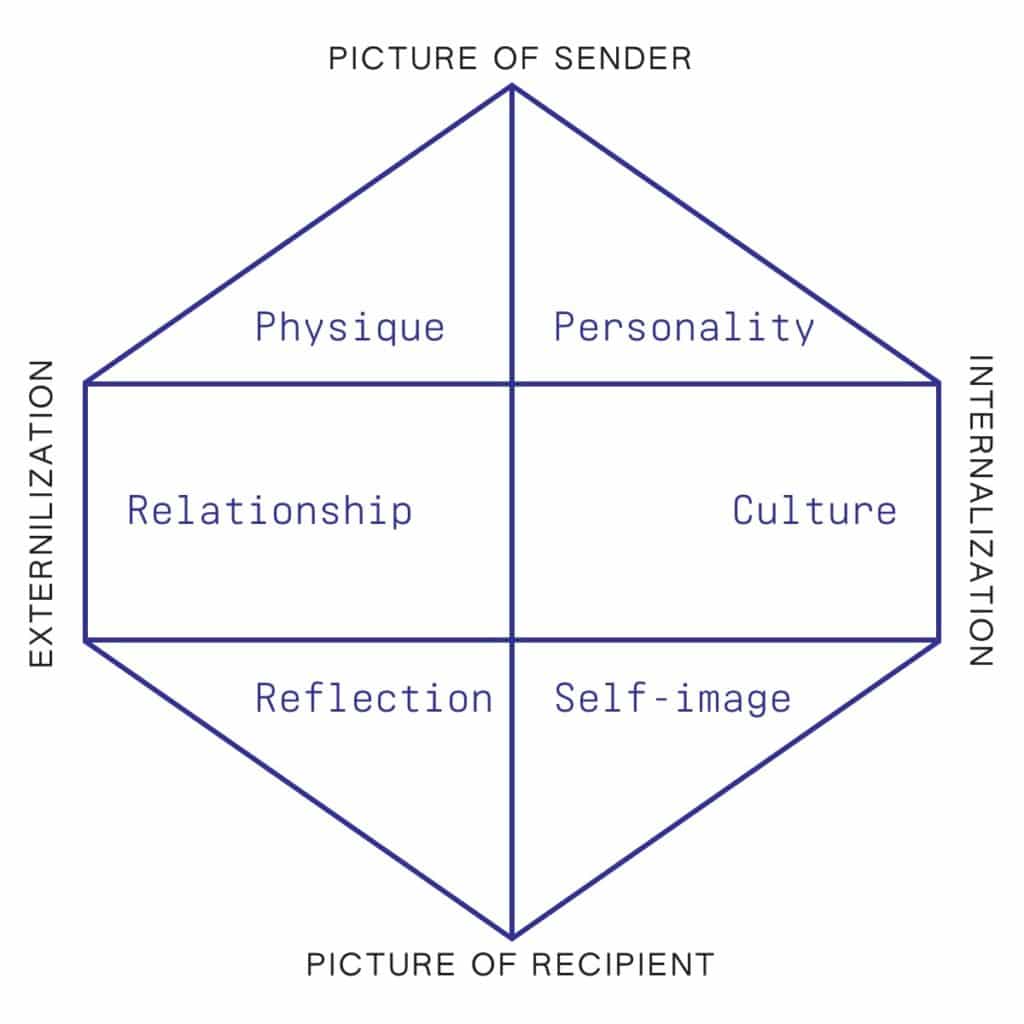
A strong brand isn’t just a logo or a tagline; it’s the sum of every interaction a customer has with your business. This includes your website, social media presence, customer service, product packaging, and even how you handle inquiries. Consistency across these touchpoints builds recognition and, more importantly, trust.
Prioritization: Identify your most critical customer touchpoints – typically your website, primary sales channel (e.g., e-commerce platform, physical store), and initial customer support interactions. Ensure these are aligned with your core brand identity. For example, if your brand personality is

Leave a Comment