


The Imperative of Sustainable SEO in Today’s Landscape
In the rapidly evolving digital marketing landscape of late 2025, achieving quick SEO wins is no longer sufficient for lasting business success. The focus has decisively shifted towards sustainable growth, demanding a strategic approach that builds long-term authority and resilience. This requires moving beyond tactical keyword stuffing to a holistic strategy encompassing technical excellence, high-value content, and robust off-page signals, all while leveraging advanced analytics and AI tools.
Sustainable SEO is about creating a robust online presence that withstands algorithm updates and continuously delivers value to users. It prioritizes user experience, genuine expertise, and technical soundness, ensuring your digital assets are not just visible, but truly impactful. This checklist provides a framework for businesses aiming to future-proof their organic search performance and secure a competitive edge.
Pillar 1: Technical SEO Foundations for Performance
A strong technical foundation is non-negotiable for sustainable SEO. This involves ensuring your website is easily discoverable, crawlable, and indexable by search engines, while also delivering an optimal user experience. Key elements include a clean robots.txt file, comprehensive XML sitemaps, and correct canonicalization to prevent duplicate content issues. Regularly auditing these aspects is crucial for maintaining search engine visibility.
Core Web Vitals remain a critical ranking factor, emphasizing page load speed (LCP), interactivity (INP), and visual stability (CLS). Optimizing server response times, compressing images, deferring non-critical CSS/JS, and leveraging content delivery networks (CDNs) are essential steps. Furthermore, with mobile-first indexing being the standard, ensuring your site is fully responsive and performs flawlessly on all devices is paramount. Implementing structured data (Schema Markup) also helps search engines understand your content better, potentially leading to rich snippets and enhanced visibility in search results.
Pillar 2: High-Value Content & E-E-A-T
Content is the cornerstone of sustainable SEO, but its effectiveness hinges on quality, relevance, and adherence to E-E-A-T (Experience, Expertise, Authoritativeness, Trustworthiness) principles. Today’s search algorithms prioritize content that genuinely answers user queries, demonstrates deep understanding, and comes from credible sources. This means moving beyond basic keyword matching to creating comprehensive, insightful, and unique content that establishes your brand as an industry leader.
An intent-driven content strategy is vital. Researching user intent behind keywords allows you to create content that directly addresses their needs, whether informational, navigational, or transactional. Regularly updating and refreshing evergreen content ensures its continued relevance and performance. Furthermore, structuring content for readability with clear headings, concise paragraphs, and bullet points enhances user engagement and helps search engines parse your information effectively. Focus on providing real value, backed by verifiable facts and practical insights.
Pillar 3: Authority Building & Off-Page Signals
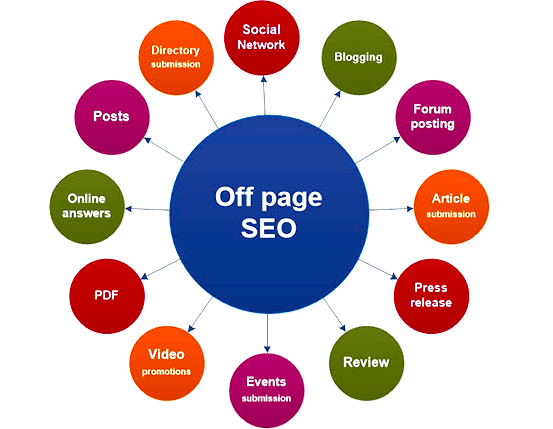
Building domain authority through strategic off-page SEO is crucial for long-term growth. This primarily involves acquiring high-quality backlinks from reputable and relevant websites. Focus on earning links through valuable content, industry partnerships, and digital PR, rather than pursuing low-quality or spammy link schemes. A diverse backlink profile signals trustworthiness and authority to search engines.
Beyond traditional link building, managing your online reputation and securing brand mentions across various platforms significantly contributes to your E-E-A-T. Actively engaging in industry discussions, fostering positive customer reviews, and optimizing your Google Business Profile are essential, especially for local businesses. User experience signals, such as click-through rate (CTR) from search results, dwell time on your pages, and low bounce rates, also indirectly influence rankings by indicating content relevance and quality.
Pillar 4: AI & Data for Continuous Optimization
Leveraging AI tools and robust data analytics is no longer optional; it’s a fundamental component of a sustainable SEO strategy. AI can assist in various aspects, from identifying content gaps and optimizing existing content for semantic relevance to performing technical SEO audits and predicting search trends. These tools enhance efficiency and provide actionable insights, allowing strategists to make data-driven decisions rather than relying on guesswork.
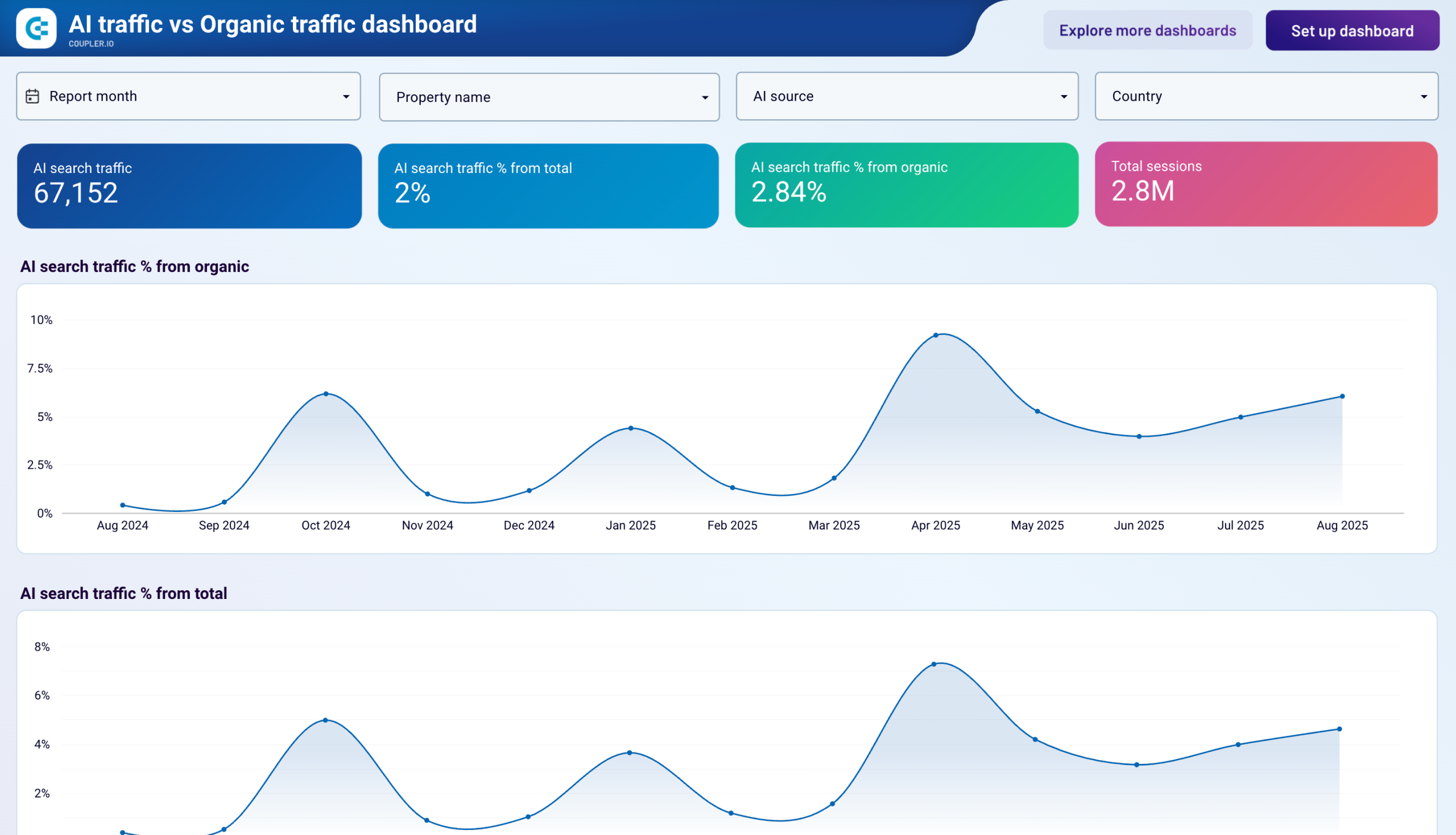
Continuous performance monitoring using platforms like Google Analytics 4 (GA4) and Google Search Console (GSC) is critical. Analyze user behavior, conversion paths, and keyword performance to identify areas for improvement. Implement A/B testing for page elements, meta descriptions, and content variations to refine your strategy iteratively. This data-centric approach ensures your SEO efforts are always aligned with measurable business objectives and adapt to changing market dynamics.
Evolving for Future SEO Resilience
The digital landscape is in constant flux, and a sustainable SEO strategy must be inherently adaptable. Staying informed about Google’s algorithm updates, understanding the evolving role of generative AI in search, and anticipating shifts in user behavior are paramount. Integrate your SEO efforts with broader omnichannel marketing initiatives to create a cohesive brand experience across all touchpoints, reinforcing your authority and reach.
Prioritize ethical SEO practices, transparency, and a user-first mindset. Building a strong, authentic brand presence that genuinely serves its audience will always be the most resilient strategy against future changes. By consistently applying this checklist and embracing a culture of continuous learning and adaptation, businesses can achieve not just temporary boosts, but truly sustainable growth in organic search.


Leave a Comment