

Why Diversify Beyond Google Ads?
While Google Ads remains a dominant force in digital advertising, relying solely on one platform can limit growth and expose businesses to unnecessary risks. In today’s highly competitive landscape, many advertisers face escalating Cost-Per-Click (CPC) rates and saturation within Google’s ecosystem, making it challenging to achieve optimal Return on Investment (ROI).
Diversifying your advertising portfolio allows you to tap into new audience segments that may not be actively searching on Google. Different platforms cater to distinct user behaviors and demographics, offering unique opportunities for brand awareness, lead generation, and direct sales. A multi-platform approach also mitigates risk; if one platform experiences a policy change, algorithm update, or increased competition, your entire marketing strategy isn’t jeopardized.

Key Considerations When Evaluating Alternatives
Choosing the right Google Ads alternatives requires a strategic approach, moving beyond simply replicating your existing campaigns. The primary goal is to align platform capabilities with your specific business objectives and target audience behavior. Begin by thoroughly understanding where your ideal customers spend their time online and what their intent is on those platforms.
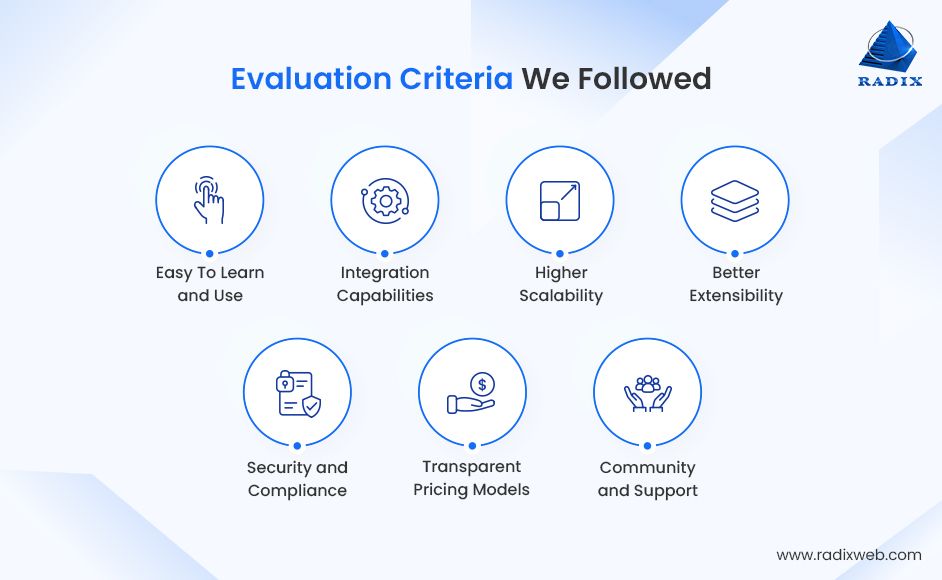
Evaluate each potential alternative based on several critical factors. Consider the platform’s ad formats and targeting precision, ensuring they support your creative assets and allow you to reach your desired demographic, psychographic, or behavioral segments effectively. Additionally, scrutinize the available analytics and reporting tools to ensure you can accurately measure performance and attribute success back to your campaigns.
- Audience Demographics & Behavior: Does the platform reach your target audience? What are users doing there (searching, browsing, networking, entertaining)?
- Campaign Objectives: Is the platform best suited for brand awareness, lead generation, e-commerce sales, or app installs?
- Budget & ROI Expectations: Understand the typical CPCs, CPMs, and conversion rates, and how they align with your financial goals.
- Ad Formats & Targeting Capabilities: Assess the variety of ad types (text, image, video) and the granularity of targeting options (interests, job titles, behaviors).
- Analytics & Reporting: Ensure robust measurement tools are available for tracking key performance indicators (KPIs) and optimizing campaigns.
Top Google Ads Alternatives and Their Strengths
The digital advertising landscape offers a rich array of platforms, each with distinct advantages. Understanding these strengths is crucial for selecting alternatives that complement your overall marketing strategy and fill gaps left by Google Ads.
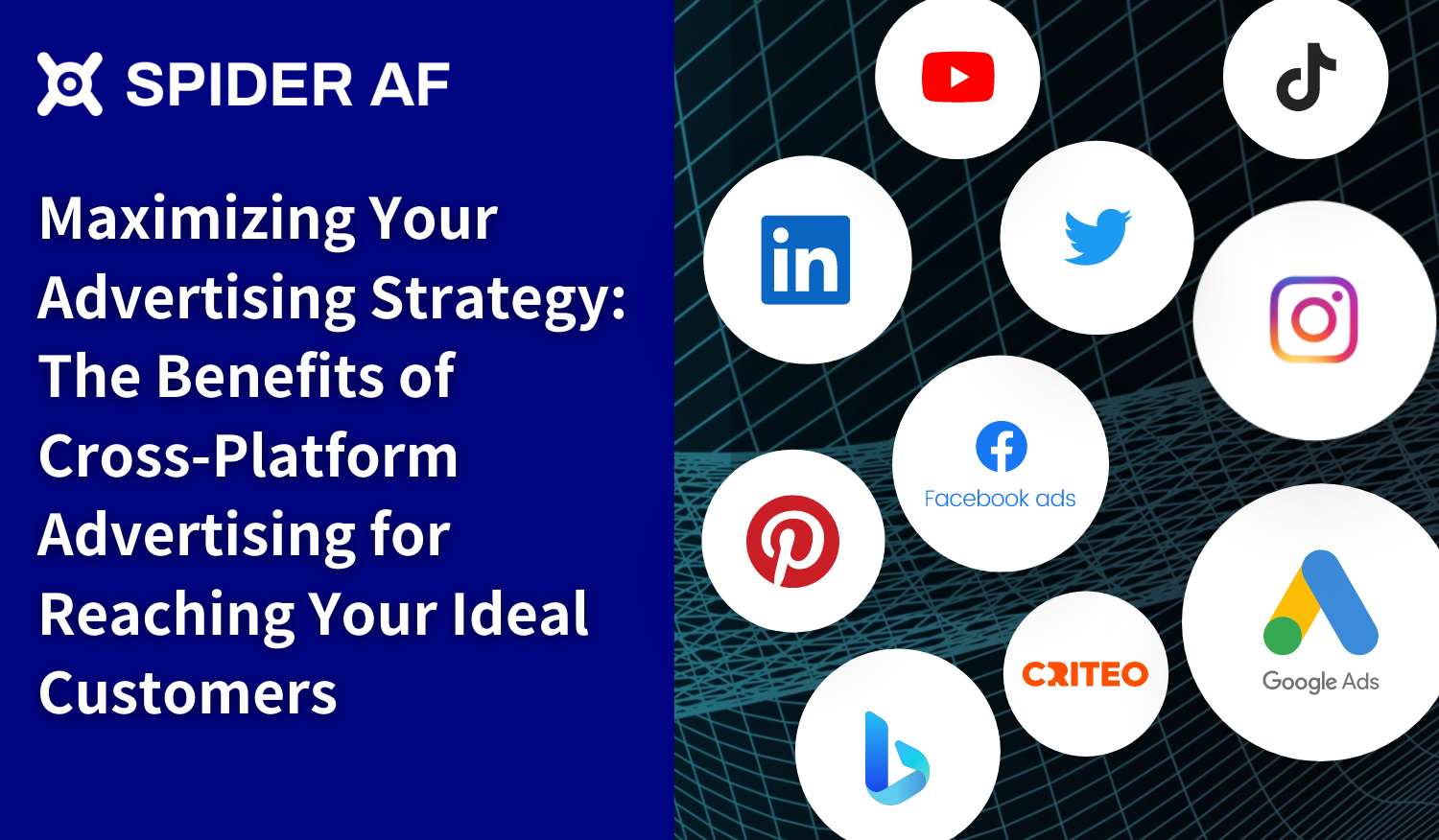
- Meta Ads (Facebook & Instagram): Ideal for highly visual campaigns, brand building, and reaching specific demographic and interest-based audiences. Their robust targeting capabilities, leveraging vast user data, make them powerful for both B2C and certain B2B segments, especially for e-commerce and lead generation through dynamic ads and lead forms.
- Microsoft Advertising (Bing Ads): Often overlooked, Microsoft Advertising provides access to an audience that typically has higher disposable income and is less saturated than Google’s network. It offers lower CPCs in many industries and reaches users across Bing, Yahoo, and DuckDuckGo search engines, as well as LinkedIn’s audience for search ads.
- LinkedIn Ads: Unparalleled for B2B marketing, LinkedIn Ads allows precise targeting by job title, industry, company size, and professional skills. It’s excellent for lead generation, thought leadership, and building professional networks, though CPCs can be higher due to the highly qualified audience.
- TikTok Ads: A rapidly growing platform, TikTok is essential for reaching Gen Z and younger millennial audiences with engaging, short-form video content. It excels in brand awareness and driving viral trends, offering creative ad formats like In-Feed Ads, TopView, and Branded Hashtag Challenges.
- Amazon Ads: Critical for e-commerce businesses, Amazon Ads targets users with high purchase intent directly on the platform where they shop. Options include Sponsored Products, Sponsored Brands, and Sponsored Display, directly influencing product visibility and sales within the Amazon ecosystem.
- Programmatic Advertising Platforms: These platforms automate the buying and selling of ad inventory across a vast network of websites and apps. They offer sophisticated data-driven targeting, real-time bidding, and broad reach, making them suitable for complex campaigns focused on brand awareness and performance across diverse digital touchpoints.
Implementing a Multi-Platform Strategy
Successfully integrating Google Ads alternatives into your marketing mix requires a structured approach. Begin by conducting small-scale tests on chosen platforms, allocating a modest portion of your budget to gather initial data on performance, audience engagement, and cost-effectiveness. This iterative testing phase is crucial for validating assumptions and identifying the most promising channels for your specific goals.
Once initial tests yield positive results, scale your efforts strategically. Continuously monitor key performance indicators (KPIs) across all platforms, adjusting budget allocation based on where you see the highest ROI and most efficient customer acquisition. Leveraging cross-platform tracking tools and unified analytics dashboards can provide a holistic view of your campaign performance, enabling more informed decisions and preventing siloed data analysis.
Optimizing Performance Across Diverse Channels
Achieving sustained high performance with a diversified advertising strategy demands ongoing optimization and adaptation. Beyond initial setup, focus on continuous A/B testing of ad creatives, headlines, calls-to-action, and landing pages across each platform. What resonates on Meta might not perform as well on LinkedIn or TikTok, necessitating tailored content strategies.
Refine your audience segmentation regularly, leveraging first-party data where possible to create highly personalized ad experiences. Integrate AI-powered optimization tools that can analyze performance data across multiple channels, identify trends, and suggest real-time adjustments to bidding, targeting, and budget allocation. This proactive, data-driven approach ensures your investment in Google Ads alternatives consistently delivers superior results and contributes significantly to your business growth.


Leave a Comment