


The marketing landscape is in perpetual motion. From rapidly evolving AI capabilities and shifting platform algorithms to dynamic consumer behaviors and economic fluctuations, businesses face an unprecedented need for adaptability. A static marketing plan, once a staple, is now a liability. What’s required today is not just a collection of campaigns, but a robust, agile marketing system designed to not only withstand change but to leverage it for sustained growth.
This guide will walk you through the strategic framework and practical steps to construct such a system. We’ll explore how to integrate data-driven insights, embrace technological advancements—especially AI—and foster an organizational culture that thrives on continuous adaptation. The goal is to build a marketing engine that consistently delivers results, regardless of the external turbulence.
Understanding the Dynamics of Modern Marketing Change
The velocity of change in marketing has accelerated dramatically in recent years. Key drivers include the exponential growth of artificial intelligence, which is reshaping everything from content creation and SEO to ad targeting and customer service. Concurrently, major digital platforms frequently update their algorithms, impacting organic reach and paid campaign performance. Consumer expectations are also higher than ever, demanding personalized experiences and authentic brand interactions across an expanding array of channels.
Traditional marketing approaches, characterized by rigid annual plans and siloed departmental operations, are ill-equipped for this environment. They often lead to missed opportunities, wasted resources, and an inability to pivot quickly when market conditions shift. A resilient marketing system, by contrast, is built on the premise that change is the only constant, and its structure must facilitate continuous learning and rapid iteration.
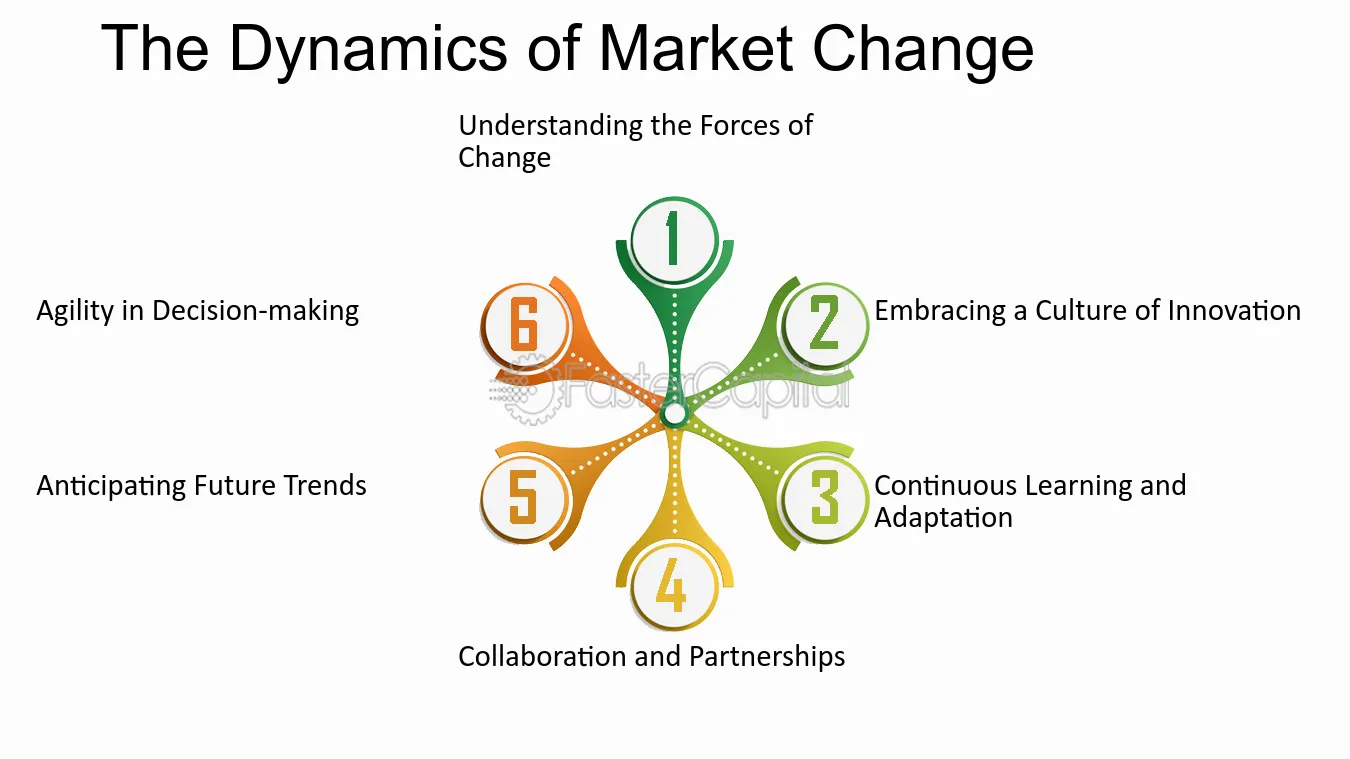
Core Principles of a Resilient Marketing System
A truly resilient marketing system is more than just a collection of tools; it’s an integrated framework underpinned by specific principles. At its heart lies adaptability, ensuring that strategies and tactics can be modified without dismantling the entire operation. This requires a modular approach, where components can be updated or replaced independently, much like software architecture.
Furthermore, such a system must be inherently data-centric and customer-centric. Every decision, from campaign design to channel selection, should be informed by real-time analytics and a deep understanding of the target audience’s evolving needs and preferences. This dual focus ensures relevance and effectiveness, even as external factors shift.
- Agility: The capacity for rapid iteration, experimentation, and response to market signals.
- Data-Driven Decision Making: Relying on analytics and insights, not assumptions or outdated practices.
- Customer-Centricity: Prioritizing audience needs and adapting to their evolving journey.
- Technological Fluency: Embracing and strategically integrating new tools, especially AI, for efficiency and scale.

Phase 1: Establish Your Foundational Strategy & Goals
Before building any system, you must define its purpose. This phase involves establishing clear, measurable objectives that align with overarching business goals. These objectives serve as the anchors for your marketing efforts, providing direction even when tactics need to shift. Define your core value proposition, identify your ideal customer segments, and understand their pain points and aspirations.
Instead of rigid, multi-year plans, develop a flexible strategic framework. Think in terms of rolling 90-day roadmaps or quarterly sprints that allow for regular review and adjustment. This agile planning approach ensures that your strategy remains relevant and responsive to current market conditions, rather than being locked into outdated assumptions.
- Define Core Business Objectives (e.g., revenue growth, market share, customer lifetime value).
- Identify Key Performance Indicators (KPIs) that directly align with these objectives.
- Map Your Ideal Customer Journey, understanding that this journey will evolve over time.

Phase 2: Architecting Your Agile Marketing Stack
The technology stack is the engine of your marketing system. It needs to be flexible, integrated, and capable of leveraging advanced capabilities. This includes robust CRM and customer data platforms (CDPs) for a unified view of your audience, marketing automation platforms for workflow efficiency, and powerful analytics tools for actionable insights. The current landscape also demands the strategic integration of AI-powered solutions.
Crucially, these tools must be integrated to avoid data silos and enable seamless information flow across your marketing operations. An integrated stack allows for a holistic understanding of customer interactions, automates repetitive tasks, and facilitates personalized communication at scale. This interconnectedness is vital for responsiveness.
AI tools, in particular, are transforming marketing operations. They can automate content generation, optimize SEO strategies, personalize ad creatives and targeting, and provide predictive analytics for future trends. Integrating AI strategically enhances the system’s ability to adapt, scale, and deliver more effective outcomes with greater efficiency.
- CRM & Customer Data Platforms (CDP) for unified customer profiles.
- Marketing Automation Platforms (MAP) for workflow efficiency and lead nurturing.
- Analytics & Business Intelligence (BI) tools for real-time performance monitoring.
- AI-powered solutions for content creation, SEO optimization, ad management, and personalization.

Phase 3: Implement Iterative Processes and Feedback Loops
A resilient marketing system operates on iterative cycles, not linear paths. Adopt agile methodologies, adapted from software development, to manage your marketing initiatives. This involves short sprints of planning, execution, measurement, and learning. Each sprint provides an opportunity to test hypotheses, gather data, and make informed adjustments before committing to larger-scale efforts.
Central to this phase is the establishment of robust data analytics and feedback loops. Implement real-time dashboards to monitor key performance indicators (KPIs) across all campaigns and channels. Regular reporting and analysis sessions are non-negotiable for identifying what’s working, what’s not, and why. This continuous flow of information fuels adaptation.
Foster a culture of experimentation and continuous improvement. Encourage A/B testing, multivariate testing, and other methods to validate assumptions and optimize performance. The ability to quickly learn from both successes and failures, and to pivot strategies based on concrete data, is a hallmark of a truly resilient marketing system.

Phase 4: Cultivating a Culture of Adaptability and Learning
No system, however well-designed, can thrive without the right people and culture. A resilient marketing system requires a team that is not only skilled but also adaptable, curious, and open to continuous learning. Invest in ongoing training and development, particularly in emerging technologies like AI, advanced analytics, and new digital channels. Empower your team to experiment and take calculated risks.
Encourage cross-functional collaboration. Marketing doesn’t exist in a vacuum; insights from sales, product development, customer service, and IT are invaluable for a holistic understanding of the market and customer. Breaking down silos fosters a shared vision and enables more integrated, effective strategies.
Promote a growth mindset throughout the marketing department. The expectation should be that change is constant, and the team’s role is to proactively seek out new opportunities, embrace new tools, and develop innovative solutions. This cultural foundation ensures the system remains dynamic and forward-looking.

Sustaining Your Marketing System in a Dynamic Future
Building a resilient marketing system is not a one-time project but an ongoing commitment. Regular audits of your strategic framework, technology stack, and operational processes are essential to ensure they remain aligned with business objectives and current market realities. As new technologies emerge and consumer behaviors shift, your system must be evaluated and refined.
Stay informed about future trends without succumbing to hype. Monitor advancements in AI, evolving data privacy regulations, and the emergence of new digital platforms or communication channels. Proactive awareness allows you to anticipate changes and integrate new capabilities into your system strategically, rather than reactively.
Ultimately, a well-architected, adaptable marketing system provides a significant competitive advantage. It ensures that your business can not only survive the inevitable turbulence of the modern market but can actively leverage change to optimize campaigns, increase revenue, and achieve enduring growth. This strategic foresight transforms challenges into opportunities for innovation and leadership.


Leave a Comment