


The Evolving Landscape of AI in Marketing
The integration of Artificial Intelligence into marketing operations has moved beyond experimental phases to become a fundamental pillar of modern business strategy. As of late 2025, AI is no longer just a buzzword; it’s an indispensable suite of technologies empowering marketers to achieve unprecedented levels of personalization, efficiency, and data-driven decision-making. Businesses that have strategically adopted AI tools are reporting significant gains in campaign performance, customer engagement, and operational cost savings.
This evolution is driven by advancements in machine learning algorithms, natural language processing (NLP), and computer vision, making AI tools more accessible, intuitive, and powerful than ever before. From automating mundane tasks to uncovering complex market insights, AI is reshaping how marketing teams operate, allowing them to focus on high-level strategy and creative execution. The competitive edge now often lies in a company’s ability to effectively integrate and scale AI solutions across its marketing ecosystem.
Core AI Marketing Tool Categories
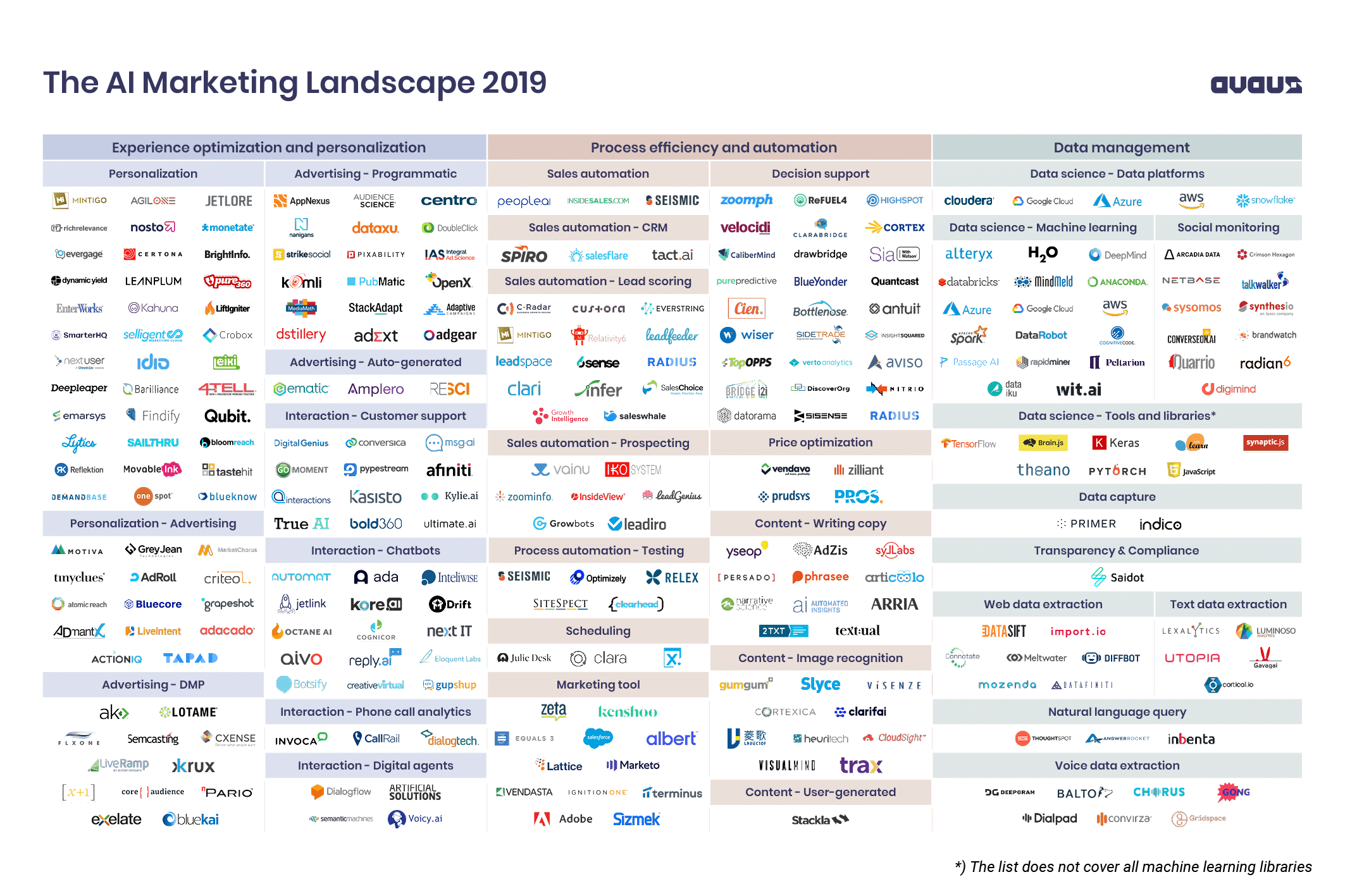
The diverse applications of AI in marketing can be broadly categorized, each addressing specific challenges and opportunities within the marketing funnel. Understanding these categories is crucial for identifying the right tools to integrate into your existing tech stack. These tools are designed to augment human capabilities, not replace them, by handling data-intensive tasks and pattern recognition with superior speed and accuracy.
Currently, the most impactful AI marketing tools fall into several key areas, each offering distinct advantages for businesses aiming to optimize their marketing efforts. Selecting the right combination of these tools can create a synergistic effect, leading to more cohesive and effective campaigns across all channels.
- Content Creation & Optimization: Tools for generating text, images, video scripts, and optimizing existing content for SEO and engagement.
- Customer Personalization & Experience: AI-powered chatbots, recommendation engines, and dynamic content delivery systems.
- Data Analysis & Predictive Analytics: Platforms that process vast datasets to identify trends, segment audiences, and forecast campaign outcomes.
- Advertising & Campaign Optimization: AI for programmatic ad buying, bid management, audience targeting, and A/B testing at scale.
- Marketing Automation & Workflow: Tools that automate repetitive tasks, schedule campaigns, and manage customer journeys.

AI for Content Creation & Optimization
Content remains king, but the speed and scale at which quality content needs to be produced have dramatically increased. AI tools are transforming content creation by assisting marketers in generating high-quality, relevant, and SEO-optimized content at an unprecedented pace. These tools can draft blog posts, social media updates, email copy, and even video scripts, significantly reducing the time and resources traditionally required.
Beyond generation, AI excels at optimizing existing content for maximum impact. This includes analyzing readability, identifying keyword gaps, suggesting improvements for search engine ranking, and personalizing content delivery based on individual user behavior. By leveraging AI for content, marketers can maintain a consistent brand voice, ensure content relevance, and free up creative teams to focus on strategic storytelling and innovative campaigns.

Enhancing Customer Experience with AI
In today’s competitive landscape, customer experience (CX) is a primary differentiator. AI tools are pivotal in delivering hyper-personalized and seamless customer journeys across all touchpoints. From initial inquiry to post-purchase support, AI enhances CX by providing instant responses, relevant recommendations, and proactive problem-solving.
AI-powered chatbots and virtual assistants handle routine customer queries 24/7, freeing human agents to address more complex issues. Recommendation engines analyze past behavior and preferences to suggest products or content, creating a highly personalized experience that fosters loyalty and drives conversions. Predictive analytics further allows businesses to anticipate customer needs and potential issues, enabling proactive engagement and significantly improving satisfaction rates.

Data-Driven Decisions & Predictive Analytics
The sheer volume of marketing data generated daily can be overwhelming. AI tools are indispensable for processing, analyzing, and extracting actionable insights from this data, transforming raw information into strategic intelligence. These platforms can identify subtle patterns, correlations, and trends that human analysts might miss, providing a deeper understanding of market dynamics and customer behavior.
Predictive analytics, powered by AI, allows marketers to forecast future trends, anticipate campaign performance, and identify potential risks or opportunities before they fully materialize. This capability enables more informed decision-making regarding budget allocation, audience targeting, and campaign timing, leading to significantly higher ROI. By moving beyond reactive analysis to proactive prediction, businesses can stay ahead of the curve and optimize their strategies in real-time.
Implementing AI: Best Practices & Strategic Considerations
Successful AI integration requires more than just acquiring tools; it demands a strategic approach. First, prioritize clear objectives: identify specific marketing challenges AI can solve, such as improving lead quality or reducing customer churn. Start with pilot projects to test AI solutions on a smaller scale, measure their impact, and iterate based on performance data. This iterative approach minimizes risk and builds internal confidence in AI capabilities.
Data quality is paramount for effective AI. Ensure your data is clean, accurate, and consistently formatted, as AI models are only as good as the data they’re trained on. Invest in upskilling your marketing team to understand AI principles and how to effectively leverage these tools. Ethical considerations, including data privacy and algorithmic bias, must also be addressed proactively to maintain trust and compliance. A robust AI strategy includes continuous monitoring and adaptation to new technological advancements.
Navigating the Future of AI-Powered Marketing
The trajectory of AI in marketing points towards even greater sophistication and integration. We can anticipate more advanced personalized experiences, hyper-targeted advertising, and increasingly autonomous marketing operations. The future will likely see AI not just assisting, but intelligently orchestrating complex marketing campaigns across multiple channels, adapting in real-time to market shifts and individual consumer behaviors.
For marketing leaders, the imperative is to foster a culture of continuous learning and experimentation. Staying abreast of emerging AI capabilities and understanding their potential impact will be crucial for maintaining a competitive edge. Embracing AI is not merely about adopting new technology; it’s about fundamentally rethinking marketing strategies to leverage intelligent automation and predictive insights for sustained business growth and innovation.


Leave a Comment