

Unlocking Operational Efficiency with AI
For small to mid-sized businesses, operational efficiency isn’t a luxury; it’s a necessity. With limited budgets and lean teams, every minute counts. This playbook cuts through the hype, offering a pragmatic guide to integrating AI into your operations. You’ll learn where to focus your efforts for maximum impact, how to make smart trade-offs, and which AI applications deliver real, tangible benefits today, freeing your team to focus on strategic growth.
The goal isn’t to replace your team, but to augment their capabilities, automate repetitive tasks, and provide data-driven insights that were previously out of reach. We’ll prioritize practical steps that allow you to scale your business without proportionally scaling your headcount or complexity.
Prioritizing AI Adoption: Where to Start
The sheer volume of AI tools can be overwhelming. For SMBs, the starting point should always be high-volume, repetitive, and rule-based tasks. These are the low-hanging fruit where AI can deliver immediate, measurable returns without requiring deep technical expertise or significant investment. Don’t aim for a complete overhaul; target specific pain points.
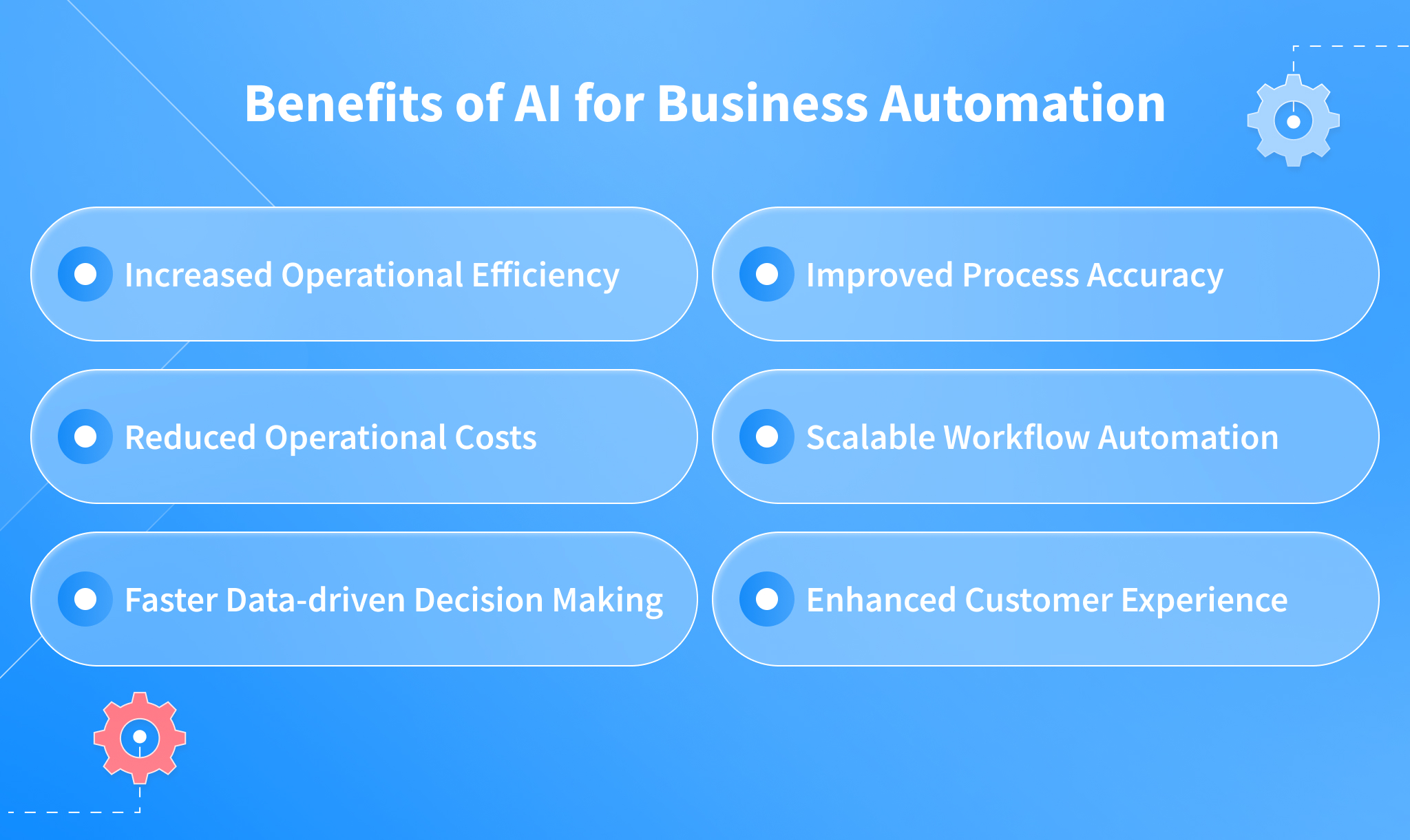
- Customer Support Automation: Implement AI-powered chatbots for frequently asked questions (FAQs) on your website or social media. This reduces the burden on your support team, improves response times, and ensures consistent information delivery.
- Content Draft Generation: Use AI writing assistants to generate first drafts for emails, social media posts, blog outlines, or internal communications. This significantly cuts down on the time spent on initial content creation, allowing your team to focus on refining and strategizing.
- Data Entry & Processing: Automate the extraction of information from documents, forms, or emails. This minimizes manual errors and frees up administrative staff for more valuable tasks.
- Marketing Campaign Optimization: Leverage AI features within your existing marketing platforms to segment audiences, personalize email content, or optimize ad spend. Many platforms, like HubSpot, now embed these capabilities directly. AI marketing automation features
While the initial appeal of these AI applications lies in their promise of immediate efficiency, it’s easy to fall into the trap of viewing them as “set it and forget it” solutions. The reality is that AI-driven outputs, whether customer service responses or content drafts, require continuous human oversight and refinement. Without this ongoing engagement, the quality inevitably degrades. Chatbots can quickly become outdated or unhelpful if not regularly trained on new information or common customer pain points, leading to customer frustration and an increased burden on human agents for complex issues. Similarly, AI-generated content, if not carefully edited and infused with a distinct brand voice, risks becoming generic and indistinguishable, ultimately diluting your message rather than amplifying it.
Another common oversight is the assumption that “freeing up” staff automatically translates into higher-value work. In practice, the transition isn’t always seamless. Teams often struggle with how to effectively redeploy individuals whose roles have been partially automated. This requires proactive planning, skill development, and sometimes a complete redefinition of responsibilities. Without a clear strategy, the initial efficiency gains can be offset by internal friction, underutilized talent, or even morale issues as team members feel displaced rather than empowered.
Finally, the seemingly straightforward automation of data entry and processing carries a hidden cost: data integrity. While AI can process vast amounts of information quickly, it’s not infallible. Small, consistent errors in data extraction, if left unchecked, can compound over time, leading to significant inaccuracies in your foundational business data. The cost of rectifying these errors downstream, or worse, making critical business decisions based on flawed information, can far outweigh the initial savings in manual labor. Robust human validation processes, especially in the early stages of adoption, are non-negotiable.
Core AI Applications for Operational Efficiency
Once you’ve tackled the initial priorities, expand your focus to other areas where AI can drive significant efficiency gains. Remember, the emphasis is on practical application and measurable outcomes.
- Enhanced Customer Relationship Management (CRM): Beyond basic support, AI in CRM can analyze customer interactions to predict churn, identify upsell opportunities, and personalize communication at scale. This allows your sales and marketing teams to be more proactive and effective.
- Predictive Analytics for Inventory/Demand: For product-based businesses, AI can analyze historical sales data, market trends, and even weather patterns to forecast demand more accurately. This optimizes inventory levels, reduces waste, and prevents stockouts.
- Internal Knowledge Management: Deploy AI-powered search and summarization tools for your internal documentation, training materials, and company policies. This helps new hires onboard faster and allows existing employees to find critical information quickly, reducing time wasted searching.
- Automated Reporting & Insights: Connect AI tools to your various data sources (sales, marketing, website analytics) to generate automated reports and highlight key trends or anomalies. This transforms raw data into actionable insights without requiring extensive manual analysis.
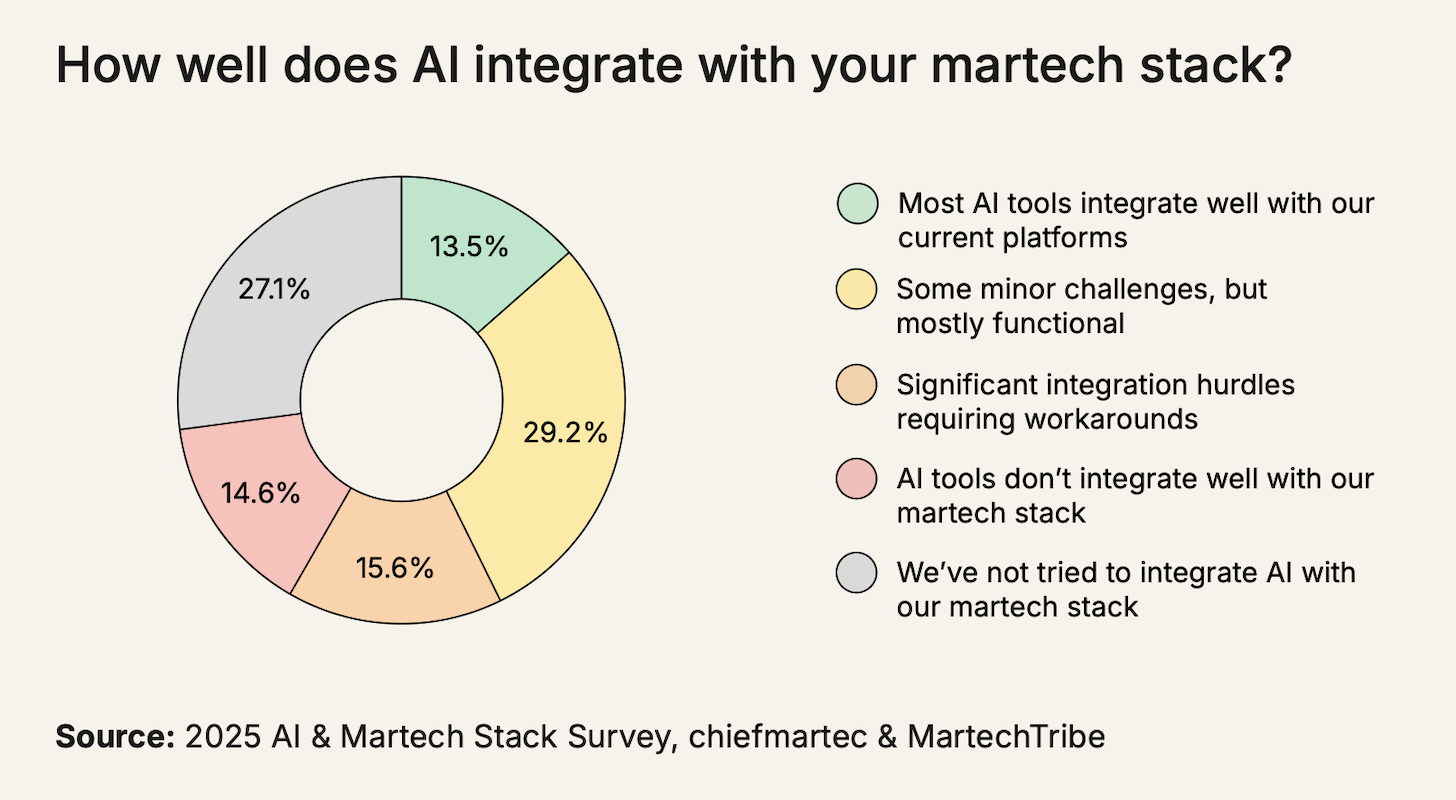
While these applications offer clear advantages, it’s crucial to anticipate the less obvious friction points. For instance, the effectiveness of AI in CRM and predictive analytics hinges entirely on the quality and cleanliness of your underlying data. What looks like a straightforward integration on paper often becomes a prolonged data hygiene project in practice. Teams can quickly become frustrated when AI models, fed imperfect historical data, generate irrelevant upsell suggestions or inaccurate demand forecasts, leading to wasted effort and eroding confidence in the system itself.
Another common pitfall lies in the ongoing maintenance of AI-powered knowledge management and reporting systems. Initial setup is one thing, but ensuring the data sources remain accurate, the knowledge base is continually updated, and the AI models are retrained as business needs evolve is a significant, often underestimated, operational overhead. Without this sustained effort, these systems quickly become sources of misinformation or generate insights that are no longer relevant, forcing teams to revert to manual processes and negating any initial efficiency gains.
Perhaps the most insidious hidden cost is the potential for teams to lose their intuitive grasp of the business. When AI consistently provides answers or predictions, human operators can gradually outsource their critical thinking and judgment. This creates a downstream vulnerability: if the AI system fails, provides flawed data, or encounters a novel situation it wasn’t trained for, the team may lack the foundational understanding and problem-solving skills to navigate the challenge manually. It’s a trade-off between immediate efficiency and long-term organizational resilience that demands careful consideration.
What to Deprioritize (and Why)
In the world of limited resources, knowing what *not* to do is as important as knowing what to do. For small to mid-sized businesses, several AI initiatives should be firmly deprioritized today. Avoid attempting to build custom AI models or algorithms from scratch. This requires specialized data science talent, significant computational resources, and a deep understanding of machine learning principles that are typically beyond an SMB’s capacity and budget. Off-the-shelf, pre-trained AI solutions or features embedded in existing software will provide ninety percent of the value with one-tenth of the effort and cost.
Furthermore, resist the urge to implement AI for highly subjective, nuanced, or creative tasks where human judgment is paramount. While AI can assist in these areas, full automation often leads to generic or off-brand outputs that require extensive human correction, negating any efficiency gains. Focus on augmenting human capabilities, not replacing them entirely in complex domains. Finally, do not attempt a ‘big bang’ AI transformation across your entire organization. Incremental adoption, focusing on specific, high-impact use cases, is far more effective and less risky for lean teams.
Building Your AI Operations Stack
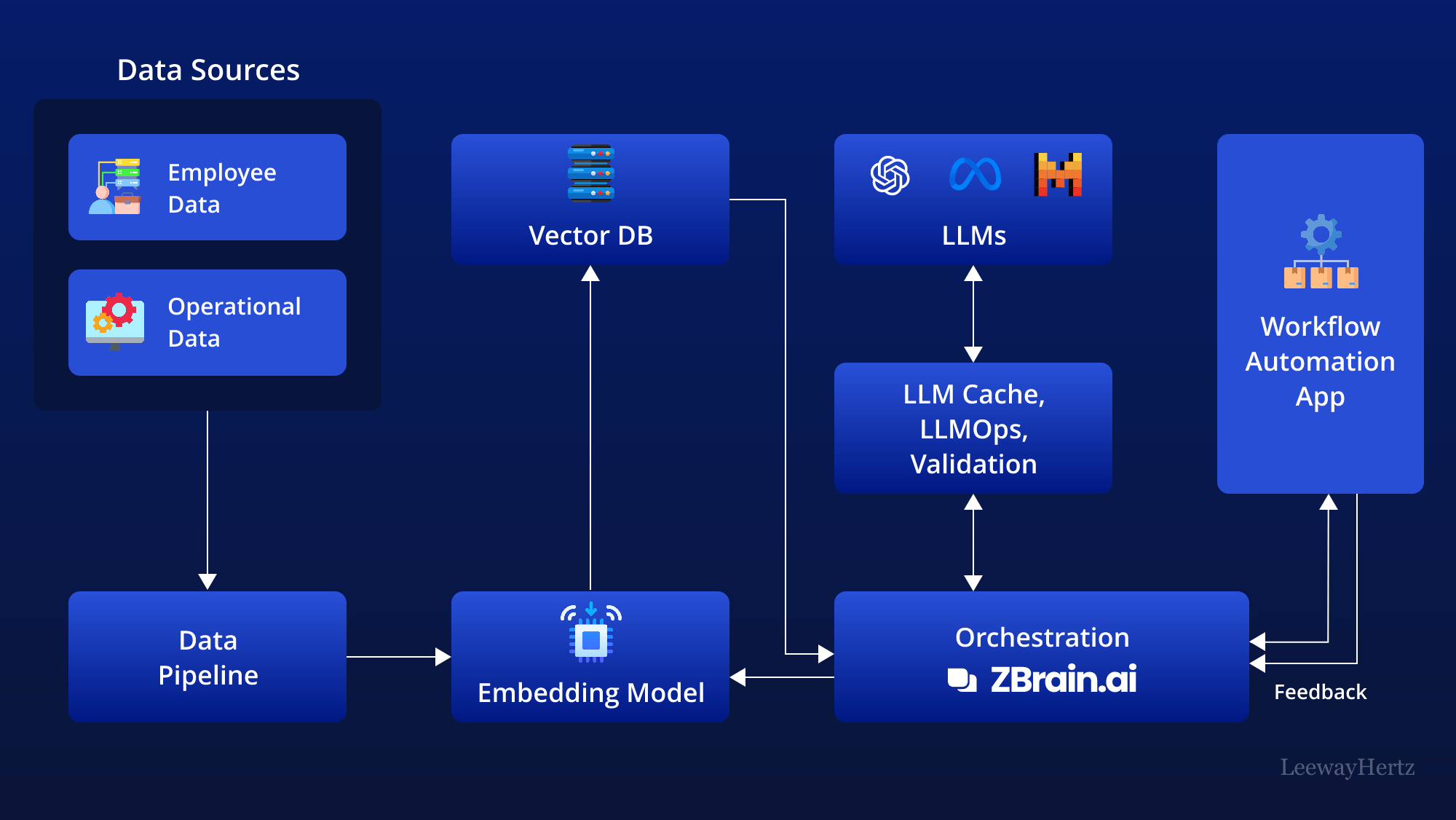
Your AI operations stack doesn’t need to be complex. Start by auditing your existing software. Many popular platforms now include robust AI capabilities you might already be paying for. Look for tools that integrate seamlessly with each other to avoid data silos and manual transfers.
- Leverage Existing Platforms: Maximize the AI features in your CRM (e.g., Salesforce, HubSpot), marketing automation (e.g., Mailchimp, ActiveCampaign), or project management tools (e.g., Asana, ClickUp).
- Specialized AI Tools: Supplement with purpose-built AI tools for specific tasks, such as Jasper or Copy.ai for content generation, or Zapier for AI-powered automation workflows between different apps.
- Data Integration: Prioritize tools that offer robust APIs or native integrations. This ensures your AI can access and act on data across your business functions.
Measuring Impact and Iterating
Implementing AI without measuring its impact is a wasted effort. Define clear Key Performance Indicators (KPIs) before you start. These might include:
- Time Savings: Track the hours saved on tasks now automated by AI.
- Cost Reduction: Monitor reductions in operational costs, such as customer support expenses or inventory holding costs.
- Improved Response Times: Measure how quickly customer queries are resolved.
- Conversion Rate Increases: Assess if AI-driven personalization or optimization leads to better marketing or sales outcomes.
- Employee Satisfaction: Gauge if employees feel more productive and less burdened by repetitive work.
AI implementation is an iterative process. Continuously collect feedback, analyze performance data, and refine your AI strategies. What works today might need adjustments tomorrow as your business evolves or AI technology advances. Don’t be afraid to experiment and pivot based on real-world results.

Leave a Comment