


The Illusion of Agility: When Growth Outpaces Structure
Rapid growth is the dream for any startup. Yet, the very speed that fuels early success can become its undoing if not met with intentional structure. Many founders and early teams mistakenly equate process with bureaucracy, believing it stifles agility. In reality, a lack of process doesn’t maintain agility; it breeds chaos. When a startup scales without foundational processes, certain critical functions don’t just bend—they break, often silently at first, then spectacularly.
Communication: The First Domino to Fall
In the early days, communication is organic. Everyone sits close, overhears conversations, and informal chats resolve issues. As teams grow, this informal network collapses. Silos emerge. Marketing doesn’t know what sales promised, product launches are misaligned with campaign schedules, and customer support lacks crucial context. This isn’t just inefficient; it directly impacts your market presence and customer trust.
- Impact: Inconsistent brand messaging, missed campaign opportunities, duplicated efforts, and internal friction.
- Practitioner’s Take: Prioritize establishing clear, consistent communication channels and rhythms. Daily stand-ups, a shared project management tool, and defined owners for key initiatives are non-negotiable.
Customer Experience: Where the Cracks Become Visible
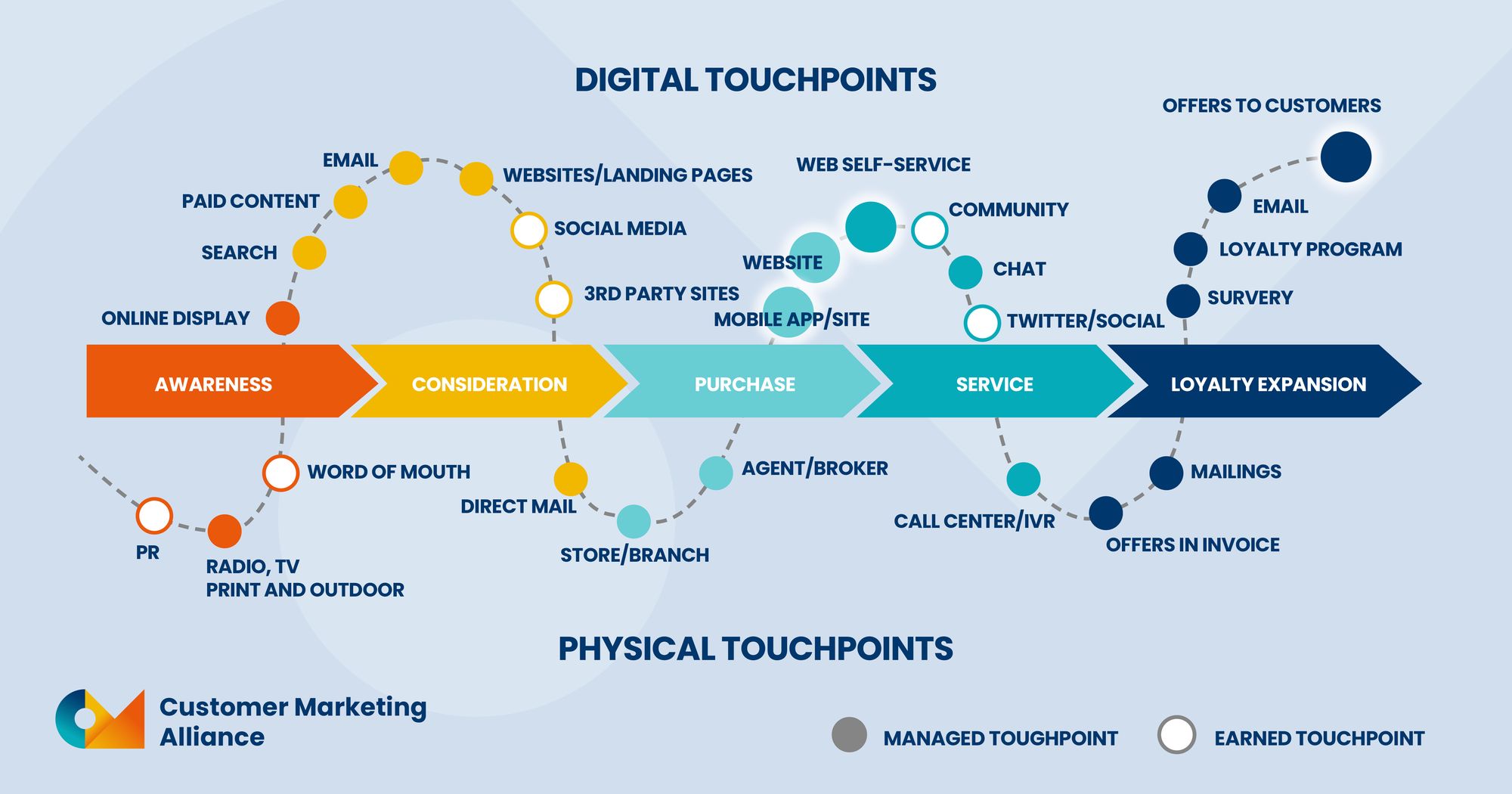
Once internal communication falters, customer experience is often the next casualty. Without standardized procedures for handling inquiries, onboarding new users, or resolving issues, service becomes inconsistent. Customers receive conflicting information, wait times increase, and promises are forgotten. This isn’t just about customer satisfaction; it’s about retention and your brand’s reputation.
- Impact: Increased churn, negative reviews, damaged brand perception, and a higher cost of acquisition as you constantly replace lost customers.
- Practitioner’s Take: Define your core customer journey touchpoints and establish minimum service level expectations. Even a simple shared inbox and a basic CRM can make a significant difference. For more on managing customer relationships effectively, consider resources like HubSpot’s CRM guides.
Data Integrity: Guesswork Replaces Insight
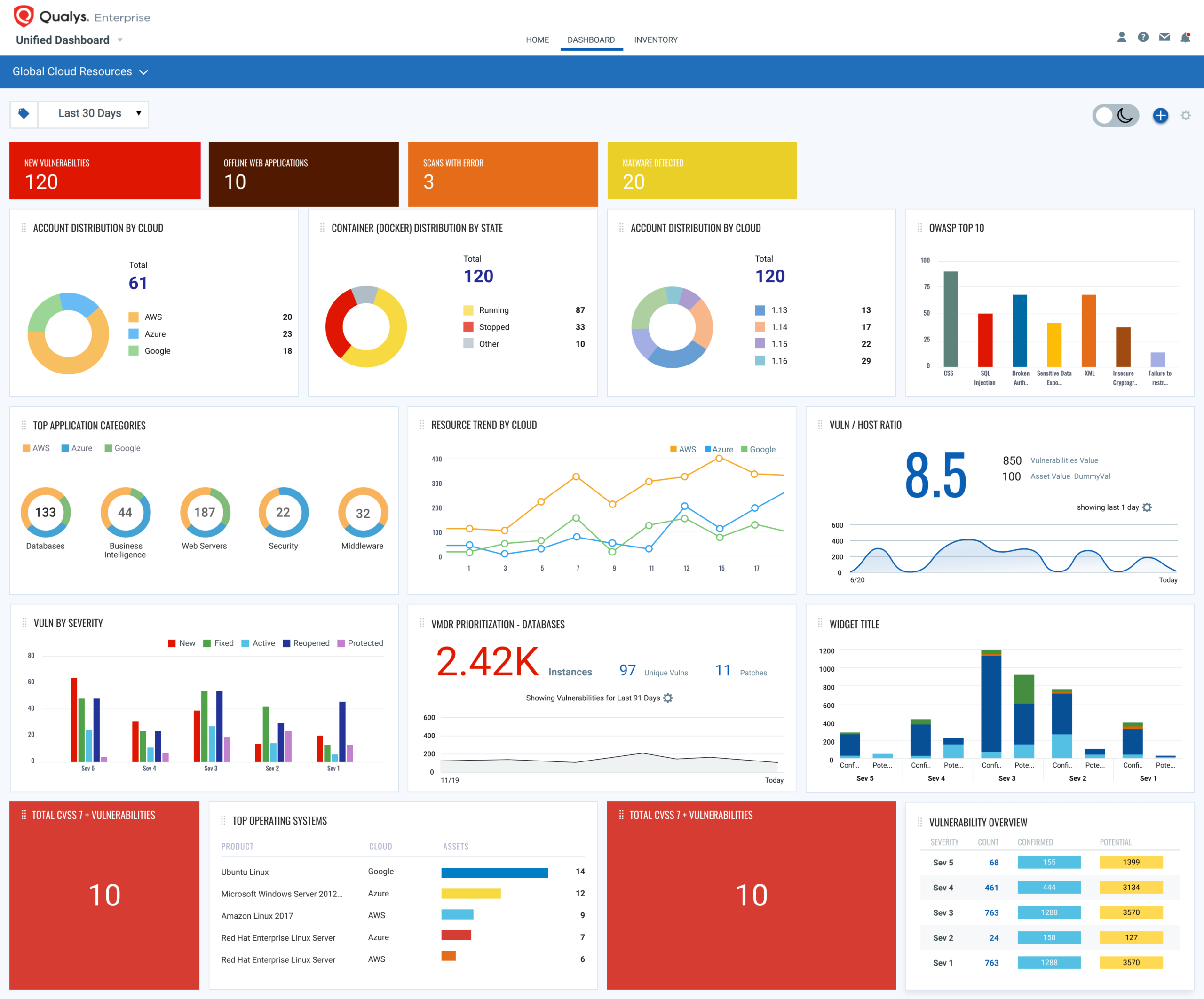
Scaling without process often means data collection becomes an afterthought—or worse, a free-for-all. Different teams track metrics differently, if at all. Spreadsheets proliferate, definitions conflict, and there’s no single source of truth. When you can’t trust your data, every strategic decision becomes a gamble, and optimizing marketing spend or product development is nearly impossible.
- Impact: Flawed strategic decisions, wasted marketing budget, inability to measure ROI accurately, and missed growth opportunities.
- Practitioner’s Take: Standardize your key performance indicators (KPIs) and establish a centralized, accessible data collection and reporting system. Even a well-configured Google Analytics 4 setup, with consistent event tracking, is a massive step forward. For guidance on robust analytics implementation, refer to Google Analytics support documentation.
Team Morale and Burnout: The Human Toll
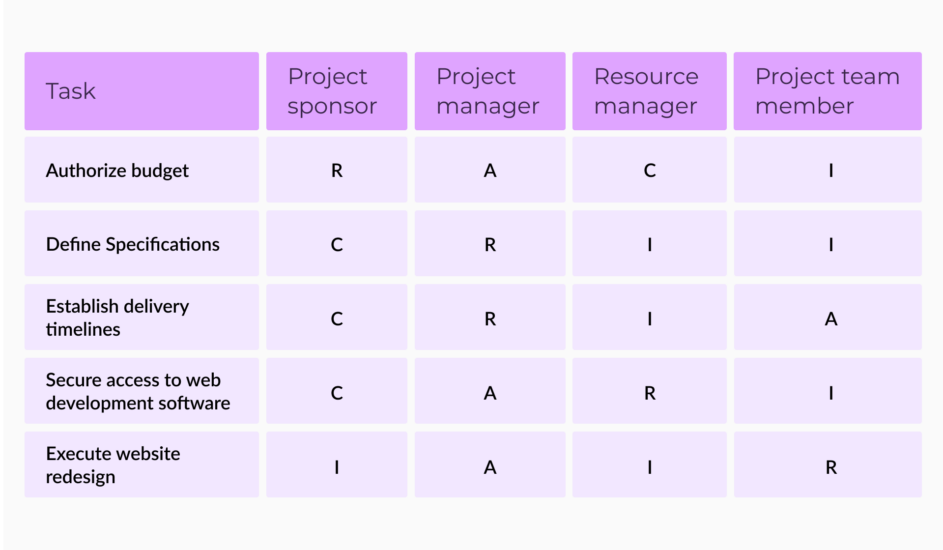
When processes are absent, teams operate in a constant state of firefighting. Roles become ambiguous, responsibilities overlap, and everyone feels overwhelmed. This leads to burnout, frustration, and ultimately, high employee turnover. Losing key talent not only costs money but also drains institutional knowledge and further destabilizes the organization.
- Impact: Decreased productivity, loss of key talent, difficulty in hiring, and a toxic work culture.
- Practitioner’s Take: Clearly define roles and responsibilities, even if they evolve. Implement regular check-ins and feedback loops. Empower teams to identify and propose process improvements rather than dictating them from above.
Prioritize, Delay, Avoid: A Practitioner’s Judgment (1/2026)
In early 2026, the landscape for startups is still about speed, but also about smart, sustainable growth. Here’s my take on navigating process implementation:
- Prioritize: Focus on foundational communication protocols (e.g., a consistent weekly team sync, a shared project management tool like Asana or Trello for task tracking), defining your core customer journey and the critical touchpoints, and establishing a single, reliable source for your top 3-5 business KPIs (e.g., revenue, customer acquisition cost, retention rate). For marketing, this means agreeing on campaign goals and tracking methods *before* launch, not after.
- Delay: Resist the urge to over-engineer every single process from day one. Don’t build a complex enterprise-level CRM if you’re still figuring out your sales funnel. Similarly, hold off on investing heavily in highly specialized AI tools for niche tasks if your foundational data isn’t clean or accessible. The ROI won’t be there.
- Avoid: Chasing every new trend or tool without a clear problem it solves. Avoid the “we’ll fix it later” mentality for critical customer-facing issues or data integrity; these compound rapidly. And critically, avoid ignoring early signs of team stress or communication friction; these are often the first indicators of systemic process breakdown.
Personally, I would deprioritize extensive, formal process documentation for every minor internal operation today. While important eventually, in a rapidly scaling startup, the time spent documenting can often be better spent *doing* and iterating. A lightweight, agile approach to process definition, focusing on the *what* and *who* rather than exhaustive *how-to* manuals, is more effective initially. The goal is clarity and alignment, not bureaucratic overhead. This agile approach works best when the team is small and highly communicative. As teams grow past 20-30 people, more formal documentation becomes increasingly necessary to maintain consistency and onboard new hires efficiently.
Building Sustainable Growth Through Intentional Structure
The goal isn’t to become a bureaucratic behemoth, but to build a resilient, adaptable organization. Processes, when implemented thoughtfully, are not handcuffs; they are guardrails that allow you to accelerate safely. Start with the most critical areas, iterate, and involve your team in the process. Proactive process building is an investment in your startup’s future, ensuring that growth is a blessing, not a curse.


Leave a Comment