

Introduction: Scaling Smart with AI for Small Businesses
For small businesses, the promise of AI for scalability is immense, offering automation, deeper insights, and enhanced customer experiences. However, the prospect of integrating advanced technology often brings concerns about losing control, data security, and the human touch. This article provides a practical roadmap for small businesses to harness AI effectively, ensuring growth without sacrificing oversight or core values.
The key lies not in replacing human intelligence but in augmenting it. By strategically deploying AI, small businesses can automate repetitive tasks, optimize resource allocation, and make data-driven decisions, freeing up valuable human capital for strategic initiatives and personalized customer engagement. The goal is to build an AI-powered ecosystem where human control remains paramount.

Understanding AI’s Role in Small Business Growth
AI serves as a powerful catalyst for small business growth by automating mundane processes and extracting actionable insights from vast datasets. This automation extends to areas like customer support, marketing campaigns, and operational logistics, allowing small teams to achieve output levels typically associated with larger enterprises. It transforms time-consuming tasks into efficient, AI-driven workflows.
Furthermore, AI excels at data analysis, identifying patterns and predicting trends that human analysts might miss. This capability empowers small businesses to make more informed decisions regarding product development, market positioning, and customer retention strategies. By understanding AI’s capabilities as an augmentation tool, businesses can leverage it to expand their reach and efficiency without overextending their human resources.
Key Areas Where AI Drives Scalability
AI offers tangible scalability benefits across several critical business functions. In customer service, AI-powered chatbots can handle routine inquiries 24/7, providing instant responses and freeing human agents to focus on complex issues. This improves customer satisfaction and reduces operational costs.
- Marketing Automation: AI optimizes ad spend, personalizes content delivery, and automates email campaigns based on customer behavior, leading to higher conversion rates.
- Data Analysis & Insights: AI processes large datasets to identify market trends, forecast sales, and segment customers more effectively, informing strategic business decisions.
- Operations & Efficiency: AI streamlines inventory management, optimizes supply chains, and automates scheduling, reducing manual errors and improving overall operational flow.
Strategies for Maintaining Control While Scaling with AI
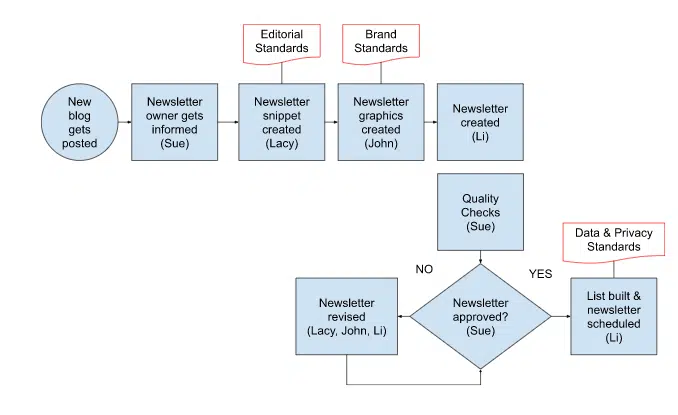
To scale with AI responsibly, small businesses must implement clear strategies for oversight. Defining precise objectives and boundaries for AI tools is crucial. Identify which tasks AI will handle autonomously and which require human review or approval. This establishes a clear chain of command and prevents AI from operating outside its intended scope.
Starting with pilot projects and iterating allows businesses to test AI solutions in controlled environments, monitoring performance and making adjustments before full-scale deployment. Establishing robust data governance policies is also vital, ensuring data privacy, security, and ethical use. Regular audits of AI outputs and system performance are essential to maintain accuracy and alignment with business goals.
Finally, integrating human-in-the-loop systems ensures that critical decisions or sensitive customer interactions always have a human oversight point. This approach combines AI’s efficiency with human judgment, empathy, and ethical reasoning, preventing unintended consequences and maintaining brand integrity. Upskilling your team to manage and collaborate with AI tools is also key to effective control.

Practical Steps to Implement AI Responsibly
Implementing AI doesn’t require a massive overhaul; it can be a gradual, strategic process. Begin by identifying specific pain points or inefficiencies within your business that AI can realistically address. This could be anything from automating social media posting to improving lead qualification. Focus on solutions that offer clear, measurable benefits.
Next, research user-friendly AI tools designed for small businesses. Many platforms offer intuitive interfaces and integration capabilities with existing software. Start with a small, low-risk area, such as automating email responses or generating basic content, and closely monitor its performance. Gather feedback from your team and customers to refine the AI’s application.
Continuously measure the impact of your AI initiatives against key performance indicators (KPIs). Are customer service response times improving? Is marketing ROI increasing? Use these insights to adjust your AI strategies, expand its application to other areas, or refine its parameters. This iterative approach ensures that AI remains a tool for controlled, strategic growth.
The Future of Small Business: AI-Powered, Human-Led Growth
The integration of AI is not about replacing the human element but enhancing it. For small businesses, AI acts as a powerful co-pilot, handling the heavy lifting of data processing and repetitive tasks, thereby amplifying human creativity, strategic thinking, and personalized customer engagement. This synergy allows businesses to scale operations and reach new markets without losing the unique identity and control that define a small enterprise.
Embracing AI thoughtfully, with a clear focus on human oversight and ethical implementation, positions small businesses for sustainable growth in an increasingly competitive landscape. By leveraging AI’s capabilities while maintaining a human-led approach, businesses can achieve unprecedented efficiency, innovation, and customer satisfaction, ensuring a future where technology serves as a true enabler of success.



Leave a Comment