

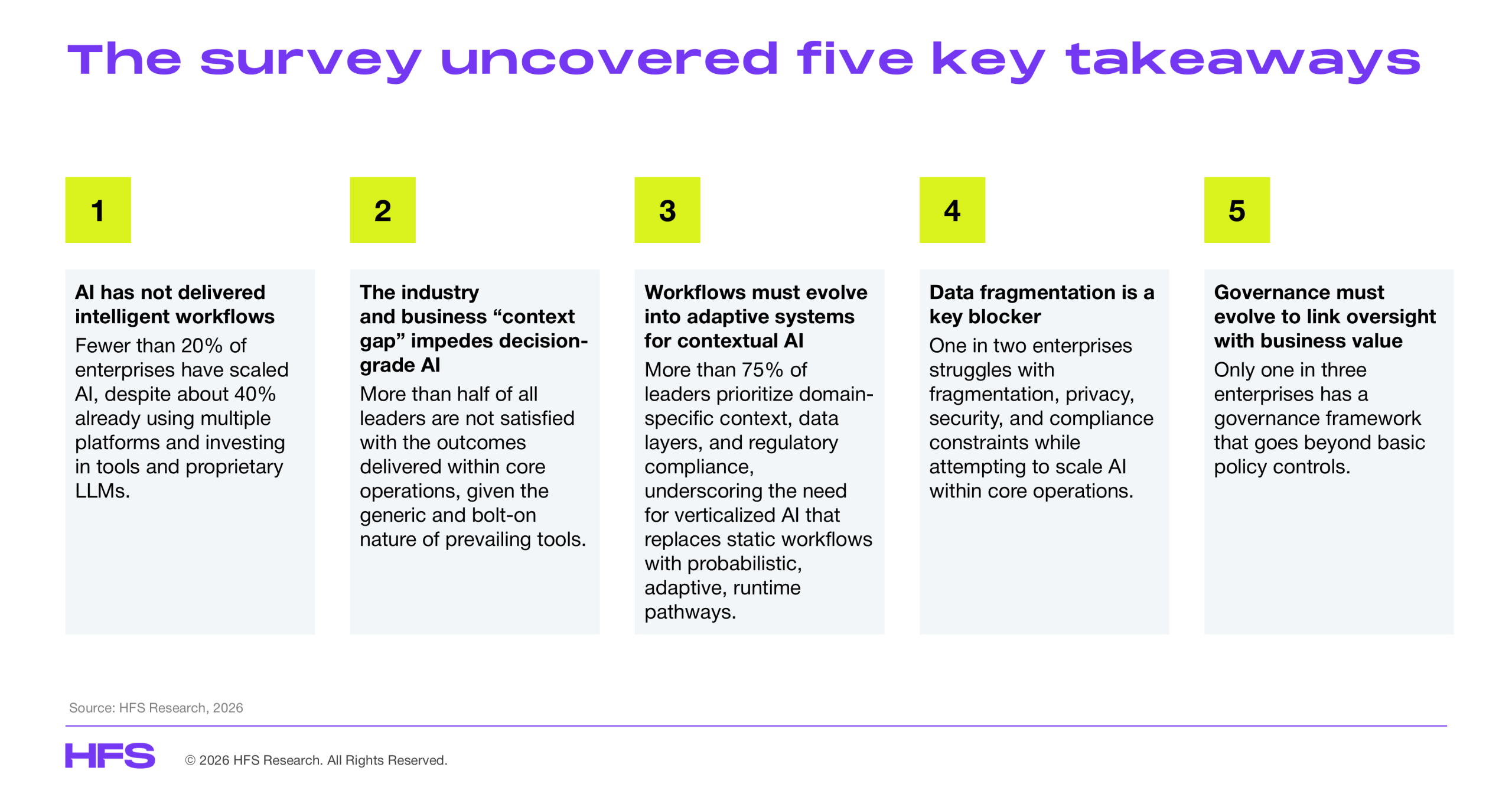
The Core Challenge: Moving Beyond Experimentation
For many small to mid-sized businesses, AI has moved past the ‘what if’ stage and firmly into ‘how do we actually use this?’ The challenge isn’t just understanding AI’s potential, but integrating it into daily operations without overwhelming limited teams or budgets. It’s about making AI a reliable, secure, and scalable part of your digital business, not just a series of isolated experiments.
This means shifting focus from theoretical possibilities to practical implementation. We need to identify specific business problems AI can solve today, then build a structured approach to deploy and manage these solutions effectively, ensuring they contribute to growth and efficiency rather than creating new headaches.
Prioritizing AI Initiatives: Where to Start
Given limited resources, chasing every AI trend is a recipe for burnout and wasted investment. The pragmatic approach for SMBs is to prioritize initiatives that offer high impact with relatively low complexity and immediate returns. Focus on augmenting existing workflows rather than attempting to reinvent entire departments.
- Customer Support Automation: Implementing AI-powered chatbots for common FAQs or using AI to triage support tickets can significantly reduce response times and free up human agents for more complex issues. This is often a quick win.
- Content Generation & Optimization: AI tools can draft marketing copy, social media posts, email subject lines, or even SEO-optimized outlines. This accelerates content creation, allowing marketing teams to focus on strategy and refinement.
- Data Analysis & Reporting: Leverage AI to summarize large datasets, identify trends in sales or customer behavior, and generate actionable insights faster than manual analysis. This supports quicker, more informed decision-making.
What to deprioritize or skip today: Avoid complex, bespoke AI model development or large-scale predictive analytics projects that require significant data science expertise and custom infrastructure. These are resource-intensive, carry higher risk, and often yield diminishing returns for SMBs compared to leveraging off-the-shelf or API-driven AI solutions. Your focus should be on integrating proven AI capabilities into existing tools and workflows, not on becoming an AI development shop.
While the immediate gains from AI-powered chatbots or content generation are appealing, a common pitfall is the subtle erosion of human expertise. When AI handles the routine, human teams can lose the muscle memory for the nuanced, complex cases. Support agents might find their problem-solving skills dulling, or content creators might struggle to generate truly original thought without an AI prompt. This isn’t to say AI isn’t valuable, but it demands a conscious effort to keep human skills sharp and engaged with the more challenging aspects of the work.
Another often-overlooked aspect is the foundational requirement of clean, accessible data. Many SMBs, operating with legacy systems or disparate data sources, find that their “quick win” AI initiatives quickly hit a wall due to poor data quality. AI models, whether for analysis or content, are only as effective as the inputs they receive. Cleaning, structuring, and integrating data can consume significant time and resources, turning a seemingly simple AI deployment into a complex data engineering project. This can lead to significant frustration and delayed ROI, as teams grapple with data inconsistencies that the AI merely amplifies.
Beyond technical hurdles, the human element presents its own set of challenges. Implementing AI isn’t just about plugging in a new tool; it’s about fundamentally altering workflows and team responsibilities. Resistance to change, fear of job displacement, or simply a lack of understanding about how to effectively leverage AI can lead to underutilization or even outright sabotage. Leaders must anticipate this friction and invest in clear communication, training, and a phased rollout to ensure adoption. Without this human-centric approach, even the most promising AI initiative can become a source of team frustration rather than a catalyst for efficiency.
A Phased Framework for Secure AI Integration
A structured, phased approach is crucial for minimizing risk, ensuring security, and maximizing adoption within an SMB environment. This isn’t about rigid adherence, but providing guardrails.
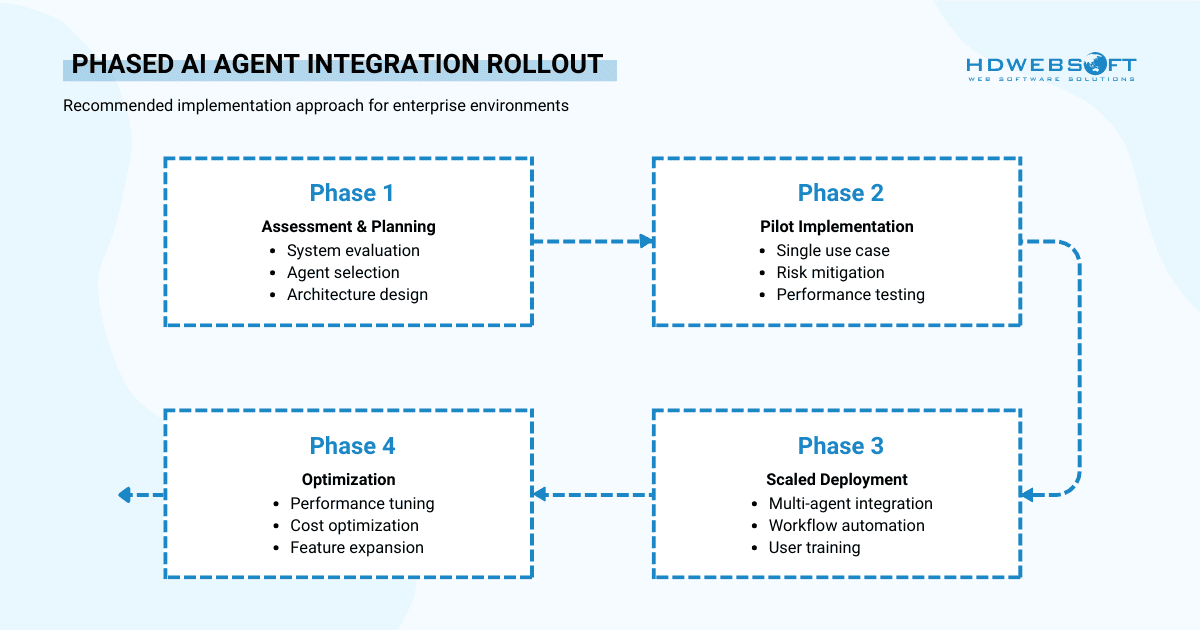
Phase 1: Pilot & Prove (Weeks 1-4)
Start small. Identify one specific, contained problem within a single department. Use an existing, reputable AI tool or API (e.g., a generative AI for internal knowledge base queries, an AI writing assistant for blog post drafts). The goal here is to demonstrate tangible value quickly.
- Define clear, measurable success metrics upfront. For example, aim to


Leave a Comment