

In the rapidly evolving business landscape of late 2025, the ability to make informed, agile decisions is paramount. Gone are the days when intuition alone could steer a company to sustained success. Today, businesses are increasingly relying on the powerful synergy of data analytics and artificial intelligence (AI) to gain unprecedented insights, predict market shifts, and optimize every facet of their operations. This shift isn’t just about adopting new technology; it’s about fundamentally rethinking how strategies are formulated and executed.
The integration of data and AI provides a robust framework for understanding complex patterns, identifying opportunities, and mitigating risks with a level of precision previously unattainable. From enhancing customer experiences to streamlining supply chains and personalizing marketing campaigns, these technologies are empowering leaders to move beyond reactive measures and embrace proactive, data-driven strategies. For MarketingPlux readers, understanding this transformation is key to staying competitive and driving sustainable growth.
The Foundation: Robust Data Collection & Integration
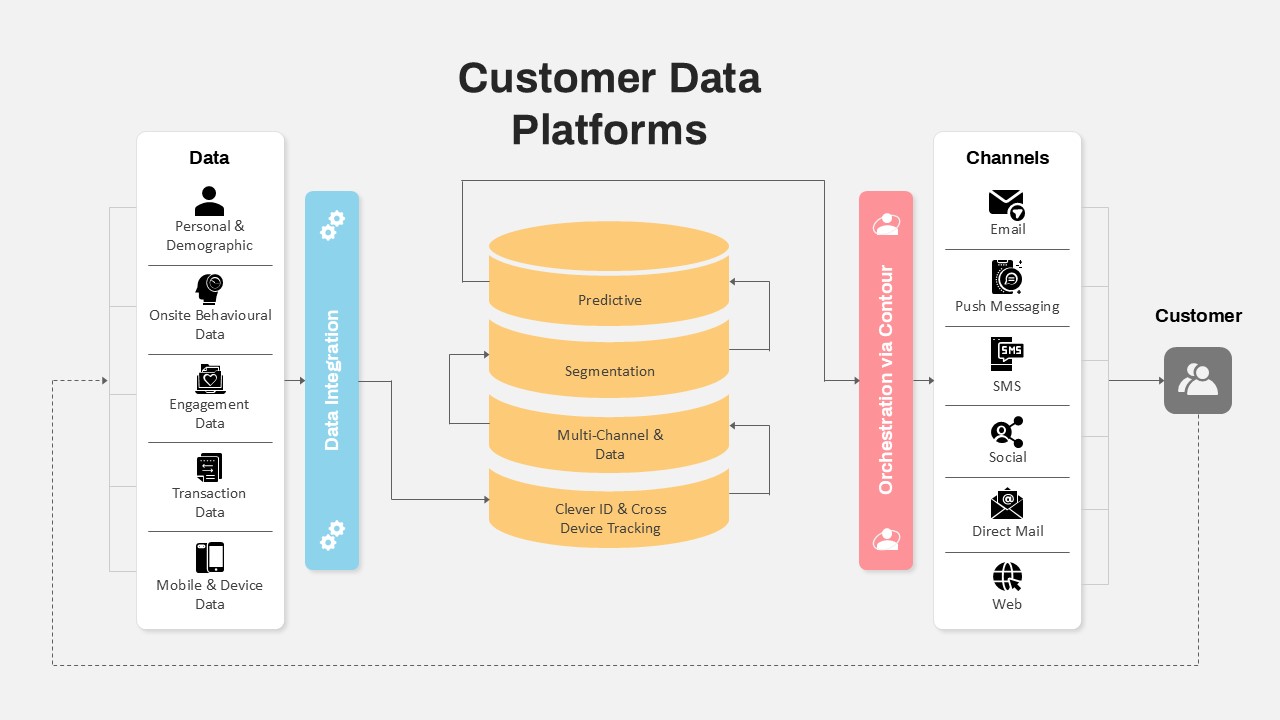
The journey to smarter business decisions begins with comprehensive and accurate data. Modern enterprises collect vast amounts of information from diverse sources, including customer interactions, sales transactions, website analytics, social media, IoT devices, and operational systems. The challenge, however, lies not just in collection but in effectively integrating these disparate datasets into a unified, accessible format. Data lakes and data warehouses, often cloud-based, serve as central repositories, enabling a holistic view of business operations and customer behavior.
Effective data governance is critical at this stage, ensuring data quality, security, and compliance with regulations like GDPR and CCPA. Clean, well-structured data is the lifeblood of any successful AI initiative. Without it, even the most sophisticated AI models will produce unreliable or misleading insights. Businesses are currently investing heavily in data integration platforms and ETL (Extract, Transform, Load) processes to create a single source of truth, making data readily available for analysis and AI model training.
AI’s Role in Advanced Data Analysis & Prediction
Once data is collected and integrated, AI steps in to unlock its true potential. Machine learning algorithms can process massive datasets far beyond human capacity, identifying subtle correlations, anomalies, and trends that would otherwise remain hidden. Predictive analytics, powered by AI, allows businesses to forecast future outcomes, such as sales trends, customer churn rates, and potential equipment failures, with remarkable accuracy. This foresight enables proactive decision-making, from inventory management to targeted marketing campaigns.
Beyond prediction, AI facilitates prescriptive analytics, recommending specific actions to achieve desired outcomes. For instance, an AI system might suggest optimal pricing strategies based on real-time market demand and competitor analysis, or recommend personalized product bundles to individual customers. Natural Language Processing (NLP) and computer vision, other branches of AI, are also transforming how unstructured data, like customer reviews or image content, is analyzed to derive actionable insights, enriching the overall data intelligence.

Real-World Applications Across Business Functions
The impact of data and AI is pervasive, touching almost every business function. In marketing, AI-driven personalization engines deliver tailored content and offers, significantly improving conversion rates and customer loyalty. SEO strategies are enhanced by AI tools that analyze search trends, competitor content, and user intent to optimize website performance. Sales teams leverage AI for lead scoring, identifying high-potential prospects and optimizing sales funnels. Customer service benefits from AI-powered chatbots and virtual assistants that provide instant support, freeing human agents for more complex issues.
Operationally, AI is revolutionizing supply chain management through demand forecasting, route optimization, and predictive maintenance, reducing costs and improving efficiency. In finance, AI assists with fraud detection, risk assessment, and algorithmic trading. Human Resources departments use AI for talent acquisition, identifying best-fit candidates, and analyzing employee sentiment. Across the board, these applications translate into tangible business benefits: increased revenue, reduced operational costs, enhanced customer satisfaction, and a stronger competitive edge.

Overcoming Challenges in Data & AI Adoption
While the benefits are clear, adopting data and AI strategies is not without its challenges. One significant hurdle is the scarcity of skilled data scientists and AI engineers. Businesses are addressing this by investing in training existing staff, partnering with specialized firms, and leveraging no-code/low-code AI platforms that democratize access to these technologies. Another challenge is ensuring data privacy and ethical AI use. Robust governance frameworks are essential to prevent bias in algorithms and protect sensitive information, building trust with customers and stakeholders.
Integrating new AI systems with legacy IT infrastructure can also be complex and costly. A phased implementation approach, focusing on high-impact areas first, often proves more effective. Furthermore, fostering a data-driven culture within an organization requires leadership buy-in and continuous education. Employees at all levels need to understand the value of data and how AI tools can augment their work, rather than replace it, ensuring smooth adoption and maximizing ROI.
Future-Proofing Your Business with Data-Driven Strategies
As we look towards 2026 and beyond, the convergence of data and AI will only deepen, becoming an indispensable component of strategic business planning. Companies that proactively embrace these technologies will be better positioned to adapt to market volatility, innovate rapidly, and maintain a significant competitive advantage. The focus will shift further towards explainable AI (XAI), making AI decisions more transparent and understandable, which is crucial for regulated industries and building user trust.
Investing in robust data infrastructure, cultivating AI literacy across the organization, and continuously exploring new AI applications are no longer optional but essential for long-term success. Businesses must view data and AI not merely as tools, but as strategic assets that drive continuous improvement and unlock new growth opportunities. By embedding data-driven decision-making into their core DNA, companies can navigate the complexities of the modern economy with confidence and precision.


Leave a Comment