


Navigating the AI Landscape in SEO: Opportunities and Challenges
The integration of Artificial Intelligence (AI) into SEO strategies has rapidly transformed how businesses approach digital visibility. From automating mundane tasks to uncovering complex data patterns, AI promises to revolutionize efficiency and effectiveness. However, the landscape is also rife with hype, making it challenging for marketers to discern genuine value from fleeting trends.
This article cuts through the noise, offering a practical, data-driven perspective on AI tools for SEO. We will explore the specific areas where AI truly excels, providing actionable insights into how these tools can enhance your campaigns, optimize your content, and ultimately drive revenue. Our focus is on tangible benefits and real-world applications, steering clear of vague promises.
Conversely, we will also critically examine the limitations of AI in SEO. Understanding where AI falls short, or where human oversight and strategic thinking remain indispensable, is crucial for building a robust and future-proof SEO strategy. By distinguishing between what works and what doesn’t, businesses can make informed decisions, invest wisely, and leverage AI as a powerful augmentation rather than a complete replacement for human ingenuity.
AI’s Strengths in SEO: Automating & Enhancing Key Processes
AI tools demonstrate significant prowess in areas requiring extensive data processing, pattern recognition, and automation. One of the most impactful applications is in keyword research and topic clustering. AI algorithms can analyze vast datasets of search queries, competitor rankings, and user intent to identify high-potential keywords, long-tail variations, and semantic relationships that might be missed by manual analysis. This capability allows marketers to build comprehensive content strategies around relevant topics, ensuring better coverage and targeting.
Content optimization and generation assistance represent another strong suit for AI. While AI cannot fully replicate nuanced human creativity, it excels at analyzing existing content for SEO gaps, suggesting improvements for readability, keyword density, and internal linking. Furthermore, AI can generate initial drafts, outlines, or variations of content based on specific prompts and data, significantly speeding up the content creation process. This frees up human writers to focus on refining, adding unique insights, and ensuring brand voice and E-E-A-T (Experience, Expertise, Authoritativeness, Trustworthiness).
Technical SEO audits and anomaly detection also benefit immensely from AI. AI-powered crawlers can quickly identify issues such as broken links, crawl errors, duplicate content, slow page load times, and schema markup errors across large websites. Beyond simple identification, some tools use machine learning to prioritize these issues based on their potential impact on rankings and user experience. This proactive approach helps maintain website health and ensures search engine bots can effectively index and understand site content.
Finally, AI excels in data analysis and reporting. By processing vast amounts of data from Google Analytics, Search Console, and other platforms, AI tools can identify trends, predict performance, and highlight areas of opportunity or concern. They can automate the creation of detailed reports, offering insights into user behavior, campaign effectiveness, and competitive landscapes, allowing marketers to make data-driven decisions more rapidly and accurately. This analytical power transforms raw data into actionable intelligence. 
Understanding AI’s Limitations: Where Human Expertise Remains Indispensable
Despite its impressive capabilities, AI has distinct limitations in the realm of SEO, particularly when it comes to strategic thinking, nuanced content creation, and understanding complex human intent. AI models, by their nature, are pattern-matching machines; they lack genuine understanding, empathy, or the ability to infer complex, evolving strategic shifts in the market or search algorithms. While they can process data, they cannot formulate a truly innovative, long-term SEO strategy that aligns with broader business objectives without human direction.
Nuanced content creation and the development of a unique brand voice are areas where AI consistently falls short. While AI can generate grammatically correct and keyword-rich text, it struggles with injecting genuine personality, emotional resonance, or deep, original insights that captivate human audiences. E-E-A-T, a critical factor for Google’s ranking algorithms, is inherently human-centric. AI cannot possess real-world experience or establish genuine authority and trust in the way a human expert can. Content that truly stands out and builds lasting audience relationships almost always requires a significant human touch.
Complex problem-solving and interpreting the subtle shifts in search engine algorithms also remain firmly in the human domain. AI can identify anomalies or suggest solutions based on past data, but it cannot independently diagnose the root cause of a sudden ranking drop duet to a new, unannounced algorithm update, nor can it devise a creative, multi-faceted recovery strategy. These situations demand critical thinking, hypothesis testing, and a deep understanding of search engine philosophy that current AI models simply do not possess. Human SEO specialists are essential for navigating these ambiguous and high-stakes scenarios.
Furthermore, ethical considerations and potential biases are significant limitations. AI models are trained on existing data, which can inadvertently perpetuate or amplify biases present in that data. This can lead to skewed recommendations, unfair content generation, or a lack of diversity in keyword targeting. Human oversight is critical to identify and mitigate these biases, ensuring that SEO strategies are fair, inclusive, and align with ethical marketing practices. Relying solely on AI without human review can lead to unintended negative consequences for brand reputation and user perception. 
Implementing AI Effectively: A Practical Framework for SEO Teams
To truly harness the power of AI in SEO, businesses must adopt a strategic, human-centric implementation framework. The core principle is augmentation, not replacement. AI tools should be viewed as powerful assistants that enhance human capabilities, automate repetitive tasks, and provide deeper insights, allowing SEO professionals to focus on higher-level strategy, creativity, and critical decision-making. This synergistic approach maximizes both efficiency and effectiveness.
A practical framework begins with clearly defining objectives. Before integrating any AI tool, identify the specific SEO challenges you aim to solve or the processes you want to optimize. Are you looking to accelerate keyword research, streamline content audits, improve technical SEO monitoring, or gain deeper competitive insights? Matching AI capabilities to specific, measurable goals ensures that your investment yields tangible returns and prevents the adoption of tools for the sake of novelty.
Next, integrate AI tools into your existing workflow iteratively. Start with smaller, manageable projects to test the tool’s efficacy and understand its nuances. For instance, use an AI tool to generate content outlines for a specific blog category, then have human writers refine and expand upon them. Or, use AI for an initial technical audit, followed by a human expert’s deeper dive into critical issues. This iterative approach allows for continuous learning, adjustment, and optimization of the human-AI collaboration, ensuring a smooth transition and maximum benefit.
Finally, continuous training and oversight are paramount. SEO is an ever-evolving field, and AI models need to be regularly updated and fine-tuned with new data and human feedback to remain effective. SEO teams must be trained not just on how to use the tools, but also on how to interpret AI-generated insights critically, identify potential errors or biases, and apply their strategic judgment. Establishing clear review processes ensures that AI outputs are always aligned with brand guidelines, ethical standards, and overarching SEO objectives. 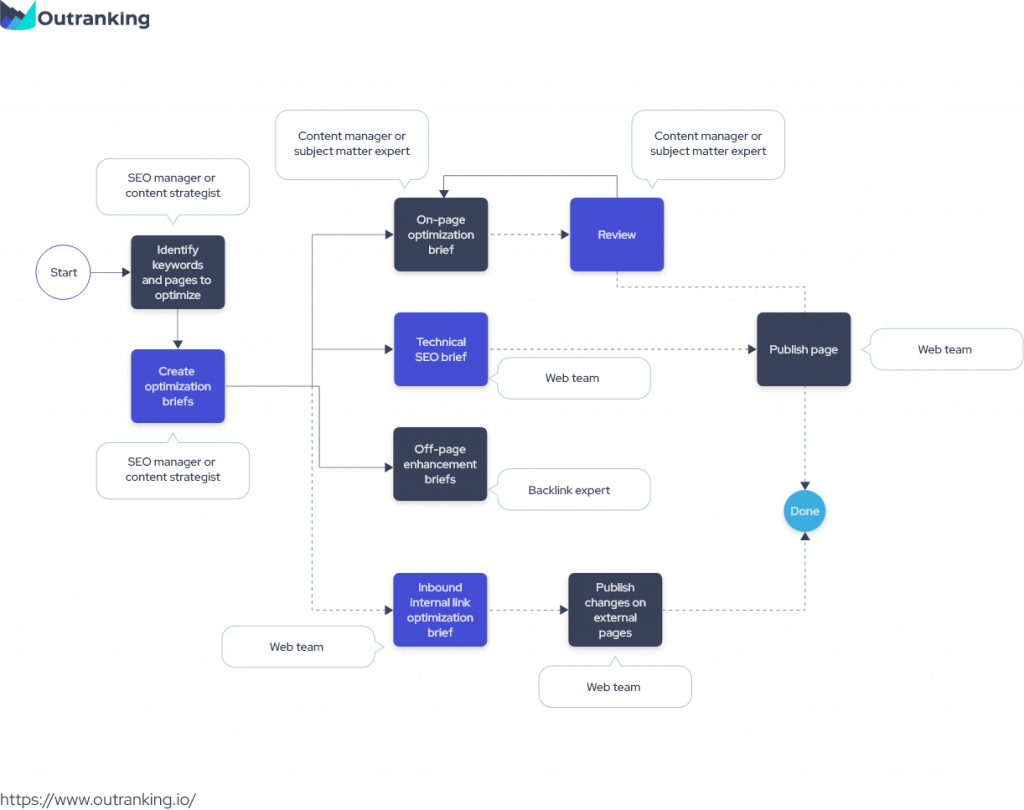
Choosing AI Tools: Criteria for a Smart SEO Investment
Selecting the right AI tools for your SEO stack requires careful consideration beyond just feature lists. A smart investment focuses on tools that genuinely address your specific needs, integrate seamlessly with your existing ecosystem, and offer long-term value. Avoid the temptation to adopt every new AI solution; instead, prioritize those that solve real problems and enhance your team’s productivity and strategic capabilities.
First, assess the tool’s core functionality and its relevance to your SEO goals. Does it excel in keyword research, content optimization, technical auditing, or data analysis? Look for tools that offer depth and accuracy in their specialized area, rather than generic, shallow features across many domains. Prioritize tools that provide actionable insights rather than just raw data, helping your team move from analysis to execution more efficiently. A clear understanding of the tool’s underlying AI model and its data sources can also provide confidence in its recommendations.
Integration capabilities are another critical factor. An effective AI tool should not operate in a silo. Consider how well it integrates with your existing SEO platforms, content management systems (CMS), analytics tools, and project management software. Seamless integration reduces manual data transfer, minimizes errors, and creates a more cohesive and efficient workflow. Tools that offer robust APIs or direct connectors can significantly enhance your team’s ability to leverage AI insights across different stages of the SEO process.
Lastly, evaluate the tool’s scalability, support, and reputation. As your business grows and your SEO needs evolve, your AI tools should be able to scale with you. Look for providers with a strong track record, reliable customer support, and a clear roadmap for future development. User reviews, case studies (if available from reputable sources), and trial periods can offer valuable insights into the tool’s real-world performance and the provider’s commitment to user success. A well-supported tool ensures that you can maximize its potential and adapt to new challenges effectively. 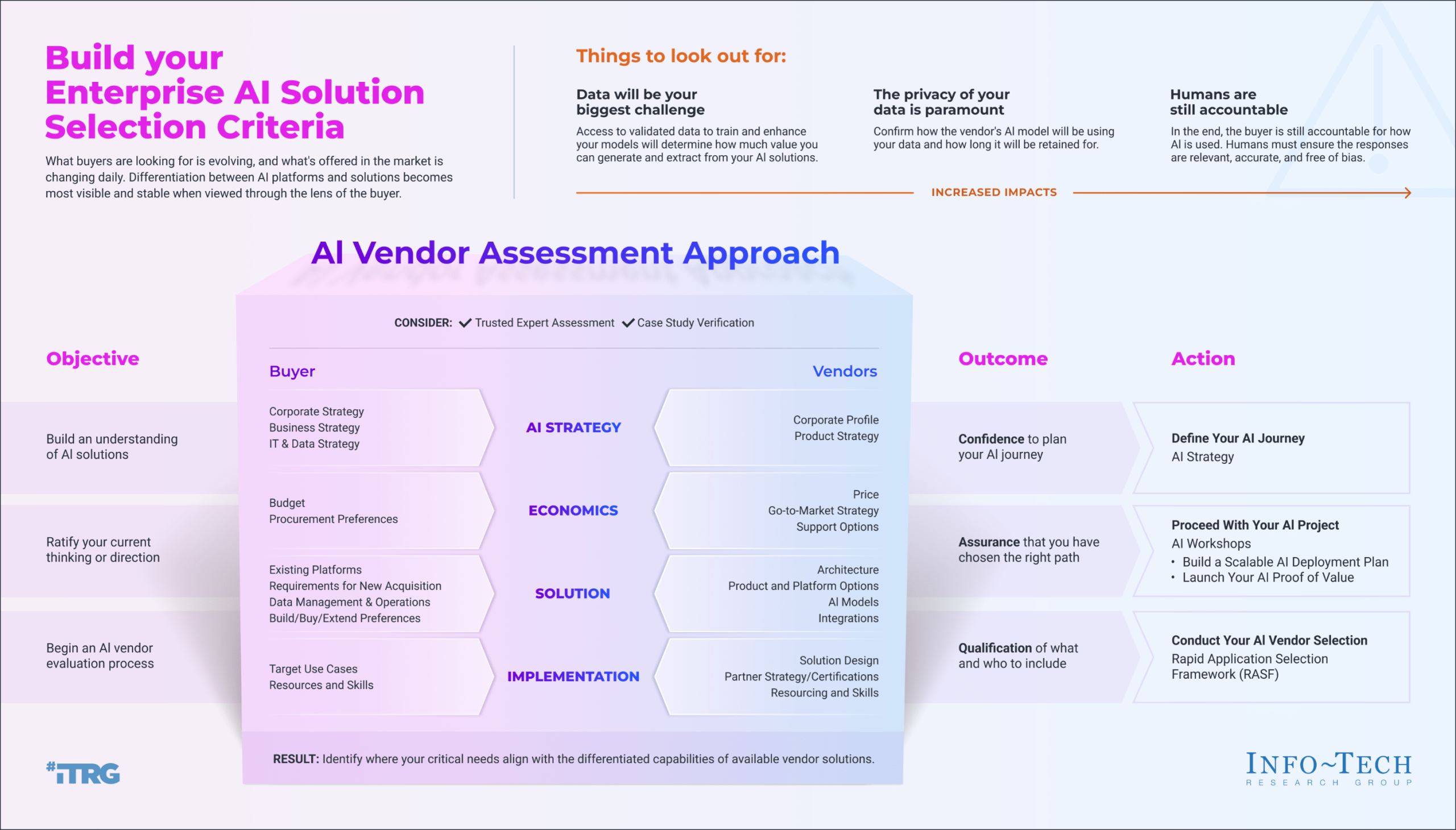
Building a Future-Proof SEO Strategy with AI Integration
The future of SEO is undeniably intertwined with AI, but not in a way that diminishes the role of human expertise. Instead, the most successful strategies will be those that master the art of human-AI collaboration, creating a symbiotic relationship where each augments the other’s strengths. Businesses that embrace this integrated approach will be better positioned to adapt to algorithm changes, uncover new opportunities, and maintain a competitive edge in an increasingly complex digital landscape.
To build a future-proof SEO strategy, focus on developing your team’s AI literacy. Empower your SEO professionals to understand how AI works, its capabilities, and its limitations. Encourage experimentation with new tools and foster a culture of continuous learning. The ability to effectively prompt AI, interpret its outputs critically, and integrate its insights into a broader strategic vision will be a defining skill for marketers in the coming years.
Furthermore, prioritize the ethical and responsible use of AI. As AI becomes more sophisticated, the potential for bias, misinformation, or unintended consequences also grows. Establish clear guidelines for AI usage, ensuring that all AI-generated content and recommendations are reviewed for accuracy, fairness, and alignment with your brand’s values and Google’s E-E-A-T principles. This commitment to responsible AI will not only protect your brand but also build greater trust with your audience and search engines.
Ultimately, the goal is to leverage AI to elevate your SEO efforts from reactive tactics to proactive, data-driven strategies. By automating the mundane, accelerating analysis, and enhancing content creation, AI frees up human talent to focus on innovation, strategic thinking, and building authentic connections with users. This synergistic model, where human creativity and AI efficiency converge, is the pathway to sustainable growth and long-term success in the dynamic world of SEO. 



Leave a Comment