


The Strategic Imperative: AI Beyond Basic Content Generation
In early 2026, the conversation around AI in content creation has shifted dramatically. We’re past the initial hype of simply generating text; the focus is now firmly on strategic integration. For MarketingPlux readers, this means understanding how AI can be woven into your entire content lifecycle, not just as a writing assistant, but as a powerful tool for insights, efficiency, and competitive advantage. The goal isn’t just more content, but smarter, more impactful content that drives business growth.
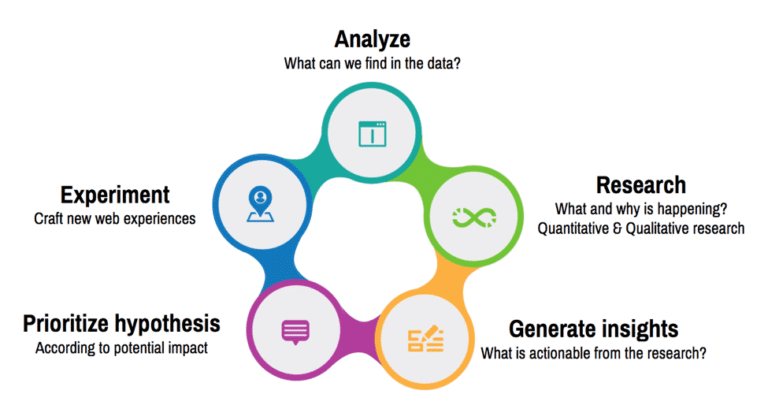
AI for Deeper Audience Insights and Ideation
Effective content starts with understanding your audience. AI tools, when strategically applied, can revolutionize this process. Instead of relying solely on manual research or intuition, AI can analyze vast datasets to uncover trends, sentiment, and content gaps that human analysts might miss. This includes:
- Market Trend Analysis: Identifying emerging topics, keywords, and competitor strategies in real-time.
- Audience Sentiment Mapping: Understanding the emotional tone and specific pain points expressed across social media, forums, and reviews.
- Content Gap Identification: Pinpointing topics your audience is searching for but your current content (or your competitors’) isn’t adequately addressing.
- Personalization at Scale: Suggesting content variations or topics tailored to specific audience segments based on their past interactions and preferences.
This data-driven approach ensures your content strategy is grounded in what your audience truly needs and wants, making your efforts far more effective from the outset.

Streamlining Content Production Workflows with AI
Once you have your insights, AI can significantly accelerate content production. This isn’t about fully automating writing, but augmenting your team’s capabilities across various stages:
- Outline & Structure Generation: AI can quickly create detailed outlines, ensuring comprehensive coverage of a topic and logical flow.
- First Draft Acceleration: For certain content types (e.g., product descriptions, basic news summaries, initial blog post drafts), AI can produce a solid first draft, saving significant time for human editors to refine and add unique value.
- SEO Optimization: AI tools provide real-time suggestions for keyword integration, meta descriptions, and title tags, ensuring content is optimized for search visibility from creation.
- Readability & Tone Adjustment: AI can analyze content for readability scores, suggest simpler phrasing, and even adjust the tone to match your brand voice or target audience.
- Content Repurposing: Transform long-form articles into social media posts, email snippets, or video scripts with AI, maximizing the reach and longevity of your core content.
The key here is using AI to handle the more repetitive or data-intensive aspects of content creation, freeing up human talent for higher-level strategic thinking and creative refinement.
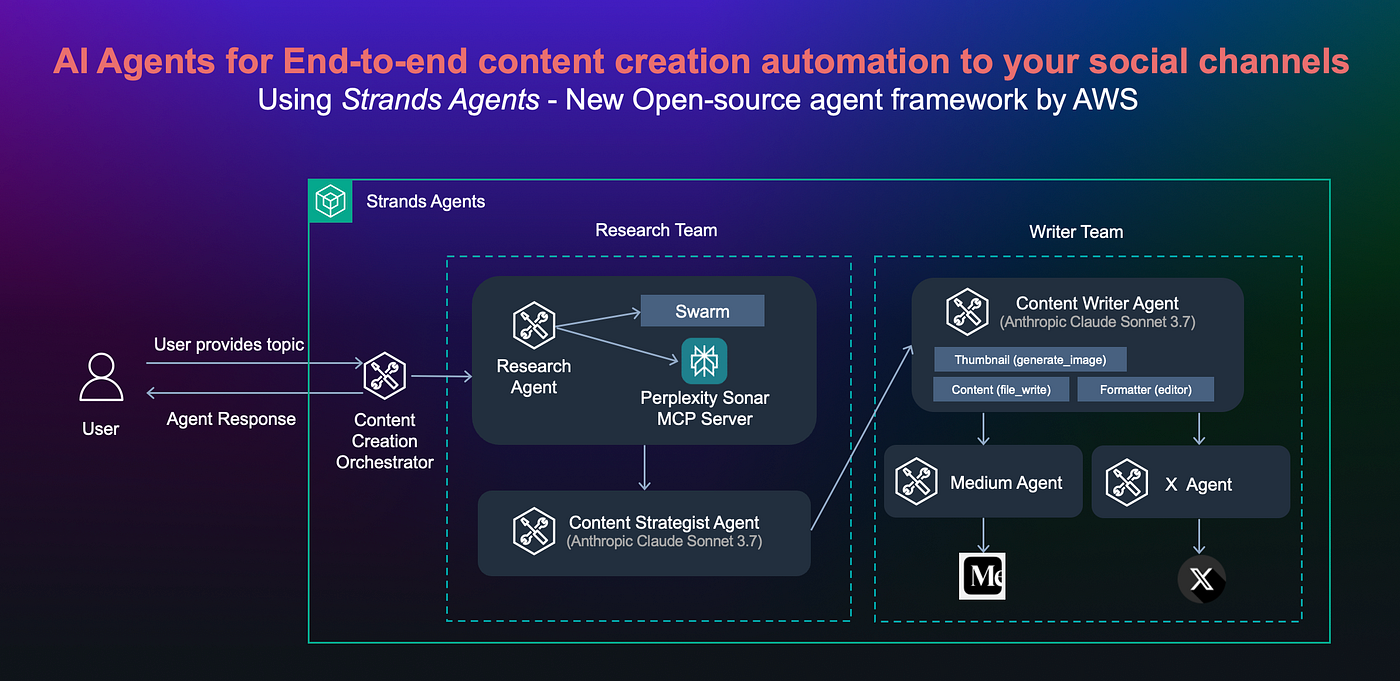
AI for Performance Optimization and Distribution
Creating great content is only half the battle; ensuring it reaches the right audience and performs well is equally critical. AI plays a growing role in optimizing content post-production:
- Predictive Performance Analytics: AI can analyze historical data to predict which content formats, topics, or headlines are likely to perform best with specific audience segments.
- A/B Testing & Variation Generation: Automatically generate multiple headlines, CTAs, or introductory paragraphs for A/B testing, and identify the most effective versions.
- Automated Distribution Suggestions: AI can recommend optimal times and channels for content distribution based on audience activity and past performance data.
- Content Personalization for Delivery: Dynamically adjust content elements (e.g., hero images, specific product recommendations) based on individual user profiles during distribution.
This allows for a more agile and data-informed approach to content promotion, ensuring your efforts yield maximum ROI.
The Critical Human Element: Where AI Hits Its Limits
Despite AI’s advancements, a common pitfall is over-reliance, leading to generic or even inaccurate content. In many teams, the initial excitement around AI-generated content often gives way to the realization that unedited AI output lacks the nuance, originality, and authentic voice essential for true brand differentiation. Blindly following


Leave a Comment