


Unlocking Competitive Edge with AI for SMBs
For small to mid-sized businesses operating with tight budgets and lean teams, competitive analysis often feels like a luxury. However, ignoring what your rivals are doing is a direct path to missed opportunities. This article cuts through the noise, showing you how to leverage AI tools to efficiently uncover market opportunities, understand competitor strategies, and prioritize your marketing efforts. You’ll gain actionable insights to make smarter decisions, optimize your campaigns, and ultimately grow your business without needing a dedicated market research department.
We’ll focus on practical applications that deliver real value, highlighting what to prioritize, what to delay, and what to outright avoid, ensuring your limited resources are always directed towards the most impactful activities.
What AI Brings to Competitive Analysis for SMBs
Historically, competitive analysis was a labor-intensive process, requiring significant manual data collection and interpretation. AI changes this equation by offering capabilities that are particularly valuable for resource-constrained teams:
Accelerated Data Collection: AI-powered tools can rapidly scan vast amounts of online data—from social media conversations and customer reviews to competitor websites and ad creatives—far quicker than any human team.
Pattern Recognition and Trend Identification: AI algorithms excel at identifying subtle patterns, emerging trends, and sentiment shifts within large datasets that might be invisible to human analysts.
Sentiment and Tone Analysis: Understanding not just what customers are saying about competitors, but how they feel, provides crucial insights into unmet needs or service gaps.
However, it’s critical to avoid the trap of comprehensive data collection for its own sake. For SMBs, the goal isn’t to build an exhaustive competitive intelligence database, which is resource-intensive and often yields diminishing returns. Instead, focus on using AI to answer specific, actionable questions that directly inform your marketing strategy. Deprioritize attempts to replicate large enterprise competitive intelligence setups; they’re overkill for your operational scale and will drain resources without providing proportionate value. Your focus should be on actionable insights, not just data volume.
While AI promises to accelerate data collection, this speed can introduce a new, subtle challenge: analysis paralysis. The ease of generating vast competitive reports can inadvertently shift a small team’s focus from strategic thinking to simply sifting through data. Instead of freeing up time for action, teams can find themselves overwhelmed by the sheer volume of information, struggling to discern truly actionable insights from interesting but irrelevant data points. This isn’t just a time sink; it’s a hidden cost that delays critical decision-making and can misdirect limited strategic bandwidth.
A common failure mode arises when teams treat AI outputs as definitive answers rather than raw material for human strategic judgment. AI excels at identifying patterns and trends, but it lacks the contextual understanding of your specific business, its unique constraints, and its strategic goals. For instance, AI might flag a competitor’s new marketing angle gaining traction. The theoretical insight is clear. In practice, an SMB must then apply a crucial layer of human judgment: Is this angle relevant to our target audience? Do we have the brand voice or product features to credibly adopt it? Without this critical human filter, teams risk chasing irrelevant trends or making reactive decisions that don’t align with their core strategy, leading to wasted effort and diluted brand messaging.
Furthermore, the gap between identifying an insight and actually operationalizing it is often underestimated. AI might reveal a significant unmet customer need that a competitor is failing to address. While valuable, for an SMB, the subsequent challenge is whether they possess the internal capacity, budget, and operational flexibility to pivot and address that need effectively. The frustration for resource-constrained teams can mount when they uncover compelling opportunities they simply lack the means to act upon, turning what should be an empowering insight into a source of strategic impotence. This highlights a key difference between theory and practice: generating insights is one thing; having the organizational muscle to execute on them is another entirely.
Prioritizing AI Tools for Actionable Insights
Given limited budgets, choosing the right AI tools is about maximizing impact. Here’s where to focus your initial efforts:
Keyword and Content Gap Analysis
Understanding where your competitors rank and what content they produce is foundational. AI-assisted SEO tools are invaluable here.
Tools: Platforms like Semrush and Ahrefs have integrated AI features that streamline competitive keyword research, content analysis, and backlink profiling. These tools help you identify not just what keywords competitors target, but also where they’re succeeding and, more importantly, where they’re missing opportunities.
Actionable Insight: Use AI to quickly surface high-intent, lower-competition keywords that your competitors are neglecting. This allows you to create targeted content that fills a market gap and attracts relevant traffic. Analyze competitor content to identify formats or topics that resonate, then develop your own unique angle.
Understanding Customer Voice and Sentiment
Directly listening to your competitors’ customers can reveal their pain points and unmet needs, offering clear opportunities for your business.
Tools: AI-powered social listening and review analysis tools (e.g., Brandwatch, or even simpler tools with AI sentiment features) can process thousands of customer reviews, social media mentions, and forum discussions related to your competitors.
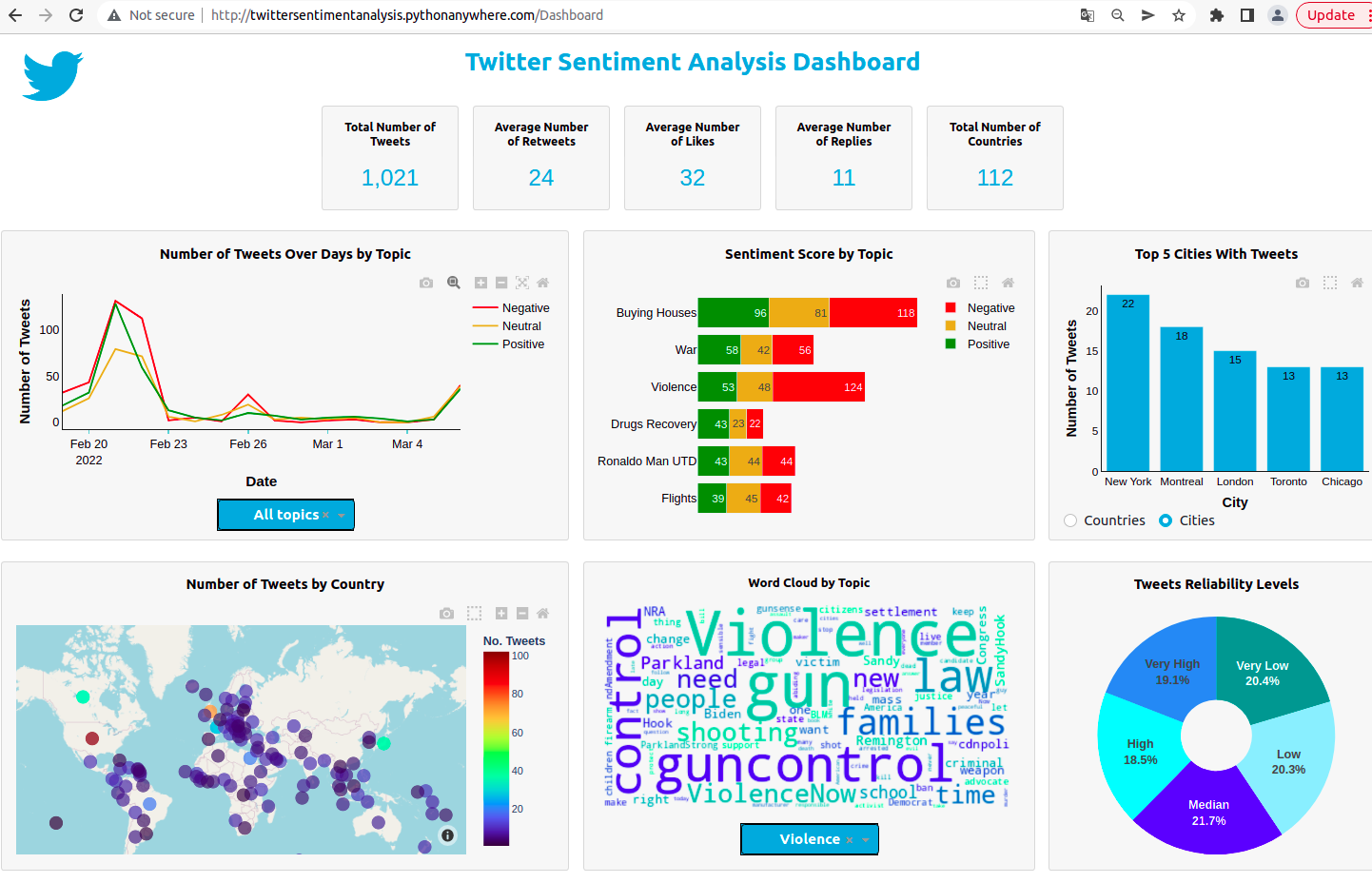
Actionable Insight: AI can perform sentiment analysis and topic extraction to pinpoint specific competitor weaknesses (e.g., poor customer service, missing features, confusing pricing) or identify recurring customer desires that aren’t being fully addressed. This intelligence allows you to refine your product, service, or messaging to directly appeal to these underserved segments. AI sentiment analysis for customer feedback
Ad Creative and Messaging Insights
Analyzing competitor advertising can provide a shortcut to understanding effective messaging and visual strategies.
Tools: While dedicated AI ad analysis platforms exist, many ad platforms themselves (like Google Ads or Meta Ads) offer competitive insights. Third-party tools like AdCreative.ai or SpyFu can also provide AI-driven analysis of competitor ad copy, visuals, and calls to action.
Actionable Insight: AI can help you identify patterns in successful competitor ads—what headlines perform best, which visuals grab attention, and what offers convert. This doesn’t mean copying, but rather learning what resonates with your shared audience and adapting those insights to develop more effective, unique campaigns for your brand. Google Ads competitive analysis tools
While AI tools promise efficiency, it’s easy to overlook the human effort still required to validate and operationalize their outputs. An AI might flag a “high-intent, low-competition keyword,” but without a practitioner’s understanding of the niche, audience intent, and competitive landscape beyond raw data, that insight can be misleading. The tool doesn’t account for nuances like brand fit, the actual difficulty of ranking for a seemingly “low-competition” term, or the internal resources needed to create truly differentiated content. This often leads to teams investing time and budget into initiatives that look good on paper but fail to deliver real-world impact because the initial AI-driven premise was not sufficiently scrutinized by human judgment.
Another common pitfall is the sheer volume of “actionable insights” these tools can generate. For small teams, this can quickly become overwhelming. The temptation is to chase every identified gap or opportunity, leading to a fragmented strategy. Instead of focusing on a few high-leverage areas, teams can find themselves spread thin, attempting to address dozens of minor issues or create content for every conceivable keyword. This dilutes effort, slows execution, and ultimately prevents any single initiative from gaining sufficient traction. The real challenge isn’t finding opportunities, but ruthlessly prioritizing the few that align with current capacity and strategic goals, even if AI suggests many more.
Given these realities, what should be deprioritized? Resist the urge to automate every step of your analysis or to blindly trust AI’s initial recommendations. For now, skip the pursuit of hyper-granular insights that require significant additional human validation or specialized skills your team lacks. For instance, if an AI tool identifies a micro-niche content gap that would require a deep technical expert to fill, but you don’t have that expert, deprioritize it. Focus instead on the broader, more obvious opportunities that align with your existing team’s strengths and resources. The goal is to make progress, not to perfectly optimize every potential angle the AI uncovers.
What to Delay or Skip Today
For SMBs, the biggest mistake is overcomplicating competitive analysis with AI. You should delay or skip:
Over-reliance on complex predictive analytics for market share: These models often require extensive historical data, sophisticated data science expertise, and significant investment. For most SMBs, the accuracy is questionable, and the insights are too high-level to be immediately actionable. Focus on current, tangible opportunities instead.
Investing in bespoke, enterprise-grade AI competitive intelligence platforms: These are designed for large corporations with dedicated teams and budgets. Leverage the AI features integrated into your existing marketing tools (SEO, social listening, ad platforms) first. They offer eighty percent of the value for twenty percent of the cost and complexity.
Chasing every minor trend identified by AI: AI can surface a multitude of trends. Your job, as the practitioner, is to apply judgment. Prioritize trends that align with your core business strengths, target audience, and available resources. Not every


Leave a Comment