

Integrating AI into your business workflows isn’t about chasing the latest trend; it’s about making your existing operations smarter and more efficient. For small to mid-sized teams operating with tight budgets and limited headcount, strategic AI adoption can free up valuable time, reduce manual errors, and provide better insights for decision-making. This guide cuts through the hype to focus on practical, actionable steps you can take today to integrate AI where it truly matters.
You’ll learn how to identify the most impactful areas for AI integration, understand the trade-offs involved, and implement solutions that deliver tangible benefits without overhauling your entire operation. Our focus is on what actually works for teams facing real-world constraints, helping you prioritize effectively and avoid common pitfalls.
Why AI Workflow Integration Matters (and What It’s Not)
For most businesses, AI workflow integration is about augmentation, not wholesale replacement. It’s about empowering your team to do more with less, automating repetitive tasks, and enhancing decision support. Think of it as a force multiplier for your existing talent, not a substitute. The goal is to streamline processes, improve accuracy, and accelerate outcomes.
What it’s not: It’s not about adopting every new AI tool that hits the market. It’s not about building complex, custom AI models from scratch unless you have dedicated data science resources. And it’s certainly not about blindly trusting AI outputs without human oversight. The pragmatic approach focuses on targeted applications that solve specific business problems.
Identifying Your High-Impact Integration Points
The first step is to pinpoint where AI can deliver the most value. For small teams, this usually means focusing on tasks that are:
- Repetitive and Time-Consuming: Tasks that eat up significant employee hours but don’t require complex human judgment. Examples include drafting routine emails, generating social media captions, or summarizing long documents.
- Data-Heavy and Prone to Error: Processes involving large datasets where manual analysis is slow or error-prone. Think about categorizing customer feedback, analyzing website traffic patterns, or segmenting email lists.
- Decision-Support Intensive: Areas where better, faster insights can lead to improved strategic choices. This could involve market research synthesis, competitor analysis, or predicting customer churn.
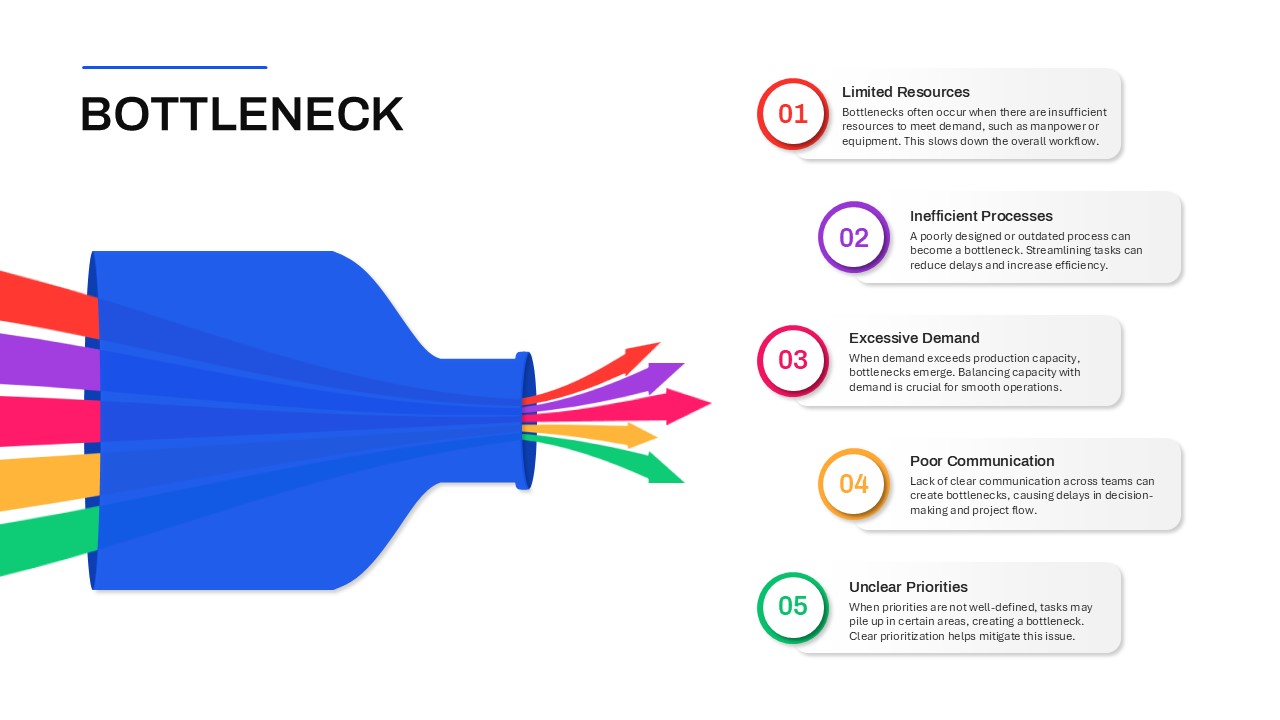
Start by auditing your current workflows. Where are the bottlenecks? What tasks do your team members consistently complain about? These are often prime candidates for AI intervention. Don’t aim for perfection; aim for significant improvement in a few key areas.
What often gets overlooked in the rush to integrate AI is the underlying data quality. While AI excels at processing large datasets, it doesn’t inherently fix bad data; it amplifies its impact. Teams frequently spend significant effort integrating AI into “data-heavy” processes only to discover their foundational data is inconsistent, incomplete, or poorly structured. This isn’t just a technical hurdle; it’s a source of deep frustration, as the promised efficiency gains evaporate into endless data cleaning and validation cycles, making the initial investment feel wasted.
Furthermore, automating a repetitive task doesn’t always eliminate the bottleneck; sometimes, it merely shifts it or creates a new one downstream. For instance, if AI rapidly generates content, the new challenge becomes quality control, brand voice consistency, and legal review at scale. What was once a slow, manual creation process is replaced by a fast, high-volume output that still demands human oversight, often requiring more sophisticated review processes than before. This second-order effect can lead to a different kind of operational strain, where teams are overwhelmed by validation rather than creation.
Finally, the human element of trust and adaptation is critical. Even with clear benefits, teams can struggle with the psychological shift of delegating tasks to an AI. There’s a natural inclination to over-validate or second-guess AI outputs, especially in decision-support roles. This constant double-checking, while necessary initially, can erode the very efficiency AI is meant to provide. The “freed up” time often gets reallocated to managing the AI itself – monitoring performance, refining prompts, and troubleshooting errors – rather than immediately translating into higher-value strategic work, leading to a sense of unmet expectations and internal pressure.
Starting Small: The Pilot Project Approach
Trying to integrate AI across your entire business at once is a recipe for overwhelm and failure. Instead, adopt a pilot project approach. Choose one high-impact area and implement a focused AI solution. This allows you to learn, iterate, and prove value before scaling.
For example, if content creation is a bottleneck, you might pilot an AI writing assistant for generating first drafts of blog posts or ad copy variations. If customer support inquiries are overwhelming, an AI chatbot for initial triage or answering FAQs could be a starting point. The key is to select a project with clear, measurable outcomes and a defined scope.
What to deprioritize or skip today, and why:
Avoid building custom AI models from scratch. The cost, time, and specialized expertise required are prohibitive for most small to mid-sized businesses. Instead, leverage off-the-shelf AI tools and platforms that offer robust features and easier integration. Deprioritize integrating AI into core financial or legal systems without extensive validation and expert oversight; the risk of error and compliance issues is too high for early-stage experimentation. Furthermore, skip chasing every new AI feature or tool that emerges. The market is saturated, and many offer marginal improvements or overlap with existing solutions. Focus on stable, proven applications that directly address a specific, high-value problem within your current operational context.
Integrating AI Tools: Practical Considerations
Once you’ve identified a pilot project and chosen a tool, the next hurdle is integration. This isn’t always seamless, especially with limited technical resources.
- Data Flow: Understand how data will move between your existing systems (CRM, marketing automation, project management) and the AI tool. Does the AI tool offer native integrations with your current stack? Are there API connectors available? Sometimes, a simple manual copy-paste for specific tasks is the most pragmatic starting point, especially for initial pilots.
- API vs. Native Connectors: Native integrations are generally easier to set up. If not available, look for tools with well-documented APIs that can be connected via integration platforms like Zapier or Make (formerly Integromat). This reduces the need for custom coding.
- Human Oversight and Training: AI tools are powerful, but they are not infallible. Plan for human review of AI-generated content, analysis, or recommendations. Your team will also need training on how to effectively use these new tools, understand their limitations, and integrate them into their daily routines.
- Security and Privacy: Especially when dealing with customer data or proprietary business information, scrutinize the data security and privacy policies of any AI tool you consider. Ensure compliance with relevant regulations (e.g., GDPR, CCPA).
Measuring Success and Scaling Smartly
For your pilot project, define clear Key Performance Indicators (KPIs) upfront. How will you measure success? This could be:
- Time saved on a specific task (e.g., “reduced content drafting time by thirty percent”).
- Improved accuracy (e.g., “reduced customer support miscategorizations by fifteen percent”).
- Cost reduction (e.g., “saved X dollars on external copywriting services”).
- Increased output (e.g., “produced twenty percent more social media posts with the same team”).
Regularly review these metrics. If the pilot is successful and delivers tangible ROI, then you can consider scaling. Scaling doesn’t mean immediately deploying AI everywhere. It means expanding the successful pilot to more users, more content types, or similar workflows. Learn from your initial experience, refine your processes, and only then move to the next high-impact area.
Avoid the trap of scaling too quickly. A successful pilot doesn’t guarantee success across the board. Understand the limitations of your AI solution and the specific context in which it thrives before broad deployment. This iterative approach minimizes risk and maximizes your chances of sustainable efficiency gains.
Navigating the Evolving AI Landscape
The AI landscape is rapidly evolving, with new tools and capabilities emerging constantly. For small to mid-sized businesses, the challenge isn’t keeping up with every single development, but rather staying focused on how AI can solve your specific business problems. Prioritize solutions that offer clear value and integrate well with your existing operations. The true power of AI lies in its thoughtful application within a well-defined workflow, not in the technology itself. AI tools for small business marketing
Continuously evaluate your AI integrations. Are they still delivering value? Are there newer, more efficient tools that could replace them? This isn’t about constant churn, but about pragmatic optimization. Your focus should always be on augmenting your team’s capabilities and driving measurable business outcomes, ensuring your AI investments contribute directly to growth and efficiency.


Leave a Comment