

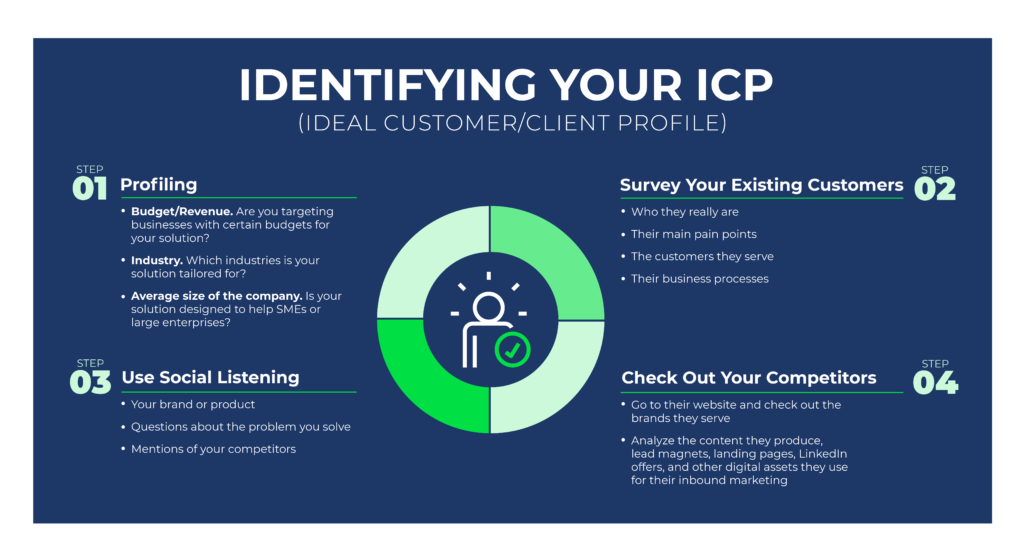
Unlocking B2B Growth on LinkedIn: A Practitioner’s Playbook
For small to mid-sized B2B businesses, LinkedIn isn’t just another social network; it’s a strategic asset. This guide cuts through the noise, offering practical, actionable strategies to leverage LinkedIn for genuine business growth and to establish your team as credible thought leaders. We’ll focus on what truly moves the needle, helping you make smart trade-offs with your limited time and budget.
You’ll learn how to prioritize efforts that generate leads, build authority, and foster meaningful connections, all while avoiding common pitfalls that drain resources without delivering results. Our aim is to equip you with the judgment needed to implement an effective LinkedIn strategy that works within your real-world operational constraints.
Setting Realistic LinkedIn Goals for Your Business
Before diving into tactics, define what success looks like. For SMBs, chasing vanity metrics like follower count is a distraction. Instead, focus on tangible outcomes:
- Lead Generation: Direct inquiries, meeting requests, or qualified leads entering your sales funnel.
- Brand Awareness & Credibility: Increased profile views from target personas, mentions, or engagement on thought leadership content.
- Talent Acquisition: Attracting qualified candidates for key roles, reducing recruitment costs.
Prioritize one or two primary goals initially. Trying to achieve everything simultaneously with limited resources leads to diluted efforts. For most B2B SMBs, lead generation and building credibility should be at the top.
The real cost of chasing vanity metrics isn’t just wasted time; it’s the erosion of internal confidence and buy-in. When teams invest effort into LinkedIn without a clear, measurable connection to business outcomes, the platform quickly gets dismissed as a “time sink.” This skepticism makes it significantly harder to gain support for more strategic, impactful initiatives down the line, creating a delayed consequence that stifles future growth.
Furthermore, even when focusing on lead generation, a common pitfall is failing to rigorously define what constitutes a “qualified lead” *before* starting. Marketing might deliver inquiries, but if the sales team consistently finds them unsuitable, the effort creates internal friction rather than revenue. This isn’t a LinkedIn problem; it’s an operational misalignment that LinkedIn efforts expose, leading to frustration and a perception that the platform “doesn’t work” for your business.
For these reasons, deprioritize broad brand awareness campaigns or complex, multi-channel content strategies in the early stages. Instead, focus intensely on refining your messaging and content to attract and convert a specific type of lead. Prove the direct value of LinkedIn for your business through targeted organic efforts and clear internal hand-offs before expanding your scope or investing in paid promotion. This pragmatic approach ensures resources are allocated where they can have the most immediate and measurable impact.
Building a Credible Presence: Company Page & Personal Brands
Your LinkedIn Company Page is your digital storefront, but your team’s personal profiles are the true engines of engagement and thought leadership. Don’t neglect either.
- Company Page Essentials: Ensure your Company Page is fully optimized with a clear description, relevant industry tags, and consistent branding. Use it to share company news, job openings, and curated industry insights. Think of it as your official hub.
- Empowering Personal Profiles: This is where the real work happens. Encourage key team members (leadership, sales, marketing) to optimize their personal profiles. This means professional headshots, compelling headlines, detailed experience sections, and a summary that highlights their expertise and how they help clients. These profiles should reflect individual personality while aligning with company values.

LinkedIn profile optimization workflow

Practitioner Judgment: While a polished Company Page is non-negotiable for legitimacy, the bulk of your engagement and thought leadership will come from active personal profiles. Prioritize training and empowering your team members to be active on their personal profiles over constantly pushing content solely from the Company Page.
What’s often overlooked is the sustained effort required beyond the initial profile optimization. It’s easy to assume that once a profile is “optimized,” the work is done. In reality, maintaining an active, engaging personal presence demands a consistent time investment for commenting, sharing, and crafting original posts. This isn’t a one-time task; it’s an ongoing commitment that can quickly lead to team member burnout or profiles becoming dormant if not properly managed and supported. The initial enthusiasm can wane when faced with the daily grind of their primary responsibilities.
Another common pitfall is the unintended brand fragmentation that can occur. While encouraging individual personality is crucial, a lack of clear, actionable guidelines or ongoing coaching can lead to team members inadvertently misrepresenting company values or expertise. This isn’t about stifling creativity, but about providing guardrails. Without them, the collective message can become diluted or even contradictory, undermining the very credibility you’re trying to build. This second-order effect can be subtle but damaging, as external audiences perceive a lack of cohesion.
Practitioner Judgment: Given these realities, resist the urge to mandate that every single team member become a prolific thought leader overnight. Focus your energy on identifying a core group of individuals who are genuinely interested, have the capacity, and whose roles naturally lend themselves to external engagement. Provide them with dedicated training, content prompts, and a clear understanding of boundaries. Forcing participation from those who are uncomfortable or time-constrained often results in low-quality, inconsistent output that does more harm than good. It’s better to have a few highly engaged, authentic voices than many half-hearted, generic ones.
Content Strategy: Quality Over Quantity
Effective LinkedIn content for B2B isn’t about going viral; it’s about providing value and sparking relevant conversations. Focus on insights, not just promotions.
- Problem/Solution Focused: Address common pain points your target audience faces and offer practical solutions or unique perspectives.
- Native Content Formats: LinkedIn favors native content. Text posts (often with a hook and clear call to action), native video, and document carousels (for sharing reports, guides, or presentations) tend to perform well. Avoid simply sharing external links without context.
- Repurpose Smartly: Don’t reinvent the wheel. Repurpose existing blog posts, whitepapers, or webinar snippets into LinkedIn-friendly formats. A single long-form article can become several text posts, a carousel, and a short video. AI tools for content repurposing
- Thought Leadership Pillars: Consistently share insights on 2-3 core topics where your business has genuine expertise. This builds authority over time.
Practitioner Judgment: Resist the urge to post daily just to maintain a presence. A few high-quality, insightful posts per week from key team members will yield far better results than daily, generic updates. Focus on depth and relevance to your audience’s challenges.
Engagement Tactics That Drive Real Connections
LinkedIn is a network, not a broadcast platform. Active engagement is critical for visibility and relationship building.
- Proactive Commenting: Regularly comment thoughtfully on posts from prospects, clients, and industry influencers. Add value, ask questions, and share your perspective. This is often more effective than just posting your own content.
- Strategic Connection Requests: When sending connection requests, always include a personalized message explaining why you want to connect (e.g., “I saw your post on X and found it insightful,” or “We share a common interest in Y”). Generic requests are often ignored.
- Participate in Relevant Groups: Join LinkedIn Groups where your target audience congregates. Contribute to discussions, answer questions, and establish yourself as a helpful expert. Avoid overt self-promotion.
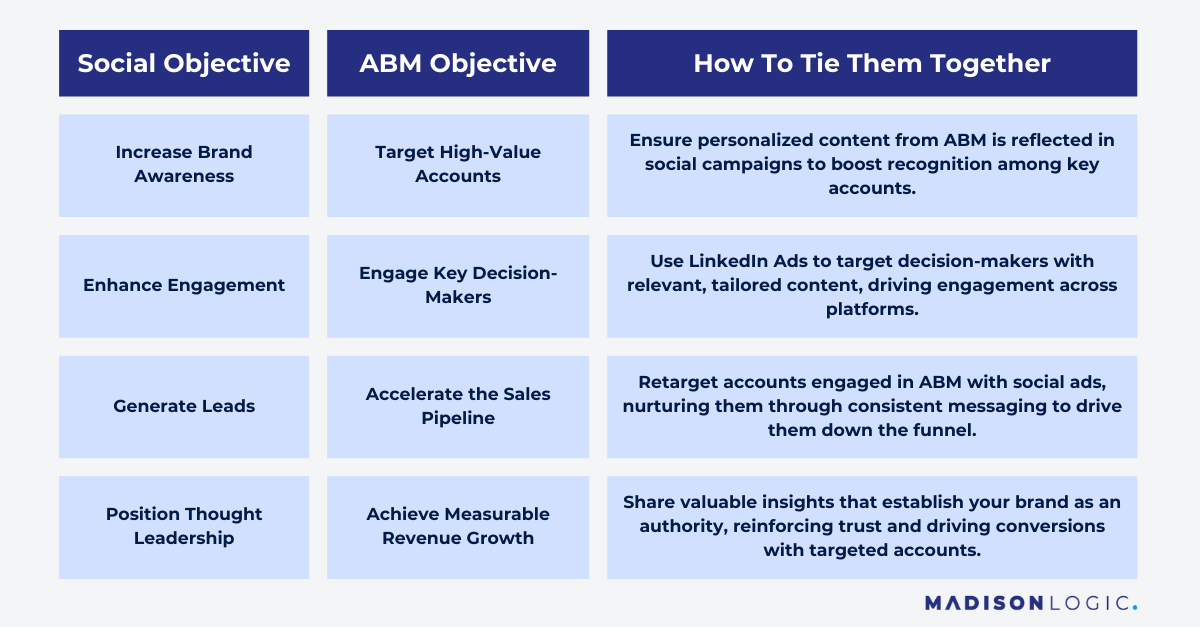
Practitioner Judgment: Don’t automate connection requests or generic messages. While tempting for scale, these tactics often backfire, damaging your brand’s reputation and leading to low-quality connections. Invest time in genuine, personalized outreach.
Prioritizing Lead Generation and Sales Enablement
For B2B, LinkedIn is a powerful lead generation tool when used strategically.
- Identify Target Accounts & Personas: Use LinkedIn’s search filters (or Sales Navigator, if budget allows) to pinpoint specific companies and decision-makers.
- Warm Outreach: Engage with a prospect’s content before sending a connection request or direct message. A thoughtful comment can open the door for a more receptive connection.
- Sales Navigator (Consideration): For teams with a dedicated sales function and budget, Sales Navigator offers advanced search, lead recommendations, and InMail credits. Evaluate its ROI carefully; for many SMBs, effective use of free search and personal networking is sufficient.
- Content for Conversion: Ensure your thought leadership content naturally leads to a next step, whether it’s downloading a resource, signing up for a webinar, or requesting a demo.
Practitioner Judgment: Avoid cold pitching immediately after connecting. Focus on building rapport and understanding their needs first. The goal is to move the conversation off LinkedIn to a more direct channel (email, call) once trust is established. B2B social media strategy
What to Deprioritize on LinkedIn Today
With limited resources, knowing what to skip is as important as knowing what to do. Today, deprioritize:
- Chasing Viral Trends: While tempting, attempting to replicate viral content often doesn’t align with B2B objectives and can dilute your brand message. Focus on evergreen value.
- Over-reliance on Automation Tools: Many third-party tools promise to automate connections, messages, and even content posting. These often violate LinkedIn’s terms of service, risk account suspension, and, more importantly, undermine the genuine relationship-building that makes LinkedIn effective for B2B.
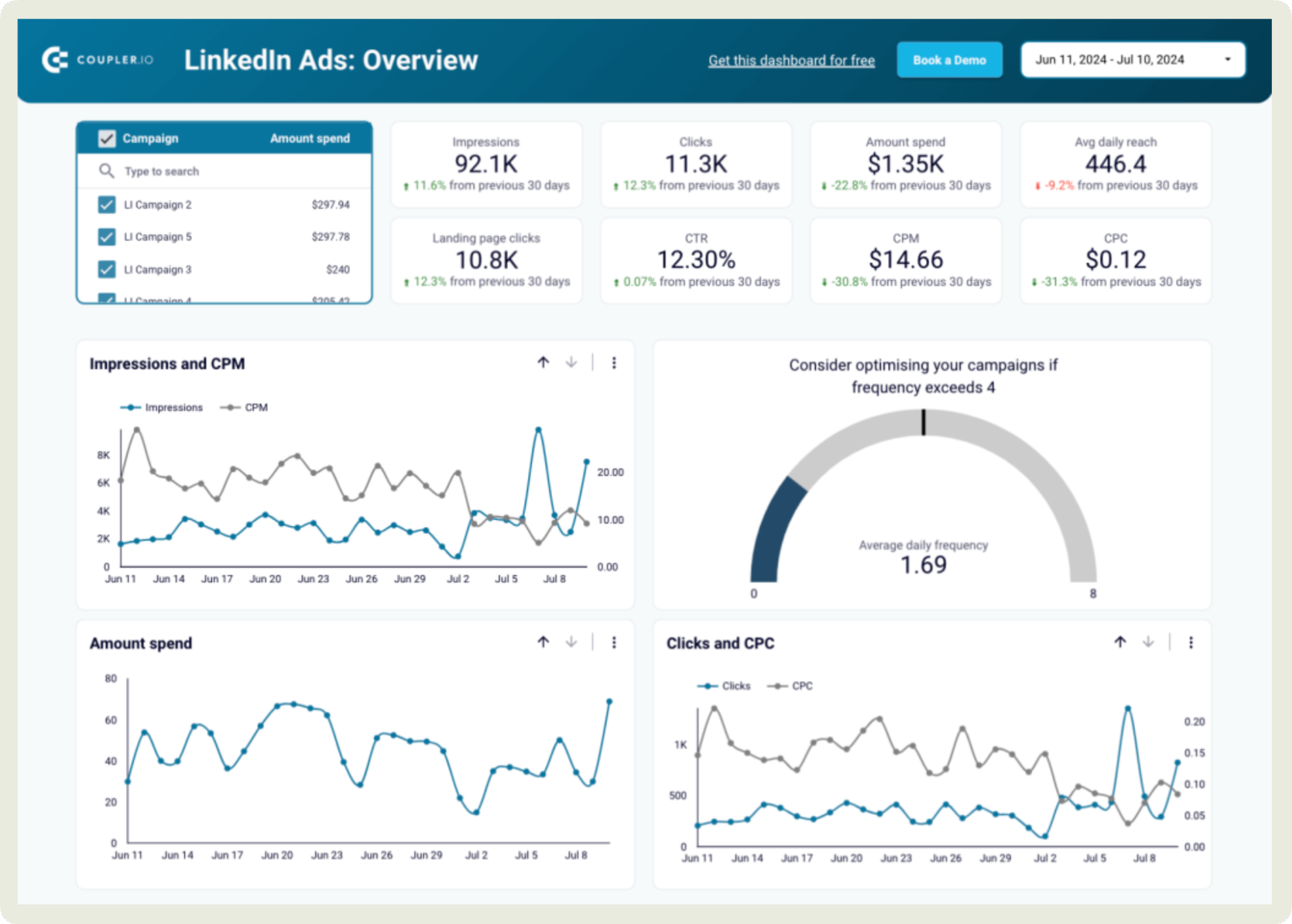
- Obsessive Analytics Tracking: For SMBs, getting bogged down in complex dashboards and granular metrics can be a time sink. Focus on core indicators like profile views, engagement rate on key posts, and direct inquiries.

Simple LinkedIn analytics dashboard - Daily Posting for the Sake of It: As mentioned, quality trumps quantity. Don’t feel pressured to post every day if you don’t have something genuinely valuable to share.
These activities consume valuable time and resources without delivering proportional returns for most small to mid-sized B2B teams.
Measuring Impact Without Over-Analyzing
Keep your measurement simple and tied back to your initial goals.
- Engagement Rate: Track likes, comments, and shares on your key posts. This indicates content relevance.
- Profile & Company Page Views: Monitor who is viewing your profiles. Are they your target personas?
- Direct Inquiries & Conversions: The most important metric. How many leads or sales conversations originated from LinkedIn?
- Website Traffic from LinkedIn: If you share links, track the traffic and conversion rates from LinkedIn in your analytics platform.
Focus on trends over time rather than daily fluctuations. The goal is to understand what content and engagement strategies are most effective for your specific audience.
Actionable Steps for Consistent Growth
To ensure ongoing success, integrate LinkedIn activities into your weekly routine:
- Allocate Dedicated Time: Schedule specific blocks each week for content creation, engagement, and outreach. Consistency is key.
- Content Calendar: Plan your thought leadership content in advance, even if it’s just a few bullet points for the week.
- Review & Adapt: Periodically review your top-performing content and engagement tactics. What resonated? What fell flat? Adjust your strategy accordingly.
By focusing on these practical, high-impact strategies, your small to mid-sized business can transform LinkedIn from a passive network into a powerful engine for B2B growth and thought leadership.



Leave a Comment