


For small to mid-sized businesses, navigating the social media landscape for genuine engagement can feel like a constant uphill battle. Traditional advertising often falls flat, struggling to build the trust and authenticity that today’s consumers demand. This article cuts through the noise, offering a pragmatic approach to partnering with social media creators to drive meaningful brand engagement, even with limited budgets and teams.
You’ll learn how to prioritize your efforts, identify the right creator partners, structure collaborations that feel authentic, and measure real impact. Our focus is on actionable strategies that deliver results under real-world constraints, helping you make smart trade-offs and avoid common pitfalls.
Why Creator Partnerships Matter (and When They Don’t)
In 2026, consumer trust in traditional advertising continues to wane. People look to peers and trusted voices for recommendations, and that’s where social media creators excel. They’ve built communities around shared interests, and their recommendations carry weight. For SMBs, this translates to an opportunity for more authentic reach and engagement than you could ever buy through paid ads alone.
However, creator partnerships aren’t a magic bullet for every business. They matter most when your product or service benefits from genuine demonstration, personal endorsement, or niche community discussion. If your offering is highly technical, requires extensive explanation, or targets a very broad, undifferentiated market, the direct impact of creator collaborations might be harder to achieve or justify initially. Prioritize establishing a clear product-market fit and a strong organic social presence before diving deep into creator outreach.
Prioritizing Your Creator Strategy: Focus on Fit, Not Followers
The biggest mistake SMBs make is chasing creators with massive follower counts. This is a costly and often ineffective strategy. Instead, prioritize creators who genuinely align with your brand values and audience, regardless of their size. We’re talking about micro-creators (typically 10,000-100,000 followers) and nano-creators (under 10,000 followers).
These smaller creators often boast higher engagement rates, deeper connections with their niche audiences, and are significantly more affordable. Their content feels less like an advertisement and more like a trusted recommendation. Your initial focus should be on identifying these authentic voices within your specific niche.
What to deprioritize or skip today: Avoid engaging large macro-influencers or expensive influencer marketing agencies. For an SMB, the cost-to-benefit ratio is usually unfavorable. Macro-influencers demand substantial fees, often have less engaged audiences relative to their size, and their content can feel less authentic due to numerous brand deals. Agencies, while offering convenience, add another layer of cost and can distance you from the direct relationship-building that makes these partnerships effective for smaller brands. Build your internal process first.
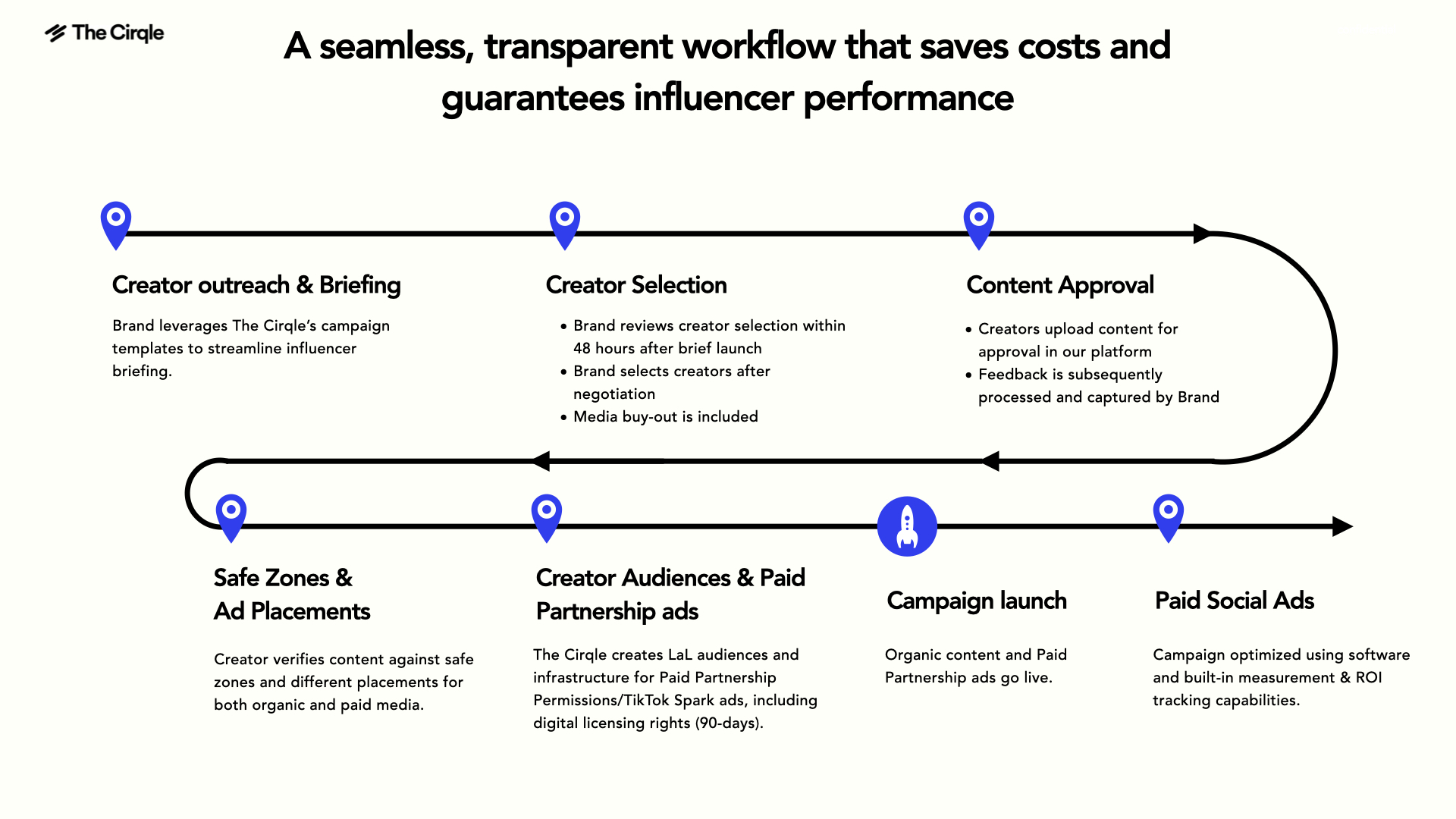
While the individual cost of a micro-creator partnership is lower, the aggregate time investment often goes underestimated. Managing relationships with five nano-creators, coordinating content, and tracking performance demands a different kind of operational overhead than a single, larger deal. This isn’t just about financial cost; it’s about the limited bandwidth of your internal team. What looks like a budget win can quickly become a time sink if you haven’t accounted for the human hours required to nurture these multiple, smaller engagements.
Another common pitfall is the pressure to demonstrate immediate, hard ROI. The authentic engagement and brand affinity built by smaller creators are real assets, but they don’t always translate into direct, last-click conversions in the short term. This can lead to internal frustration, especially when leadership or sales teams expect quick, measurable wins. The temptation to revert to more ‘trackable’ but less effective macro-influencer campaigns can be strong, even when the underlying strategy points elsewhere. It requires discipline to trust the process and focus on the qualitative and longer-term quantitative signals.
The real, often overlooked, long-term value of a micro-creator strategy isn’t just a series of isolated campaigns. It’s the opportunity to cultivate a genuine network of brand advocates. When done right, these relationships can evolve beyond single transactions, leading to organic mentions, repeat collaborations, and a more resilient, authentic marketing channel. The downstream effect is a more robust brand presence built on trust, but this requires a commitment to relationship-building over purely transactional thinking. Many teams fail to see past the immediate campaign metrics, missing the chance to build this foundational asset.
Finding the Right Partners: Beyond the Obvious
Finding the right creators requires a bit of detective work, but it’s well worth the effort. Start by looking where your target audience already spends their time online. This isn’t about generic searches; it’s about deep dives into specific communities and hashtags.
- Engage with your existing customers: Who among your most loyal customers are already creating content or have an active social presence? These are often your best advocates.
- Hashtag and keyword research: Use platform search functions (Instagram, TikTok, YouTube) to find relevant hashtags and keywords related to your product or industry. Look for creators consistently posting high-quality content in these areas.
- Competitor analysis (with caution): See who your competitors are working with, but don’t just copy. Use it as a starting point to find similar creators or identify gaps.
- Community engagement: Participate in online forums, Facebook Groups, or Reddit communities relevant to your niche. Creators often emerge from these spaces.
When evaluating potential partners, look beyond follower numbers. Scrutinize their engagement rate (likes, comments, shares relative to followers), the quality and authenticity of their comments, and their overall content style. Do they genuinely connect with their audience? Does their content feel authentic, or overly produced and commercial?
What’s easy to overlook in this initial assessment is the hidden cost of a superficial match. A creator with a massive following might seem like a quick win, but if their audience isn’t genuinely aligned with your product’s specific value proposition, you’re essentially paying for reach without relevance. The immediate consequence is a campaign that generates buzz but not business, leading to wasted budget and a scramble to understand why the numbers didn’t translate.
Beyond the visible metrics and content style, the practical reality of working with a creator often hinges on their professionalism and reliability. For small teams, managing a partner who consistently misses deadlines, requires excessive hand-holding, or struggles to integrate feedback can quickly become a significant drain on internal resources. A highly creative but operationally challenging creator can negate any potential gains by consuming valuable time that could be spent on other priorities. Prioritizing a reliable, communicative partner, even if their initial reach is smaller, often yields better long-term results and less internal friction.
This brings us to a critical downstream effect: the difference between audience interest and buying intent. A creator might excel at generating engagement around a broad topic, but if their followers aren’t in the market for what you offer, or aren’t at the right stage of their buying journey, that engagement won’t convert. The frustration here is palpable for teams who see high view counts but no corresponding lift in leads or sales. It highlights a common pitfall where the theoretical appeal of a creator’s reach overshadows the practical need for a genuinely qualified audience, leading to a delayed realization that the partnership, while visually appealing, wasn’t strategically sound.
Crafting Authentic Collaborations: Give Them Creative Freedom
Once you’ve identified potential partners, the approach matters. Your goal is a collaboration, not a directive. Start with a personalized outreach message that highlights why you admire their work and how your brand aligns with their content and audience. Be clear about what you’re offering and what you hope to achieve.
When it comes to the actual collaboration, provide a clear brief outlining your objectives (e.g., drive awareness for a new product, generate sign-ups for a service), key messaging points, and any specific calls to action. However, the most critical element is allowing creative freedom. Creators know their audience best. Trust them to present your brand in a way that resonates authentically with their community.
Compensation for micro and nano-creators can vary. It might be free product, a small flat fee, or a performance-based affiliate commission. Be transparent and fair. A simple, clear agreement outlining deliverables, timelines, and compensation protects both parties. Remember, you’re building a relationship, not just executing a transaction.
Measuring Success: Beyond Vanity Metrics
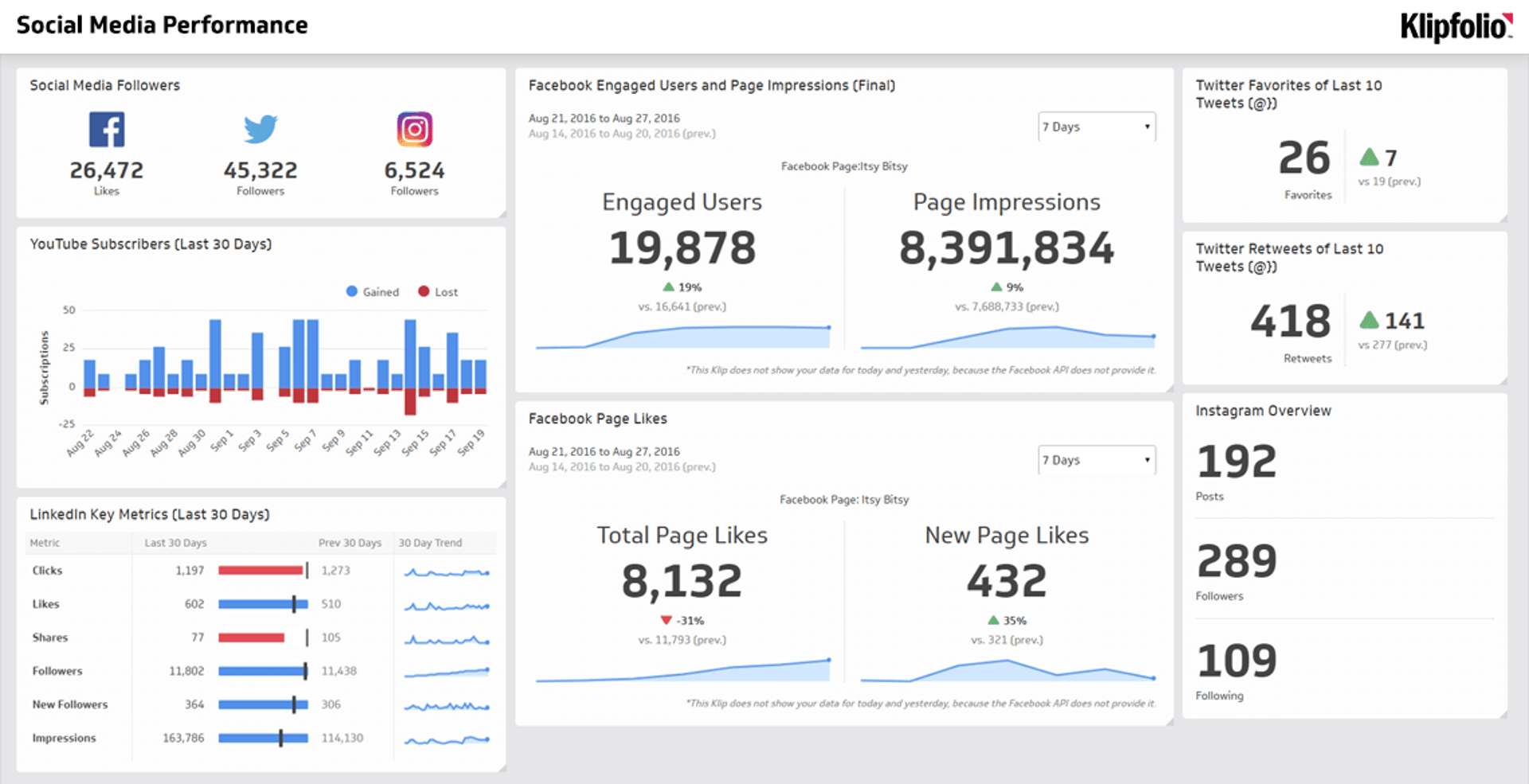
Measuring the true impact of creator partnerships is crucial for optimizing future efforts. For SMBs, this means looking beyond simple vanity metrics like follower growth or total reach. Focus on metrics that directly tie back to your business objectives.
- Engagement Rate: This is a primary indicator of audience connection. Track likes, comments, shares, and saves relative to the creator’s follower count for the sponsored content.
- Website Traffic & Referrals: Use unique UTM parameters for any links shared by creators. This allows you to track exactly how much traffic they drive to your website and which creators are most effective. UTM parameter best practices
- Conversions: If applicable, track specific actions like sign-ups, lead generations, or sales directly attributed to creator content using unique discount codes or landing pages.
- Brand Sentiment & Mentions: Monitor comments and mentions across social media to gauge how your brand is perceived and discussed in relation to the creator’s content.
Don’t expect immediate, massive sales spikes from every micro-creator collaboration. The value often lies in building brand awareness, trust, and a pipeline of engaged potential customers. Analyze the data, learn what types of content and creators perform best for your brand, and iterate on your strategy.
Sustaining Creator Relationships for Long-Term Value
The most effective creator partnerships aren’t one-off campaigns; they’re ongoing relationships. Treat your creators as valuable extensions of your marketing team. Provide feedback, celebrate their successes, and look for opportunities for repeat collaborations.
Regular communication, even outside of active campaigns, helps foster loyalty and ensures they remain genuine advocates for your brand. Consider offering exclusive access to new products, early bird discounts, or opportunities to co-create content. A strong, sustained relationship with a handful of authentic creators will yield far greater long-term value than a revolving door of transactional partnerships.



Leave a Comment