

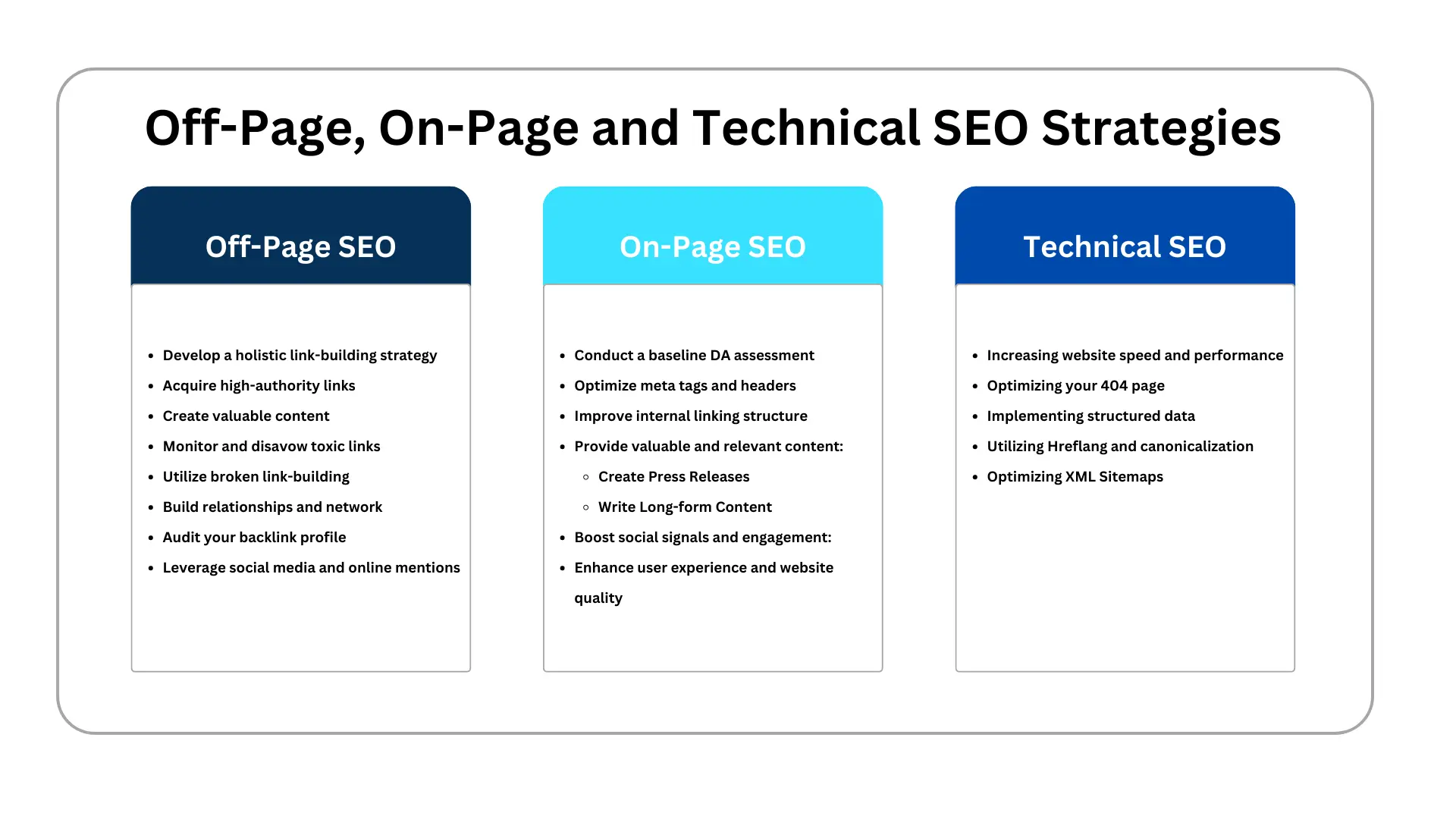
For small to mid-sized businesses, securing high-authority backlinks isn’t just an SEO checkbox; it’s a critical lever for improving search rankings, driving organic traffic, and establishing your brand’s credibility. This guide cuts through the noise, offering actionable strategies to earn quality links that move the needle, even with limited resources.
You’ll learn how to prioritize your efforts, identify the most impactful opportunities, and avoid common pitfalls that waste time and budget. Our focus is on practical, sustainable approaches that deliver real results under real-world constraints.
Why Backlinks Still Matter (and What’s Changed)
Backlinks remain a foundational element of Google’s ranking algorithm. They signal trust and authority from one site to another. Think of them as votes of confidence. However, the game has evolved. Google’s algorithms are far more sophisticated today, prioritizing quality and relevance over sheer quantity. A single high-authority, topically relevant backlink can be worth dozens of low-quality, irrelevant ones.
For small teams, this shift is a blessing in disguise. It means you don’t need to chase every possible link. Instead, a focused effort on earning a few truly valuable links will yield better results than a broad, untargeted campaign.
Prioritizing Your Backlink Strategy: What to Focus On First
Before you even think about outreach, lay the groundwork. Without these foundational elements, your link-building efforts will be significantly less effective.
- Content Quality is Non-Negotiable: You can’t earn high-quality links to mediocre content. Invest in creating truly valuable, insightful, or unique content that others will genuinely want to reference. This is your primary asset.
- Internal Linking Foundation: Before seeking external links, ensure your own site’s internal linking structure is robust. Strong internal links distribute ‘link equity’ across your site, helping important pages rank better and making them more attractive to external linkers. This is often overlooked but provides immediate SEO benefits.
- Strategic Competitor Analysis: Don’t try to outrank your biggest competitors overnight. Instead, identify competitors slightly ahead of you in your niche. Analyze their backlink profiles using tools like Ahrefs or SEMrush to find achievable link opportunities. Look for sites linking to them that might also be interested in your content or services. Focus on quality over quantity here.
What’s often overlooked is the compounding negative effect of trying to build links to content that isn’t truly exceptional. It’s not just that you won’t get links; you’ll actively burn goodwill. Each outreach attempt with mediocre material diminishes your credibility with potential linkers. They remember the low-value pitch, making it harder to get their attention even when you do have something genuinely valuable to offer later. This isn’t just wasted effort; it’s a long-term erosion of your outreach effectiveness.
Similarly, a common pitfall in competitor analysis is focusing solely on what links your competitors have, rather than why those links exist. Simply identifying a site that links to a competitor and then pitching your own content without understanding the original context is a recipe for high rejection rates. Did the linking site reference a specific data point, a unique perspective, or a solution to a problem? If your content doesn’t offer a comparable or superior value proposition for their audience, your pitch will fall flat. This leads to significant time sink and team frustration, as efforts feel unproductive.
Under real-world pressure, teams often feel compelled to chase high-Domain Authority (DA) links or ‘big name’ publications, even if those links have tenuous relevance to their core audience. This is a classic example of prioritizing a vanity metric over strategic impact. A link from a highly relevant, niche industry blog with a modest DA often delivers more qualified referral traffic and passes more contextual authority than a generic mention on a massive, broad-topic site. For small to mid-sized businesses, deprioritize chasing aspirational, low-relevance links that require disproportionate effort. Instead, focus on building relationships with niche authorities whose audiences directly overlap with yours. The payoff in terms of qualified traffic and long-term SEO value is significantly higher, even if the DA numbers aren’t as flashy.
What to Deprioritize or Avoid Right Now
With limited resources, knowing what to skip is as important as knowing what to do. For small to mid-sized businesses, certain link-building tactics are either too risky, too time-consuming for the return, or simply ineffective in today’s SEO landscape.
You should absolutely deprioritize or skip mass outreach campaigns using generic templates. These rarely yield high-quality links and often damage your sender reputation. Similarly, avoid any service that promises a high volume of links for a low price; these are almost always spammy and can lead to Google penalties. Do not engage in link schemes or buying links from unvetted sources. While some paid placements exist, the risk of de-indexing or penalties far outweighs the potential short-term gain for most SMBs. Focus your energy on earning links through genuine value and relationships, not shortcuts.
The immediate consequence of poor link-building tactics isn’t always a Google penalty. Often, the more insidious outcome is a slow erosion of trust and authority that’s hard to pinpoint until it’s too late. You might not get de-indexed overnight, but your site’s ability to rank for new content or recover from minor algorithm shifts will be severely hampered. The time and resources eventually spent on disavowing bad links, auditing your profile, and trying to rebuild a clean reputation far outweigh any perceived short-term gain. This isn’t just a technical debt; it’s a strategic one that diverts focus from proactive growth to reactive damage control.
Another overlooked aspect is the internal pressure. When leadership or sales teams demand “more links” or “faster results,” it’s easy for practitioners to fall into the trap of pursuing quantity over quality. This creates an illusion of progress: a spreadsheet showing many new links, but no corresponding movement in organic traffic or conversions. This isn’t just ineffective; it’s demoralizing. It burns out teams, wastes budget on activities that don’t move the needle, and ultimately delays the adoption of genuinely effective, albeit slower, strategies.
The real cost isn’t just the money spent on bad links, but the opportunity cost of what you didn’t do. Every hour spent chasing low-value links is an hour not spent creating compelling content, building genuine relationships with industry peers, or optimizing your existing site for better user experience. These are the foundational activities that actually drive sustainable growth, and they are often neglected when teams are distracted by the siren song of quick, easy links.
Practical Tactics for Earning High-Quality Links
Once your content is solid and your internal linking is optimized, these tactics can help you earn valuable external links.
- Guest Posting (Targeted & Value-Driven): Identify relevant, authoritative blogs and industry publications that accept guest contributions. Pitch unique, valuable content ideas that align with their audience and your expertise. The goal isn’t just a link; it’s to provide genuine value to their readers and establish your authority.
- Resource Pages & Broken Link Building: Find industry resource pages that list useful tools, articles, or services. If your content is genuinely better or more up-to-date than something they’ve linked to, pitch it. Alternatively, use tools to find broken links on relevant sites. Offer your content as a replacement for the broken link. This is a win-win: you help them fix an issue, and you get a link.
- HARO (Help A Reporter Out): Sign up for HARO alerts. Journalists often need expert sources for their stories. If you can provide a relevant, concise quote or insight, you might earn a mention and a backlink from a high-authority news site. Be quick and precise with your responses.
- Local Citations & Directories: For local businesses, ensuring consistent listings in local directories (Yelp, Google Business Profile, industry-specific directories) is foundational. These provide valuable local signals and foundational links.
- Reclaiming Unlinked Mentions: Use tools to monitor mentions of your brand, products, or key personnel across the web. If someone mentions you but doesn’t link to your site, reach out and politely ask for a link. These are often easy wins because the site already recognizes your value.
Measuring Success and Adapting Your Approach
Link building is an ongoing process, not a one-time task. Track your progress and adjust your strategy based on what’s working.
- Key Metrics: Focus on referring domains (the number of unique websites linking to you), domain rating (DR) or domain authority (DA) improvements, and most importantly, organic traffic growth to the pages you’re targeting.
- Tools for Tracking: Utilize SEO tools like Ahrefs or SEMrush to monitor your backlink profile, track new links, and keep an eye on competitor activity. backlink checker
- Iterate and Refine: Analyze which outreach methods are yielding the best results. Are certain content types attracting more links? Are specific niches more receptive to your pitches? Use these insights to refine your strategy.

Sustaining Your Link-Building Efforts
Effective link building for SMBs isn’t about grand campaigns; it’s about consistent, smart effort. Integrate link earning into your content creation and promotion workflow. Every piece of content you create should have a plan for how it will attract links. Build relationships with other businesses and content creators in your niche. Over time, these relationships can become a natural source of high-quality backlinks. Remember, you’re playing a long game, building authority and trust one valuable link at a time.


Leave a Comment