


Navigating Generative AI in Search: A Practitioner’s View
The shift towards Generative AI in search, particularly with Google’s SGE, means traditional SEO tactics need a pragmatic update. For small to mid-sized businesses, this isn’t about chasing every new AI feature, but rather understanding how to make your valuable content discoverable by these new systems. This article cuts through the noise to provide actionable steps you can take today to improve your visibility in SGE, focusing on what truly moves the needle given limited resources.
You’ll gain clear guidance on prioritizing content creation, leveraging structured data, and refining your technical foundation to ensure your expertise is recognized and surfaced in AI-generated summaries. We’ll highlight where to invest your effort for maximum impact and what to deliberately set aside.

SGE isn’t just another SERP feature; it’s a fundamental shift in how Google processes and presents information. For SMBs, this means the AI-generated overview often appears at the top, potentially reducing clicks to traditional blue links. Our goal isn’t to fight this, but to ensure our content is the source material for these AI answers. This demands a focus on clarity, authority, and directness in our content.
Prioritizing Content for AI Discovery
When resources are tight, every piece of content needs to work harder. For SGE, this means doubling down on content that demonstrates clear E-E-A-T (Experience, Expertise, Authoritativeness, Trustworthiness). AI models are trained on vast datasets, and they prioritize sources that are demonstrably reliable and provide direct, unambiguous answers to user queries.
What to Do First:
- Create Authoritative, Factual Content: Focus on evergreen content that solves specific problems or answers common questions in your niche. Think “how-to” guides, definitive explanations, and data-backed insights. Ensure your content is factually accurate and regularly updated.
- Showcase Your Expertise: Clearly attribute authors with relevant credentials or experience. Include “About Us” pages that detail your team’s background. This builds the E-E-A-T signals that AI systems value.
- Address User Intent Directly: Analyze your target audience’s questions and create content that provides comprehensive, yet concise, answers. AI overviews often synthesize information, so being the clearest, most direct source is key.
- Leverage FAQs and Q&A Formats: These structures naturally align with how AI systems extract and present information. Turn common customer service questions into public-facing content.
What to Delay or Avoid:
- Don’t Chase Every AI Trend: The generative AI landscape is evolving rapidly. Avoid investing heavily in speculative AI content generation tools or strategies that lack a proven track record for quality and E-E-A-T.
- Avoid Thin, AI-Generated Content: Content produced solely by AI without significant human oversight, fact-checking, and value-add is unlikely to perform well. It often lacks the depth, nuance, and unique perspective that human expertise provides.
- Keyword Stuffing: This tactic was outdated before SGE, and it’s even more detrimental now. AI models understand context and semantic relationships; keyword density is irrelevant.
While the emphasis on direct, unambiguous answers is sound for AI discovery, a common pitfall is to over-optimize for this singular goal. Content that is only designed to be extracted by an AI overview can sometimes lack the narrative flow, deeper context, or persuasive elements that human readers need to move further down the funnel. The immediate gain in visibility might come at the hidden cost of reduced engagement or conversion rates from actual users who land on your site seeking more than just a snippet.
Another area often overlooked in practice is the ongoing operational burden of maintaining E-E-A-T. It’s not enough to simply state credentials; the content itself must consistently reflect that expertise, and this requires regular review, updates, and a disciplined authoring process. For lean teams, the initial push to establish E-E-A-T signals can be significant, but the sustained effort to keep content fresh, accurate, and demonstrably authoritative across a growing library often becomes a source of frustration and a bottleneck, leading to content decay that erodes trust over time.
Furthermore, the rapid evolution of AI can create a subtle but significant decision pressure. Teams might feel compelled to chase every new AI-related content strategy, diverting limited resources from proven, foundational content efforts. This can result in a fragmented content strategy, where resources are spread thin across speculative tactics rather than concentrated on building a robust, high-quality content core. The delayed consequence is often a content library that lacks cohesion and depth, making it harder for both AI and human users to consistently find value.
Structuring Content for Semantic Understanding
AI models excel at understanding relationships between entities and concepts. Your job is to make these relationships explicit. This goes beyond basic SEO and into semantic optimization.
- Implement Schema Markup: This is non-negotiable. Use relevant Schema types (e.g.,
Article,FAQPage,HowTo,Product,Organization) to explicitly tell search engines and AI models what your content is about. This helps AI understand the context and components of your information. Schema markup guidelines - Use Clear Headings and Subheadings: Structure your content logically with
<h2>,<h3>, and<h4>tags. This not only improves readability for humans but also helps AI parse and understand the hierarchy of information. - Define Key Entities: When discussing important people, places, or concepts, ensure they are clearly introduced and consistently referenced. This helps AI build a robust understanding of your content’s subject matter.

Technical Foundations: Still Critical for AI Visibility
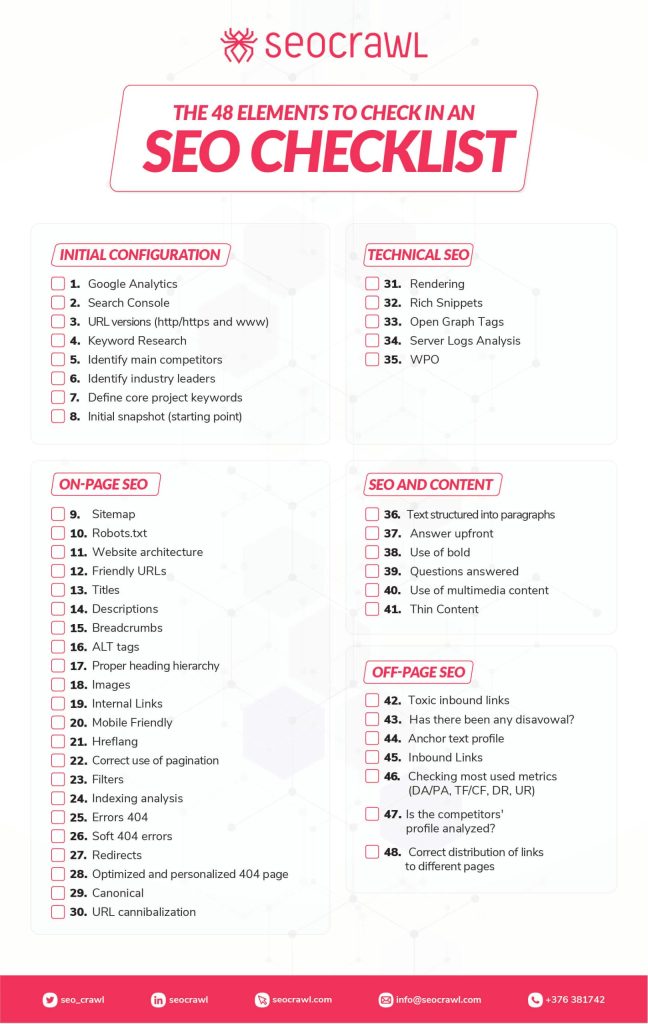
While content quality and semantic structure are paramount, the underlying technical health of your website remains a critical factor. AI systems still need to efficiently crawl, render, and index your content to consider it for SGE overviews.
- Ensure Fast Page Load Times: A slow website frustrates users and can hinder AI crawlers. Optimize images, leverage browser caching, and consider a Content Delivery Network (CDN).
- Mobile-Friendliness: Most search queries originate on mobile devices. Your site must be fully responsive and provide an excellent mobile user experience.
- Crawlability and Indexability: Use a well-structured sitemap, ensure your
robots.txtfile isn’t blocking important content, and fix any broken links or redirect chains. AI can’t use what it can’t find or understand. - Secure Website (HTTPS): HTTPS is a baseline requirement for trust and security, both for users and for search engines.
Measuring SGE Performance and Adapting
Tracking performance in the SGE era requires a slightly different lens. While traditional organic traffic remains important, also pay attention to how your content is being referenced in AI-generated summaries.
- Monitor Search Console: Look for impressions and clicks from SGE-related queries. While direct SGE reporting is still evolving, you can infer performance by analyzing queries that trigger AI overviews.
- Analyze Content Engagement: If your content is being used in SGE, users might still click through for more depth. Track time on page, bounce rate, and conversion rates for content likely to appear in AI summaries.
- Stay Informed: Google’s approach to SGE will continue to evolve. Regularly review official Google guidance and trusted industry analyses to adapt your strategies. SGE updates and analysis
What to Deprioritize Today: Chasing AI Hype Over Fundamentals
For small to mid-sized businesses, the biggest mistake in the current SGE landscape is to deprioritize foundational SEO and content quality in favor of chasing every new “AI hack” or tool. Many vendors are pushing AI-driven content generation solutions that promise quick wins. However, without a deep understanding of your audience, a strong E-E-A-T signal, and a solid technical foundation, these tools often produce generic, uninspired content that fails to resonate with users or satisfy AI models looking for authoritative sources. Focus your limited budget and headcount on creating truly valuable, human-centric content and ensuring your site is technically sound. The AI will find and reward genuine quality; it won’t be fooled by volume alone.


Leave a Comment