

Google Core Updates are a constant reality for any business relying on organic search. For small to mid-sized teams with limited resources, these updates can feel like a roll of the dice, often leading to significant ranking volatility. This article cuts through the noise, providing a pragmatic framework to understand what truly matters and how to prioritize your efforts to build sustained ranking stability, even when budgets and headcount are tight.
You’ll learn to focus on high-impact areas, make informed trade-offs, and avoid common pitfalls that waste precious time and resources. Our goal is to equip you with actionable insights to weather updates and emerge stronger, ensuring your marketing efforts continue to drive tangible business growth.
Understanding Core Updates: Beyond the Hype
First, let’s be clear: Google Core Updates are not penalties. They are broad improvements to Google’s overall ranking algorithms, designed to better understand content quality and user intent. When an update rolls out, it’s Google recalibrating what it considers high-quality, relevant, and trustworthy content. Your site might see shifts not because it did something “wrong,” but because other sites are now perceived as relatively better, or your content is no longer meeting the updated quality bar as effectively.
For SMBs, this means the solution isn’t chasing specific algorithm tweaks. It’s about consistently improving your site’s fundamental quality and user experience, aligning with Google’s long-term direction. Trying to reverse-engineer every minor change is a losing battle and a poor use of limited resources.
Prioritizing for Stability: The E-E-A-T Framework in Practice
The most effective strategy against core update volatility is to double down on Google’s E-E-A-T guidelines: Experience, Expertise, Authoritativeness, and Trustworthiness. These aren’t just buzzwords; they are actionable pillars for content and site development. For SMBs, this means focusing on demonstrating genuine value to your audience.
- Experience: Does your content show firsthand experience with the topic? Are you sharing practical insights, not just regurgitating information? For a local service business, this means showcasing real project examples, client testimonials, and behind-the-scenes glimpses.
- Expertise: Is your content created by someone knowledgeable in the field? Clearly attribute authors, highlight their credentials, and ensure your content reflects deep understanding.
- Authoritativeness: Is your website recognized as a go-to source for your niche? This builds over time through quality content, mentions from other reputable sites, and strong internal linking.
- Trustworthiness: Is your site secure (HTTPS)? Is your information accurate and verifiable? Do you have clear contact information, privacy policies, and transparent business practices? This is foundational.
What often gets overlooked in the pursuit of E-E-A-T is the long game. This isn’t a checklist to be completed once, but a continuous commitment. The real cost of neglecting genuine E-E-A-T isn’t just a dip in search rankings; it’s a slow, cumulative erosion of trust with your audience and, by extension, with search engines. Rebuilding that trust, once lost, is a far more resource-intensive task than consistently maintaining it.
In practice, the pressure to produce content quickly can lead teams to prioritize quantity over the depth required for true E-E-A-T. It’s easy to fall into the trap of generating generic articles or blog posts that merely scratch the surface of a topic. While these might fill a content calendar, they rarely demonstrate unique experience or deep expertise. This superficial approach often backfires during core updates, as Google increasingly rewards content that offers distinct value and real-world insight.
For many SMBs, the biggest hurdle isn’t understanding E-E-A-T in theory, but operationalizing it. The people with the most “experience” and “expertise” – the business owners, lead technicians, or service providers – are often too busy with day-to-day operations to consistently contribute to content creation. This leads to marketing teams struggling to extract and translate that invaluable firsthand knowledge, sometimes resulting in content that sounds authoritative but lacks the genuine practical edge. Prioritize capturing and articulating the unique insights from your front-line staff, even if it means producing less content overall. What you should deprioritize today is chasing a high content volume target if it compromises the ability to infuse genuine, firsthand experience into each piece. A few truly E-E-A-T-rich pieces will always outperform a flood of generic content.
What to Do First: High-Impact Actions for SMBs
When an update hits, or even proactively, focus your limited resources on these areas:
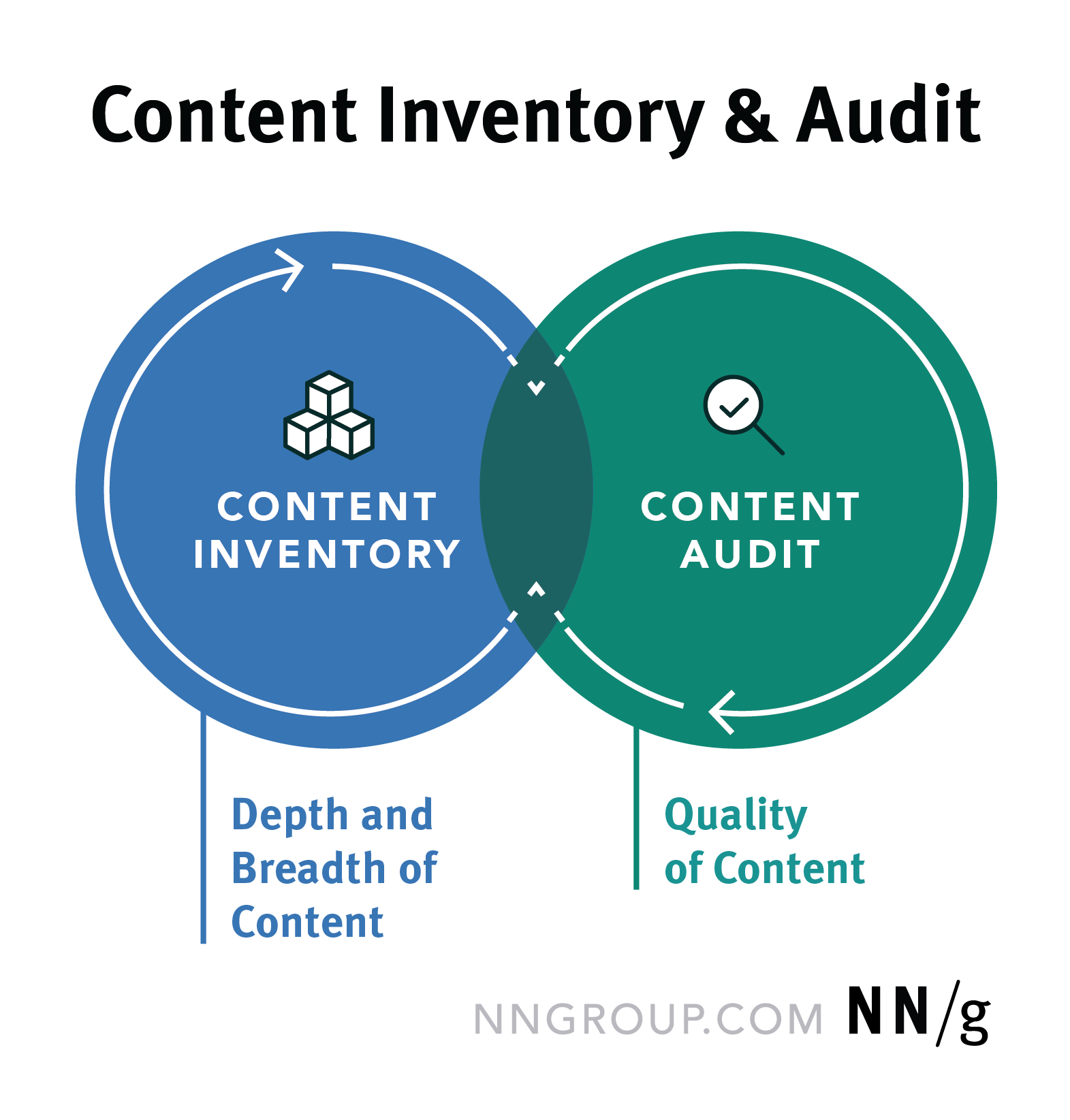
1. Content Quality Audit & Refinement
This is your number one priority. Identify content that is thin, outdated, or no longer serves your audience effectively. Don’t aim for a complete site overhaul; target your most important pages first.
- Identify Underperforming Content: Use Google Search Console to find pages with declining impressions or clicks. Look for pages with high bounce rates or low time on page in your analytics.
- Improve or Consolidate: For content that’s salvageable, update it with fresh information, deeper insights, and more practical advice. Add original research, case studies, or unique perspectives. If multiple pages cover similar topics superficially, consider consolidating them into one comprehensive, authoritative resource.
- Remove or Redirect: If content is truly low quality, irrelevant, or beyond repair, consider removing it and implementing a 301 redirect to a more relevant, higher-quality page. This signals to Google that you’re actively curating your site’s quality.
2. User Experience (UX) Fundamentals
Google consistently emphasizes user experience. While Core Web Vitals are important, don’t get lost in micro-optimizations. Focus on the basics that directly impact how users interact with your site.
- Mobile Responsiveness: Ensure your site is flawlessly responsive across all devices. This is non-negotiable.
- Page Speed: Optimize images, leverage browser caching, and consider a good hosting provider. Aim for fast loading times, especially on mobile. Tools like Google’s PageSpeed Insights can offer actionable suggestions.
- Clear Navigation & Accessibility: Make it easy for users to find what they’re looking for. Ensure your site is accessible to users with disabilities.
For more specific guidance on practical UX improvements, refer to resources like Improving website user experience.
3. Demonstrate Topical Authority
Instead of creating one-off articles, think about building clusters of content around core topics. This shows Google you have deep expertise in a subject area.
- Pillar Pages & Cluster Content: Create comprehensive “pillar” pages that cover a broad topic, then link to more detailed “cluster” articles that delve into specific sub-topics.
- Internal Linking: Strategically link related content within your site. This helps users discover more of your valuable content and distributes link equity, signaling importance to search engines.
What often gets overlooked in content audits is the sheer emotional and political cost of truly letting go. Teams can spend disproportionate time trying to “salvage” content that was never good to begin with, simply because it represents past effort or someone’s pet project. This isn’t just inefficient; it diverts resources from creating genuinely valuable new content or improving truly promising existing pieces. The result is a bloated site that still carries dead weight, making it harder for search engines and users to find your best work.
Similarly, the push to “demonstrate topical authority” can lead to a different kind of trap. The theory of pillar pages and cluster content is solid, but it hinges on genuine expertise. Many SMBs attempt to build out these structures for topics where their actual depth of knowledge or unique perspective is limited. This often results in generic, rehashed content that fails to establish true authority. Instead of signaling deep expertise, it signals a superficial attempt to game the system, which search engines are increasingly adept at discerning.
The downstream effect of these seemingly minor missteps—clinging to low-value content or building out shallow topical clusters—is a compounding “content debt.” Each piece of mediocre content, each half-hearted attempt at authority, subtly erodes your site’s overall perceived quality. Over time, this makes it significantly harder for even your truly excellent content to gain traction. You end up fighting an uphill battle against a self-inflicted perception of mediocrity, leading to frustration and a constant feeling of being behind, despite continuous effort.
What to Delay or Deprioritize Today
For small teams, every hour counts. You should absolutely deprioritize or skip chasing every minor SEO trend or attempting a full-scale, site-wide technical audit immediately after a core update. While technical SEO is important, granular fixes on low-impact pages are a poor use of resources if your core content quality and user experience are lacking. Similarly, don’t get caught up in speculative discussions about what a specific update “targeted.” Focus on the proven fundamentals of E-E-A-T and user satisfaction. A reactive, panic-driven approach often leads to wasted effort and suboptimal decisions. Instead, allocate your limited time to the high-impact content and UX improvements outlined above, which offer a better return on investment for long-term stability.
What to Avoid: Common Pitfalls
- Panic-Driven Changes: Do not make drastic, uninformed changes immediately after an update. Observe your data, analyze the impact, and then formulate a strategic response.
- Black Hat Tactics: Keyword stuffing, cloaking, buying low-quality links – these might offer short-term gains but will inevitably lead to penalties and long-term damage.
- Ignoring User Signals: Google uses user behavior as a strong indicator of content quality. If users bounce quickly or don’t engage, it signals a problem. Don’t just focus on rankings; focus on delivering value that keeps users engaged.
Monitoring & Adapting: Your Ongoing Strategy
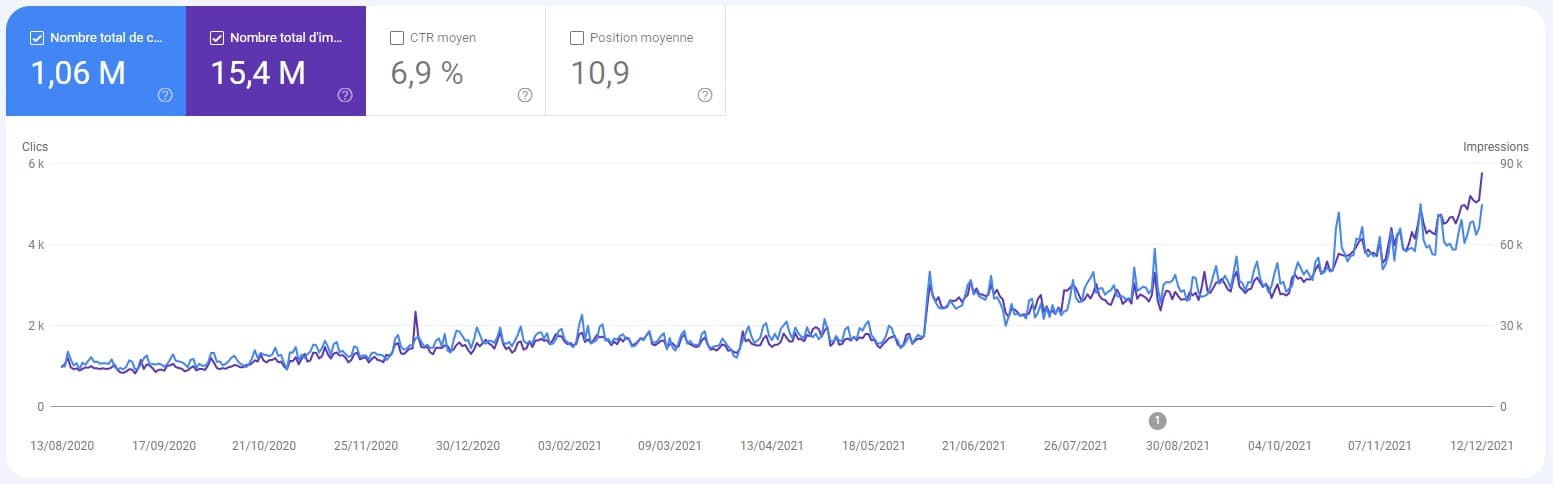
After implementing changes, continuous monitoring is crucial. Use Google Search Console to track your performance metrics: impressions, clicks, average position, and Core Web Vitals. Pay attention to specific pages that saw significant shifts. Analytics tools will help you understand user behavior changes (bounce rate, time on page, conversion rates). This data will inform your next set of priorities.
Remember, SEO is not a one-time fix. It’s an ongoing process of improvement, adaptation, and consistently delivering the best possible experience and content to your audience. Stay informed about broad industry shifts, but always filter them through the lens of your specific business and audience needs.
Building Long-Term Resilience
Sustained ranking stability through Google Core Updates isn’t about outsmarting the algorithm; it’s about consistently building a valuable, user-centric website. For SMBs, this means making smart, strategic choices about where to invest your limited time and budget. By prioritizing content quality, user experience, and demonstrating genuine expertise, you’re not just reacting to updates – you’re building a robust online presence that can withstand algorithmic shifts and continue to grow your business for years to come.


Leave a Comment