


In today’s competitive landscape, simply shouting louder isn’t enough. For small to mid-sized businesses with limited budgets and teams, every marketing dollar and minute must count. This article cuts through the noise to show you how to build marketing that truly resonates with your audience, leading to better engagement and conversions, even with imperfect execution.
You’ll gain actionable insights on prioritizing audience understanding, crafting impactful messages, and making smart channel choices to ensure your marketing efforts deliver tangible results under real-world constraints.
Understanding Resonance Beyond Buzzwords
Strategic resonance isn’t about catchy slogans or viral trends; it’s about deeply connecting with your audience’s core needs, pain points, and aspirations. For SMBs, this means moving beyond superficial demographics to grasp the emotional and practical drivers behind their decisions. When your message resonates, it feels personal, relevant, and trustworthy, cutting through the constant stream of information your customers encounter daily.
This deep connection is critical because it maximizes the impact of your limited marketing spend. Instead of broad, generic campaigns that dilute your budget, resonant marketing targets specific psychological triggers, making your outreach far more efficient and effective.
Prioritizing Audience Insight: The Foundation
Before you write a single piece of copy or design an ad, you need to understand who you’re talking to. For small teams, this doesn’t require expensive market research firms. Start with what you have:
- Direct Conversations: Talk to your existing customers. Ask them why they chose you, what problems you solve, and what they value most.
- Support Tickets & Sales Calls: These are goldmines of real-world pain points, common questions, and objections. Analyze patterns.
- Social Listening: Use free or low-cost tools to monitor conversations around your industry, competitors, and target keywords. What are people complaining about? What are they celebrating?
Focus on uncovering unmet needs, unspoken desires, and the language your customers use to describe their challenges. This qualitative data is often more valuable than broad demographic statistics for crafting resonant messages. What should be deprioritized today? Avoid getting bogged down in creating overly detailed, fictionalized buyer personas based on assumptions. Instead, prioritize direct feedback and real data from your actual customers. You can refine personas later; initial focus must be on genuine insights.
While direct conversations are invaluable, it’s easy to mistake surface-level feedback for true insight. A common pitfall is to simply record what customers say they want, rather than digging into the underlying motivations or the ‘job to be done.’ This superficial understanding often leads to marketing messages that sound good but fail to resonate deeply, or product features that address symptoms instead of root causes. The downstream effect is a slow drain on resources: ad campaigns that underperform, content that gets ignored, and sales cycles that lengthen because the core value proposition isn’t hitting home. Teams feel productive because they’re ‘acting on feedback,’ but they’re building on a shaky foundation.
Another overlooked aspect is the dynamic nature of audience insight. What was true six months ago might not hold today, especially in competitive markets. The pressure to launch and execute often means initial insights are treated as static, a ‘check the box’ activity. This creates a delayed consequence: your messaging gradually becomes less effective, not because it was wrong initially, but because it hasn’t evolved with your customers’ changing needs or or the market landscape. Re-engaging with this foundational work later feels like a setback, adding friction and frustration to teams already stretched thin.
In practice, the challenge isn’t just gathering data, but interpreting it correctly under pressure. It’s tempting to cherry-pick feedback that confirms existing biases or aligns with an easy solution. This can lead to internal debates and wasted cycles, as different team members champion their preferred interpretation of customer input. The real cost here isn’t just misdirected effort, but the erosion of team confidence and alignment when initiatives based on ‘customer insight’ repeatedly fall flat. It highlights that even with good data, the human element of judgment and interpretation remains critical, and often, the most difficult part to get right.
Crafting Your Core Message: Simplicity Wins
Once you understand your audience, distill those insights into a clear, concise core message. This isn’t just a tagline; it’s the fundamental promise of value you offer. Your message should clearly articulate:
- The specific problem you solve for your target audience.
- How your solution uniquely addresses that problem.
- The tangible benefit or outcome your customer will experience.
Emphasize a problem-solution framework. People buy solutions to problems, not just products or services. Test different ways of phrasing your value proposition through A/B tests on headlines, ad copy, and landing page offers. Don’t be afraid to be direct. Clarity always trumps cleverness.
The drive for simplicity isn’t just about sounding good; it’s a critical operational decision. A message that isn’t truly distilled often carries a hidden tax. Every piece of content, every ad, every sales conversation then has to work harder to explain what should be obvious. This dilutes impact, increases production time, and forces your team to constantly re-litigate the core value, rather than building on it. The downstream effect is a fragmented brand perception and inefficient spend across all your marketing channels.
What’s easy to overlook is the internal resistance to true simplification. Product teams want to highlight every feature, sales wants to address every possible objection, and leadership wants to capture every market segment. This internal pressure often results in a core message that’s overloaded, trying to be all things to all people. The result is a message that lacks punch and fails to resonate deeply with anyone, because it sacrifices focus for perceived comprehensiveness.
While A/B testing is the gold standard for validating your message, many small to mid-sized teams face practical limitations. Low traffic volumes can make achieving statistical significance a slow, frustrating process. The pressure to generate immediate results often leads to abandoning tests prematurely or making decisions based on insufficient data. This can push teams back to relying on subjective opinions, undermining the very clarity they sought to achieve through testing. The discipline required to let tests run, even when initial results are ambiguous, is a common point of failure.
Channels and Context: Where and How to Speak
Resonance isn’t just about *what* you say, but *where* and *how* you say it. Your core message needs to be adapted for each channel, respecting its unique context and audience expectations.
- Match Message to Channel: A professional message for LinkedIn will differ from a visually driven story for Instagram or a detailed educational piece for your blog.
- Prioritize Audience Presence: Focus your efforts on the channels where your target audience actively spends their time, not just where your competitors are, or where a new trend emerges. For many SMBs, this means doubling down on email marketing and organic search (SEO) before exploring more complex, expensive paid channels.
- Owned Channels First: Build your email list and blog content. These owned channels give you direct access to your audience and are less susceptible to algorithm changes or rising ad costs.
Resist the urge to be everywhere. Spreading your limited resources too thin across too many channels will dilute your impact. Focus on mastering a few key channels where you can consistently deliver resonant content.
Iteration Over Perfection: Learning from Real-World Data
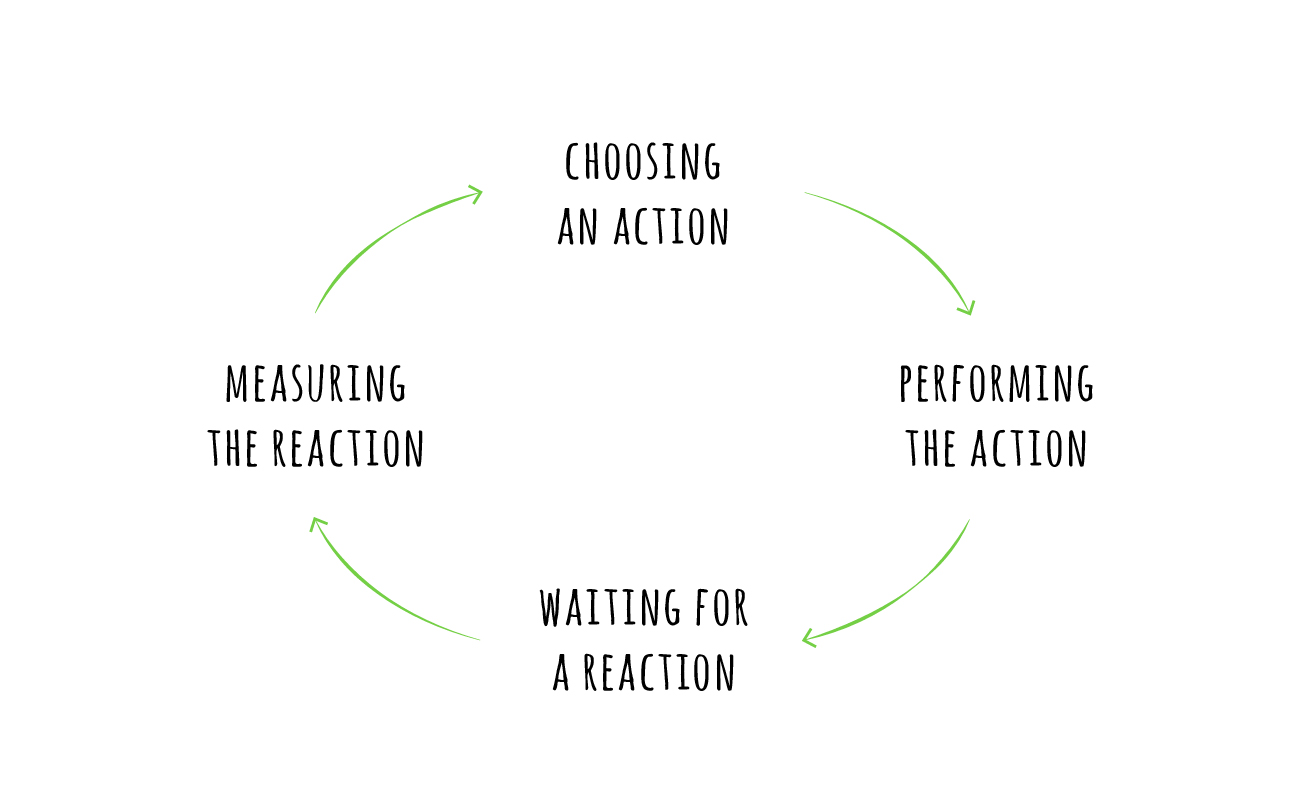
Marketing is an ongoing experiment. True resonance is discovered and refined through continuous testing and optimization. For SMBs, this means setting up simple feedback loops and acting on the data you collect.
- Key Metrics: Monitor engagement rates (clicks, shares, time on page), conversion rates (leads, sales), and qualitative feedback (comments, reviews). These tell you if your message is connecting.
- A/B Testing: Even small changes to headlines, calls-to-action, or images can significantly impact resonance. Run simple A/B tests on your ads, emails, and landing pages.
- Don’t Chase Vanity Metrics: Focus on metrics that directly impact your business goals, not just likes or impressions. A high conversion rate on a small, targeted audience is often more valuable than broad reach with low engagement.
Embrace the idea that your initial message won’t be perfect. The goal is to get it out, gather data, and iterate. This pragmatic approach ensures you’re always improving based on what actually works for your audience.
Sustaining Resonance in a Dynamic Market
The market and your audience’s needs are not static. Sustaining strategic resonance requires ongoing attention and adaptability. Regularly revisit your audience insights. What has changed? Are there new pain points or aspirations emerging? Your core message might remain consistent, but its expression and the specific problems it addresses may need to evolve.
AI tools can assist in this process, particularly for content ideation and identifying trends, but they are not a substitute for genuine human insight. Use AI to augment your understanding and personalize communication at scale, but always ground your strategy in the authentic needs of your customers. For practical guidance on leveraging these tools effectively, consider resources like AI tools for small business marketing. For deeper audience understanding, exploring frameworks like customer journey mapping for small business can provide valuable structure.


Leave a Comment