


Why Short-Form Video Demands Your Attention Now
For small to mid-sized businesses, short-form video isn’t just a trend; it’s a critical channel for reaching new audiences and deepening engagement today. This guide cuts through the noise to give you actionable strategies for platforms like TikTok, Instagram Reels, and YouTube Shorts. You’ll learn how to create content that resonates, prioritize your efforts effectively, and measure real impact, all while working within typical budget and headcount constraints.
Currently, short-form video platforms dominate user attention. This isn’t about chasing fleeting trends; it’s about meeting your audience where they spend their time. For SMBs, the organic reach potential, even with recent algorithm shifts, still offers a cost-effective way to build brand awareness and drive traffic compared to increasingly expensive paid channels.
The barrier to entry is low for creation, but the bar for effective content is rising. Your focus should be on authenticity and value, not Hollywood production.
Choosing Your Battleground: Platforms and Prioritization
Don’t try to be everywhere at once. For most SMBs, picking one or two primary platforms to master will yield better results than spreading resources too thin. Consider where your target audience is most active and what content style best suits your brand.
- TikTok: Still the king for discovery and viral potential, especially for younger demographics. Content often leans into trends, humor, and raw authenticity. If your brand can embrace this style, it’s a powerful growth engine.
- Instagram Reels: Strong for brands already established on Instagram, leveraging existing followers and integrating with other Instagram features. Often a good bridge between highly produced brand content and more casual short-form. Visual aesthetics often play a larger role here.
- YouTube Shorts: Excellent for leveraging existing YouTube audiences and for discoverability within the broader Google ecosystem. It’s a strong play for brands with an educational or ‘how-to’ focus, as Shorts can feed into longer-form content. YouTube Shorts best practices
Prioritization: If you’re starting fresh, consider TikTok for pure reach or Instagram Reels if you have an existing visual brand presence. If you already produce long-form video, YouTube Shorts is a natural extension.
Deprioritization: Avoid launching on every single platform simultaneously. Spreading yourself too thin leads to generic content and burnout. Pick one, get good, then consider expanding.
The real cost of spreading resources too thin isn’t just generic content; it’s the inability to generate meaningful insights. When you’re dabbling across multiple platforms, you rarely accumulate enough data points or consistent engagement on any single one to truly understand what resonates with your audience. This lack of deep learning means every new piece of content becomes a shot in the dark, making it impossible to iterate effectively or build a sustainable content strategy. You end up with a volume of output but a deficit of actionable intelligence, which is a far more insidious problem than simply low engagement.
Another common pitfall is the pressure to constantly chase every new trend or feature. While platforms like TikTok thrive on trends, blindly adopting them without considering brand fit or audience relevance often leads to content that feels forced or inauthentic. This can erode trust and dilute your brand’s unique voice over time. Teams often feel compelled to jump on every bandwagon, fearing they’ll be left behind, but this reactive approach rarely builds long-term value and frequently results in wasted effort on content that doesn’t align with strategic goals.
Mastering a platform, as opposed to merely existing on it, demands a level of consistent effort and analytical rigor that many small teams underestimate. It’s not just about posting; it’s about deep diving into analytics, understanding audience behavior specific to that platform, and being disciplined enough to double down on what works while ruthlessly cutting what doesn’t. This requires dedicated time for analysis and strategic planning, which is often the first thing to get deprioritized when daily operational demands mount. The theoretical ideal of “mastery” often clashes with the practical reality of limited headcount and the constant pressure to produce new content.
Content Pillars That Actually Drive Growth
Effective short-form video isn’t just about entertainment; it’s about delivering value quickly. For SMBs, focus on these content pillars:
- Problem/Solution: Identify a common pain point for your audience and offer a quick, actionable solution using your product or service. Example: ‘Tired of [problem]? Here’s how [your product] fixes it in thirty seconds.’
- Quick Tips & How-Tos: Share bite-sized educational content related to your industry. This builds authority and trust. Example: ‘Three SEO tips you can implement today’ or ‘A quick guide to [product feature].’
- Behind-the-Scenes/Authenticity: Show the human side of your business. This could be a ‘day in the life,’ product creation process, or team culture. This builds connection and trust. Authenticity often outperforms polished perfection.
- Myth Busting/Industry Insights: Challenge common misconceptions or share surprising facts related to your niche. This positions you as a thought leader.
Judgment Call: Don’t overthink trends. While trend participation can boost reach, prioritize evergreen, value-driven content that directly relates to your business. A well-executed ‘how-to’ will always be more valuable for your brand long-term than a poorly adapted dance trend.
The guidance to create “quick” content often glosses over a critical practical reality: brevity is not synonymous with ease. In fact, distilling complex ideas or solutions into a concise, impactful short-form video demands significant pre-production effort. The hidden cost here isn’t just the time spent filming, but the intellectual labor required to script, refine, and rehearse a message that is both clear and valuable within a tight timeframe. Underestimating this often leads to rushed, superficial content that fails to deliver on its promise of quick value, frustrating both the creator and the audience.
Furthermore, the push for “authenticity” and “behind-the-scenes” content, while powerful in theory, can become a source of significant human-level pressure. For small teams, this often means a few individuals are constantly expected to be “on” or to expose aspects of their daily work life. This can quickly lead to burnout or, paradoxically, to content that feels performative rather than genuinely authentic. The downstream effect is an erosion of the very trust and connection these pillars aim to build, as audiences can sense when content feels staged or forced.
Judgment Call: It’s easy to fall into the trap of chasing engagement metrics like views and likes as the primary measure of success for short-form video. While these signals have their place, a common failure mode for SMBs is prioritizing high-engagement content that doesn’t actually align with core business objectives. For teams with limited bandwidth, deprioritize content ideas that might go viral but don’t clearly contribute to attracting qualified leads, educating potential customers, or supporting sales. Focus instead on the quality and relevance of the audience you attract, even if the raw view count is lower. A smaller, highly engaged, and relevant audience is always more valuable than a large, disengaged, or irrelevant one.
Smart Repurposing and Workflow for Lean Teams
Limited resources mean you need to be smart about content creation. Repurposing is key.
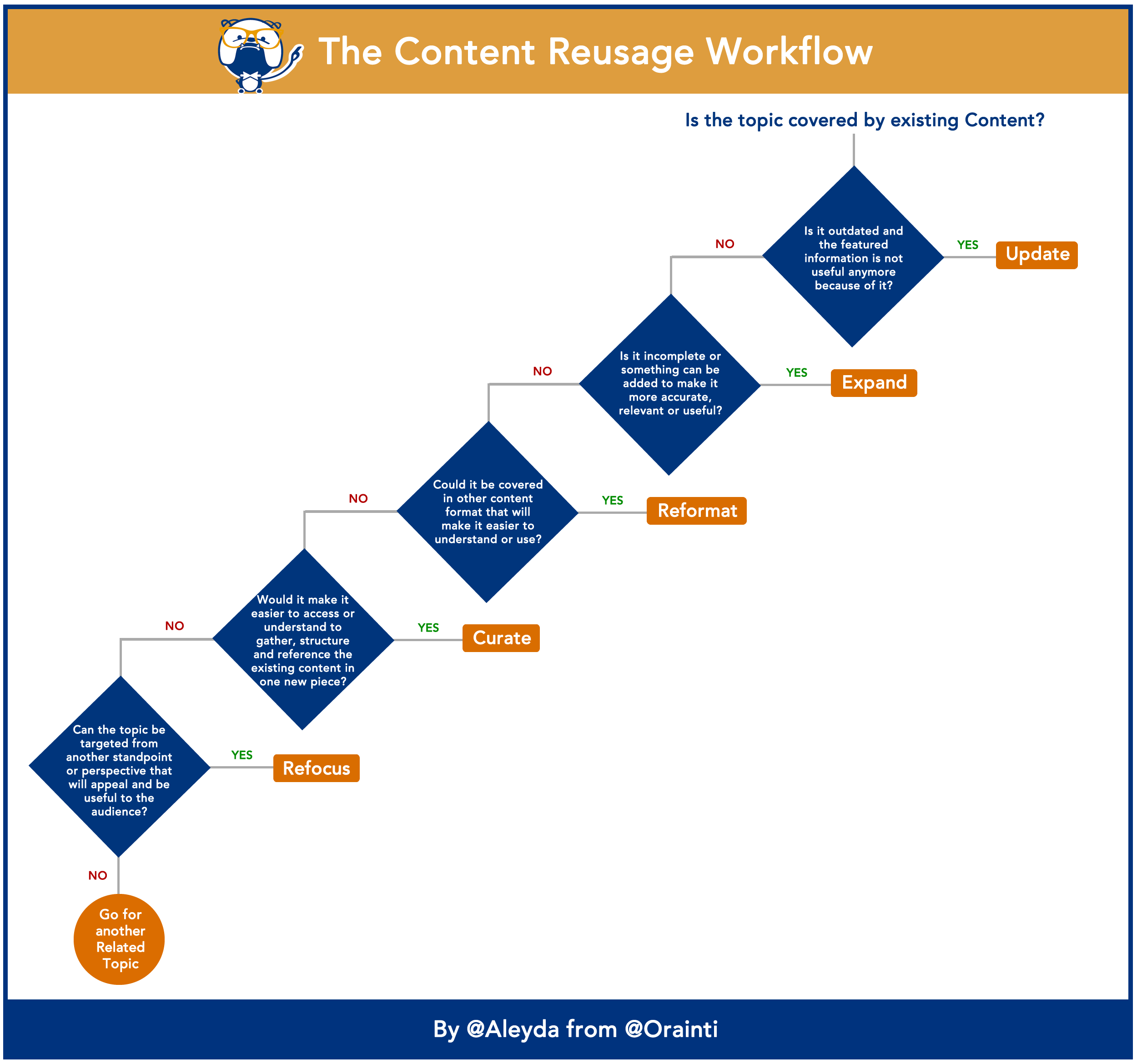
- From Long-Form to Short-Form: Take snippets from webinars, podcasts, long YouTube videos, or blog posts and turn them into short, punchy clips. This is highly efficient.
- Batch Creation: Dedicate specific blocks of time to film multiple short videos at once. This streamlines setup, lighting, and mindset.
- Template Usage: Use simple editing templates or apps that allow for quick text overlays, music, and transitions. You don’t need a professional editor for every clip.
What to Skip: Avoid complex, multi-day editing processes for individual short videos. The speed and volume of short-form content mean ‘good enough’ often beats ‘perfect’ if it means you can publish consistently. Over-editing is a common trap for lean teams.
Driving Action: Calls to Action and Measurement
Short-form video needs a clear purpose. Every video should guide the viewer to the next step, even if it’s just to follow you.
- Direct CTAs: ‘Follow for more tips,’ ‘Link in bio to learn more,’ ‘Visit our website,’ ‘DM us your questions.’ Keep them concise and visible.
- Soft CTAs: Encourage comments, shares, or saves. These interactions signal to the algorithm that your content is valuable.
Measurement for SMBs: Don’t get lost in vanity metrics. Focus on what truly matters:
- Reach/Impressions: How many people saw your content? This indicates brand awareness.
- Engagement Rate: Likes, comments, shares, saves relative to views. This tells you if your content resonates.
- Profile Visits/Website Clicks: Are people taking the next step? This is a direct indicator of interest and potential lead generation. Track these through platform analytics and UTM parameters.
- Conversion (if applicable): Can you directly attribute sales or sign-ups to short-form video efforts? This is the ultimate metric, though often harder to track directly.
Prioritization: For most SMBs, focus first on engagement and profile visits. If people aren’t engaging or clicking, conversions won’t follow. Optimize for the funnel, not just the top. Tracking social media ROI for small businesses
Sustaining Momentum Without Burnout
Consistency is more important than virality. Aim for a realistic publishing schedule you can maintain, whether that’s three times a week or daily. A steady stream of valuable content builds an audience over time.
Embrace Iteration: Not every video will be a hit. Pay attention to what performs well (and what doesn’t) in your analytics, and adjust your strategy accordingly. This iterative approach is far more effective than trying to guess what will go viral.
Leverage User-Generated Content (UGC): Encourage your customers to create videos featuring your products or services. This provides authentic content and reduces your creation burden. Reshare with permission.
What to Avoid: Don’t chase every single trend or feel pressured to produce highly polished, expensive content. Your audience values authenticity and consistent value over perfection. Burnout from overproduction is a real risk for lean teams; prioritize sustainable effort.


Leave a Comment