

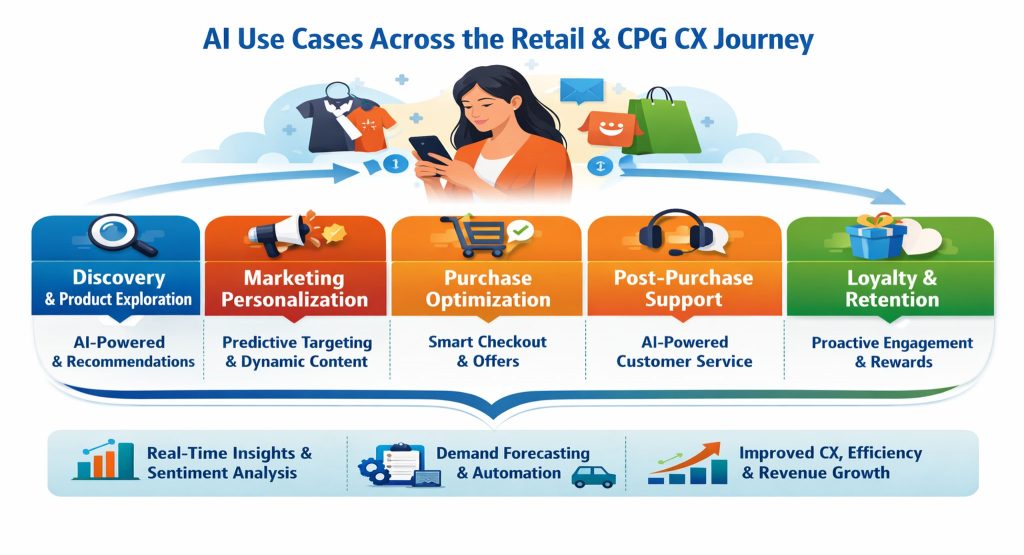
For small to mid-sized businesses, delivering a truly personalized customer experience and building lasting loyalty often feels out of reach due to limited resources. This guide cuts through the hype, showing you how to practically leverage AI to achieve these goals without overhauling your entire operation. You’ll gain clear insights into what AI applications deliver real value today, how to prioritize your efforts, and what common pitfalls to avoid, ensuring your marketing budget and team time are spent effectively.
Why AI for Customer Experience Isn’t Just for Enterprises
AI’s core value for small to mid-sized businesses (SMBs) lies in its ability to automate data analysis, identify patterns, and enable scaled personalization that manual efforts simply can’t match. It’s crucial to understand that this isn’t about building a custom AI solution from scratch; it’s about strategically utilizing AI features already embedded in your existing marketing, CRM, and customer service platforms. The focus should be on driving efficiency and measurable impact, not on chasing bleeding-edge technology for its own sake. AI democratizes advanced capabilities, making sophisticated customer experience strategies accessible to teams with limited headcount and budgets.
Prioritizing AI for Personalization: Where to Start
Do First: Leverage Your Existing Data and Tools
The most pragmatic starting point is to maximize what you already possess: your CRM, email marketing platform, or e-commerce system. Many of these platforms currently include AI-driven segmentation, product recommendations, or dynamic content features that are often underutilized. Focus on these embedded capabilities first.
- Email Personalization: This is low-hanging fruit. AI can significantly enhance email marketing by segmenting lists more effectively, suggesting optimal send times, and even assisting with subject line generation or content variations based on past engagement.
- Website Personalization: Implement simple AI-driven recommendations based on browsing history, popular items, or complementary products. Many e-commerce platforms offer this functionality via plugins or built-in features, requiring minimal technical overhead.
- Targeted Offers: Use AI to identify high-value customer segments or those likely to respond to specific promotions, allowing for more precise and effective campaign targeting.
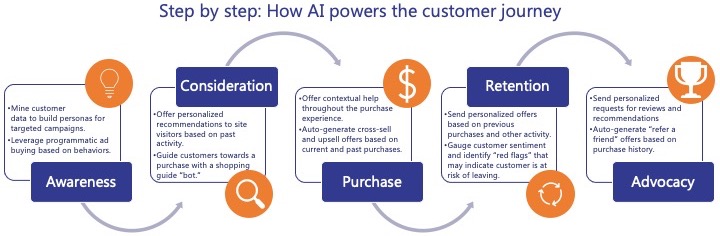
This foundational approach ensures you’re building on familiar ground and seeing tangible results quickly.
What to Delay: Complex Predictive Models and Omnichannel Sync
Resist the urge to immediately invest in custom-built predictive churn models or real-time, fully synchronized omnichannel personalization. These advanced initiatives typically demand significant data infrastructure, complex integration work, and specialized expertise that most SMBs lack. The return on investment for such complex projects is often harder to prove and slower to materialize for smaller teams. Instead, focus on mastering one or two channels with AI before attempting a holistic, complex strategy across all touchpoints.
While the initial focus on embedded capabilities is sound, it’s easy to overlook the nuances that can undermine their effectiveness. Many of these ‘out-of-the-box’ AI features rely heavily on the quality and consistency of your existing data. A CRM filled with outdated contact information or inconsistent purchase histories will yield equally flawed personalization, regardless of the AI’s sophistication. This isn’t a technical failure, but a data hygiene problem that often surfaces only after campaigns underperform, leading to wasted effort and a cynical view of AI’s potential.
Furthermore, the temptation to chase the ‘next big thing’ in AI personalization can be a significant internal pressure point. Even when a pragmatic ‘delay’ strategy is clear, teams often face an implicit expectation to adopt more advanced, buzzword-heavy solutions. This can lead to premature attempts at complex integrations or custom models, diverting limited resources from the foundational work that actually drives immediate value. The result is often a fragmented approach, where basic personalization isn’t fully optimized, and advanced projects stall due to a lack of underlying infrastructure or specialized talent.
Even when initial, simple personalization efforts succeed, they often expose deeper operational limitations. For instance, effective email segmentation might quickly highlight the need for more dynamic content creation capabilities or a more robust content management system, which weren’t initial priorities. Similarly, successful website recommendations can strain inventory management or fulfillment processes if not anticipated. These downstream effects aren’t failures, but they represent the next layer of operational debt that must be addressed, often requiring a different set of skills or budget than initially planned for AI implementation itself.
Building Loyalty with AI: Practical Applications
AI can play a pivotal role in fostering customer loyalty by enhancing service, anticipating needs, and ensuring consistent engagement.
- Proactive Customer Service: AI-powered chatbots can efficiently handle common frequently asked questions (FAQs), freeing up your human agents to address more complex or sensitive customer issues. This improves response times, reduces operational load, and boosts overall customer satisfaction.
- Basic Churn Prediction: While highly complex models can wait, many platforms offer basic AI features that can flag customers showing early signs of disengagement (e.g., declining activity, lack of recent purchases). This enables your team to launch targeted re-engagement campaigns before customers are lost.
- Automated Follow-ups and Nurturing: AI can trigger personalized follow-up sequences based on specific customer actions or milestones, such as post-purchase surveys, re-engagement emails for inactive users, or birthday greetings. This ensures consistent, timely communication without requiring constant manual oversight. AI in CRM for SMBs
While these applications offer clear benefits, it’s crucial to acknowledge the practical pitfalls. Relying too heavily on AI for proactive customer service, for instance, can inadvertently create a skill gap within your human support team. If complex issues are consistently escalated without your agents first attempting to resolve them, their problem-solving muscle can atrophy. When the AI inevitably encounters a novel or highly sensitive customer issue it cannot resolve, the human fallback might be less equipped to deliver the empathetic, nuanced resolution that truly builds loyalty, leading to deeper customer frustration than if the AI wasn’t involved at all.
Similarly, basic churn prediction models, while useful for flagging potential issues, are only as effective as the actions they trigger. The non-obvious failure mode here is acting on these flags with generic, untargeted re-engagement campaigns. Sending a “we miss you” email to a customer who recently had a negative experience, without addressing that specific issue, can feel tone-deaf and accelerate their departure. Your team might also face decision pressure when presented with a list of “at-risk” customers but lack the bandwidth or specific insights to craft truly impactful, personalized interventions, turning a promising data point into an operational burden.
Finally, automated follow-ups and nurturing sequences require more than just initial setup. The hidden cost often lies in the continuous effort needed to keep the content fresh, relevant, and genuinely valuable. Stale offers, outdated information, or messages that no longer align with current customer needs can quickly turn a loyalty-building automation into an annoyance. Over time, without dedicated resources for content refresh and performance monitoring, these systems can become less effective, delivering diminishing returns and potentially eroding the very loyalty they were designed to foster.
Avoiding Common Pitfalls and Maximizing Impact
Successfully integrating AI into your customer experience strategy requires a pragmatic approach, avoiding common missteps that can derail efforts for SMBs.
- Don’t Over-Automate Without Oversight: AI is a powerful tool, but it’s not a replacement for human judgment and empathy. Regularly review AI-driven campaigns, recommendations, and customer interactions to ensure they align with your brand voice, values, and customer expectations. Automated systems can sometimes produce unintended or off-brand outputs.
- Focus on Clear Business Goals: Never implement AI just because it’s the latest trend. Define specific, measurable objectives for each AI initiative. For example, aim to “increase email open rates by ten percent” or “reduce customer support response time by twenty percent.” Measure AI’s contribution against these goals to prove its value.
- Data Quality is Paramount: AI models are only as effective as the data they are trained on. Prioritize cleaning, organizing, and enriching your customer data before scaling AI initiatives. Inaccurate or incomplete data will lead to flawed insights and ineffective personalization.
Today, it’s critical to deprioritize chasing every new AI feature or standalone tool that emerges. The market is currently flooded with AI solutions, many of which are niche, unproven, or require significant integration effort. For an SMB, the immediate priority should be leveraging AI capabilities already integrated into established platforms you likely use (CRM, marketing automation, e-commerce). Investing time and budget into evaluating and integrating multiple standalone AI tools without a clear, immediate return on investment often leads to wasted resources and fragmented data. Stick to proven, embedded AI features first. AI tools for small business marketing
The Future is Now: Integrating AI into Your CX Strategy
AI isn’t a distant future concept; it’s an embedded reality in many of the tools SMBs use daily. The key to success is strategic adoption: identify your specific customer experience pain points, find AI features within your current tech stack that can address them, and then iterate. Start small, measure the impact of your efforts, and scale what works. This pragmatic, results-oriented approach ensures AI genuinely enhances your customer experience and drives loyalty, rather than becoming another unfulfilled technology investment.


Leave a Comment