


The Shift to Intent-Driven Content
Today, simply stuffing keywords into your content is a relic of a bygone SEO era. AI-powered search engines, like Google’s evolving algorithms, are far more sophisticated. They don’t just match keywords; they interpret the underlying intent behind a user’s query, understand context, and evaluate the overall quality and comprehensiveness of your content. For small to mid-sized businesses, this means a fundamental shift in how we approach content creation and optimization. Your goal isn’t to trick an algorithm, but to genuinely answer user questions and solve their problems.
This evolution demands content that is not only relevant but also authoritative, well-structured, and directly addresses the user’s need at every stage of their journey. It’s about building topical authority and demonstrating expertise, rather than just ranking for isolated terms. This approach, while requiring more upfront strategic thinking, yields more sustainable and impactful results.
Deconstructing User Intent for SMBs
Understanding user intent is the bedrock of modern SEO. It’s about figuring out *why* someone is searching for something, not just *what* they’re typing. For SMBs with limited resources, this analysis needs to be pragmatic and actionable.
- Informational Intent: The user wants to learn something (e.g., “how to fix a leaky faucet,” “best practices for email marketing”). Your content should provide comprehensive answers, guides, or explanations.
- Navigational Intent: The user is looking for a specific website or page (e.g., “MarketingPlux blog,” “Shopify login”). This is often brand-specific and less about content optimization, but ensuring your brand name ranks is crucial.
- Commercial Investigation Intent: The user is researching products or services before making a purchase (e.g., “best CRM software for small business,” “reviews of marketing automation tools”). Your content should offer comparisons, reviews, or detailed feature breakdowns.
- Transactional Intent: The user is ready to buy or take a specific action (e.g., “buy organic coffee beans online,” “sign up for a free trial”). Your content should lead directly to a conversion point, with clear calls to action.
To identify intent, start by analyzing your existing search queries in Google Search Console. Look at the types of questions people ask. Review competitor content that ranks well for your target topics. Use tools like “People Also Ask” sections in Google SERPs to uncover related questions and underlying needs. This helps you map content to specific stages of the customer journey.
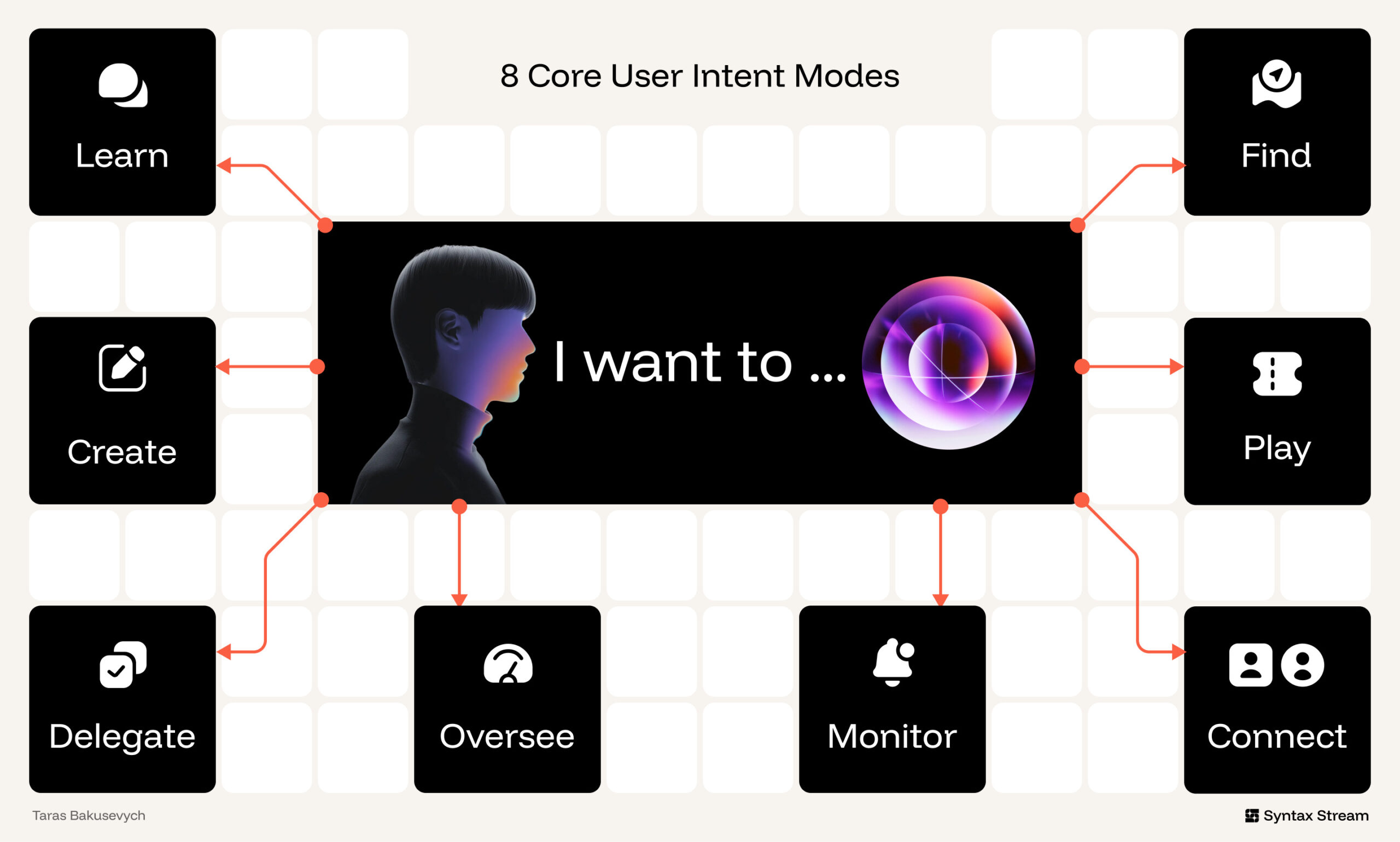
What often gets overlooked is that user intent isn’t always a clean, static category. In practice, many search queries carry mixed intent, or a user’s intent can evolve rapidly within a single search session. For example, someone researching “best CRM software” might start with commercial investigation, but quickly need informational content to understand a specific feature, then shift to transactional intent to compare pricing. Over-optimizing content for a single, narrow intent can alienate users whose needs are more fluid, leading to high bounce rates even if you rank.
Furthermore, while the initial mapping of intent feels like a discrete project, it’s a continuous, often neglected, maintenance task. Search trends shift, new competitors introduce different angles, and your own product or service offerings evolve. Content that perfectly matched intent six months ago might now be subtly misaligned. Failing to regularly revisit and refine your intent mapping leads to content decay – pages that once performed well slowly lose relevance and traffic because the underlying user need has subtly changed. This ongoing effort often gets deprioritized by small teams in favor of “new content creation,” creating a growing backlog of underperforming assets and a feeling of chasing a moving target.
Given these realities, a critical decision for SMBs is what to deprioritize. Trying to address every possible intent for every keyword is a common pitfall that dilutes effort. If your immediate business goal is lead generation or direct sales, focus your limited resources on commercial investigation and transactional intent for your core offerings. While informational content builds long-term authority, it can often be strategically delayed if it doesn’t directly support a near-term conversion goal. The risk of spreading too thin and doing everything poorly far outweighs the perceived benefit of covering all bases.
Crafting Content That Satisfies AI
Once you understand intent, the next step is to create content that effectively meets it. AI values content that is clear, comprehensive, and well-organized.
- Clarity and Conciseness: Get to the point. AI-powered search often extracts direct answers. Ensure your key points and answers are easy to find and understand, especially in the opening paragraphs.
- Comprehensive Coverage: Don’t just skim the surface. If a user has an informational intent, provide a thorough answer that covers all relevant sub-topics. Think of your content as the definitive resource for that specific query.
- Structured Data (Schema.org): Implement Schema markup where appropriate (e.g., for FAQs, how-to guides, product reviews). This explicitly tells search engines what your content is about and helps them present it more effectively in rich results. Schema markup guide
- Entity-Based SEO: Beyond keywords, AI understands entities – real-world objects, concepts, and people. Connect related entities within your content to build a richer, more contextually relevant piece. For example, if discussing “email marketing,” also mention “CRM,” “segmentation,” and “automation.”
- Problem-Solution Focus: Frame your content around common problems your audience faces and offer clear, actionable solutions. This directly aligns with the practitioner mindset of SMB owners.
- Originality and Authority: AI is increasingly adept at identifying unique insights and expert perspectives. Avoid generic, rehashed content. Share your unique experience and opinions as a practitioner.
It’s easy to interpret “comprehensive coverage” as simply writing more words or touching on every conceivable sub-topic. However, true comprehensiveness, especially when paired with “originality and authority,” demands significant depth of research and unique insights. For small to mid-sized teams, the practical reality is often a trade-off between publishing frequency and genuine depth. The hidden cost here isn’t just the time spent; it’s the opportunity lost by producing content that merely rehashes existing information. AI is increasingly adept at identifying unique value, and content that lacks this often struggles to differentiate, leading to a plateau in organic visibility despite consistent effort. This creates real frustration when teams are working hard but not seeing the expected impact.
Similarly, the advice to focus on “problem-solution” and “entity-based SEO” can, in practice, lead to content bloat if not carefully managed. The temptation is to cram every related entity or solve every possible problem within a single piece to maximize its perceived value. However, this often dilutes the core message, making the content broad but shallow. For both human readers and AI, a lack of sharp focus can make it harder to understand the primary intent and value of the piece. This isn’t about keyword stuffing, but rather an editorial challenge where the desire to be exhaustive overrides the need for clarity and directness, potentially signaling lower relevance for specific queries.
Finally, while implementing “structured data” via Schema.org is a critical step, its ongoing maintenance is frequently overlooked. Content is rarely static; product details change, FAQs are updated, and processes evolve. If the corresponding Schema markup isn’t updated in lockstep, it quickly becomes inaccurate or misleading. The delayed consequence is that the initial SEO benefit erodes, and search engines may eventually deprioritize your content for rich results if the data they’re presenting is inconsistent with the page content. This demands a level of operational discipline that many lean teams struggle to sustain, turning a powerful initial advantage into a potential liability over time.
Prioritizing Your Content Strategy (What to Do, What to Delay)
For SMBs, resource allocation is critical. Here’s a pragmatic approach to prioritizing your content efforts for AI-powered search:
Do First:
- Audit High-Traffic Content: Identify your top-performing content pieces. Can they be updated to better address intent, be more comprehensive, or include structured data? This often yields quick wins.
- Focus on Core Topic Clusters: Instead of individual keywords, build out comprehensive content clusters around your most important business topics. Create a pillar page and supporting articles that link to each other, establishing topical authority.
- Integrate Structured Data: Start with easy wins like FAQ Schema for existing Q&A sections or HowTo Schema for guides. This helps AI understand and present your content better.
- Improve Internal Linking: Ensure your internal links are logical and help users (and search engines) navigate related content. This strengthens topical relevance across your site.
Delay or Deprioritize Today:
For SMBs, the biggest mistake is chasing every new AI-SEO tool or trend immediately. Many are expensive, complex, and offer marginal returns compared to foundational content improvements. Deprioritize investing heavily in speculative AI content generation tools or complex technical SEO audits until your core content strategy is robustly aligned with user intent and provides genuine value. Focus on quality over quantity, and depth over breadth, especially with limited resources. Avoid creating thin, short-form content purely for keyword targeting; AI will likely devalue this, and it won’t build the authority you need.
Measuring Success in the AI Search Era
Measuring success goes beyond simple keyword rankings. While rankings still matter, AI-powered search emphasizes user satisfaction and direct answers. Focus on these metrics:
- Engagement Metrics: Time on page, bounce rate, pages per session. High engagement signals that your content is satisfying user intent.
- Conversion Rates: Ultimately, content should drive business goals. Track how content contributes to leads, sales, or sign-ups.
- Featured Snippets and Rich Results: Monitor your appearance in these prominent SERP features. AI often pulls direct answers from well-structured, intent-focused content.
- Organic Traffic Quality: Are users staying longer, engaging more, and converting at higher rates? This indicates you’re attracting the right audience.
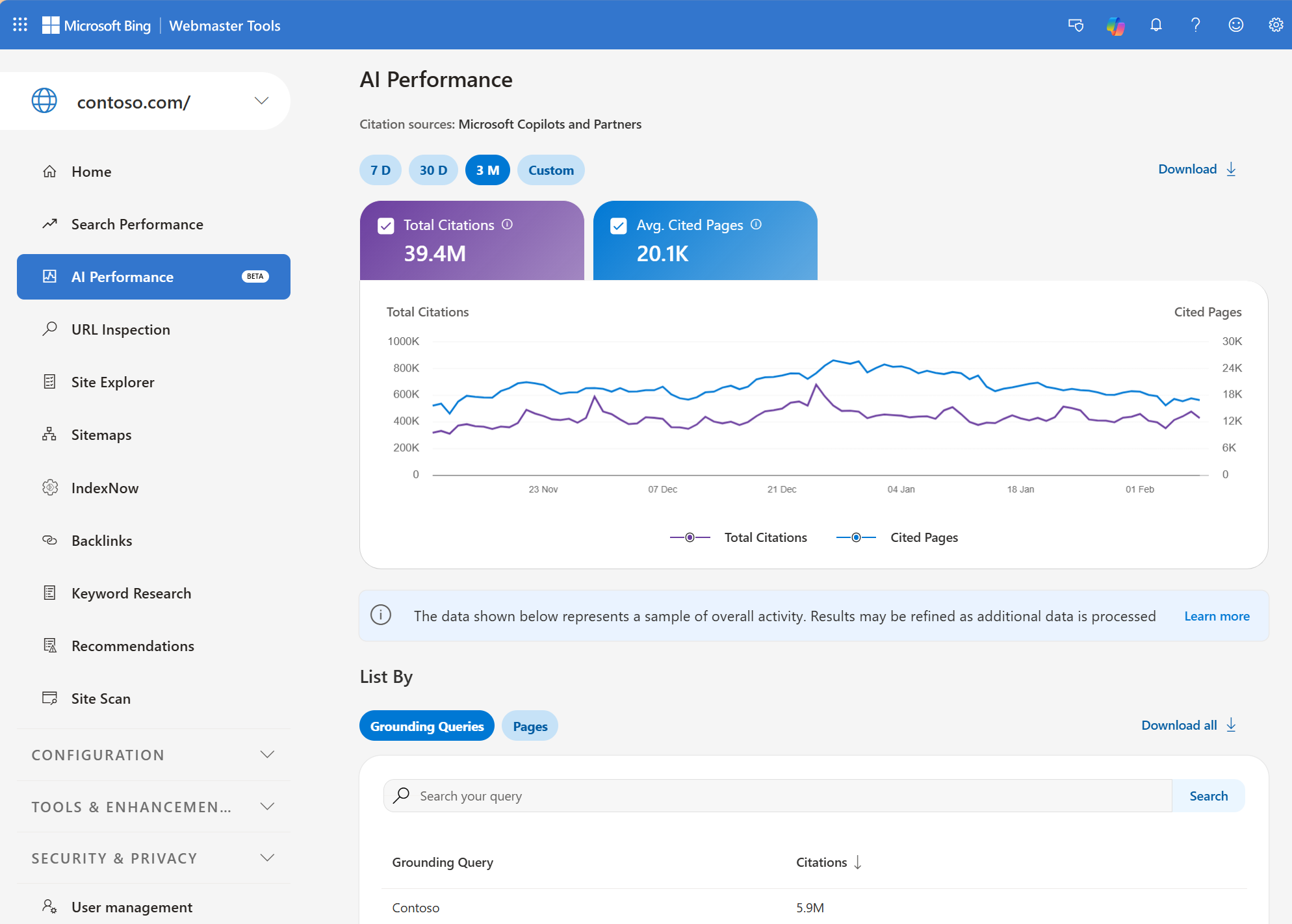
- AI-Generated Summaries: As AI overviews become more common, observe if your content is being cited or summarized. This is a strong indicator of authority.
Tools like Google Search Console and your website analytics platform (e.g., Google Analytics 4) remain indispensable for tracking these metrics. Look for patterns that indicate improved user satisfaction and better alignment with search intent.
Adapting for the Future of Search
The landscape of search will continue to evolve rapidly with AI at its core. For SMBs, the key is not to chase every fleeting trend, but to build a robust, user-centric content strategy that remains effective regardless of algorithmic shifts. The fundamental principle of providing the best, most helpful, and most authoritative answer to a user’s query will always hold true. By focusing on deep understanding of intent, comprehensive content, and clear structure, you’ll position your business for sustained visibility and growth in the AI-powered search environment. This isn’t just about SEO; it’s about building a valuable resource for your audience. content strategy for small business


Leave a Comment